Which WMUs Allow Fall Shotgun Turkey Hunting
Hunting wild turkeys in Vermont during the fall can be an incredibly rewarding experience, offering a completely different challenge than the spring gobbler season. However, one of the most common points of confusion for hunters, both seasoned and new, revolves around the specific regulations for using a shotgun during the fall season. Many assume that if archery is allowed statewide, shotguns must be too, but that's simply not the case, leading to frustration and potential legal issues if you're not careful. This comprehensive guide will walk you through exactly which Wildlife Management Units (WMUs) permit fall shotgun turkey hunting in Vermont, helping you plan your hunt with confidence and clarity.
Understanding Vermont's Unique Fall Turkey Regulations
Vermont's approach to fall turkey hunting is designed to manage local populations effectively, which means a blanket statewide season doesn't always make sense for all weapon types. This is where the distinction between archery and shotgun seasons becomes incredibly important.
The Statewide Archery Season vs. Specific Shotgun Zones
For many years now, Vermont has offered a broad, statewide archery season for wild turkeys in the fall. This means that with a valid archery license and turkey permit, you can pursue turkeys with your bow almost anywhere in the state during the designated archery dates. It offers a fantastic opportunity for bowhunters to extend their season and enjoy the crisp autumn woods. However, when it comes to shotguns, the rules tighten considerably. The Vermont Fish and Wildlife Department meticulously studies turkey populations across the state, and based on these biological assessments, they designate specific WMUs where shotgun hunting for turkeys is permitted in the fall. These designated WMUs are typically areas with robust, stable, or growing turkey populations that can sustain additional harvest pressure without negatively impacting the overall health of the flock. Failing to understand this critical difference is a mistake many new hunters make, often leading to disappointment or even inadvertently breaking regulations. It’s not just about knowing when to hunt, but where to hunt with your chosen weapon.
Why WMUs Matter for Fall Shotgun Turkey Hunters
WMUs, or Wildlife Management Units, are the bedrock of Vermont's hunting regulations. These geographical divisions, often delineated by natural features like rivers and mountain ranges, or by major roads, allow the Fish and Wildlife Department to manage game populations on a localized level. For fall shotgun turkey hunting, knowing your WMU is absolutely non-negotiable. If you're standing in a prime turkey woodlot with your scattergun, but you're outside of an approved WMU, you're hunting illegally, regardless of whether you have the proper license.
Think of WMUs as a set of rules tailored to specific neighborhoods. What's permissible in one "neighborhood" (WMU) might be strictly forbidden in another, even if they're just a few miles apart. This micro-management ensures that areas with lower turkey densities aren't over-harvested, while robust populations can provide more opportunities for hunters. To effectively plan your hunt, you'll need to consult official Vermont Fish and Wildlife maps or use digital mapping tools like GoHunt that overlay WMU boundaries, ensuring you're always on the right side of the law. This careful planning ahead of time is just as crucial as your scouting efforts for finding birds. Understanding these boundaries is a fundamental part of responsible hunting in the Green Mountain State, and it's a detail that can make or break your fall turkey pursuit.
The Designated Fall Shotgun Turkey WMUs in Vermont
Now, let's get down to the specifics that every fall shotgun turkey hunter needs to know. The list of WMUs open to shotgun hunting for turkeys in the fall isn't extensive, which is why it's so important to commit them to memory or have them readily accessible.
Identifying the Open WMUs for Shotgun Hunting
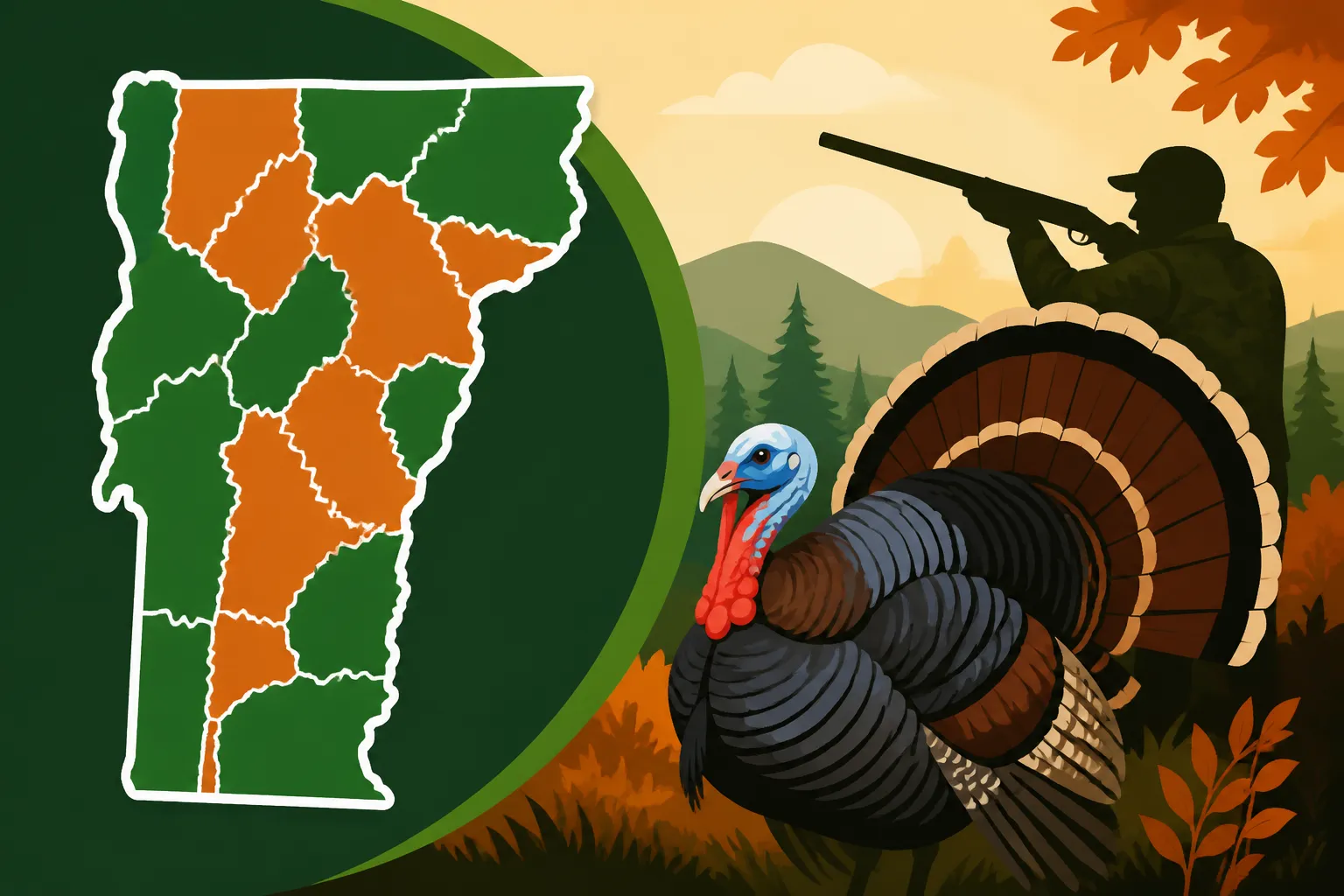
Based on current Vermont Fish and Wildlife regulations, the WMUs that typically allow fall shotgun turkey hunting are concentrated in certain regions where populations can best sustain this method. These generally include WMU A, WMU B, WMU D, WMU G, WMU I, WMU L, WMU M, WMU N, WMU P, WMU Q, WMU R, WMU S, WMU U, WMU W, WMU X, WMU Y, and WMU Z. It's a fairly specific list, and these WMUs cover parts of the Champlain Valley, the lower Green Mountain foothills, and sections of the southern and eastern parts of the state.
WMU A, for instance, encompasses a good chunk of southwestern Vermont, including parts of Bennington and Rutland counties, known for a mix of agriculture and extensive woodlands. Further north, WMU B and D, often found in the Champlain Valley, offer different terrain but often hold strong turkey numbers due to abundant food sources. It's always a good practice to double-check the most recent regulations published by the Vermont Fish and Wildlife Department before heading afield, as these zones can occasionally be adjusted based on population data. You can find detailed maps on their website or through apps like GoHunt, which can show you exactly where these lines are drawn.
Geographic Considerations Within These WMUs
Each of the WMUs designated for fall shotgun turkey hunting possesses its own unique geographic character and habitat types, which in turn influence turkey behavior and hunting strategies. Understanding these subtle differences can give you a significant edge in finding and patterning fall flocks.
For example, many of the WMUs in the Champlain Valley (like WMU B or WMU D) are characterized by a patchwork of agricultural fields—corn, hay, and dairy farms—interspersed with woodlots, river bottoms, and old orchards. Turkeys here often frequent field edges, especially after crops have been harvested, seeking waste grain or insects. Hunting these areas might involve setting up along a field edge, using a ground blind that's well-brushed in, or Hunting a Champlain Valley Dairy Farm Edge.
In contrast, WMUs that extend into the lower Green Mountain foothills or the more rolling terrain of southern Vermont (such as WMU A or WMU G) typically offer denser hardwood forests. Here, turkeys will be more reliant on mast crops like acorns and beech nuts, and you’ll find them foraging on ridge tops, in creek bottoms, and around mature timber. These areas might lend themselves more to still-hunting or carefully working ridge lines where turkeys are feeding. Knowing the dominant food sources in your chosen WMU will be key to pinpointing active areas. For a deeper understanding of scouting methods, consider checking out resources like Scouting Vermont Public Land Before Season.
The following table provides a general overview of the primary fall shotgun turkey WMUs and their common characteristics:
| WMU | General Location (Counties) | Primary Habitat Type | Notes for Hunters |
|---|---|---|---|
| A | Bennington, Rutland | Mixed hardwoods, some agriculture | Rolling hills, good mast crop potential |
| B | Addison, Chittenden | Farmland, river bottoms, fragmented woods | Often private land, seek permission |
| D | Addison, Rutland | Mixed forest, agricultural fringe | Transitional zones, good for ambush points |
| G | Windham, Windsor | Southern Green Mountain foothills | Steep terrain in places, strong oak/hickory stands |
| I | Orange, Windsor | Central VT rolling hills, mixed woods | Potential for private land access, good food plots |
| L | Rutland, Washington | Mix of farmland and forest | Focus on edges, near water sources |
| M | Chittenden, Franklin, Lamoille | Champlain Valley, agricultural, wetlands | Can be challenging to access, high turkey density |
| N | Caledonia, Orange, Washington | Northern Green Mountain foothills | More remote, focus on natural food sources |
| P | Essex, Orleans | Northeast Kingdom, dense forest, bogs | Fewer open WMUs, careful navigation |
| Q | Essex, Caledonia | Northeastern VT, mixed forest | High elevation areas, scout for signs |
| R | Essex, Orleans | Northeast Kingdom, rugged terrain | Less agricultural influence, focus on mast |
| S | Washington, Windsor | Central VT, mixed forest, some agriculture | Good mix of habitats, potential for varying tactics |
| U | Washington, Lamoille | Green Mountain interior | More public land opportunities, scout for feeding areas |
| W | Orleans, Franklin | Northern Champlain Valley, wetlands | Focus on transitions between water and upland, field edges |
| X | Franklin, Chittenden | Northwestern VT, farmland, woodlots | Good for decoy strategies, seek permission on private land |
| Y | Grand Isle, Franklin | Champlain Islands, agricultural, marshes | Unique island hunting, very specific access points |
| Z | Franklin, Orleans | Border region, mixed woods, small farms | Can be good for calling if flocks are established |
Note: This list is illustrative based on common patterns; always refer to the current Vermont Fish and Wildlife Department regulations for the precise and most up-to-date WMU designations.
Remember, scouting these areas before the season using digital tools or by physically walking the land can reveal crucial details about turkey movement patterns, food sources, and roosting locations. Using an app like GoHunt for identifying public land and property boundaries within these WMUs can save you a lot of guesswork and ensure you're hunting legally and ethically.
Strategies for Fall Shotgun Turkey Hunting in Designated WMUs
Once you've confirmed your chosen WMU allows shotgun hunting for turkeys, the real fun begins: figuring out how to actually hunt them. Fall turkey hunting is a beast of a different color compared to the spring season, demanding different tactics and a deeper understanding of flock behavior.
Scouting and Locating Fall Flocks
Unlike spring, when gobblers are vocal and focused on breeding, fall turkeys are all about survival and food. They typically travel in larger flocks, often composed of hens and their poults, sometimes joined by adult gobblers. Their movements are dictated almost entirely by available food sources. This means your scouting efforts should center on identifying what they're eating and where.
Start by looking for signs of mast crops: acorns from oak trees, beechnuts from beech trees, and even wild apples. If it's been a poor mast year, they might be concentrating on waste grain in harvested cornfields or foraging for insects and greens in pastures. Look for fresh tracks, droppings, and scratchings in the leaves, especially on sunny slopes or near water sources. Roost trees are also critical to locate – large, mature trees (often pines or hardwoods) near a food source and water, where flocks gather at dusk. A good strategy is to drive quiet backroads or walk logging roads at dawn or dusk, listening for their distinctive "kee-kee" run calls or soft yelps as they fly down or fly up to roost.
Understanding the specific terrain and habitat of your chosen WMU will be paramount. For example, if you're in an area like WMU B or D in the Champlain Valley, you'll be focusing your efforts along field edges, wooded fence rows, and river bottoms. If you're deeper into WMU G in the foothills, you'll want to scout those hardwood ridges for mast production. Digital mapping tools, including the ones offered by GoHunt, can be invaluable here, allowing you to mark potential roosting areas, feeding grounds, and travel corridors, even before you set foot in the woods. Pay attention to features like Reading a Green Mountain Deer Yard which, while focused on deer, can give clues about dense cover and food sources that turkeys also use.
Tactics for Calling and Breaking Up Flocks
The classic and often most effective fall turkey hunting tactic is to "break up" a flock and then call the scattered birds back together. This method relies on the strong social bond of turkeys. When a flock is busted, individual birds will immediately want to regroup.
To execute this, you first need to locate a flock. Once you've found them, either by spotting or hearing them, your goal is to rush them, creating as much commotion as possible to send them scattering in all directions. Don't worry about being stealthy at this point; you want to create chaos. After the birds have flown or run off, quickly find a suitable setup spot. This should be a place with good cover, allowing you to remain hidden, and an open shooting lane in the direction you expect birds to return from.
Once you're set up, wait about 15-20 minutes to let things settle down. Then, begin calling. The most effective fall calls mimic the distress of lost birds trying to regroup: soft clucks and yelps, and especially the "kee-kee" run call, which is a rapid series of high-pitched whistles. Poults make this call instinctively when separated. Listen intently for responses, as birds will often call back as they try to locate each other. Be patient; it can sometimes take an hour or more for birds to start filtering back in. When they do, they'll often come in silently, so constant vigilance is crucial. This tactic can be incredibly exciting and productive, offering some of the most dynamic turkey hunting experiences. For a more detailed look into this technique, you might find valuable insights in articles like Working a Fall Flock Apart Statewide With a Bow, as the principles remain the same whether you're using a bow or a shotgun.
Equipment Considerations for Fall Shotgun
Your equipment choices for fall shotgun turkey hunting in Vermont are crucial for success and safety. The right gear can make a significant difference, especially given the unpredictable autumn weather and the specific demands of turkey hunting.
First and foremost is your shotgun. A 12-gauge or 20-gauge shotgun with a tight choke (like a full or extra-full) is ideal. The goal is a dense pattern at typical turkey shooting distances (20-40 yards) to ensure a clean, ethical harvest. Spend time patterning your shotgun with the specific turkey loads you plan to use. Shot size is important, with #4, #5, or #6 lead shot being common choices. Many hunters opt for specialized buffered or tungsten-based turkey loads for increased range and knockdown power, but be sure to check Vermont's regulations on legal shot types.
Camouflage is another key element. Fall foliage means varied colors in the woods, so a pattern that breaks up your outline effectively against browns, grays, and fading greens will serve you well. Camo Patterns for Vermont Hardwood Cover can provide more detailed advice. Don't forget a face mask or face paint and gloves to conceal exposed skin. Decoys can be effective, especially for drawing in lonely birds or breaking up a flock, though they are often used less frequently than in the spring. A comfortable, portable seat or cushion is a lifesaver for those long waits after busting a flock. Lastly, reliable hunting boots suitable for varied terrain and potentially wet conditions are essential, as you might be covering significant ground during your scouting and hunting efforts.
Important Regulations and Best Practices
Even when hunting in the correct WMU with the right equipment, it's vital to adhere to all of Vermont's hunting regulations and best practices. These rules are in place not just for safety, but also for the sustainable management of the state's wild turkey population.
Bag Limits and Tagging Requirements
Vermont has specific bag limits for fall turkey season, and these are crucial to understand. For the fall, the general rule is typically one bird of either sex. This differs significantly from the spring season, where hunters can often take two bearded birds. Always confirm the exact bag limit in the most current Vermont Fish and Wildlife hunting guide, as these details can change.
Once you've successfully harvested a turkey, the immediate priority is to tag it. Vermont requires you to attach your turkey tag to the bird immediately after harvest, and it must remain attached until the bird is prepared for consumption or taxidermy. Following the tagging, you must report your harvest. Vermont offers convenient methods for this, including online reporting through their website or via a mobile app. This reporting is not just a formality; it's how the state collects vital data on turkey populations and harvest success, which in turn informs future regulations. Missing the deadline for reporting can result in penalties, so always make it a priority. For more information on reporting, check out The Vermont Deer Reporting Deadline, as the system is similar for turkeys.
Hunter Orange Requirements
Blaze orange requirements in Vermont can sometimes be a point of confusion, especially when multiple seasons overlap. For fall shotgun turkey hunting, you need to be acutely aware of concurrent seasons. While strict hunter orange requirements typically apply during the regular rifle deer season, they might not directly apply to an isolated fall shotgun turkey season.
However, if your fall shotgun turkey hunt overlaps with any other season where blaze orange is mandatory (for instance, the youth deer weekend or even certain small game seasons depending on weapon choices), then you must comply. The general rule of thumb is to wear at least 500 square inches of solid blaze orange above the waist, visible from all sides, when it is required. It's always safest to err on the side of caution. Even if not strictly required, wearing some blaze orange when moving through the woods, especially on public land that might have other hunters for small game or archery deer, is a responsible safety measure. It's about ensuring visibility and safety for yourself and others. Always consult the official Vermont Fish and Wildlife Hunting Guide for the precise blaze orange requirements for the specific dates and WMUs you plan to hunt. You can also review How Much Blaze Orange Vermont Requires for general guidelines.
Ethical Hunting and Respect for Landowners
Ethical hunting is the cornerstone of our tradition and crucial for maintaining public support for hunting. This means making responsible shot choices – knowing your effective range and only taking shots that you are confident will result in a clean, humane kill. Pass on marginal shots; a live bird for another day is always better than a wounded bird lost.
Furthermore, a significant portion of huntable land in Vermont is privately owned. Respect for landowners is paramount. Always obtain explicit permission before hunting on private property, and respect any conditions the landowner may set. This simple act of courtesy goes a long way in preserving access for all hunters. Even if land appears unposted, it’s always best to ask. A knock on the door, a polite conversation, and leaving the property as you found it (or better) can build positive relationships that benefit future generations of hunters. If you plan to hunt Hunting Small Private Tracts in Vermont, securing permission is the absolute first step. Remember, our behavior as hunters reflects on the entire hunting community, and upholding high ethical standards is a shared responsibility.
Disclaimer
The information provided in this guide is intended for general informational purposes only and should not be considered legal advice. Hunting regulations, seasons, and WMU designations in Vermont can change annually. It is the hunter's sole responsibility to consult the most current official Vermont Fish and Wildlife Department hunting regulations guide before participating in any hunting activity to ensure full compliance with all laws and rules.