ATV Rules on Vermont Forest Roads
For many of us who love chasing whitetails or bears through Vermont's wild corners, the thought of using an ATV to get deeper into the backcountry, or to make those long hauls a little easier, is incredibly appealing. However, the reality of navigating the rules around ATV use on Vermont's forest roads can feel like deciphering ancient texts. It's a common source of frustration and confusion, leaving many hunters scratching their heads and wondering where they can actually ride without running afoul of the law. This guide aims to clear up that confusion, offering a realistic look at where ATVs are permitted, what you need to know before you go, and how to ensure your ride aligns with Vermont's regulations.
Understanding Vermont's Forest Road Landscape for ATVs
Vermont is a beautiful state, full of public lands that call to hunters and outdoor enthusiasts. But when it comes to ATVs, access isn't as simple as seeing a dirt road and hitting the throttle. The landscape of forest roads in Vermont is a complex patchwork of ownership and jurisdiction, each with its own set of rules. Ignoring these distinctions can lead to serious headaches, hefty fines, and even a loss of privilege. It's not about being overly cautious; it's about being informed and respecting the land we all share.
The Legal Framework: State and Federal Jurisdiction
When you think about "forest roads" in Vermont, you're likely thinking about a few different things. On one hand, you have roads within the Green Mountain National Forest (GMNF), which is federally managed land. These roads operate under federal regulations, often with additional restrictions put in place by the Forest Service specific to certain areas or times of year. It’s crucial to understand that just because a road exists, it doesn't mean it's open to motorized travel, especially for ATVs. The GMNF has specific designated routes for OHVs (Off-Highway Vehicles), and most forest roads are not included in this network. Violating these federal rules can carry significant consequences.
Then, you have state-owned forest land, including State Forests and Wildlife Management Areas (WMAs). These lands, managed by the Vermont Department of Forests, Parks and Recreation or the Vermont Fish & Wildlife Department, have their own set of rules. While some state lands might have designated trails for the Vermont Association of Snow Travelers (VAST) trails during specific seasons (often shared with ATVs in summer/fall), the vast majority of unimproved forest roads and logging paths are typically closed to ATVs. The state's focus is often on non-motorized recreation and wildlife preservation, making ATV access generally quite limited, often only for administrative or permitted purposes. You really need to check specific WMA rules as they can vary. Vermont State Forest Hunting Rules and Vermont Wildlife Management Areas will often have specific details on vehicle access.
Designated Trails vs. Forest Roads: What's the Difference?
This is where a lot of the confusion really sets in for folks. A "forest road" might look like a perfect ATV trail to the untrained eye – gravel, dirt, maybe a bit overgrown – but it's rarely what's legally designated for ATV use. In Vermont, most legal ATV riding happens on a specific, signed trail network managed by the Vermont ATV Sportsman's Association (VASA). These are usually privately owned lands where VASA has secured easements, or sometimes state-owned corridors where specific agreements are in place. These trails are maintained and clearly marked, and they are the only places you should be riding your ATV for recreation.
Forest roads, on the other hand, are often maintained for administrative access (think logging operations, utility maintenance, or fire suppression), or simply exist as old logging paths. They are generally not part of the VASA trail system. Just because a gate is open, or it looks like someone else has been driving there, doesn't mean it's legal. Many gates are merely to prevent vehicles from entering sensitive areas or to mark private property, not to indicate legal ATV access. This distinction is paramount, especially for hunters hoping to get their gear closer to a remote stand or retrieve game. You need to be aware of Vehicle Rules on Vermont Public Land generally.
The "Closed Gate" Reality: Why Access Can Be Tricky
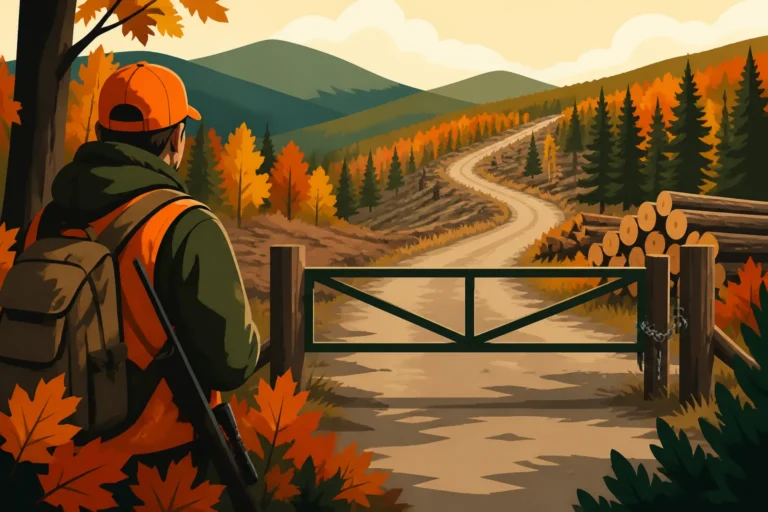
You've done your scouting, found a promising logging road snaking deep into a WMA or national forest, and you drive up to find a locked gate. Frustrating, right? This is the "closed gate reality" many of us face. These gates are typically there for a reason, whether it's to protect fragile ecosystems, prevent illegal dumping, or simply to manage the flow of traffic on roads not built for public recreational use. In many cases, these roads are not designed to withstand heavy ATV traffic, leading to erosion, habitat degradation, and user conflicts.
Even if a gate is open, or there's no gate at all, it doesn't automatically mean ATV access is permitted. The default assumption on most Vermont forest roads, particularly those that aren't clearly signed as part of the VASA trail system, should be that ATVs are not allowed. The onus is on you, the rider, to confirm legal access. This often means consulting official maps from the land manager (Forest Service for GMNF, Fish & Wildlife for WMAs, etc.), or specific VASA maps if you're looking for recreational trails. Hoping for the best or following someone else's tracks is a gamble that rarely pays off in the long run.
Navigating the Specific Regulations for ATV Use
So, you've identified a place where you think ATVs are permitted, or you're planning to ride on a designated VASA trail. Great! But before you even load up, there's a whole host of regulations you need to be aware of. Vermont takes its ATV rules seriously, and for good reason—safety, environmental protection, and preserving access for all users are top priorities. Skipping these steps isn't just risky; it's irresponsible and can jeopardize access for everyone down the line.
Permitting and Registration: What You Need Before You Ride
First things first: your ATV needs to be registered. This isn't just a suggestion; it's a legal requirement to operate any ATV in Vermont. This process is usually handled through the Vermont Department of Motor Vehicles. You'll need to have your registration decals displayed clearly on your machine. This helps law enforcement quickly identify legally operating vehicles and distinguish them from those being used illegally.
Beyond state registration, if you plan to ride on the VASA trail system, you'll also need a VASA trail pass. This pass is what grants you access to their network and contributes to the maintenance and insurance of those trails. It’s a separate requirement from your state registration, so don't confuse the two. Think of it like needing both a fishing license and a trout stamp – one gets you the basic right, the other opens up specific opportunities. Make sure to check the current costs and requirements for both before you head out. For general hunting licenses, you can refer to Vermont Hunting Licenses and What They Cost.
Seasonality and Hours of Operation: Timing is Everything
Unlike a car you can drive any time on a paved road, ATV access on many forest roads and designated trails is often seasonal and can even be restricted by specific hours. Many VASA trails, for example, have opening and closing dates tied to weather conditions, landowner agreements, or hunting seasons. Riding outside these periods can cause significant damage to trails, especially during wet conditions when the ground is soft. This leads to erosion and deep ruts, making trails impassable and earning the ire of landowners and other users.
It's not uncommon for trails to close during mud season (spring thaw) or when conditions are overly dry, creating fire hazards. Always check the VASA website or local club notices for the most up-to-date information on trail openings and closures. When considering forest roads not on the VASA system, the default is usually "closed" to recreational ATV use entirely, regardless of the season. Even if it's the middle of summer and the road looks dry, it's highly unlikely it's open for ATV travel without specific permission or designation. Hunting a Bow During the Rifle Season Overlap discusses complexities in season timing for hunting, and ATV rules have similar layers.
Equipment Requirements and Safety Gear
Vermont has specific requirements for the equipment on your ATV and the safety gear you must wear. This isn't just about avoiding a ticket; it's about keeping you safe. For instance, all ATV operators and passengers must wear an approved helmet. Eye protection is also typically required. These are non-negotiables. Beyond personal safety gear, your ATV itself needs to meet certain standards. This includes having proper working headlights and taillights, an adequate muffler to keep noise levels down, and functional brakes.
Operating an ATV that's overly loud or emitting excessive exhaust fumes can not only net you a ticket but also generates ill will among other outdoor enthusiasts and landowners. Part of being a responsible ATV rider, especially in a state like Vermont where access is often granted by private landowners, is being a good neighbor. This means minimizing your impact, which includes noise and emissions. Remember, it's about shared use and showing respect for the environment and other people trying to enjoy the outdoors, whether they're hiking, birdwatching, or Shed Hunting on Vermont Public Land.
Consequences of Non-Compliance and Responsible Riding
It's easy to think of regulations as bureaucratic red tape, but when it comes to ATVs on Vermont's forest roads, they exist for concrete reasons. Ignoring them doesn't just put you at risk of a fine; it jeopardizes access for everyone and damages the very environment we seek to enjoy. Understanding the impact of illegal riding is key to fostering a culture of responsible use and protecting our shared resources.
Penalties for Illegal ATV Use: It's More Than a Slap on the Wrist
Vermont law enforcement, including game wardens and state troopers, are serious about illegal ATV operation. The penalties for riding where you shouldn't be can be significant. We're not talking about a minor parking ticket here. Fines for unregistered operation, riding on closed trails, or trespassing on private land can quickly add up to hundreds or even thousands of dollars. Repeated offenses can lead to your ATV being impounded, or your riding privileges revoked. Imagine losing your hunting license because of an ATV infraction – that's a real possibility for serious or repeat offenders.
Beyond financial penalties, there are often legal costs associated with defending yourself in court, and the time and stress involved are considerable. It's a heavy price to pay for what might seem like a shortcut or a harmless joyride. These penalties serve as a deterrent, yes, but they also reflect the real damage that can be done to land, wildlife, and landowner relations by irresponsible ATV use. You can read up on Vermont Wildlife Violation Penalties for a broader understanding of what illegal activities might entail.
Environmental Impact and Hunter/Landowner Relations
The natural beauty of Vermont is a huge draw, and illegal ATV use directly threatens it. Riding off-trail, or on undesignated forest roads, can cause severe erosion, especially on steep slopes or near waterways. This erosion degrades water quality, harms aquatic habitats, and can even contribute to landslides. ATVs can also compact soil, damaging root systems and preventing forest regeneration. The spread of invasive species is another major concern, as mud and plant fragments clinging to tires can introduce non-native plants to pristine areas.
From a hunter's perspective, irresponsible ATV use can severely damage our reputation and, more importantly, our access. Landowners who might otherwise be open to granting hunting permission are quick to close their gates if they see evidence of ATVs tearing up their property or hear about noise complaints. This creates a negative perception of all outdoor recreationists, making it harder for honest hunters to find places to pursue game. Building and maintaining good relationships with landowners is vital, and illegal ATV use undermines those efforts immediately. Knocking on Doors in Champlain Valley Farm Country covers how important those relationships are.
Ethical Riding: Protecting Access for Everyone
Ethical riding isn't just about following the law; it's about being a good steward of the land and a respectful member of the outdoor community. This means staying on designated trails, riding quietly and at appropriate speeds, and always packing out what you pack in. If you encounter hikers, mountain bikers, or horseback riders, slow down, yield the right-of-way, and be courteous. We're all out there to enjoy nature, and mutual respect goes a long way.
For hunters, especially, remember that your actions reflect on the entire hunting community. An ATV is a tool, and like any tool, it can be misused. When you're out there, whether you're using an ATV legally on a VASA trail or simply accessing public land on foot, you are an ambassador for hunters. Protecting access means showing that we are responsible, respectful, and committed to preserving Vermont's natural resources for future generations.
Planning Your ATV Adventure: Tools and Best Practices
So, what's a hunter or outdoor enthusiast to do if they want to incorporate an ATV into their Vermont adventures without breaking the rules? It all comes down to careful planning, utilizing the right tools, and a healthy dose of diligence. Don't just assume; investigate. This proactive approach will save you headaches, protect access, and ensure your time outdoors is spent enjoying, not worrying.
Mapping Your Route: Utilizing Technology like onX Hunt
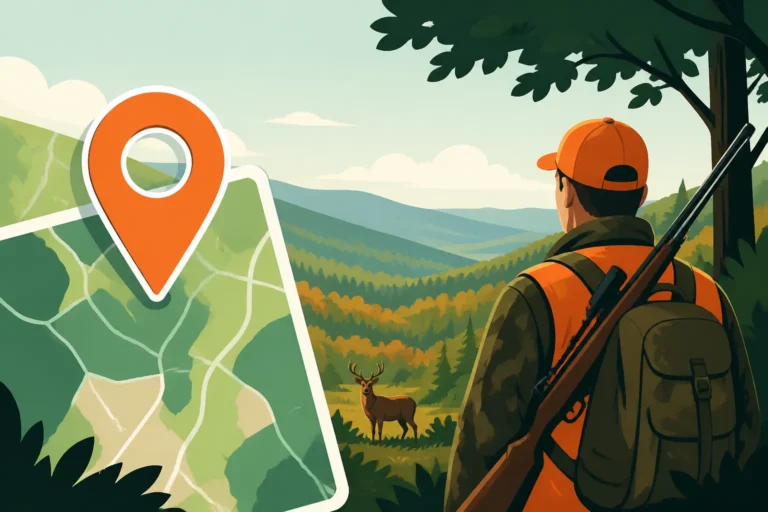
In today's world, technology is your best friend when it comes to understanding land ownership and access. Forget guessing games; leverage mapping apps to know exactly where you stand. Tools like onX Hunt are absolutely invaluable for this. Their detailed public and private land layers allow you to see property boundaries, identify state forests, WMAs, and Green Mountain National Forest lands, and crucially, distinguish between them. You can toggle layers to see designated trail networks, although remember that VASA trails are often separate and require their own specific maps. onX Layers for Vermont Land Status can be a lifesaver here.
When planning an ATV route, I always recommend using a robust mapping app like onX Hunt to cross-reference designated trails with property lines. Look for clearly marked VASA trails. If a "forest road" isn't specifically marked as an ATV route, assume it's closed. You can even drop pins to mark potential access points, check contours, and plan alternative routes if you encounter unexpected closures. This kind of detailed reconnaissance, done from the comfort of your home, can save you hours of frustration and potential legal trouble in the field.
Checking Local Regulations and Forest Service Bulletins
Even with great mapping apps, you can't rely solely on them. Regulations change, trails close due to weather or maintenance, and temporary restrictions are put in place. Before every ATV outing, you need to check the most current information from the relevant authorities. This means:
- VASA Website/Local Club Pages: For designated ATV trails, VASA and its local clubs are your primary source for up-to-date trail conditions, openings, and closures.
- Vermont Fish & Wildlife Department: For WMAs and state forests, check their website for specific regulations, often found under "hunting areas" or "wildlife management areas." They might have specific information on Public Hunting Land in Vermont.
- Green Mountain National Forest (GMNF) Website: For federal forest roads, check the GMNF website directly. Look for their "motorized vehicle use maps" (MVUMs), which are the official documents showing where motorized travel is permitted. These maps are usually updated annually and are the definitive guide for legal use.
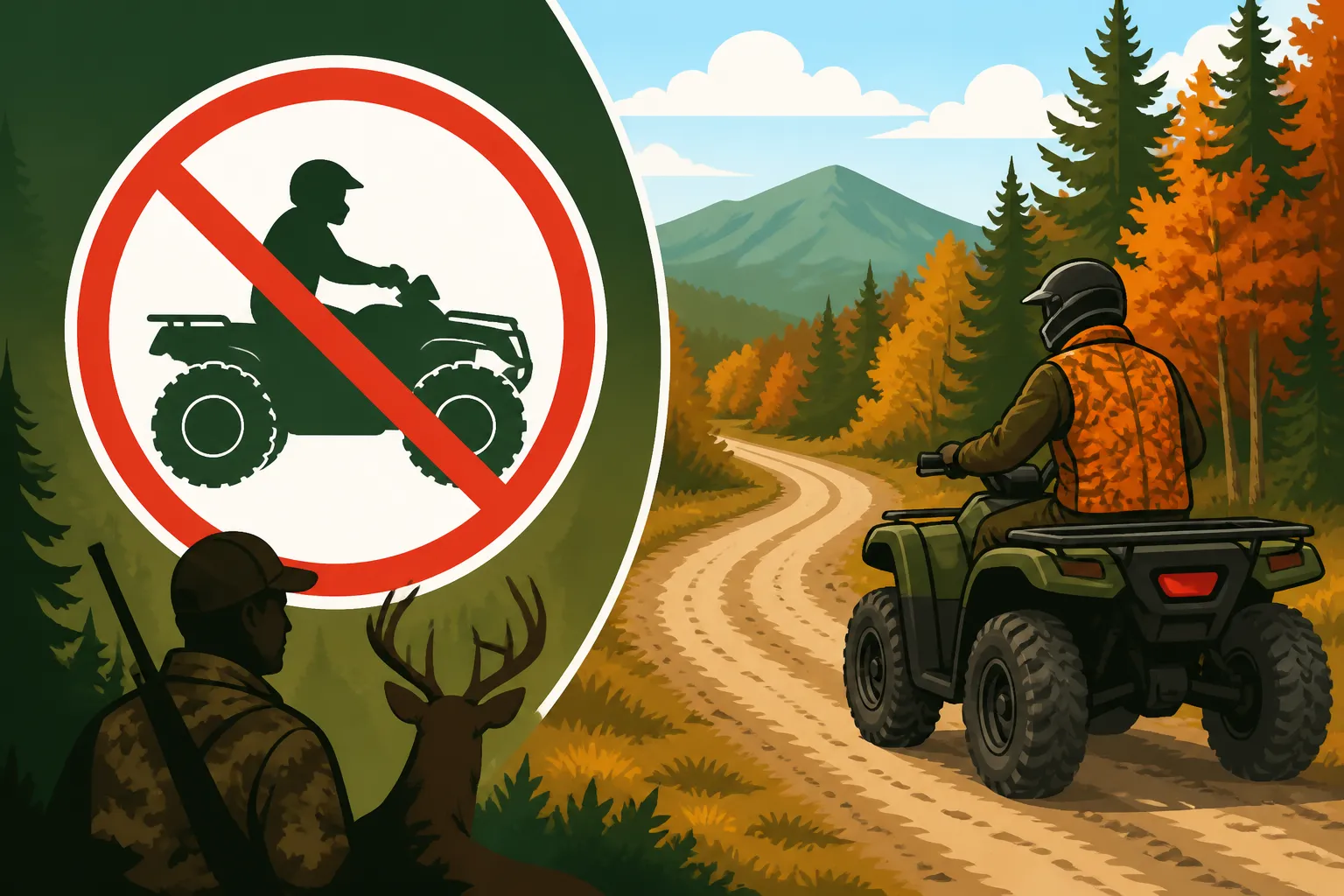
- Signage: Once you're on the ground, always respect posted signs. Even if your map says a road is open, a new sign might indicate a temporary closure or a change in rules. "No Trespassing" signs or "No Motorized Vehicles" signs override anything else you might think you know.
The Importance of Scouting and 'Boots on the Ground'
While mapping apps and online research are indispensable, nothing beats actually scouting the area on foot before you ever consider bringing an ATV. If your goal is to use an ATV for hunting access, walk the access roads you're considering. Look for signs, observe the terrain, and get a real feel for the area. This "boots on the ground" approach helps you verify information, understand conditions firsthand, and make informed decisions.
Sometimes, what looks like a perfect ATV trail on a map is a washed-out logging road or has recently been gated. By scouting ahead, you avoid potential dead ends and illegal access points. It also gives you a chance to see if there's any recent logging activity, which can change access rapidly, or if any new private property boundaries have been posted. Knowing Finding Vermont Property Lines is crucial, and confirming them on the ground prevents accidental trespass. A little extra effort in scouting can prevent a lot of headaches and keep you on the right side of Vermont's ATV rules.
| Rule Category | Green Mountain National Forest (Federal) | Vermont State Forests/WMAs (State) | VASA Designated Trails (Club/Private) |
|---|---|---|---|
| ATV Access | Only on designated MVUM routes | Generally prohibited on forest roads | Specific, signed trail network only |
| Permit/License | ATV registration, operator license required | ATV registration, operator license required | State registration + VASA trail pass required |
| Seasonality | Varies by MVUM, weather, and specific routes | Typically prohibited year-round for recreational use | Specific open/close dates, often seasonal |
| Safety Gear | Helmet, eye protection mandatory | Helmet, eye protection mandatory | Helmet, eye protection mandatory |
| Primary Use | Administrative, limited recreation on MVUMs | Non-motorized recreation, administrative | Organized recreational ATV riding |
| Resource to Check | GMNF MVUMs (Motor Vehicle Use Maps) | VT Fish & Wildlife/FPR websites | VASA website, local club pages |
| General Stance | Assume closed unless explicitly signed as open | Assume closed unless explicitly permitted (rarely) | Assume open only if clearly signed VASA trail |
Disclaimer
This article is for general informational purposes only and does not constitute professional advice. Laws, prices and regulations vary by location and change over time. Consult a qualified professional for guidance on your specific situation.