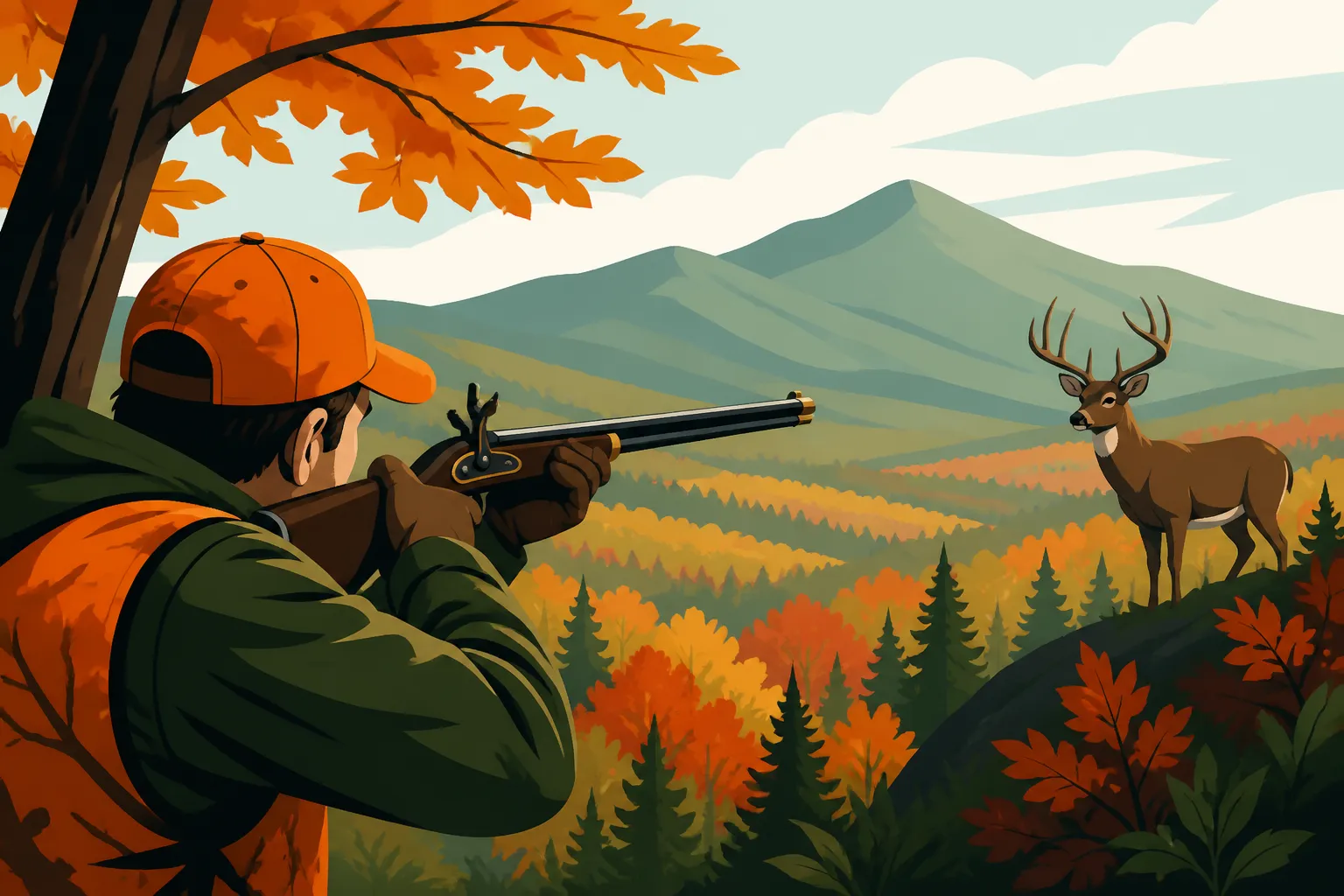
Muzzleloader Deer Hunting in Vermont
Muzzleloader hunting in Vermont can feel like a daunting challenge, a journey back to a more primitive style of hunting that demands precision, patience, and a deep understanding of your equipment. Many hunters get discouraged by the perceived limitations, the single-shot nature, or the specific regulations that vary from our more conventional seasons. This guide aims to demystify muzzleloader deer hunting in the Green Mountain State, providing seasoned insights and practical advice to help you embrace this unique and rewarding pursuit.
Understanding Vermont's Muzzleloader Seasons
Vermont offers two distinct muzzleloader deer seasons, each with its own set of rules, objectives, and unique hunting opportunities. It's crucial to understand the nuances of both to maximize your chances of success and ensure you're hunting legally and ethically. Many hunters lump "muzzleloader" into one category, but in Vermont, these are truly separate experiences.
The October Antlerless-Only Muzzleloader Window
This early season, typically a short window in mid-to-late October, is specifically designed to manage the deer herd, particularly the antlerless population. It's often the first opportunity many hunters have to put venison in the freezer before the more popular rifle season. This season is usually about controlling deer numbers and providing early hunting opportunities. It’s not about trophy bucks; it’s about responsible herd management and filling the tag you drew for an antlerless deer.
During this period, hunters are restricted to harvesting antlerless deer only, meaning any deer without antlers, or with antlers less than three inches in length. This requirement often means you need to exercise extreme patience and positive identification before taking a shot, which can be tough when the woods are still thick. The weather in October can be incredibly variable; you might have crisp, cool mornings perfect for still-hunting, or you could be dealing with unexpected warm spells that make deer movement unpredictable. Understanding these weather patterns and how deer react is crucial. Additionally, since this is often an antlerless-only tag, it’s important to remember that these are often issued based on local deer population goals, making your participation a direct contribution to sound wildlife management. Many hunters who draw a permit for this season focus on areas known for high deer density, such as agricultural edges or mature hardwood stands. For those looking to understand the specifics of this short but important window, learning about Vermont's October Antlerless Muzzleloader Window is highly recommended.
The December Muzzleloader Season
Following the frenetic pace of the November rifle season, the December muzzleloader season offers a much quieter, often snow-covered, hunting experience. This season, running for about a week in early to mid-December, allows for the harvest of either antlered or antlerless deer, provided you have the appropriate permits. This is where you might find those elusive, late-season bucks still trying to put on weight or seeking out remaining food sources.
The December season often means dealing with colder temperatures and potentially significant snow cover, which presents both challenges and advantages. Snow can make tracking deer much easier, but it also means deer might be yarding up, making them harder to locate if you're not in the right area. The woods are typically much more open now, with leaves fallen, which can help with visibility but also makes you more visible to deer. This season typically requires more robust gear, better cold-weather clothing, and a mental fortitude to brave the elements. It’s a completely different hunt than the October window. The challenges of Hunting Into the December Muzzleloader Close are often offset by the unique opportunities presented by a quieter, snowier woods, where deer sign is etched more clearly for the observant hunter.
Here's a quick comparison of Vermont's two muzzleloader seasons:
| Feature | October Antlerless-Only Muzzleloader Season | December Muzzleloader Season |
|---|---|---|
| Typical Dates | Mid-to-Late October (short window) | Early-to-Mid December (approx. 7 days) |
| Allowed Harvest | Antlerless Deer Only | Antlered or Antlerless Deer |
| Required Permits | Regular hunting license + specific antlerless permit (if required for zone) | Regular hunting license + muzzleloader tag (antlered or antlerless permit may be needed) |
| Typical Weather | Variable, mild to crisp, potential rain | Cold, snow likely, potential deep snow |
| Vegetation Cover | Moderate to heavy leaf cover | Deciduous leaves mostly down, more open |
| Primary Objective | Herd management, early venison | Late-season buck opportunities, herd management |
| Hunting Pressure | Generally lower than rifle season | Very low |
Gear Up for Success: Muzzleloader Essentials
Muzzleloader hunting isn't just about grabbing an old musket. Modern muzzleloaders are incredibly capable, but choosing the right firearm, projectile, and powder is essential for accuracy, reliability, and safety in Vermont's diverse hunting conditions. Don't underestimate the importance of understanding your chosen setup completely.
Choosing Your Muzzleloader: In-line vs. Traditional
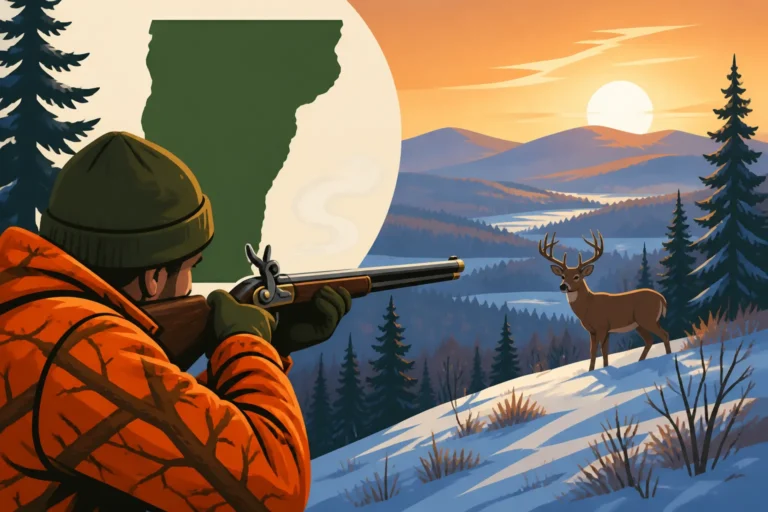
The world of muzzleloaders has evolved significantly. While traditional flintlock or percussion cap side-lock rifles are legal and certainly add to the historical challenge, most Vermont hunters opting for muzzleloader season choose an in-line muzzleloader. These modern firearms resemble centerfire rifles more closely, with the primer igniting the powder directly in line with the bore, leading to increased reliability and accuracy, especially in adverse weather.
In-line muzzleloaders from brands like CVA, Traditions, and Thompson/Center are popular choices. They often feature synthetic stocks, corrosion-resistant finishes, and modern rifling that can stabilize heavier, more aerodynamic projectiles. When considering your purchase, think about ease of cleaning, weather resistance, and trigger quality. A reliable, accurate in-line can make all the difference when that single shot counts. For those weighing their options, understanding Choosing a Muzzleloader for Two Different Seasons can help align your choice with your hunting goals and the specific conditions you'll face.
Projectiles, Powder, and Primers
This is where the magic happens, and also where many new muzzleloader hunters get tripped up. The combination of projectile, powder charge, and primer is critical for accuracy.
- Projectiles: Forget the round balls of yesteryear, unless you're truly going for a traditional experience. Modern muzzleloaders typically excel with saboted bullets or full-bore conical bullets. Sabots encase a smaller-diameter projectile (often a .45 or .40 caliber bullet) in a plastic sleeve, allowing it to be shot through a .50 caliber barrel. This improves ballistic coefficient and accuracy. Full-bore conicals, like PowerBelt bullets, are designed to engrave the rifling directly, offering a simpler loading process and excellent performance. For Vermont whitetails, a 250-300 grain projectile is a good starting point, providing ample kinetic energy for humane harvests.
- Powder: Black powder is the original, but modern alternatives like Pyrodex, Triple Seven, and Hodgdon's BH209 are far more popular. These "black powder substitutes" are less corrosive, produce less fouling, and are often more consistent. BH209, in particular, has gained a loyal following for its clean-burning properties and consistency, making it feel very much like shooting a cartridge rifle. Always consult your muzzleloader's manual for recommended powder types and maximum charges. Most hunters use either loose powder measured with a powder measure or pre-measured powder pellets, which offer convenience and consistency.
- Primers: In-line muzzleloaders typically use 209 shotshell primers, which are hot and reliable. Ensure your firearm is designed for 209 primers, as some older models might use percussion caps. Keeping your primers dry is paramount – a single damp primer can lead to a frustrating misfire.
The intricacies of powder, primer, and projectile are often best discovered through rigorous range testing. Don't just pick a load and assume it's good; spend time at the range finding what combination your specific rifle likes. This will build confidence and ensure ethical shots in the field.
Optics and Sighting for Muzzleloader Hunting
Accuracy is king, especially with a single-shot firearm. How you sight in your muzzleloader and what optics you choose can drastically impact your effectiveness in Vermont’s challenging terrain and dense cover.
Open Sights vs. Scopes
Vermont's regulations allow for the use of scopes on muzzleloaders, which is a significant advantage for many hunters. While open sights (iron sights) demand a higher level of shooting skill and limit your effective range, a low-power variable scope (e.g., 1-4x or 2-7x) can drastically improve precision, especially in low light conditions or when trying to discern antler points or confirm antlerless status. A scope can also aid in shooting accurately at various ranges, accounting for the ballistic arc of a muzzleloader projectile.
However, if you do opt for a scope, ensure it's robust enough to handle the recoil of a muzzleloader and can maintain zero. Consider a scope with generous eye relief and clear glass. Some purists prefer the challenge of open sights, and with proper practice, they are certainly effective at typical muzzleloader ranges (generally under 100 yards). But for consistent accuracy and confidence, a scope is often the practical choice. When considering a scope, it's beneficial to look into resources like Best Muzzleloader Scope for Timber Shots to pick one that will stand up to the rigors of a Vermont hunt.
Rangefinders for Muzzleloader Distances
Understanding your muzzleloader's trajectory is paramount. Unlike modern centerfire rifles with flatter trajectories, muzzleloader projectiles drop significantly at longer ranges. A quality laser rangefinder is an indispensable tool, allowing you to instantly determine the exact distance to your target. This information is critical for making accurate holdover adjustments.
Before hitting the woods, spend extensive time at the range, practicing shots at various known distances (50, 75, 100, 125 yards) and documenting your bullet drop. Create a small range card or memorize your holdovers. When a deer steps out, quickly range it, and then make a confident shot. Don't guess. Many experienced hunters find that mapping tools, like those offered by GoHunt, can also provide approximate distances in certain terrain during scouting, which can be useful when planning stand locations or stalking routes, though always confirm with a laser rangefinder in the field.
Strategic Scouting for Muzzleloader Deer
Effective scouting is the bedrock of successful muzzleloader hunting in Vermont. Because you're often hunting during periods of significant environmental change (October's changing leaves, December's snow), understanding deer behavior and habitat use during these specific windows is critical.
Reading the October Woods
In October, leaves are changing color and beginning to fall, but there's still a good amount of cover. Deer are still largely on summer patterns, though they may start to shift towards hard mast (acorns, beechnuts) if it's available. The mild weather means deer are often active during morning and evening, but may bed down in thick cover during the day. Focus your scouting on:
- Food Sources: Identify areas with significant mast crops. Beech ridges, oak flats, and abandoned apple orchards are prime spots. Deer will gravitate to these areas.
- Transition Zones: Look for edges where different habitat types meet – where hardwoods meet softwoods, where open fields meet dense timber. Deer use these edges for travel and security.
- Water Sources: Even in October, deer need water. Ponds, creeks, and beaver flowages can be reliable indicators of deer presence.
- Sign: Fresh rubs, scrapes, and abundant scat indicate active deer travel and feeding areas. While the rut hasn't fully kicked in, some early buck sign might start to appear, indicating resident deer.
Scouting in October means paying close attention to wind direction, especially if you plan to still-hunt or use a stand. The variable breezes of autumn can carry your scent far, so careful entry and exit routes are non-negotiable.
Decoding the December Landscape
December presents an entirely different challenge and opportunity. Snow cover, if present, can be your best friend. Deer will be focused almost entirely on remaining food sources and seeking thermal cover to escape the cold. Your scouting strategy should adapt:
- Late-Season Food: Focus on overlooked food sources. Browse, evergreen shrubs, standing corn fields (if available), or lingering mast under snow are key. Deer will hit these areas hard. Locations known for Late-Season Food Sources for Vermont Whitetails become high-priority areas now.
- Thermal Cover and Deer Yards: As temperatures drop and snow deepens, deer will seek shelter in dense conifer stands (hemlock, spruce, fir) known as deer yards or wintering areas. These thickets offer protection from wind and snow, and you'll often find a concentration of deer sign around their edges. Learning to Reading a Green Mountain Deer Yard is essential for December success.
- Tracks in the Snow: Fresh snow is a tracker's paradise. Follow fresh tracks to determine deer travel patterns, bedding areas, and feeding locations. This can be an incredibly effective way to locate deer, especially those elusive bucks.
- Travel Corridors: Deer will use the path of least resistance in deep snow. Look for trails along ridge lines, old logging roads, or natural funnels between bedding and feeding areas.
During December, the woods are quieter, but your movements are more easily detected. Still-hunting becomes an exercise in extreme patience, focusing on moving slowly and observing widely. Using mapping tools like those in the GoHunt app can help identify public land access points and different habitat types, allowing you to narrow down potential scouting areas from home.
Mastering Muzzleloader Techniques in the Field
Muzzleloader hunting is often about getting closer, making that single shot count, and adapting to the conditions. It demands a different mindset than hunting with a repeater.
Still-Hunting and Stalking
With only one shot, getting within reliable range is paramount. This often means employing still-hunting or stalking tactics, especially in Vermont's dense woods.
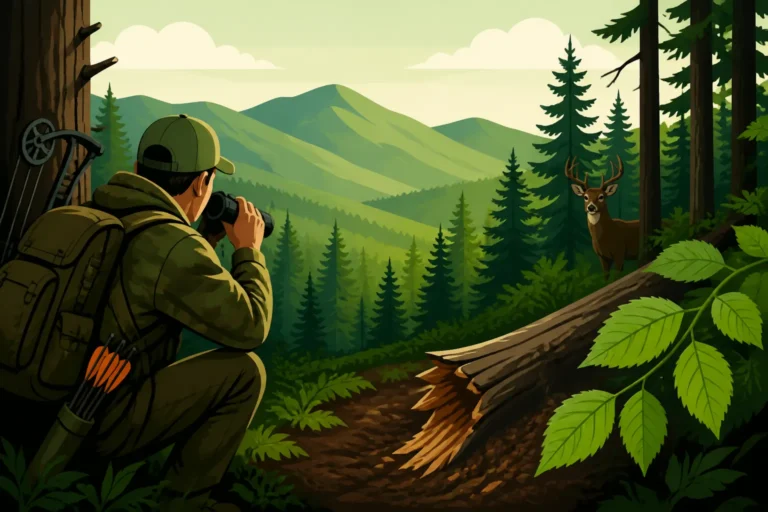
- Still-Hunting: This involves moving very slowly through the woods, taking a few steps, then pausing for several minutes to observe your surroundings. Use your binoculars to pick apart every shadow, every downed log, every patch of thick cover. Look for horizontal lines (a deer's back) in a vertical world (trees). Listen for subtle sounds – a rustle of leaves, a twig snap, a deer blowing. The key is to see the deer before it sees you. This technique is particularly effective in the more open December woods where visibility is better but deer movement is subtle.
- Stalking: If you spot a deer at a distance, stalking involves carefully closing the gap to get within your effective shooting range. This requires extreme stealth, utilizing terrain features for cover, moving when the deer's head is down or obscured, and being acutely aware of wind direction. Every step must be planned, every movement deliberate. The difficulty of stalking increases with heavy leaf litter in October, but can be aided by fresh snow in December, which muffles footsteps.
Both techniques demand patience and a deep connection to your surroundings. Remember, if you get busted, that single shot is much harder to make effectively.
Stand Hunting Strategies
While still-hunting is often romanticized, strategically placed treestands or ground blinds can be incredibly effective for muzzleloader hunting, especially if you've done your scouting well.
- Treestands: Position a treestand overlooking key food sources, transition zones, or active travel corridors. In October, a stand overlooking an apple orchard or a well-used trail between bedding and feeding areas is prime. For December, consider stands near thermal cover or late-season browse. Accessibility is key, as you want to minimize disturbance going to and from your stand. Always ensure your stand is placed safely and you're using a full-body harness.
- Ground Blinds: Ground blinds offer excellent concealment and can be a lifesaver in bitter December winds. Brush them in well, making them blend naturally into the surroundings. Place them along field edges, pinch points, or near known deer crossings. Remember, deer will spot anything new quickly, so put blinds out well in advance if possible. For both stand and blind hunting, wind direction is your absolute top priority. One gust of wind in the wrong direction can ruin your hunt. Using a ground blind can be particularly effective on public land where fixed stands aren't always practical, as discussed in Using a Ground Blind on Public Land.
Navigating Regulations and Reporting
Successfully hunting in Vermont means understanding and adhering to the state's specific hunting regulations. Muzzleloader season has its own rules, and ignorance is no excuse.
Licensing, Permits, and Blaze Orange
To hunt during Vermont's muzzleloader seasons, you'll need a valid Vermont hunting license, along with a separate muzzleloader tag. For the October antlerless season, you'll also need an antlerless permit specific to the Wildlife Management Unit (WMU) you plan to hunt, if one is required for that zone. These permits are allocated through a lottery system or sometimes available over-the-counter depending on deer density goals for a given WMU. It's crucial to apply for these antlerless permits well in advance.
Blaze Orange: Vermont has strict blaze orange requirements. During the muzzleloader seasons, all hunters are required to wear at least 500 square inches of blaze orange above the waist, visible from all sides. This includes both the October and December seasons. Even if you're bowhunting during the rifle season overlap, blaze orange is a must. This isn't just a rule; it's a critical safety measure that protects all hunters in the field.
| Requirement | October Antlerless Muzzleloader Season | December Muzzleloader Season |
|---|---|---|
| Hunting License | Required | Required |
| Muzzleloader Tag | Required | Required |
| Antlerless Permit | Required (check WMU availability) | May be required for antlerless deer (check WMU) |
| Blaze Orange/Pink | 500 sq. inches above waist | 500 sq. inches above waist |
| Legal Game | Antlerless deer only | Antlered or Antlerless deer |
For detailed information on license types and costs, refer to Vermont Hunting Licenses and What They Cost. Always double-check the current year's regulations on the Vermont Fish and Wildlife Department website or in their hunting guide, as rules can change annually.
Deer Reporting Requirements
Vermont takes deer reporting seriously, and it’s a crucial component of their deer management strategy. After successfully harvesting a deer during either muzzleloader season, you are legally required to report it within 48 hours.
The easiest way to do this is online through the Vermont Fish and Wildlife Department's website or via their official mobile app. You'll need information like your license number, the date and time of harvest, the WMU, and details about the deer (sex, antler points). Some check stations may still be operational, but online reporting is now the primary method. Failing to report your deer is a violation and can result in penalties. Accurate reporting ensures wildlife biologists have the data they need to set future seasons and permit allocations, so your compliance directly benefits the resource. Keeping track of the Vermont Deer Reporting Requirements is a critical part of being a responsible hunter.
Overcoming Common Muzzleloader Challenges
Muzzleloader hunting comes with its unique set of quirks and frustrations. Don't let these common issues derail your hunt; knowledge and preparation are your best defenses.
Misfires and Hangfires
One of the most common anxieties for muzzleloader hunters is a misfire – when the primer sparks but the powder doesn't ignite. A hangfire, where there's a delay between the primer firing and the main charge igniting, is equally unsettling and dangerous. Both are usually due to one of a few factors:
- Damp Powder or Primer: Moisture is the enemy. Keep your powder dry by storing it in a waterproof container. Ensure your primers are clean and dry. Many hunters carry spare primers in a sealed, waterproof container.
- Fouling: Excessive carbon buildup in the breech area can prevent the primer's spark from reaching the powder. Clean your breech plug thoroughly after every few shots at the range, and certainly before going afield.
- Poor Seal: If your projectile isn't seated firmly on the powder charge, or if there's a void, it can lead to inconsistent ignition or even a dangerous situation (known as a "short start"). Always ensure your bullet is seated flush against the powder.
If you experience a misfire, do not immediately open the breech or look down the barrel. Keep the muzzle pointed in a safe direction and wait for at least 30-60 seconds to rule out a hangfire. Then, you can safely attempt to re-prime and fire, or carefully unload the firearm according to the manufacturer's instructions. A reliable method for Keeping a Muzzleloader Dry in Late-Fall Rain is essential, especially during Vermont's often wet October and December conditions.
Accuracy Issues and Consistency
Achieving consistent accuracy with a muzzleloader requires meticulous attention to detail. Unlike centerfire rifles, where factory ammo offers a high degree of consistency, with a muzzleloader, you are the ammunition factory.
- Load Development: As mentioned earlier, finding the right combination of powder, projectile, and primer for your specific rifle is crucial. Don't just pick a generic load; experiment at the range.
- Cleaning Regimen: Consistency in cleaning between shots can affect accuracy. Some muzzleloaders perform best with a clean bore every shot, others prefer a fouled bore after a few shots. Figure out what your rifle likes and stick to it.
- Loading Technique: Be consistent in how you load. Use the same pressure to seat the bullet each time. Inconsistent seating pressure can lead to flyers.
- Shooting Fundamentals: All the basic shooting fundamentals apply: steady rest, proper breath control, smooth trigger pull. Any flinch or inconsistency will be magnified by the slower lock time of a muzzleloader.
Practice, practice, practice. The more you shoot your muzzleloader, the more familiar you'll become with its quirks and capabilities, and the more confident you'll be when that deer steps out.
Field Care and Post-Harvest Considerations
A successful hunt doesn't end when you pull the trigger. Proper field care and handling of your harvested deer are vital, especially during the varying temperatures of Vermont's muzzleloader seasons.
Immediate Field Dressing
As soon as you've confirmed your deer is down, the clock starts ticking, especially if temperatures are mild in October or unseasonably warm in December. Prompt field dressing is critical to preserve the quality of the venison.
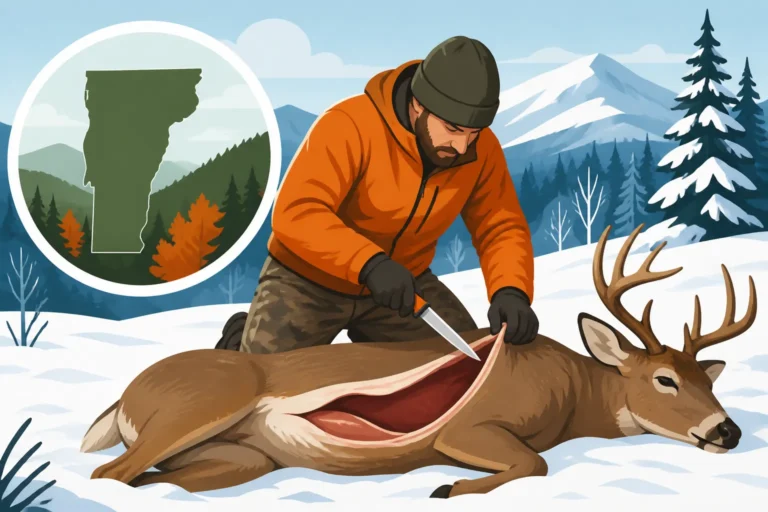
- Remove Organs: Quickly and cleanly remove all internal organs. This allows the carcass to cool rapidly, preventing bacterial growth that can spoil meat.
- Clean Cavity: If possible, wipe out the body cavity with clean cloths or snow to remove any excess blood or debris. Avoid using water if you can, as it can promote bacterial growth unless the carcass can dry quickly.
- Tagging: Immediately affix your valid deer tag to the deer as required by Vermont law.
For larger bucks or in dense cover, consider quartering the animal in the field to make extraction easier. Remember, dragging a deer through rough terrain can damage the meat and make cleaning more difficult later. Knowing how to efficiently Field Dressing a Deer in Cold Weather is a skill that pays dividends, regardless of the season.
Transportation and Registration
Once field dressed, you need to transport your deer home or to a registration station (if using a physical station) efficiently.
- Protect the Meat: Keep the carcass clean. If dragging, consider using a deer sled or a tarp to prevent dirt and debris from contaminating the meat. In December snow, a sled is invaluable for protecting the hide and meat from abrasion.
- Cooling: If temperatures are above freezing, getting the deer cooled down quickly is paramount. Hang the deer in a cool, shaded area, or use ice packs if necessary. Avoid leaving it in the sun or in a hot vehicle.
- Registration: As discussed, register your deer within 48 hours using the online system or app. This final step completes your legal obligation and contributes to wildlife management data.
After registration, consider aging your venison in a controlled, cool environment (ideally 35-40°F) for several days to a week. This process tenderizes the meat and enhances its flavor. Then, it's time for butchering and packaging to enjoy the fruits of your muzzleloader hunt!
Disclaimer
Please remember that hunting regulations, dates, and requirements can change. Always consult the most current Vermont Fish and Wildlife Department regulations and publications before heading afield. This guide is for informational purposes only and should not be considered a substitute for official state regulations. Be safe, hunt ethically, and enjoy the rich tradition of muzzleloader hunting in Vermont.