Green Mountain Ridgeline Public Access
The allure of Vermont's Green Mountain ridgelines for hunting is undeniable, yet finding reliable public access and understanding how to effectively hunt this challenging terrain can be a real headache. Many hunters dream of tagging a mature buck high on a remote ridge, far from the pressure of easily accessible areas, but get bogged down by the sheer difficulty of figuring out where they can legally go and how to approach these steep, rugged environments. This comprehensive guide is here to demystify hunting Green Mountain ridgelines, focusing on identifying public access points, navigating the unique landscape, and sharing effective strategies to help you connect with game in Vermont's high country.
Understanding Vermont's Green Mountain Ridgelines
Vermont's Green Mountains aren't just a scenic backdrop; they're a complex and challenging ecosystem that offers incredible hunting opportunities for those willing to put in the effort. The ridgelines, in particular, serve as crucial travel corridors, bedding areas, and food sources for various game species, especially deer and bear. But before you lace up your boots, it's vital to understand what makes these areas so distinctive and demanding.
The Unique Terrain and Challenges
Hunting Green Mountain ridgelines isn't like still-hunting a flat woodlot in the Champlain Valley. The terrain here is often characterized by significant elevation changes, rocky outcrops, dense softwood thickets, and mature hardwood stands. You'll encounter steep inclines and descents that test your physical endurance, making every step a calculated effort. The ground can be uneven, covered in fallen timber, or slick with moss and leaves. This ruggedness naturally funnels animal movement, but it also makes human navigation and silent movement incredibly difficult.
Moreover, the weather in the high country can be unpredictable, even during archery season. A crisp, sunny morning can quickly turn into a cold, foggy, or even rainy afternoon. Snow can fall early and persist in higher elevations, adding another layer of challenge. These conditions demand superior physical fitness, a well-planned gear list, and a deep understanding of how animals adapt to and utilize such a demanding environment. It’s not just about finding a deer; it’s about having the grit and preparation to get to the deer, and then get it out.
Identifying Key Ridgeline Features for Hunting
Successful ridgeline hunting hinges on your ability to "read" the mountain. Deer, bear, and other game animals use specific features of ridgelines for security, travel, and feeding. Understanding these natural patterns is your golden ticket.
- Saddles and Notches: These are depressions or low points along a ridgeline, acting as natural funnels where animals cross from one side to another. They are prime ambush points, especially during the rut when bucks are actively cruising. Think of them as natural highways connecting different drainages or bedding areas. Hunting a Ridge-Top Saddle for Rutting Bucks is a prime example of targeting these features.
- Bench Cuts and Terraces: These are relatively flat areas or shelves on a steep hillside. Animals often use them as resting spots, bedding areas, or travel routes parallel to the contour of the mountain, offering easier movement than direct ascents or descents. They can be incredibly subtle, requiring a keen eye or detailed topographic maps to spot.
- Transition Zones: Ridgelines often feature distinct changes in vegetation, such as where a thick spruce stand meets an open hardwood forest. These edges are natural magnets for deer, providing cover, browse, and a clear line of sight. Similarly, areas where rock ledges transition to timber can be excellent spots for rubs, scrapes, and bedding.
- Water Sources: Even on ridgelines, small seeps, springs, or ephemeral streams can be crucial, especially in drier periods. Animals will often travel to and from these water sources, creating predictable patterns of movement.
- Mast Crops and Browse: Hardwood ridges, particularly those with oak or beech trees, provide critical mast crops during the fall. Deer and bear will actively feed on acorns and beechnuts. Knowing how to identify these food sources, especially after a poor acorn year, can lead you directly to where game is concentrated.
By understanding these features, you can begin to piece together a picture of how game uses the ridgeline, even before you set foot on the ground.
Navigating Public Access Points and Regulations
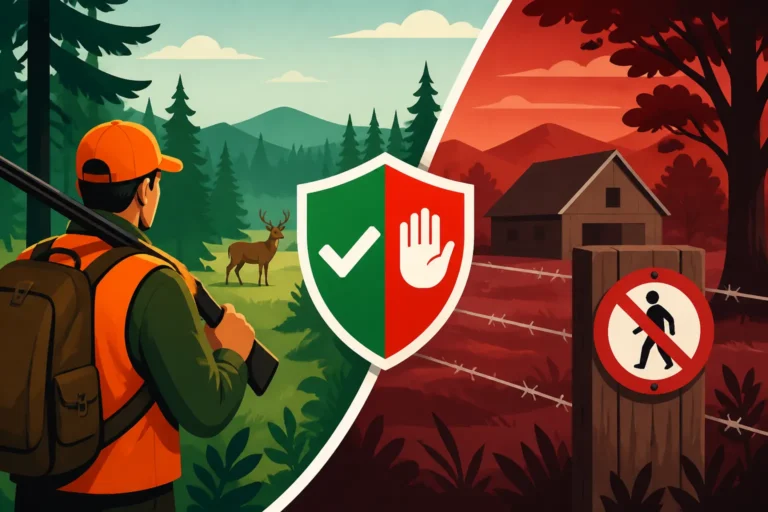
One of the biggest hurdles for any hunter, especially those new to Vermont's high country, is simply knowing where you can legally hunt. Vermont is fortunate to have substantial public lands, but they are not all created equal when it comes to ridgeline access. Knowing how to identify and utilize these areas is crucial.
Mapping Tools and Resources
In today's hunting world, mapping technology is your best friend, especially when tackling remote ridgelines. Tools like onX Hunt and GoHunt have revolutionized how hunters scout and navigate public land.
These apps provide detailed topographic maps, satellite imagery, and critical land ownership data that will be indispensable for your Green Mountain ridgeline hunts. With onX Hunt, for example, you can see public land boundaries clearly defined, often down to the individual parcel. This means you can confidently identify where the Green Mountain National Forest begins and private property ends, helping you avoid accidental trespass. You can mark waypoints for potential stand sites, bedding areas, natural funnels, and even potential escape routes for game or yourself.
GoHunt offers similar robust mapping capabilities, often with layers that can show anything from historical burn areas to timber cuts, which are crucial for identifying prime habitat changes that attract deer. Both platforms allow you to download maps for offline use, which is absolutely essential since cell service is often non-existent on remote ridgelines. Being able to access onX Layers for Vermont Land Status or having maps downloaded means you're never truly lost, even when your phone has no signal. Always remember to scout your intended route and boundaries thoroughly using these digital tools before you head out.
Specific Public Land Areas for Ridgeline Hunting
Vermont boasts significant tracts of public land, with the Green Mountain National Forest (GMNF) being the largest and most relevant for ridgeline hunting.
- Green Mountain National Forest: Spanning over 400,000 acres, the GMNF offers vast opportunities for ridgeline access. It's divided into two main districts: the Manchester Ranger District in the south and the Middlebury/Rochester Ranger District further north. While the forest is large, not all of it is easily accessible, and much of it is wilderness-designated, meaning no motorized vehicles and minimal development. This is where you'll find the truly remote, unpressured ridgelines. You can find detailed information on How Many Acres Green Mountain National Forest Covers and specifics on Green Mountain National Forest's Two Districts to better plan your scouting and hunting trips. Access typically comes from designated parking areas off state or town roads, often requiring significant hiking to reach prime ridgeline spots.
- Vermont Wildlife Management Areas (WMAs): While many WMAs are focused on lowland or wetland habitats, some, particularly those situated in hillier regions, can offer segments of ridgeline hunting. Always check the specific rules and regulations for each WMA, as they can sometimes differ from National Forest land. Many WMAs are designed to provide habitat for various species, and some are large enough to offer a backcountry feel.
- State Forests and Lands: Vermont also has numerous state forests and other state-owned lands where hunting is permitted. These parcels can vary greatly in size and terrain, but some contain significant ridgeline features. The key is research; the Vermont Fish & Wildlife Department website offers maps and details for these areas.
Before heading out, always consult the Vermont Fish & Wildlife Department's official regulations and maps. They often provide valuable insights into access points, parking, and any specific rules that might apply to a given public parcel.
| Public Land Type | Typical Terrain | Access & Features | Best for Ridgeline Hunting? |
|---|---|---|---|
| Green Mountain National Forest | Steep, rugged, mixed timber | Extensive, often remote, limited roads, wilderness areas | Yes, for remote, challenging hunts |
| Wildlife Management Areas | Varied, some hilly sections | Designated parking, habitat management, some remote tracts | Potentially, depending on WMA |
| State Forests | Mixed, some elevated terrain | Marked trails, logging roads, generally more accessible | Good for accessible ridgelines |
Strategies for Successful Ridgeline Hunting
Hunting ridgelines requires a different approach than hunting flatter, more open terrain. Success hinges on precise scouting, understanding animal behavior in steep country, and adapting your hunting techniques to the unique challenges of the Green Mountains.
Scouting and E-Scouting for Ridgeline Bucks
Pre-season scouting is absolutely critical for ridgeline hunting. You can't just wander in and expect to find prime deer country; you need a plan.
Start with e-scouting. Using your mapping apps like onX Hunt, pour over the topography. Look for those saddles, benches, and distinct changes in elevation or cover that create natural pinch points. Identify access roads or trails that will get you to the base of the ridgeline, and then plan potential routes up. Pay attention to how different drainages meet or diverge around a ridgeline. These areas are natural travel corridors. Reading Aerial Photos for Green Mountain Deer can help you visualize these features before you even leave your couch.
Once you have some promising spots identified on your map, it's time for boots-on-the-ground scouting. This is where you confirm your e-scouting observations. Look for fresh deer sign: tracks in mud, fresh rubs on saplings, and established scrape lines. Pay close attention to trails that traverse the ridgeline, especially those connecting bedding areas (often thick, security cover on a leeward slope) to feeding areas (such as a mast-heavy hardwood flat or a secluded clear-cut further down). Evaluate the wind and thermals at different times of day – they behave differently on steep terrain than on flat ground. Wind and Thermals in Steep Green Mountain Terrain will become your bible up there. During your scouting, make mental notes (or better yet, mark them on your app) of potential ambush points, natural blinds, and safe travel routes to and from your hunting locations. Remember, these remote areas often see less pressure, so you might find Finding Ground That Sees Fewer Hunters by venturing further off the beaten path.
Hunting Techniques on Steep Terrain
Once you've done your homework, it's time to adapt your hunting style to the unforgiving nature of Green Mountain ridgelines.
- Still-Hunting: This is perhaps the most effective method for ridgeline hunting. Move slowly, taking one or two steps, then pausing for several minutes to scan, listen, and observe. Use binoculars constantly to pick apart dense cover. The steep terrain means sound travels differently, and animals will often be moving slowly themselves. Embrace the quietness of the woods and let your senses do the work. Still-Hunting Green Mountain National Forest Timber is a classic approach that truly shines in this environment. Pay particular attention to the downwind side of ridges and saddles, as bucks will often use the wind to their advantage.
- Stand Hunting: While more challenging to set up, strategically placed treestands or ground blinds can be deadly on ridgelines. Focus on those natural funnels like saddles, benches, or where distinct cover types meet. Consider how thermals will affect your scent cone at dawn and dusk. For morning hunts, consider setting up lower on the slope, letting your scent rise as the day warms. In the evening, reverse that, setting up higher to let your scent fall with the cooling air. A sturdy, lightweight climbing stand or a well-brushed-in ground blind can be excellent choices, but remember the rules about Treestand Rules on Vermont Public Land on public ground.
- Reading Deer Behavior: On ridgelines, deer often bed just below the crest of a ridge, especially on the leeward side, where they can watch their backtrail and smell anything approaching from below. During feeding times, they'll often move along benches or descend into lower areas with better browse. Understanding these patterns, like Reading a Green Mountain Deer Yard in deep snow, can help you predict their movements.
- Wind and Thermals: This cannot be overstressed. On steep ground, air currents are heavily influenced by the rising and falling of warm and cold air. In the morning, as the sun warms the earth, thermals tend to rise, carrying your scent uphill. In the evening, as the air cools, thermals drop, carrying your scent downhill. You must plan your approach and stand placement to account for these shifting air currents. Always try to approach from downwind, staying mindful of how thermals will change throughout your hunt.
Gear and Safety Considerations for High Country
Hunting Green Mountain ridgelines is physically demanding and often takes you far into remote areas. Having the right gear and a solid safety plan isn't just a suggestion; it's a necessity for a successful and safe hunt.
Essential Gear for Ridgeline Hunts
Your gear choices can make or break a ridgeline hunt. Weight and versatility are key.
- Layered Clothing: Vermont's weather is famously fickle, especially in the mountains. A proper layering system is crucial. Start with a moisture-wicking base layer, add insulating mid-layers (fleece or down), and top it with a waterproof and windproof outer shell. This allows you to shed or add layers as conditions change, preventing you from getting too hot and sweaty on the climb or too cold on a stationary sit. Consider the advice on Layering for Vermont's Long Hunting Season.
- Sturdy Boots: Footwear is paramount. You need high-quality, waterproof, ankle-supporting boots with excellent traction. The uneven, often slippery terrain demands it. Blisters or a twisted ankle miles from the nearest road can end your hunt quickly and dangerously. Look for models specifically designed for mountain hunting. Our article Boots for Green Mountain Ridge Terrain offers excellent recommendations.
- Navigation Tools: Even with e-scouting, a physical map and compass are crucial backups. A GPS unit or a fully charged smartphone with offline maps (like onX Hunt) are indispensable. Do not rely solely on cell service. A satellite communicator is a wise investment for emergency communication in areas without cell coverage.
- Optics: Good binoculars (10×42 or 10×50) are essential for glassing open timber, distant ridgelines, and picking out details in dense cover. A rangefinder is also critical for ethical shots in variable terrain.
- First Aid Kit: A compact but comprehensive first aid kit is a non-negotiable item. Include supplies for blisters, cuts, sprains, and any personal medications.
- Headlamp: For pre-dawn hikes in and post-dusk hikes out, a reliable headlamp with spare batteries is a must.
- Pack: A comfortable, well-fitting backpack that can carry your layers, water, food, and potentially game meat is vital. If you plan to quarter game, a pack with a strong external frame or dedicated meat compartment is ideal.
- Water and Food: Always carry more water than you think you'll need, especially for physically demanding hunts. High-energy snacks are also important to keep you fueled.
Safety First in Remote Mountain Terrain
Hunting ridgelines means venturing into wild, remote areas, and safety should always be your top priority.
- Tell Someone Your Plans: Before you leave, inform a trusted person of your exact hunting location, your planned route, and when you expect to return. Stick to that plan. This is your most basic but most important safety measure.
- Weather Awareness: Check the forecast meticulously before heading out, and be prepared for sudden changes. Don't hesitate to cut a hunt short if conditions become dangerous.
- Blaze Orange: Vermont law requires blaze orange during certain seasons and for certain game. Even if it's not strictly required for your specific hunt (like during some archery seasons), wearing some blaze orange is always a good idea for visibility, especially if other hunters are in the area or if you're hunting during the Vermont's New Archery-During-Rifle Overlap Rule.
- Hypothermia and Dehydration: Be vigilant for signs of these conditions. Staying hydrated and dressed appropriately for the weather is your best defense.
- Wildlife Encounters: While rare, encounters with other wildlife like bears are possible. Carry bear spray and know how to use it, especially in the Northeast Kingdom.
- Emergency Preparedness: Beyond your first aid kit, consider a fire starter, an emergency blanket, and a whistle. Knowing basic survival skills can be invaluable if you get disoriented or injured. Remember, if you get turned around, the Vermont Fish and Wildlife App may still function if you've downloaded maps for offline use, making it easier to navigate Using the Fish and Wildlife App Without Cell Service.
Hunting Green Mountain ridgelines offers a deeply rewarding experience, connecting you with Vermont's wild places in a profound way. It demands respect for the mountains, diligent preparation, and a commitment to safety, but the rewards—the breathtaking views, the solitude, and the satisfaction of earning your game—are truly unmatched.
Disclaimer
This article is for general informational purposes only and does not constitute professional advice. Laws, prices and regulations vary by location and change over time. Consult a qualified professional for guidance on your specific situation.