Habitat Work on Vermont Wildlife Management Areas
It's easy to drive past a freshly logged patch of woods or a new beaver flowage on public land and wonder what on earth is going on, especially if it looks like your favorite hunting spot has been "ruined." But behind these changes on Vermont's Wildlife Management Areas (WMAs) lies a deliberate, science-backed effort to improve habitat for the very game animals we pursue. This guide is all about pulling back the curtain on that vital habitat work, explaining why it's done, how it benefits you, and what kinds of efforts you'll see in the field.
Understanding Vermont's Wildlife Management Areas (WMAs)
Vermont's Wildlife Management Areas are more than just parcels of public land; they are living laboratories and carefully managed ecosystems designed to support a diversity of wildlife. When you hunt on a WMA, you're experiencing the direct results of ongoing efforts to create and maintain prime habitat.
The Core Mission Behind WMAs
At their heart, Vermont's WMAs exist to conserve and enhance wildlife populations and their habitats. This isn't just about ensuring there are enough deer or turkeys for hunters; it's about maintaining healthy, resilient ecosystems where all native species can thrive. Think of it as a holistic approach, where game animals are often indicators of broader ecosystem health. The goals are typically long-term, focusing on sustainability rather than short-term gains.
For instance, a WMA might be managed to create specific forest age classes that benefit a wide array of species. Older, mature forests provide critical denning sites for bears and excellent mast crops for squirrels and wild turkeys, while younger forests offer browse for deer and thick cover for snowshoe hares. Without active management, many landscapes would simply progress to a single, mature forest type, reducing the overall biodiversity. The folks managing these areas are constantly looking at the big picture, considering everything from water quality to invasive species control. It’s a complex dance, but one that ultimately aims to keep our wild spaces vibrant and productive.
Why Habitat Work is Crucial for Vermont's Wildlife
Habitat is the foundation of wildlife survival. Without adequate food, water, cover, and space, animals simply cannot thrive. In Vermont's ever-changing landscape, whether from natural succession, human development, or climate shifts, habitats are constantly in flux. That's where active habitat management comes in. It's not about letting nature "take its course" entirely, but rather about intervening strategically to provide the conditions necessary for robust wildlife populations.
Consider white-tailed deer. They need a variety of habitats throughout the year: dense conifer stands for winter cover, early successional growth for abundant browse, and mature forests for acorns and other hard mast in the fall. If a WMA consists solely of one type of forest, say, mature hardwoods, deer will struggle to find adequate cover in winter or consistent browse year-round. Habitat work, therefore, is about creating this mosaic of different conditions. It’s about manipulating the environment – sometimes with heavy machinery, sometimes with prescribed fire, sometimes with subtle plantings – to ensure that deer, moose, bears, turkeys, and all other species have what they need to complete their life cycles. This proactive approach helps to buffer populations against environmental stresses and ensures there’s always a place for wildlife to call home. If you want to dive deeper into these public lands, check out Vermont Wildlife Management Areas and How Vermont WMAs Are Managed.
Types of Habitat Work You'll Encounter on Vermont WMAs
When you’re out on a WMA, you might see signs of various habitat management projects. These aren't random; they are carefully planned interventions, each with a specific ecological goal in mind.
Forest Management for Deer and Moose
Forest management on WMAs is a big one, especially here in Vermont where timber is such a dominant feature of our landscape. You'll often see logging operations, sometimes small-scale, sometimes larger clear-cuts, and it can be jarring at first. But these aren't just for lumber; they're vital for creating diverse forest structures that benefit game.
For deer, young, regenerating forests – often a result of timber harvests – provide an explosion of nutritious browse. Picture a patch of woods a few years after a cut: it's a tangled mess of saplings, shrubs, and briars. That's a deer buffet! It's also fantastic thermal and escape cover. Older forests, on the other hand, provide hard mast (acorns, beech nuts) and dense conifer stands for winter shelter, which is crucial when the snow gets deep. So, managers will create a patchwork of these different age classes. They might use techniques like clear-cutting small blocks, thinning larger stands, or even selective logging to encourage specific tree species. This ensures that deer have everything they need throughout the year, from food to cover. Similarly, moose in the Northeast Kingdom thrive on browse in regenerating clear-cuts and along wetland edges. White-Tailed Deer Across Vermont details just how important these varied habitats are.
Wetland Restoration for Waterfowl and Furbearers
Vermont is crisscrossed with rivers, streams, and wetlands, making waterfowl and furbearer management a high priority on many WMAs. Wetland restoration often involves manipulating water levels, creating impoundments, or planting specific vegetation that provides food and cover for ducks, geese, muskrats, and beaver.
You might encounter areas where old drainage ditches have been plugged to allow water to spread back across a floodplain, or where dikes have been constructed to create shallow-water feeding areas. Sometimes, managers will even plant specific annual grains like corn or millet that can be flooded in the fall, creating prime duck habitat. These efforts not only benefit Vermont Waterfowl on the Atlantic Flyway by providing critical stopover and nesting sites, but also improve habitat for other wetland-dependent species like otter, mink, and various amphibians and reptiles. It's a fantastic example of how targeted habitat work can create a vibrant, productive ecosystem from what might otherwise be a less diverse area. If you find yourself hunting one of these spots, learning about Hunting a State-Owned Wetland can be incredibly useful.
Early Successional Habitat for Grouse and Hare
Early successional habitat refers to young forests, shrublands, and old fields that are in the process of transitioning from open land to mature forest. This type of habitat is vital for species like ruffed grouse, American woodcock, and snowshoe hare, all of which thrive in dense, brushy cover. Unfortunately, this habitat type is often declining across the landscape as old farms grow into mature timber.
To combat this, WMA managers actively create and maintain these areas through various methods. Prescribed burning can clear out competing vegetation and encourage new growth. Mowing old fields on a rotational basis keeps them from growing into mature forest. Small clear-cuts or hinge-cutting (partially cutting trees so they fall but remain alive, creating dense cover) can create thickets that grouse and hare adore. These areas are absolutely crucial for species that rely on thick, young growth for nesting, feeding, and protection from predators. If you're a grouse hunter, you know how hard it can be to find these patches. WMAs are often the best bet because these habitats are deliberately created and managed. This work is vital for supporting healthy Vermont Ruffed Grouse Population Cycles.
Monitoring and Research Efforts
Beyond the physical manipulation of the land, a significant part of WMA habitat work involves ongoing monitoring and research. This is the science that informs all those management decisions. Biologists and technicians are constantly in the field, collecting data on everything from deer populations and browse availability to water quality and invasive species spread.
This might involve trail cameras to monitor wildlife movement, vegetation surveys to assess plant health and diversity, or even tracking collared animals to understand their habitat use patterns. This data is critical for adaptive management – meaning managers can adjust their strategies based on what the science tells them is working, or isn't. For hunters, this translates to more informed management that directly impacts the health and abundance of game. Knowing that the decisions are backed by rigorous data makes all the difference. When you're Scouting Vermont Public Land Before Season, you might even stumble upon some of their monitoring equipment, like remote cameras or tracking stations.
How Hunters Benefit from WMA Habitat Work
It’s one thing to understand what habitat work is, but it’s another to truly grasp how it directly impacts your hunting experiences. Let me tell you, it's a game-changer.
Increased Opportunities and Species Diversity
The most direct benefit of all this habitat work is a healthier, more abundant, and more diverse game population. When WMAs provide optimal conditions for different species, you're more likely to find them. This means more deer, more turkeys, more grouse, and more waterfowl in the areas you hunt.
Imagine a WMA that’s been managed with a mosaic of timber cuts, wetland restorations, and old field maintenance. That means you could be hunting deer in a regenerating clear-cut one morning, then switching to a beaver flowage for ducks in the afternoon, or working a thick alder swamp for grouse later in the season. This variety of habitats translates directly into variety in your hunting opportunities. It's not just about one species; it's about providing robust populations for many. This strategic management ensures that when you're using tools like onX Hunt to scout satellite imagery, you're seeing diverse habitat types that hold different game. Victory Basin Deer and Grouse Access is a prime example of an area where habitat work creates exceptional opportunities.
Enhanced Hunting Experiences and Success
Beyond just more animals, effective habitat work often leads to better quality hunting. When deer have ample browse and cover, they can grow bigger and healthier. When turkeys have diverse food sources and secure roosting sites, their populations are more stable. This leads to more mature animals and stronger herds and flocks.
Furthermore, habitat work can often create natural pinch points, funnels, and concentrated food sources that make patterning game much easier. Those clear-cuts that initially look "ruined" quickly become magnets for deer. The re-flooded wetlands become prime waterfowl staging areas. Knowing that these changes are purposeful can help you adapt your hunting strategy. Instead of lamenting a logging job, you can view it as a new opportunity to find where deer will be feeding or seeking cover. Reading Aerial Photos for Green Mountain Deer with a tool like onX Hunt becomes even more effective when you understand the habitat types you're looking at are the result of deliberate management. It allows for a more strategic and often more successful hunt.
Access and Infrastructure Improvements
Another often-overlooked benefit of WMA habitat work is the accompanying improvements to access and infrastructure. To conduct forest management or wetland restoration, managers often need to build or improve roads, trails, and parking areas. These improvements, while primarily for operational needs, often double as improved access for hunters and other outdoor enthusiasts.
You might find new designated parking areas, improved gravel roads that get you deeper into the WMA, or even maintained foot trails that make scouting and game retrieval easier. These are investments that benefit everyone who uses these lands. While there might be temporary closures during active operations, the long-term result is often better, safer, and more convenient access to prime hunting spots. These improvements can also help mitigate Hunting Pressure on Vermont Public Land by allowing hunters to spread out more effectively.
How You Can Support WMA Habitat Initiatives
As hunters, we're direct beneficiaries of the habitat work done on Vermont's WMAs. It only makes sense that we should also be active supporters of these crucial initiatives.
Respecting the Work and Following Regulations
The simplest and most immediate way to support WMA habitat work is to respect the efforts of the wildlife managers and follow all regulations. This means paying attention to signage regarding active logging operations, respecting temporary closures, and understanding why certain areas might look "disturbed."
It also means adhering to rules about vehicle use, trail camera placement (e.g. some WMAs might have restrictions on long-term placements), and treestand guidelines. When you're using mapping apps like onX Hunt or GoHunt, take the time to look for any special regulations or WMA-specific rules that might be overlaid. These rules are in place not to restrict you, but to protect the very habitat that provides your hunting opportunities. For example, knowing and respecting limits on permanent treestands helps prevent damage to trees and ensures fair access for all.
Volunteering and Financial Contributions
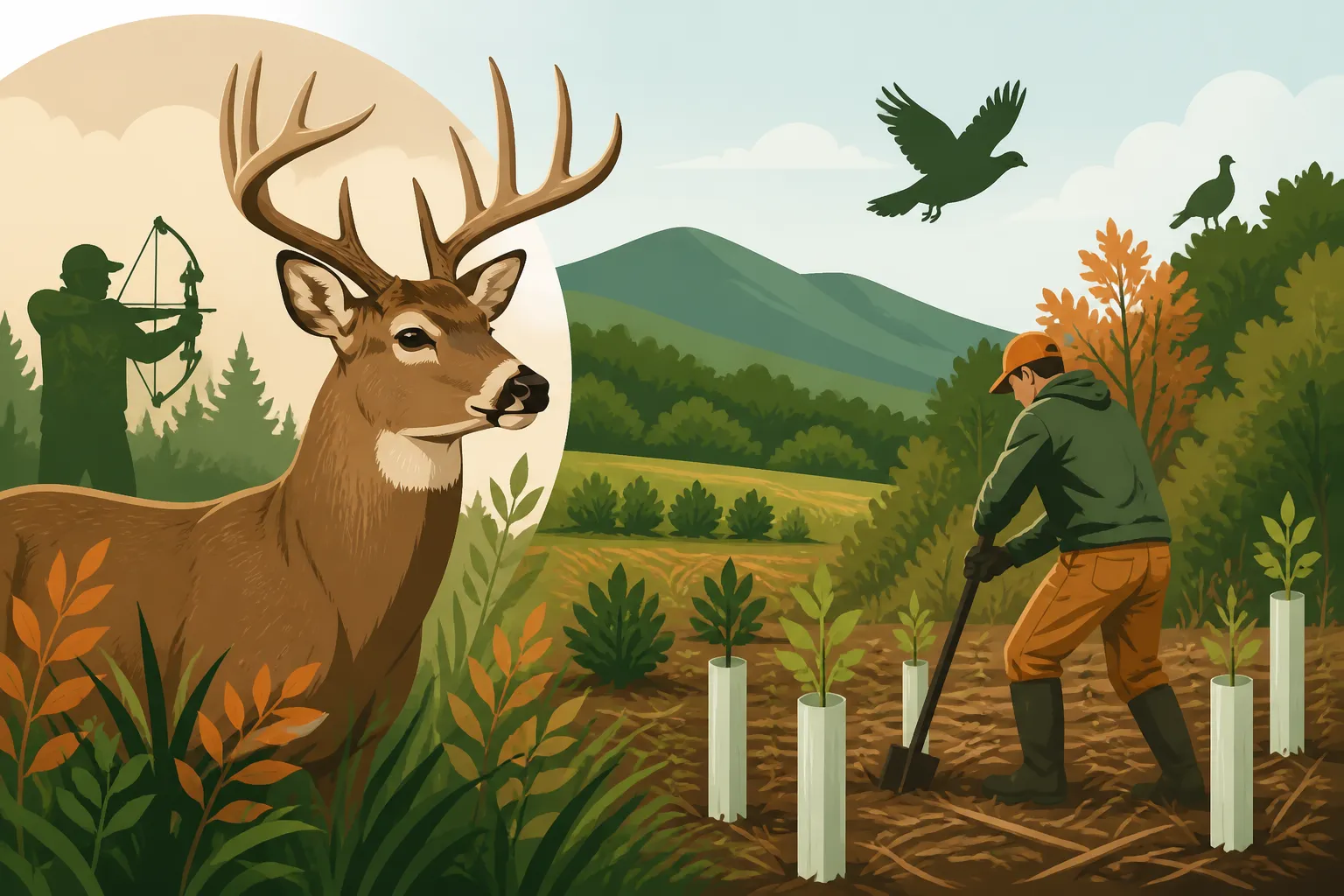
Beyond respecting the rules, many WMAs benefit greatly from direct support, both in terms of manpower and financial contributions. Volunteer work often involves hands-on habitat projects like planting trees, clearing invasive species, or maintaining trails. These opportunities are a great way to give back to the land that provides so much, and you get to learn more about habitat management firsthand.
Financial contributions, whether through purchasing conservation licenses, donating to non-profit conservation groups that partner with the state, or contributing directly to specific WMA funds, provide essential resources. These funds help purchase equipment, pay for staff time, and fund materials needed for habitat projects. Even a small contribution adds up and plays a vital role in ensuring these critical areas continue to thrive for future generations of hunters and wildlife enthusiasts. Supporting these efforts ensures that the future of Vermont Hunting Licenses and What They Cost goes directly back into the land.
Disclaimer
This article is for general informational purposes only and does not constitute professional advice. Laws, prices and regulations vary by location and change over time. Consult a qualified professional for guidance on your specific situation.