Packing Gear for a Vermont Northeast Kingdom Moose Hunt
The sheer thought of a Vermont Northeast Kingdom moose hunt can be exhilarating, but let's be honest, it's also incredibly daunting. This isn't your average whitetail foray behind the back forty. The remote, rugged terrain of the NEK, coupled with the immense size of a moose, demands a level of preparation that can feel overwhelming. This guide is here to cut through the stress and help you meticulously plan your gear, ensuring you're ready for the adventure of a lifetime.
Understanding the Unique Challenges of a Northeast Kingdom Moose Hunt
Hunting moose in Vermont's Northeast Kingdom isn't like hunting deer in the Champlain Valley. It's an entirely different beast, literally and figuratively. The terrain is often steep, covered in thick timber, and peppered with bogs and remote beaver flowages. Weather can change on a dime, going from crisp autumn sunshine to a cold, soaking rain or even early snow in a matter of hours.
The Remote and Rugged Terrain
One of the biggest hurdles you'll face is the sheer remoteness. We're talking about vast tracts of undeveloped land, far from paved roads and often out of cell service range. This isn't just a physical challenge; it's a mental one. You can't just run back to the truck for a forgotten item, and help is hours, not minutes, away if something goes wrong. This reality drives every packing decision you make. You need to be self-sufficient and prepared for any eventuality. Think about the physical toll: scrambling over blowdowns, navigating dense spruce thickets, and perhaps slogging through wet areas. Your gear needs to stand up to this kind of abuse.
The elevation changes, while not Himalayan, can still be significant. You might start your day in a cold valley bottom, only to climb a ridge where the wind bites hard. This necessitates a clothing system that can adapt to widely varying temperatures and activity levels. For many, this is where the planning really begins, ensuring every item serves multiple purposes or performs flawlessly in its intended role. It’s not just about what you bring, but how it works together.
The Weather's Unpredictable Nature
Vermont's fall weather is beautiful, but it's also notoriously fickle, especially in the higher elevations and more remote corners of the Northeast Kingdom. Crisp, sunny mornings can quickly give way to relentless rain, or even a sudden dump of wet, heavy snow. This isn't just about comfort; it's about survival. Getting soaked and cold far from camp can lead to hypothermia, which is a serious concern. Your gear needs to protect you from the elements.
Layering is absolutely paramount. Forget bulky, single-purpose outer layers. You need a system that allows you to add or shed clothing as your activity level changes or the weather shifts. This means moisture-wicking base layers, insulating mid-layers, and a bombproof outer shell that's both waterproof and windproof. We'll delve deeper into specific clothing options later, but always remember: wet and cold are a deadly combination when you're miles into the backcountry. The right rain gear isn't a luxury; it's a necessity, even if the forecast looks clear.
Essential Gear for Survival and Comfort in the Backcountry
When you're deep in the Northeast Kingdom, every item in your pack plays a critical role. This isn't just about hunting; it's about making sure you can endure the elements and any unexpected twists. Think of your gear as your lifeline.
Layering Systems for Vermont's Variable Weather
As we touched on, Vermont weather, especially in the remote northern reaches, can be a real curveball. One minute it's a brisk autumn morning, the next you're fighting a cold drizzle or even an early season snow squall. This is why a well-thought-out layering system is non-negotiable. You can't rely on one heavy coat; you need adaptability.
Start with a good moisture-wicking base layer, ideally merino wool or a synthetic blend. This is what sits against your skin and pulls sweat away, keeping you dry. Cotton is a definite no-go, as it holds moisture and will chill you to the bone. Next comes your mid-layer, which provides insulation. A fleece jacket or a lightweight puffy vest or jacket works perfectly here. The goal is to trap warm air close to your body. Finally, your outer shell needs to be waterproof and windproof. This protects you from rain, snow, and biting winds. Look for something durable that can stand up to brush and branches. Remember, you might be hiking hard uphill, building a sweat, and then sitting still on a chilly stand. The ability to easily shed or add layers is key to staying comfortable and safe. Check out Layering for Vermont's Long Hunting Season for more in-depth advice.
Navigation and Communication Tools
Getting lost in the vastness of the Northeast Kingdom is a real possibility if you're not prepared. Cell service is spotty at best, and often non-existent, making traditional phone GPS unreliable. A dedicated GPS unit or a robust mapping app on your smartphone with downloaded offline maps is an absolute must. Brands like GoHunt and others offer mapping services that allow you to download maps and mark waypoints before you ever leave home, which is invaluable. Don't forget a compass and a physical map as a backup – batteries die, and electronics can fail. Knowing how to use them manually could be a lifesaver.
Communication is equally vital. Given the lack of cell service, a satellite communicator is a smart investment. These devices allow you to send predetermined check-in messages, track your location, and, most importantly, send an SOS signal in an emergency. This isn't just for you; it's for your family and hunting partners who will rest easier knowing you have a way to reach out. Two-way radios are also excellent for communicating with hunting partners within your group, especially when coordinating drives or sharing information about moose sightings. When you're miles from the nearest road, being able to pinpoint your location and summon help is priceless. It provides peace of mind that a lost or injured hunter will eventually be found.
Shelter and Sleep System for Backcountry Overnights
While some moose hunts might be day trips, many successful Northeast Kingdom moose hunts involve packing in and spending a night or two in the backcountry, especially if you're targeting a remote area or need to pack out an animal. Your sleep system needs to be robust enough to handle cold, damp nights. A lightweight, durable tent or bivy sack that can withstand rain and wind is essential. Look for something that packs down small and doesn't add too much weight to your pack.
Equally important is a sleeping bag rated for temperatures well below what you expect to encounter. Even if it's 40 degrees during the day, nighttime temperatures can plummet into the 20s or lower. Pair this with a good insulated sleeping pad. Not only does it provide comfort, but it creates a crucial barrier between your body and the cold ground, preventing heat loss. Skimping on your sleep system will lead to miserable, restless nights, impacting your energy and focus during the hunt. This is where you really appreciate quality gear; a warm, dry night can make all the difference in your hunt's success and your overall morale.
Hunting-Specific Equipment for Moose
Beyond basic survival, you'll need specialized gear designed for hunting and processing one of North America's largest game animals. This isn't just about bagging your moose; it's about the monumental task of field dressing and extracting hundreds of pounds of meat from the wilderness.
Rifle and Ammunition Choices
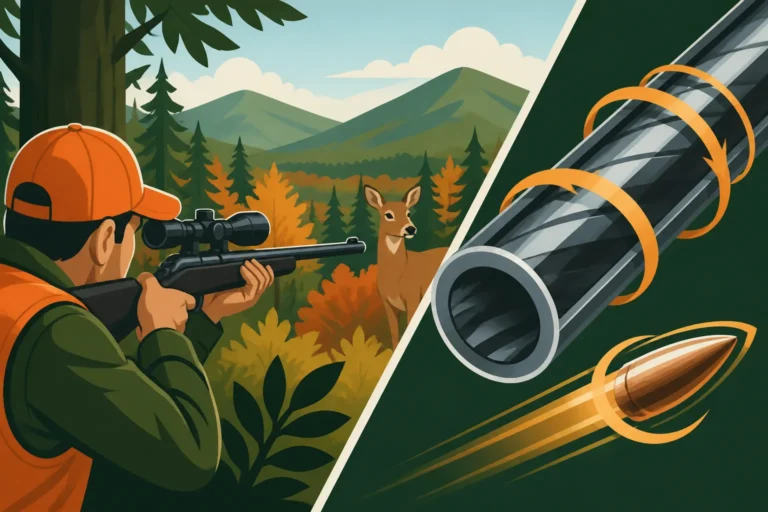
Selecting the right rifle and ammunition for a Vermont moose hunt is paramount. We're talking about a large, incredibly tough animal, and ethical hunting demands a cartridge with sufficient power and bullet construction for a clean, swift kill. While many deer cartridges might technically be legal, a dedicated moose rifle typically starts around the .30-06 Springfield and goes up from there. Think about cartridges like the .300 Winchester Magnum, .338 Winchester Magnum, or even larger, especially if you anticipate longer shots or want extra knockdown power in thick cover.
Bullet choice is just as critical as caliber. You need a premium, heavy-for-caliber bullet designed for deep penetration and controlled expansion. Partitioned bullets, bonded bullets, or monolithic solids are excellent choices, as they retain weight and drive through heavy bone and muscle to reach vital organs. Avoid lightweight, rapidly expanding bullets designed for smaller game, as they often fail to penetrate adequately on a moose. Bring enough ammunition for zeroing, practice, and the hunt itself, plus a few extra rounds for emergencies. Make sure your rifle is sighted in perfectly and you're comfortable shooting it accurately, even under pressure. Understanding Best Rifle Caliber for Vermont Moose is a great starting point.
Optics for the Vast Northeast Kingdom
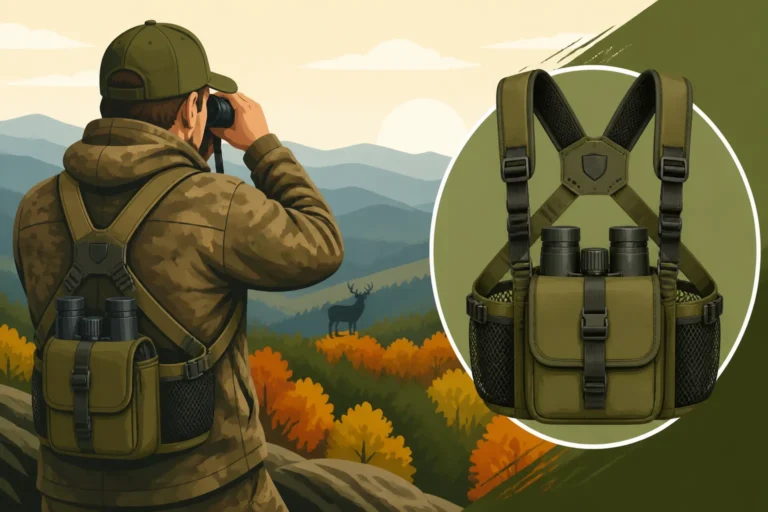
The Northeast Kingdom offers a mix of dense timber and surprisingly open areas, like clear-cuts, bogs, and old logging roads, where moose might be feeding. Good optics are essential for spotting a moose, particularly if you're trying to judge antler size or distinguish a bull from a cow, which is a critical part of Hunting a Drawn Moose Zone in the Northeast Kingdom. A high-quality pair of binoculars, usually 10×42 or 10×50, will be your primary scouting tool. Look for excellent low-light performance, as moose are often most active at dawn and dusk.
A spotting scope can also be invaluable, especially if you're glassing clear-cuts or distant ridge lines. It allows you to really pick apart distant cover and make confident decisions about what you're seeing without having to hike miles to investigate. Pair your binoculars and spotting scope with a rangefinder. Knowing the exact distance to your target is crucial for accurate shot placement, particularly in varied terrain where distances can be deceiving. Consider a rangefinding binocular combo to streamline your gear. When every ounce counts, having versatile and high-performing optics makes a real difference in your success. Best Spotting Scope for Long Timber Shots might offer some more insights.
Field Dressing and Meat Care Tools
This is where the reality of moose hunting truly sets in. Once you've successfully harvested your moose, the real work begins. A moose is a massive animal, and you'll be dealing with hundreds of pounds of meat in a potentially remote location. You'll need a robust set of knives, including a good fixed-blade knife for initial field dressing and skinning, and a smaller, sharper knife for more detailed butchering. A replaceable-blade knife can also be a godsend for maintaining a razor edge.
A bone saw or a hatchet is absolutely necessary for quartering the animal. Trying to break down a moose with just a knife is a fool's errand. Game bags, preferably made of a breathable, synthetic material, are crucial for protecting the meat from dirt, insects, and drying out. You'll need plenty of them – enough for all four quarters, backstraps, tenderloins, and trim. Consider bringing a lightweight tarp or ground sheet to lay the meat on while you work. Finally, a good pack frame or a sturdy backpack with a robust frame is essential for hauling out the quarters. Packing Out a Vermont Moose is a monumental task, and the right tools make it manageable.
Food, Water, and Camp Logistics
Being well-fed and hydrated is critical for maintaining energy and focus during a strenuous moose hunt. Don't underestimate the physical demands of navigating the Northeast Kingdom.
Hydration Strategies for the Backcountry
Water is heavy, but it's essential for survival. You simply cannot carry enough water for an extended backcountry trip, especially if you plan to stay out overnight or need to haul a moose. This means you'll need a reliable way to purify water from natural sources like streams, springs, or ponds. A quality water filter or purifier is an absolute must-have. Brands like Sawyer, Katadyn, or Steripen offer various options from pump filters to squeeze filters or UV purifiers. Choose one that suits your needs for flow rate and ease of use.
Always carry backup purification methods, such as purification tablets, in case your primary filter clogs or breaks. A collapsible water reservoir or bladder allows you to carry several liters of water once filtered, which is perfect for camp use or for extended periods away from a water source. Don't forget electrolyte mixes to add to your water, especially if you're sweating a lot, to help prevent cramping and fatigue. Proper hydration isn't just about feeling good; it's about maintaining peak physical and mental performance when it matters most.
Backcountry Meal Planning
When planning your backcountry meals, the key is high-calorie, lightweight, and easy-to-prepare food. You'll be burning a lot of calories, so focus on nutrient-dense options. Dehydrated or freeze-dried meals are excellent choices for dinners, as they just require hot water and offer a wide variety of flavors. For breakfast, instant oatmeal, granola, or even coffee with some protein powder can get you going.
During the day, focus on snacks that provide sustained energy: trail mix, energy bars, jerky, dried fruit, and nuts are perfect. Avoid anything that requires extensive cooking, is bulky, or can spoil easily. A small, lightweight backpacking stove and fuel are essential for heating water for meals and hot drinks, which can be a real morale booster on a cold morning or evening. Don't forget a lightweight pot, a spork, and a mug. Plan out your meals meticulously, accounting for every day you'll be out, plus an extra day's worth of food in case of unexpected delays.
Camp Setup and Comfort
Even in the rugged Northeast Kingdom, a little camp comfort goes a long way. Your camp will be your sanctuary after long days of hunting. Beyond your tent and sleeping system, consider a few small items that enhance your experience. A lightweight sit pad can make sitting on cold, damp ground much more comfortable. A headlamp with a red light setting is indispensable for navigating camp in the dark without disturbing your night vision or other hunters. Bring extra batteries, too!
A small, lightweight shovel can be useful for digging catholes for hygiene or for creating a small fire pit if permitted and safe. For those who enjoy a warm beverage, a small thermos can keep coffee or tea hot for hours, providing a much-needed boost on a chilly morning. Even simple things like a small, packable towel for drying off or cleaning up can make a big difference in maintaining personal hygiene and morale. While you're not trying to recreate your living room, these small comforts help recharge you for the next day's hunt.
Safety and Emergency Preparedness
In the remote wilderness of the Northeast Kingdom, safety isn't just a suggestion; it's a way of life. Being prepared for emergencies is paramount, as help can be hours away.
First Aid and Medical Supplies
A comprehensive first aid kit is an absolute non-negotiable for any backcountry hunt. Don't just grab a pre-made kit; customize it for your specific needs and the environment. Think beyond minor cuts and scrapes. You need supplies for more serious injuries that could occur miles from medical help, such as severe bleeding, sprains, fractures, or allergic reactions. Include sterile dressings, bandages, antiseptic wipes, pain relievers, anti-inflammatory medication, blister treatment, and any personal prescription medications.
Consider adding a tourniquet, a splint, and an emergency blanket. Knowing how to use these items is as important as having them, so take a wilderness first aid course if you haven't already. Pack these items in a waterproof bag and know exactly where they are. Accidents happen, and being able to self-treat or stabilize an injury until help arrives can literally save a life. Don't forget things like insect repellent and sunscreen, even in the fall, as prevention is always better than cure.
Emergency Communication and Signaling
As mentioned earlier, cell service is often non-existent in the Northeast Kingdom. This makes dedicated emergency communication devices crucial. A satellite messenger or personal locator beacon (PLB) is your most reliable way to signal for help if you're injured or lost. These devices send your GPS coordinates to a monitoring center, which then coordinates a rescue. They often have limited two-way messaging capabilities, allowing you to communicate with loved ones or rescue services. Best Satellite Communicator for Northeast Kingdom Land is a topic many hunters explore.
Beyond electronic devices, basic signaling tools are also vital. A good whistle can carry much further than your voice, especially if you're injured or disoriented. A signal mirror can reflect sunlight for miles, making it easier for searchers to spot you from a distance. A brightly colored tarp or piece of cloth can also be used to create an emergency signal. Fire-starting materials (waterproof matches, lighter, fire starter) are essential for warmth, signaling, and cooking in an emergency. Being able to attract attention is a key part of surviving an unexpected situation in the backcountry.
Bear Awareness and Protection
While the Northeast Kingdom isn't grizzly country, Vermont does have a healthy black bear population. While typically shy, a surprised bear or a sow with cubs can be dangerous. It's wise to carry bear spray, especially if you're hiking in thick cover. Make sure it's easily accessible on your hip or chest, not buried in your pack. Knowing how to deploy it quickly is just as important as having it.
Store all food, trash, and scented items (like toiletries) in bear-resistant containers or hung from a tree well away from your camp. This prevents bears from becoming habituated to human food, which can lead to dangerous encounters. Make noise as you hike, especially through dense brush, to avoid surprising a bear. While bear encounters are relatively rare, being prepared for them is a crucial aspect of responsible backcountry travel. For more information, you could consult Black Bears in Vermont.
Planning Your Pack: Weight, Volume, and Strategy
Successfully packing for a Northeast Kingdom moose hunt is a delicate balancing act. You need everything you might possibly need for survival, comfort, and hunting, but every extra ounce quickly turns into a pound on your back when you're hiking rough terrain.
The Art of Prioritization
Before you even start putting items in your pack, make a detailed gear list. Then, critically assess each item. Ask yourself: Is this absolutely essential for survival, safety, or the success of the hunt? Can this item serve multiple purposes? Is there a lighter, more compact alternative? For instance, do you need a full cook set, or can a single pot and a spork suffice? This is where the real work of minimalist packing begins.
Think about the "what ifs." What if you get stuck for an extra night? What if it rains nonstop? What if you bag a moose on the furthest ridge from camp? Your gear needs to address these scenarios without overloading you. Prioritize warmth, shelter, water, and navigation above all else. Luxuries like extra changes of clothes (beyond essential layering) or heavy camera gear might need to be left behind or carefully considered. The physical demands of the hunt will be enough without fighting a cumbersome pack.
Pack Selection and Organization
Choosing the right pack is crucial. For a multi-day moose hunt where you might be hauling out an animal, a large internal or external frame pack with a capacity of 65-80 liters (or more, if you're bringing a lot of camp gear) is typically required. Look for a pack with a strong, comfortable suspension system, a good hip belt, and plenty of external lash points for bulky items. You'll want a pack designed to carry heavy loads, as a moose quarter can be over 100 pounds. Best Pack for a Northeast Kingdom Moose Hunt is something to research.
Organize your pack logically. Items you need quick access to (rain gear, snacks, rangefinder) should be in external pockets or the top lid. Items you won't need until camp (sleeping bag, extra clothes, stove) should be at the bottom. Keep your navigation tools and first aid kit easily accessible. Use dry bags or stuff sacks to compartmentalize your gear and keep it protected from moisture. A well-organized pack not only makes it easier to find what you need but also helps distribute weight effectively, making the arduous hike a little less punishing. Remember, once that moose is down, your pack transforms into a meat hauler, so consider features like load shelves and durable fabric.
Weight Distribution and Fit
Once your pack is loaded, proper weight distribution and fit are paramount for comfort and preventing injury. The heaviest items should be placed close to your back and roughly between your shoulder blades, at about shoulder height or slightly above. This keeps the center of gravity high and close to your body, making the pack feel more stable. Lighter, bulkier items can go further from your back.
Adjust your pack correctly: The hip belt should bear most of the weight, sitting on your iliac crest (the top of your hip bones). The shoulder straps should rest comfortably on your shoulders, but not dig in. Sternum straps and load lifters (straps connecting the top of the pack to the shoulder straps) should be adjusted to pull the pack close to your body and prevent it from swaying. Take your fully loaded pack for a test hike before your hunt. Walk up and down hills, over uneven ground. Adjust as needed. A poorly fitting or improperly loaded pack can quickly lead to fatigue, pain, and even injury, which is the last thing you want when you're miles into the Northeast Kingdom. This pre-hunt shake down is crucial for success.
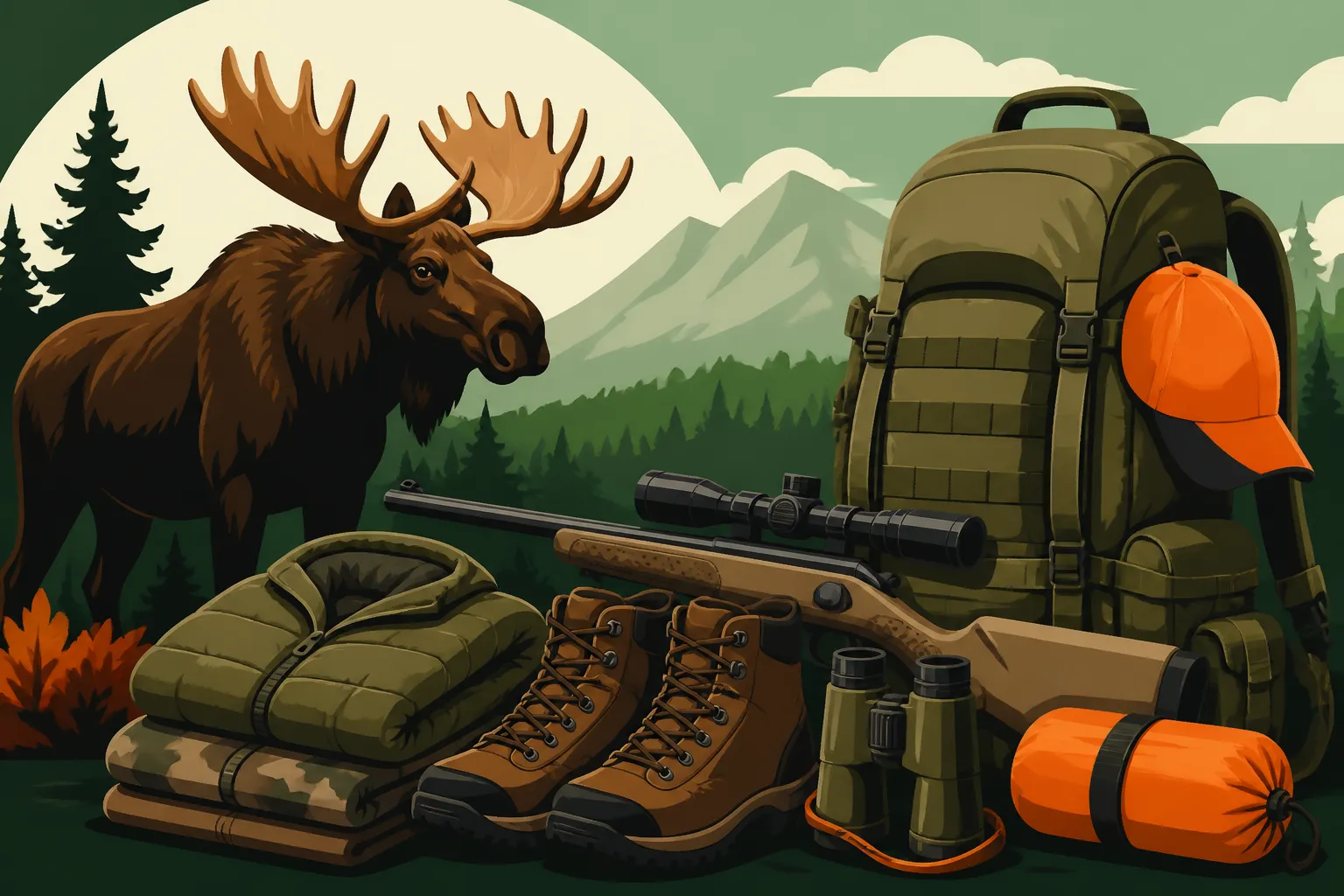
| Category | Key Items | Considerations |
|---|---|---|
| Shelter & Sleep | Lightweight Tent/Tarp/Bivy | Waterproof, windproof, quick setup |
| Sleeping Bag | Rated for coldest expected temps, compact | |
| Sleeping Pad | Insulated, lightweight, comfortable | |
| Clothing | Base Layers (Merino/Synthetic) | Moisture-wicking, multiple sets |
| Mid Layers (Fleece/Puffy) | Insulation, adaptable to activity level | |
| Outer Shell (Waterproof/Windproof) | Durable, breathable, protects from elements | |
| Extra Socks | Wool or synthetic, keeps feet dry | |
| Hat/Gloves | Warm, waterproof for hands and head | |
| Navigation | GPS Unit (with offline maps) | Reliable, extra batteries |
| Map & Compass | Backup, know how to use | |
| Satellite Communicator/PLB | Emergency communication, tracking | |
| Hunting Specific | Rifle & Ammunition | Appropriate caliber and bullet for moose, plenty of rounds |
| Binoculars | Low-light performance, clarity | |
| Rangefinder | Accurate distance measurement | |
| Knives (Fixed blade, replaceable blade) | Sharp, durable, for field dressing & butchering | |
| Bone Saw/Hatchet | Essential for quartering | |
| Game Bags | Breathable, protective, enough for all meat | |
| Pack Frame/Robust Pack | Designed for heavy loads, carrying meat | |
| Food & Water | Water Filter/Purifier | Reliable, backup method |
| Water Bladder/Reservoir | Carry filtered water | |
| High-Calorie Food | Lightweight, easy to prepare, extra day's supply | |
| Backpacking Stove & Fuel | For hot meals and drinks | |
| Safety & First Aid | Comprehensive First Aid Kit | Customized for wilderness, includes serious injury supplies |
| Bear Spray | Easily accessible, know how to use | |
| Fire Starter (Waterproof) | Matches, lighter, tinder | |
| Whistle/Signal Mirror | Emergency signaling | |
| Headlamp (with red light) | Extra batteries |
Disclaimer
This article is for general informational purposes only and does not constitute professional advice. Laws, prices and regulations vary by location and change over time. Consult a qualified professional for guidance on your specific situation.