Best Insulated Layer for a December Muzzleloader Hunt
There’s nothing quite like the crisp, cold air of a Vermont December morning, especially when you’re bundled up, ready for a muzzleloader hunt. But that magical quiet can quickly turn miserable if you haven't mastered your layering system, particularly the insulated layer that truly traps your body heat. This guide is all about helping you pick the perfect insulated layer to keep you warm, comfortable, and focused when the mercury plummets during Vermont's late-season deer hunts.
The Unique Challenge of Vermont's December Muzzleloader Season
Hunting in Vermont during December, especially with a muzzleloader, presents a distinct set of challenges that really put your gear to the test. It's not just "cold"; it's a deep, bone-chilling cold that demands respect and proper preparation.
Dealing with Deep Cold and Inactivity
Unlike the often fast-paced, high-energy hunts of early archery season or even the rifle season where you might be still-hunting more actively, Hunting the December Muzzleloader Season often involves long periods of sitting still. Whether you're posted up in a treestand overlooking a late-season food source or hunkered down in a ground blind near a bedding area, your body isn't generating much heat. This inactivity is exactly what lets the cold seep in, chilling you from the inside out. When you're trying to spot a whitetail moving through a snow-covered cedar swamp, the last thing you want is shivering to be your primary focus. The quiet focus required for a muzzleloader shot, combined with the often frigid temperatures, means your insulated layer needs to be a fortress of warmth without being so bulky that it impedes your movements. It’s a delicate balance.
Navigating Variable Winter Weather
Vermont weather in December is notoriously fickle. One day you might have clear, crisp skies and sunshine, and the next could bring a sudden snow squall or freezing rain. We’ve all been there: starting the morning with frosty breath only to have a midday warm-up, then a brutal wind picks up in the afternoon. Your insulated layer needs to perform across this spectrum. It's not just about staying warm, but staying warm and dry. A thick, heavy jacket that absorbs moisture like a sponge on a damp day is going to weigh you down and steal your warmth when the temperature drops again. That's why considering the outer shell's weather resistance, or at least how your insulated layer integrates with a waterproof outer layer, is so crucial for success during Muzzleloader Deer Hunting in Vermont.
The Importance of Silence and Mobility
When you're trying to get a shot off with a muzzleloader, especially one that requires a bit more handling and loading than a modern rifle, mobility is key. You need to be able to raise your firearm smoothly, operate the hammer, and keep a steady aim. A jacket that’s too bulky or restrictive around the shoulders and arms will absolutely hinder your ability to make a clean shot. Moreover, the sound of your clothing against a quiet, snowy backdrop is amplified. A crinkly, noisy outer fabric on your insulated layer can be enough to spook a wary whitetail at close range. We're talking about those critical moments when a buck might be just within effective muzzleloader range, perhaps slipping through a stand of hemlocks looking for Late-Season Food Sources for Vermont Whitetails. Every rustle counts.
Decoding Insulation: Down, Synthetics, and Wool for Late-Season Success
When it comes to staying warm, not all insulation is created equal. Each type has its strengths and weaknesses, and understanding them is the first step to choosing the right layer for your Cold-Weather Sitting Strategy in the Northeast Kingdom or anywhere else in Vermont.
Down Insulation: The King of Warmth-to-Weight
Down, typically from ducks or geese, is renowned for its incredible warmth-to-weight ratio and packability. It's a natural insulator, and a good quality down jacket feels like wearing a cloud, offering immense warmth for very little bulk. This is a huge advantage when you're hiking into a remote stand and need to minimize pack weight and volume. The "fill power" rating indicates the quality of the down – a higher number means more loft and better insulation for its weight. For those really frigid December mornings, a high fill-power down layer can be a game-changer.
However, down has a significant Achilles' heel: moisture. When down gets wet, it loses its loft, and with it, its insulating properties. A soaking wet down jacket is essentially useless for warmth. While many modern down jackets feature water-resistant treatments on the fabric or even on the down itself (hydrophobic down), they are rarely fully waterproof. If you anticipate heavy, wet snow or freezing rain, you'll need a reliable waterproof shell over your down layer. The other consideration is cost; quality down can be pricey, but it's an investment that lasts for years if cared for properly. I've had my go-to down vest for almost a decade, and it's still performing like a champ.
Synthetic Insulation: The All-Weather Performer
Synthetic insulation, often made from polyester fibers, is designed to mimic the qualities of down but with a crucial advantage: it retains its insulating properties even when wet. Brands like PrimaLoft, Thinsulate, and Coreloft are popular choices, each with slightly different characteristics in terms of warmth, packability, and durability. This makes synthetic layers incredibly versatile for Vermont's unpredictable winter weather. If you're busting brush in a light snowfall or a sudden squall rolls through, a synthetic puffy jacket will keep you warm where down might fail.
While synthetic insulation doesn't quite match down's warmth-to-weight ratio or packability, advancements are constantly closing that gap. Many synthetic options are also more affordable than high-end down. They can be a bit bulkier, which is something to consider when layering for a muzzleloader hunt where freedom of movement is paramount. The trade-off is often worth it for the peace of mind knowing that damp conditions won't instantly compromise your warmth. When I'm planning a hunt for Vermont's December Muzzleloader Season Dates and the forecast looks iffy, a synthetic insulated jacket is often my first grab.
Wool Insulation: The Traditional, Quiet Choice
Wool, particularly Merino wool, has been a hunter's friend for centuries, and for good reason. It offers excellent warmth, even when damp, and has natural odor-resistant properties that are fantastic for multi-day hunts. Perhaps most importantly for muzzleloader hunting, wool is incredibly quiet. There's no crinkle, no rustle – just the soft, silent movement of fabric. This stealth factor alone makes it a top contender for any hunter who prioritizes minimizing sound.
Traditional heavy wool coats can be quite bulky and heavy, but modern Merino wool offerings come in various weights, from thin base layers to thick mid-layers and even outer jackets. While it might not have the extreme warmth-to-weight of down, a quality wool insulated mid-layer or jacket provides consistent, breathable warmth. It also tends to be durable, shrugging off snags from brush better than some synthetic or down outer fabrics. The downside is that it can take longer to dry than synthetics, and while it insulates when wet, it can feel heavy. However, for sheer quietness and reliable warmth in a wide range of conditions, wool remains a fantastic choice.
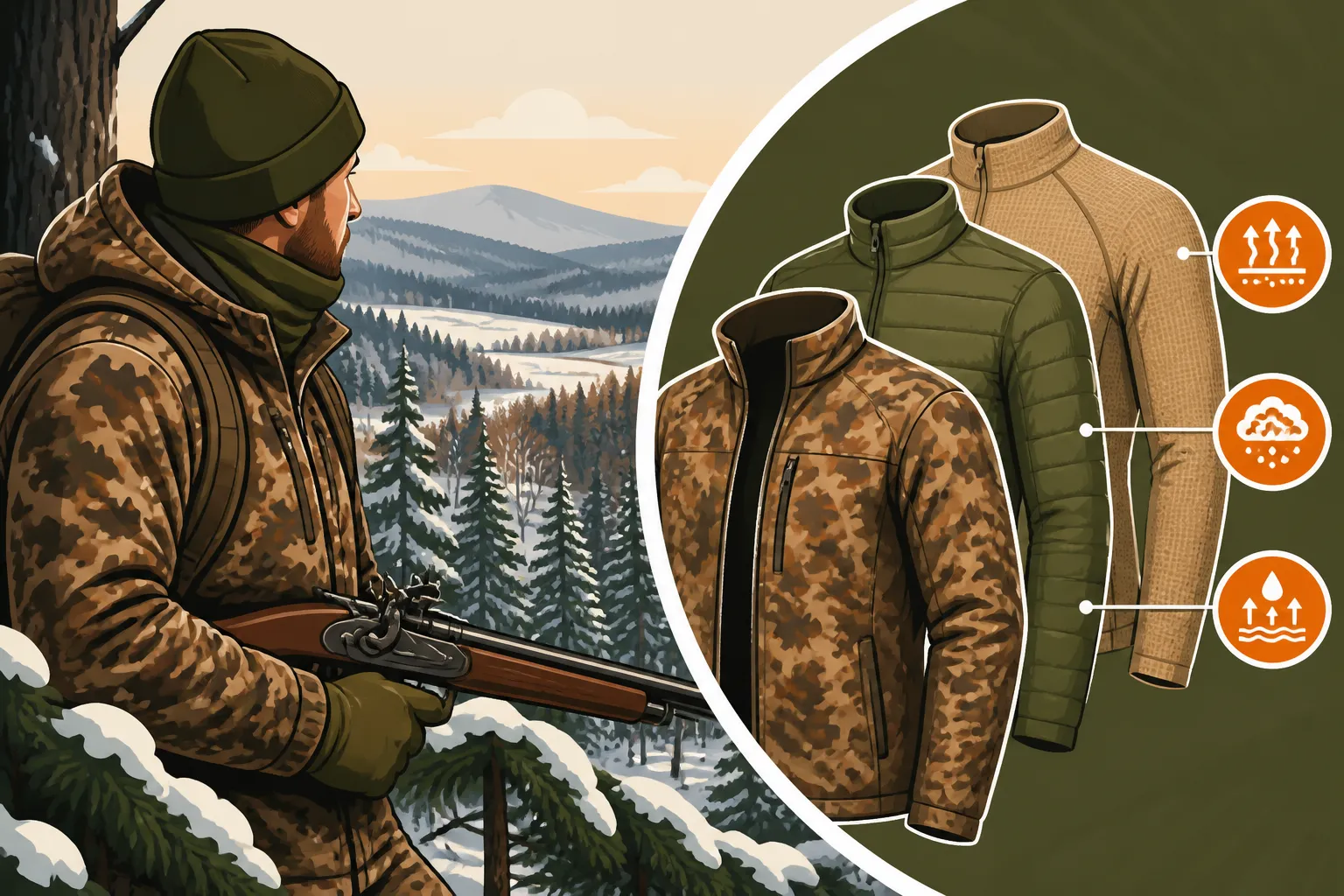
Here's a quick comparison of these insulation types:
| Feature | Down | Synthetic | Wool |
|---|---|---|---|
| Warmth-to-Weight | Excellent | Good to Very Good | Good |
| Warmth When Wet | Poor (unless treated) | Excellent | Good |
| Packability | Excellent | Good | Fair to Good |
| Noise Level | Generally Low (depends on shell) | Variable (depends on shell) | Excellent (very quiet) |
| Drying Time | Slow (unless treated) | Fast | Moderate |
| Cost | High | Moderate | Moderate to High |
| Best Use Case | Dry, extremely cold conditions | Damp or variable cold conditions | Stealth, consistent warmth, odor control |
Choosing Your Ideal Insulated Layer: Factors Beyond Warmth
Beyond the type of insulation, there are several other critical factors to consider when selecting an insulated layer for a Vermont's November Rifle Season or December muzzleloader hunt. These details can make or break your comfort and your hunting success.
Fit and Mobility for the Muzzleloader Hunter
This is a big one. You need an insulated layer that fits well – not too tight, which restricts blood flow and insulation, and not so loose that it creates excess bulk or snags. For muzzleloader hunting, specifically, pay close attention to the shoulders and arms. Can you comfortably raise your muzzleloader to your shoulder? Can you reach for your powder flask or ramrod without feeling like the Michelin Man? I’ve seen too many hunters, myself included in my younger years, wear layers so bulky they can barely move, let alone make a precise shot.
Look for features like articulated elbows or gusseted underarms that allow for a full range of motion. If you're going to be sitting for hours, a slightly longer cut in the back can help keep your lower back warm when bending or sitting. Remember, this isn't just a fashion statement; it's a piece of critical gear that directly impacts your ability to perform in the field. Test your movements in the store, or better yet, at home with your unloaded muzzleloader.
Quietness: Blending into the Winter Woods
As discussed earlier, silence is golden in the deer woods, especially when everything is covered in snow and sound travels further. The outer fabric of your insulated layer plays a huge role here. Avoid anything that makes a crinkling, swishy, or scratchy sound. Many insulated jackets use a durable nylon or polyester shell, which can sometimes be noisy. Look for softer, brushed fabrics or those specifically designed for stealth. Fleece-lined options or those with a quiet outer face are excellent choices.
Even the zippers can make noise, so practice opening and closing them quietly. When I'm scouting or planning a late-season hunt, I pay close attention to every detail, and that includes researching gear options that prioritize stealth, often checking out the detailed gear reviews that platforms like GoHunt compile. It's not just about the big features; it's about all the small ones adding up to a silent presence.
Packability and Weight
If you're hiking into public land or have a bit of a walk to your stand, the weight and packability of your insulated layer matter. A bulky, heavy jacket that doesn't compress well takes up valuable space in your pack and adds unnecessary strain on the walk in. Down typically excels here, compressing into a surprisingly small pouch, but modern synthetics are also very packable. Think about how you’ll carry it. Will it go in your pack and only come out when you get to your stand, or will you wear it from the start?
For early morning hikes when you're generating heat, you might prefer to carry your heaviest insulated layer and put it on once you're settled and cooled down. This strategy helps prevent sweating on the way in, which can lead to rapid chilling once you stop moving. Sweating under your layers is a surefire way to get cold, fast. Choosing a layer that compresses easily makes this "dress at the stand" strategy much more viable.
Weather Resistance and Durability
While your insulated layer's primary job is warmth, its ability to stand up to the elements and the rigors of hunting is also important. Even if you plan to wear a waterproof shell over it, a degree of water resistance in the outer fabric of your insulated layer can provide an extra buffer against light snow or mist. A Durable Water Repellent (DWR) coating will cause water to bead up and roll off, at least for a while.
Durability is another factor. Hunting often means brushing against branches, climbing over fences, and dealing with general wear and tear. A flimsy outer fabric on your insulated layer might tear easily, compromising the insulation inside. Look for ripstop fabrics or heavier denier materials that can withstand some abuse. After all, you want this layer to last for many Hunting the Rut in Early-to-Mid November and December seasons to come.
Putting It All Together: A Layering Strategy for Vermont's Coldest Days
Picking the right insulated layer is just one piece of the puzzle; how you integrate it into a comprehensive layering system is what truly ensures comfort and warmth during a December muzzleloader hunt in Vermont. Think of your clothing as a system, with each layer performing a specific function.
The Foundation: Your Base Layers
It all starts with your base layer, the garment closest to your skin. Its primary job is to wick moisture away from your body. Sweat is your enemy in cold weather because as it evaporates, it rapidly cools you down. Opt for Merino wool or synthetic base layers; avoid cotton at all costs, as it absorbs moisture and holds it against your skin. For December in Vermont, I usually go with a heavy-weight base layer, sometimes even a Merino wool top and bottom that are a bit thicker. This provides a warm, dry foundation for everything else. I've found that a good base layer makes a huge difference in my overall comfort, especially during a long, static sit.
The Workhorse: Your Mid-Layers
This is where your primary insulated layer often comes into play. Depending on the conditions, your mid-layer could be a thick fleece, a lighter synthetic puffy, or your chosen heavy-duty insulated jacket. The goal here is to trap warm air and provide additional insulation. On really frigid days, you might even have two mid-layers – a lighter one, like a grid fleece, and then your heavier insulated piece over that.
This is also where personal preference and activity level really matter. If you're going to be doing some serious walking before you sit, you might start with fewer mid-layers and add your heaviest insulated jacket once you're in the stand and cooled down. This prevents overheating and sweating on the hike in. Finding the right balance for Layering for Vermont's Long Hunting Season takes practice, but it's crucial for comfort.
The Shield: Your Outer Shell
Your outer shell is your defense against wind, rain, and snow. It needs to be waterproof and windproof, but ideally also breathable to allow any trapped moisture from your inner layers to escape. For a December muzzleloader hunt, a quiet, durable shell is essential. It goes over your insulated layer, protecting it from the elements and preventing wind from cutting through your warmth.
Many hunters choose a "system" jacket that includes an insulated liner that zips into a waterproof shell. This can be a convenient option. However, for maximum versatility, I often prefer separate pieces. This allows me to mix and match my insulated layer with different shells depending on the exact conditions. On a dry, cold, still day, I might even forgo a full waterproof shell and just wear my insulated layer as an outer layer if its face fabric is quiet and durable enough. But if the forecast calls for any precipitation, my trusty waterproof shell is coming with me.
Head, Hands, and Feet: Don't Forget the Extremities
You can have the best insulated layer in the world, but if your head, hands, and feet aren't properly insulated, you'll still be cold. A significant amount of body heat can escape through your head, so a warm hat – or better yet, a balaclava or neck gaiter paired with a hat – is non-negotiable. For your hands, a layering system often works best: thin liner gloves for dexterity, covered by warm, insulated mittens or glomitts that can be pulled back when you need to handle your muzzleloader or reload.
Feet are another critical area. Quality insulated, waterproof boots are essential, and wearing good wool or synthetic socks is key. Just like with your other layers, avoid cotton socks. Having extra hand warmers for your pockets or boot inserts can also provide a welcome boost of warmth during a long sit. I always stash a few in my pack for those extra chilly days or when the wind really picks up, especially when I'm out Hunting a Bow During the Rifle Season Overlap or deep into the colder muzzleloader dates.
Remember, practice makes perfect. Experiment with your layering system on scouting trips or even just cold walks before season to dial in what works best for you. Every hunter is different, and what keeps one person warm might not be enough for another.
Disclaimer
This article is for general informational purposes only and does not constitute professional advice. Laws, prices and regulations vary by location and change over time. Consult a qualified professional for guidance on your specific situation.