Best Waders for Lake Champlain Duck Hunting
If you've ever spent a chilly morning in a Lake Champlain marsh, waiting for the first flight of mallards to commit, you know that the cold, damp environment can seep into your bones faster than you can say "limits." The wrong gear can turn a potentially incredible hunt into a miserable, hypothermic exercise in endurance. This guide will help you understand what makes a great pair of waders for the unique demands of duck hunting on Lake Champlain, ensuring you stay warm, dry, and comfortable, no matter what Mother Nature throws your way.
Understanding Lake Champlain's Unique Waterfowl Environment
Lake Champlain isn't your average duck pond. It's a vast, dynamic body of water with varied terrain, from shallow, muddy edges and reedy marshes to deeper open water and rocky shorelines. The weather here can be notoriously fickle, shifting from crisp autumn mornings to brutal, bone-chilling winds and even early-season ice in the blink of an eye. All of this plays a huge role in what you need from your waders.
Think about the sheer scale of the lake. When you're Decoying Ducks on Lake Champlain, you might be wading out into chest-deep water to set your spread, then hunkering down in an even deeper natural blind. The currents can be deceptive, and the bottom can be soft mud one minute, then sharp rocks or submerged branches the next. This isn't a place for flimsy gear. You need robust protection that can stand up to constant abrasion and the unforgiving cold, especially as the season progresses into the later part of the Vermont Lake Champlain Zone Waterfowl Dates.
The Variability of Lake Champlain Conditions
Early in the season, when the leaves are just starting to turn, the water might still feel almost bearable, but that changes quickly. By late October and November, the water temperatures plummet. A full day standing in cold water without proper insulation is not just uncomfortable, it's dangerous. Then there's the mud. Oh, the glorious, sucking mud of a Champlain marsh! Your waders need to be able to handle that suction without tearing or leaking, and your boots need to provide solid traction so you're not constantly fighting to keep your footing.
Consider a typical scenario: you've got your truck parked on a bumpy dirt road, a brisk north wind is already whipping across the fields, and the sunrise is still an hour away. You haul your decoy bag, shotgun, and blind out to the edge of the marsh, where the water is already lapping at your knees. You know you've got to wade another 100 yards to get to your spot, through varying depths and unseen obstacles. This is where the quality of your waders truly shines – or fails spectacularly. Cheap waders might develop a pinhole leak after one snag, leaving you with an icy puddle around your feet for the rest of the morning. That’s a lesson most of us only need to learn once.
The Importance of Durability in Diverse Terrain
From the Missisquoi River Delta to the shores near Grand Isle, the terrain is rarely uniform. You might find yourself scrambling over downed logs on the shoreline, pushing through thick cattails, or navigating rocky points. Your waders need to be tough enough to withstand punctures and tears from sharp sticks, briars, and abrasive rocks. Many waterfowl hunters will tell you that a small tear can ruin an entire hunt, and patching leaks in the field is rarely a successful endeavor, especially when it's freezing cold. This constant exposure to harsh elements means that material quality and reinforced areas are paramount. You're not just buying a piece of clothing; you're investing in a piece of essential safety gear that allows you to access and hunt the places where ducks want to be.
When you're comparing different options, it’s worth thinking about the abuse your current waders take. Do they constantly snag? Are the seams starting to fray? Do the boot soles feel like they’re losing their grip on slippery mud? These are all signs that you might need to upgrade to something more robust that's specifically designed for the kind of demanding environment we have here in Vermont, especially when you're targeting that Vermont Duck Daily Bag Limit.
Wader Materials: Neoprene vs. Breathable vs. Hybrid
Choosing the right material for your waders is perhaps the most critical decision you'll make. Each material has its distinct advantages and disadvantages, and the "best" choice often depends on the specific conditions you anticipate most frequently while hunting the diverse waters of Lake Champlain.
Let's break down the main contenders, keeping in mind that there's no one-size-fits-all solution, but rather an optimal choice for different hunting styles and weather patterns.
Neoprene Waders: Warmth and Durability
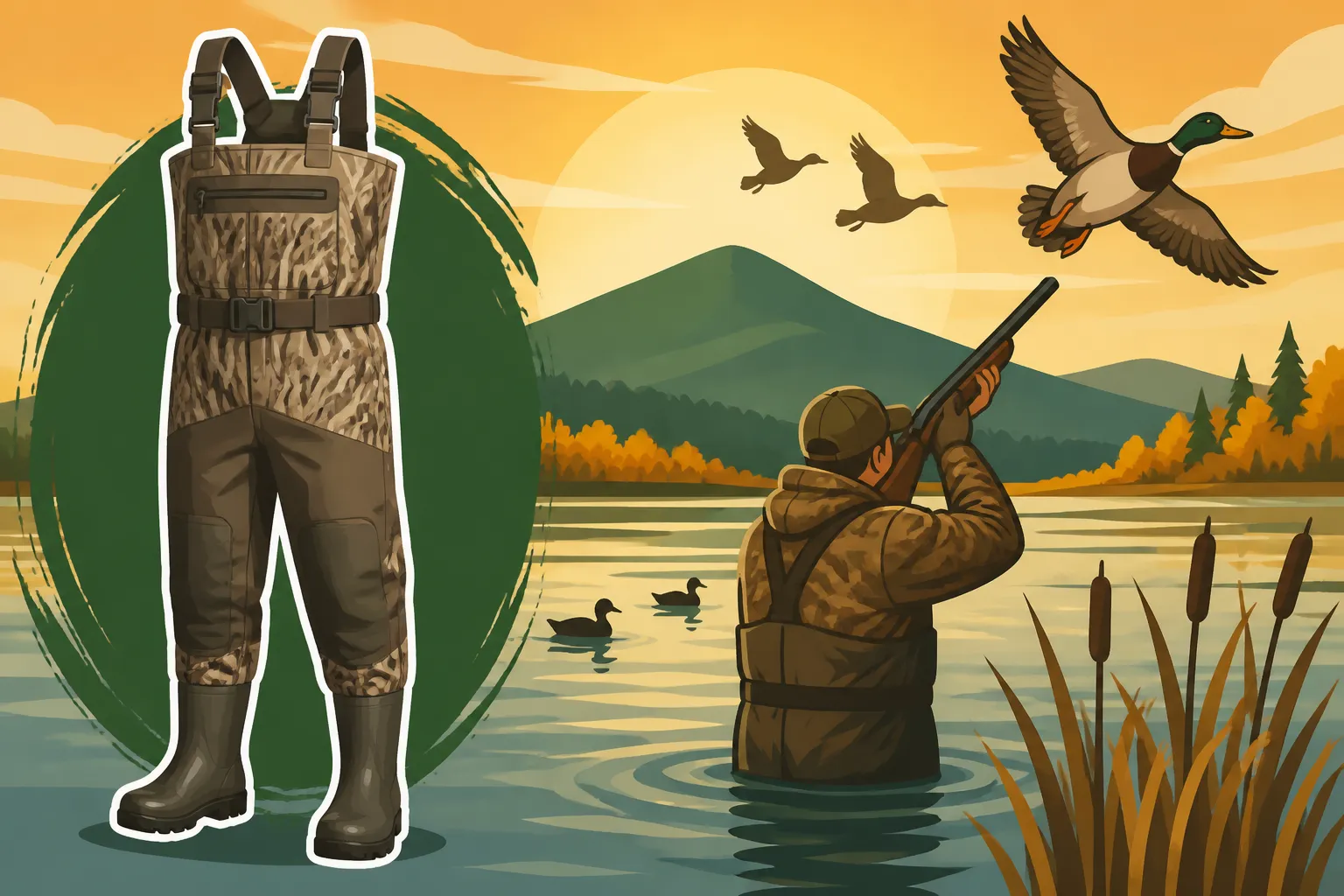
Neoprene waders are the traditional workhorses of cold-weather duck hunting, and for good reason. Made from synthetic rubber, neoprene offers excellent insulation, trapping a layer of water against your body that is then warmed by your body heat. This makes them incredibly warm, a huge benefit when you're standing motionless in frigid Lake Champlain water for hours on end, especially during the colder parts of the Vermont Waterfowl Zones and Seasons.
Neoprene also boasts impressive durability and puncture resistance compared to many breathable fabrics. The material is thick and relatively stretchy, which means it can take a fair amount of abuse from briars, sticks, and sharp edges without tearing. This toughness is a major plus when you're crashing through dense cover or wading over unseen obstacles in the murky water. However, neoprene isn't without its downsides. They can be quite bulky and heavy, making long walks to your spot more arduous. If you're doing a lot of hiking to reach a remote jump-shooting spot, you'll feel every ounce. Additionally, neoprene doesn't breathe, which means if you're active, you'll sweat. And once you sweat, that moisture can condense inside the waders, leaving you feeling damp and eventually cold once you stop moving. This can be a real issue on warmer early-season days, or if you're portaging a canoe or hauling a sled full of decoys for a distance.
Breathable Waders: Comfort and Versatility
Breathable waders, typically made from multi-layer Gore-Tex, Toray, or similar proprietary fabrics, are designed to allow moisture vapor (sweat) to escape while preventing liquid water from entering. This technology makes them significantly more comfortable for active hunters or those hunting in warmer conditions, as they help regulate your body temperature and prevent that clammy feeling that neoprene can induce. If you're hunting in early September when the air temperature might still be in the 60s but you're wading through cold water, breathable waders can be a godsend. Their lighter weight and less bulky nature also make them much more comfortable for hiking long distances to your favored hunting spots, perhaps along the shorelines of the Green Mountain National Forest or around one of the state's wildlife management areas.
The primary trade-off with breathable waders is typically warmth and durability. While they can be insulated with layering underneath, the material itself offers little inherent warmth. This means you'll need to meticulously plan your Layering for Vermont's Long Hunting Season underneath – a good moisture-wicking base layer, perhaps a fleece mid-layer, and even insulated pants for colder days. This layering system can add bulk, even if the waders themselves are thin. Durability can also be a concern. While modern breathable fabrics are increasingly tough, they are generally more susceptible to punctures and tears from sharp objects than neoprene. Many hunters will reinforce high-wear areas with extra patching or protective coatings. If you're doing a lot of bushwhacking or hunting in areas with lots of thorns and snags, you'll need to be extra careful. Companies like GoHunt often feature reviews and forums where hunters share their experiences with the durability of different breathable wader brands, which can be a great resource.
Hybrid Waders: The Best of Both Worlds?
Some manufacturers offer hybrid waders that attempt to combine the benefits of both materials. These often feature breathable uppers for comfort and mobility, combined with neoprene lower sections (from the waist down) for added warmth and durability where it's most needed – standing in the cold water. This can be a smart compromise for Lake Champlain, where you might have a long walk to a cold water setup. The breathable top keeps you from overheating on the hike in, while the neoprene bottom keeps your core warm once you're in the water.
Hybrid designs are relatively newer to the market, and their effectiveness can vary by brand and specific construction. It's essential to look for quality seams and transitions between the different materials, as these can be potential failure points if not manufactured correctly. When considering hybrid options, I'd suggest checking out various outdoor gear review sites and hunter forums, perhaps even on platforms like GoHunt, to see real-world feedback on how these waders perform in conditions similar to what you'll encounter on Lake Champlain.
Here’s a quick comparison to help visualize the differences:
| Feature | Neoprene Waders | Breathable Waders | Hybrid Waders |
|---|---|---|---|
| Insulation | Excellent inherent warmth | Minimal inherent warmth (relies on layering) | Good lower body warmth, minimal upper body warmth |
| Breathability | None (can cause sweating and clamminess) | Excellent (allows sweat vapor to escape) | Good upper body breathability, none on lower body |
| Weight/Bulk | Heavy and bulky | Lightweight and less bulky | Moderate weight/bulk |
| Durability | Very good (puncture resistant) | Good (can be more prone to punctures) | Good on lower body, moderate on upper |
| Mobility | Can be restrictive due to bulk and stiffness | Excellent, allows for full range of motion | Good overall mobility, less restrictive than full neoprene |
| Ideal Use | Cold, stationary hunting; minimal walking | Active hunting, long walks, variable temperatures | Mix of active walking and cold water standing |
Ultimately, your personal hunting style, the specific areas you frequent, and the typical weather patterns you encounter will dictate which material is the best fit. If you're mostly sitting in a blind in frigid water, neoprene might be your friend. If you're covering a lot of ground or hunting early season, breathable could be the way to go.
Essential Features for Lake Champlain Duck Waders
Once you've settled on a material, it's time to dig into the nitty-gritty features that can make or break your wader performance on Lake Champlain. These aren't just bells and whistles; they're practical considerations that directly impact your comfort, safety, and overall hunting experience.
Boot Type and Sole Traction
This is often overlooked but incredibly important. You generally have two choices: bootfoot waders or stockingfoot waders.
Bootfoot Waders: These come with attached boots, eliminating the need for separate wading boots. They're quick to put on and take off, which is a huge convenience on those frigid mornings. For Lake Champlain, where you might be changing in a cold truck or out in the open, this can be a blessing. The integrated design also means fewer entry points for water, and no gravel to worry about getting into your wading boots. The critical factor here is the sole. You need aggressive traction to navigate slippery mud, submerged rocks, and possibly icy edges. Look for lugged rubber soles, sometimes with additional studs or felt for extra grip. However, make sure the tread isn't so aggressive that it picks up excessive mud, making your feet feel like lead weights. When you're Hunting a Lake Champlain Marsh, you'll appreciate a stable footing.
Stockingfoot Waders: These waders have neoprene "socks" at the bottom, and you wear separate wading boots over them. The main advantage here is customization and better ankle support. You can choose wading boots specifically designed for traction and support, which can be invaluable if you're walking long distances or navigating particularly treacherous terrain. Many hunters find that wading boots offer superior ankle support compared to the integrated boots on most bootfoot waders, which can reduce fatigue and prevent twisted ankles. The downside is the extra time it takes to put them on and the potential for sand or gravel to get between the waders and the boots, though good gravel guards usually mitigate this. For some, the added comfort and support of dedicated wading boots are worth the extra effort. If you find yourself frequently Still-Hunting Green Mountain National Forest Timber before dropping down to a water source, the extra walking comfort of stockingfoot with good boots might appeal.
Reinforcement and Seam Construction
Waders take a beating, especially in the rugged environments we encounter in Vermont. Look for waders with reinforced knees, shins, and seat areas. These high-wear zones are where punctures and abrasion are most likely to occur. Extra layers of material or durable Cordura panels in these spots significantly extend the life of your waders. Good seam construction is equally vital. Seams are inherently the weakest points on any wader, and poorly constructed ones will leak first. Look for waders that boast double-stitched, taped, and glued seams. Some premium waders use sonic-welded seams, which eliminate traditional stitching altogether, creating a much stronger and more waterproof bond. This kind of attention to detail is crucial for long-term reliability.
I can't tell you how many times I've seen a hunter's day ruined by a seam blowout. A good investment upfront saves you from a soaking and a miserable drive home. Before any hunt, I always do a quick inspection of my waders, paying close attention to these areas. It's a habit that's saved me more than once.
Pockets, Straps, and Other Conveniences
While not essential for staying dry, smart design features can greatly enhance your hunting experience.
- Pockets: Chest pockets, often fleece-lined, are excellent for keeping hands warm between flights. Waterproof internal pockets are perfect for storing valuables like your phone, truck keys, and Vermont Migratory Bird Certification without fear of them getting wet. External pockets with drain holes are great for calls or extra shells that you need quick access to.
- Shoulder Straps: Look for adjustable, comfortable shoulder straps. Neoprene straps are usually a good bet as they provide some stretch and prevent digging into your shoulders, especially when your waders are loaded with gear or you're carrying a heavy decoy bag. Quick-release buckles are also a nice touch for easy on and off.
- Wading Belt: A wading belt is non-negotiable for safety. It cinches around your waist, creating a seal that can prevent your waders from filling completely with water if you take an unexpected spill. This is a critical safety feature, as fully flooded waders can be incredibly heavy and dangerous. Always wear your wading belt snug.
- D-Rings and Gear Loops: These are handy attachment points for hanging calls, a dog whistle, or small accessory bags. Having frequently used items within easy reach, rather than fumbling through pockets or a blind bag, can make a real difference in the field.
- Handwarmer Pockets: Fleece-lined handwarmer pockets on the chest are a simple luxury that you’ll be incredibly grateful for on cold mornings. Keeping your hands warm and nimble means you can operate your shotgun, calls, or retrieve birds more effectively.
When you're out there on Lake Champlain, often in the dark or at first light, the little things really count. Being able to quickly grab a call, keep your hands warm, or know your phone is safe and dry allows you to focus on the hunt itself. It’s details like these that GoHunt forum discussions often highlight as essential for real-world application.
Proper Fit and Wader Maintenance for Longevity
Even the best waders, made from the most advanced materials, won't perform optimally if they don't fit correctly or aren't properly cared for. Investing in high-quality waders for Lake Champlain duck hunting is significant, and ensuring they last through many seasons requires attention to these details.
Getting the Right Fit
Fit is more critical than many hunters realize. Waders that are too tight will restrict movement, be uncomfortable, and put undue stress on seams, leading to premature leaks. Waders that are too loose will be baggy, create drag in the water, and can chafe. When trying on waders, especially bootfoot models, wear the layers you typically hunt in – a base layer, perhaps a fleece pant, and thick socks. This ensures an accurate assessment of the fit.
You should have a full range of motion. Bend, squat, kneel, and lift your knees. The waders shouldn't feel restrictive or pull uncomfortably anywhere. Pay particular attention to the crotch and knee areas. The boots on bootfoot waders should be snug but not tight, with enough room for thick socks but no excessive heel slip. With stockingfoot waders, ensure the neoprene bootie is comfortable and doesn't bunch up. Remember, you'll be spending hours in these, often walking or standing, so comfort is paramount. Don’t just stand there; actually move around in them. Simulate walking through mud or climbing into a boat. This active fitting will give you a much better sense of how they’ll perform in the field.
Essential Care and Maintenance Tips
Waders, especially those used in saltwater or brackish water environments (even though Champlain is freshwater, it has its own unique ecosystem), need routine cleaning and inspection.
- Rinse Thoroughly: After every hunt, especially if you've been in muddy or silty water, rinse your waders inside and out with fresh water. This removes dirt, algae, and any corrosive elements that could degrade the material or clog breathable membranes. Hang them upside down to drain and dry completely.
- Dry Completely: This is crucial to prevent mildew, which not only smells terrible but can also damage the wader material. Hang them in a well-ventilated area, away from direct sunlight or excessive heat. Once the outside is dry, turn them inside out to ensure the interior dries completely as well. This might take a day or two. Never store damp waders.
- Inspect Regularly: Before and after each season, and periodically during heavy use, inspect your waders for any signs of wear, small punctures, or delaminating seams. Pay extra attention to the knees, seat, and around the boots. Catching a small pinhole leak early can prevent it from becoming a major issue. Many manufacturers provide repair kits, and a quick patch job can save you a lot of hassle.
- Proper Storage: Once thoroughly dry, store your waders in a cool, dry place. Avoid folding them tightly or stuffing them into a bag, as this can create permanent creases that stress the material. Hanging them loosely in a closet is ideal. Avoid storing them where mice or other critters might decide to chew on them – a common frustration for many hunters!
- Avoid Harsh Chemicals: Do not use bleach, strong detergents, or fabric softeners on your waders, especially breathable ones. These can damage the waterproof membrane or the material's integrity. Mild soap and water are usually sufficient for cleaning.
- Addressing Leaks: If you suspect a leak, fill your waders with water (outside in) to easily spot the leak. Mark it, dry the wader, and apply a suitable repair sealant or patch. For breathable waders, a light alcohol spray can often reveal tiny pinholes as the alcohol evaporates faster through the leak.
Proper care is not just about extending the life of your waders; it's about ensuring they perform when you need them most. A well-maintained pair of waders will keep you dry, warm, and focused on the flight coming into your spread, rather than on the icy water seeping into your boot. For more general advice on maintaining your hunting gear, you might find useful tips in articles like Boots for Vermont's Steep Terrain or even how people are preparing their equipment for Moose Hunting Vermont's Northeast Kingdom, as many of those principles of durability and maintenance cross over.
Disclaimer
This article is for general informational purposes only and does not constitute professional advice. Laws, prices and regulations vary by location and change over time. Consult a qualified professional for guidance on your specific situation.