Best Freezer Setup for a Season’s Worth of Game
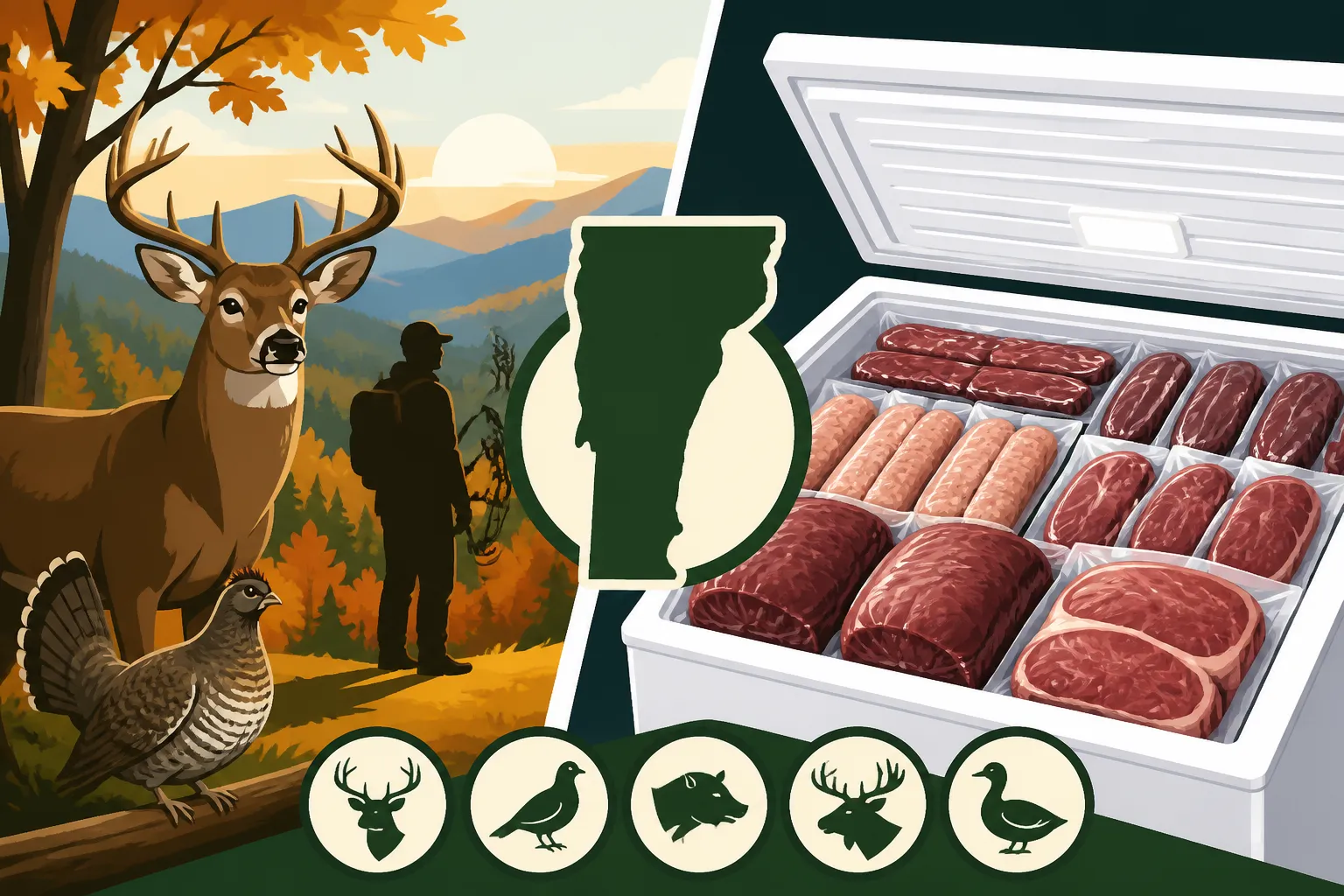
For many of us who chase game through the beautiful, rugged landscape of Vermont, the thrill of the hunt is often matched by a looming question: what in the world are we going to do with all this meat? You’ve put in the time, braved the cold, and successfully harvested a deer, a bear, or even a turkey, and now your kitchen freezer, already packed with summer berries and frozen pizzas, is staring back at you with a silent, icy judgment. This guide is all about helping you conquer that post-harvest logistical challenge by setting up the best freezer system to keep your hard-earned game perfectly preserved all season long.
Why a Dedicated Freezer Setup is Non-Negotiable for Vermont Hunters
Let's be honest, there's nothing quite like the feeling of dragging a beautiful buck out of the Green Mountains or recovering a big black bear from a beech ridge. But that triumph can quickly turn into a minor panic attack when you realize your average kitchen freezer just isn't cut out for the sheer volume of meat you're about to process. For serious Vermont hunters, a dedicated freezer isn't a luxury; it's an absolute necessity to protect your investment in time, effort, and licenses.
The Reality of a Successful Vermont Season (and the Meat Piling Up)
Think about it: a decent-sized Vermont whitetail can easily yield 50-70 pounds of boneless venison, sometimes even more. If you're fortunate enough to tag a bear, you're looking at potentially well over 100 pounds. And what if you fill your Vermont's Resident-Only Two-Bird Turkey Limit in the spring, or get lucky with a fall bird? Suddenly, you have multiple species, multiple cuts, and a whole lot of delicious protein to store. Our seasons are long and often overlapping, meaning you might be Hunting the Rut in Early-to-Mid November for deer, and then decide to pursue a bear through Vermont Bear Season Opening Day or Vermont Bear Season Closing Date. Each successful hunt adds to the pile, and without a proper plan, your venison chops might start tasting faintly of frozen broccoli. We put in so much work, from scouting to actual hunting, and then the critical step of Field Dressing a Deer in Cold Weather – it would be a shame to lose any of that effort to improper storage.
This isn't just about deer. Consider the diverse opportunities Vermont offers. Maybe you're drawn for a moose permit in the Northeast Kingdom – that’s a truly monumental amount of meat to handle. Even smaller game, like a season full of ruffed grouse or snowshoe hare, can quickly fill up freezer space if not properly managed. The simple truth is, if you're serious about providing wild, organic protein for your family and minimizing waste, you need more than the freezer above your refrigerator.
Protecting Your Hard-Earned Harvest from Freezer Burn
Freezer burn is the arch-nemesis of every hunter. That grayish, dry, unappetizing texture on your carefully cut venison steaks is a heartbreaking sight. It's not just an aesthetic issue; it severely degrades the flavor and tenderness of the meat. Freezer burn occurs when air comes into contact with the surface of your meat, causing dehydration and oxidation. This means all that painstaking work of Butchering a Deer at Camp or carefully preparing your bear meat can be undermined if you're just tossing it into ziploc bags in a half-full freezer. The constant opening and closing of your kitchen freezer, the varying temperatures, and the exposure to other foods all contribute to this dreaded phenomenon. A dedicated freezer, properly packed and maintained, creates a stable, consistent environment that significantly reduces the risk of freezer burn, ensuring that your wild game tastes as incredible months later as it did the day you harvested it. It’s about respecting the animal and your own hard work.
Choosing the Right Freezer for Your Vermont Hunting Lifestyle
So, you're convinced you need a dedicated freezer. Excellent! Now comes the decision-making process, and it's not always as simple as grabbing the first one you see. We need to consider space, accessibility, and your typical harvest volume.
Chest Freezers vs. Upright Freezers: A Hunter's Dilemma
This is often the first big choice, and both have their merits and drawbacks for hunters.
Chest Freezers: These are the classic, top-opening freezers. They're typically more energy-efficient because cold air sinks, so when you open the lid, less cold air escapes compared to an upright. They also tend to hold a more consistent temperature, making them excellent at preventing freezer burn. The downside is organization. Things can get buried at the bottom, leading to a "dig and search" mission every time you want a specific cut. For a hunter trying to manage large, oddly shaped packages of game meat, this can be a real frustration. You’ll find yourself moving a bear roast to get to a package of ground venison. If you're planning to store larger cuts, like a half a moose quarter or a whole bear hindquarter, a chest freezer offers an uninterrupted storage space that uprights often can't match.
Upright Freezers: These look more like a traditional refrigerator, with a front-opening door and shelves. The big advantage here is organization. With shelves and sometimes door bins, it's much easier to see and access what you have. No more archaeological digs! However, they tend to be less energy-efficient because cold air rushes out when you open the door. Also, the shelves can limit the size of packages you can store, which might be a problem if you prefer to keep larger primal cuts. If you're meticulous about labeling and rotating stock, an upright can be a dream for quick access to your game, especially if you're often grabbing specific cuts for weeknight meals.
Here's a quick comparison:
| Feature | Chest Freezer | Upright Freezer |
|---|---|---|
| Energy Usage | Generally more efficient | Generally less efficient |
| Temperature | More consistent, better for long-term storage | Can fluctuate more with door openings |
| Organization | Can be difficult; items get buried | Excellent with shelves and bins |
| Space Use | Better for large, bulky items | Shelves can limit large item storage |
| Footprint | Wider, but often shorter | Taller, but often narrower |
| Price | Often slightly less expensive for same cubic feet | Can be slightly more expensive for same cubic feet |
| Defrosting | Manual defrost common | Frost-free options available (can cause freezer burn) |
Ultimately, the best choice depends on your space, budget, and how you prefer to organize your meat. Some hunters even opt for a combination of both if space allows – a chest freezer for bulk, long-term storage, and a smaller upright for quicker access to frequently used items.
Sizing Your Freezer: Don't Underestimate Your Vermont Harvest Potential
This is where many hunters make a mistake. They buy a freezer that seems big enough, only to find it overflowing after a successful deer season, let alone adding in other game. You need to think about your typical harvest goals and potential. Are you primarily a deer hunter, or do you also pursue bear, turkey, and maybe even apply for a Vermont Moose Lottery Application Process?
A good rule of thumb is to estimate approximately 1 cubic foot of freezer space for every 35-40 pounds of processed, packaged game meat. Let’s do some quick math:
- Deer: If a average Vermont whitetail yields 50-70 lbs, you'll need at least 1.5 to 2 cubic feet per deer. Many hunters aim for two deer (one buck, one antlerless with a permit), so you're already at 3-4 cubic feet.
- Bear: Vermont Bear Population Estimate suggests a healthy population. A successful bear hunt could easily add another 100+ lbs, requiring 3+ cubic feet.
- Turkey: While less bulky, a few turkeys can take up a cubic foot or so.
- Moose: This is the game changer. A moose can yield 400-600+ pounds of meat. If you're drawn for a tag, you'll need 10-15 cubic feet just for the moose.
Considering all this, a 15-20 cubic foot freezer is often a good starting point for a dedicated hunter who might get a deer or two, plus some small game. If you ever anticipate a moose tag or multiple successful big game seasons, you'll want to lean towards the larger end, perhaps 20-30 cubic feet. It's always better to have a little extra room than to be scrambling for space in November. Remember, this isn't just about fitting the meat; it's about allowing cold air to circulate efficiently, which is crucial for preventing freezer burn.
Essential Tools and Techniques for Optimal Game Preservation
Having the right freezer is only half the battle. How you package, label, and organize your meat is equally important. These tools and techniques are what truly make your freezer setup a success.
Vacuum Sealers: Your Best Friend Against Freezer Burn
If there's one single piece of gear that will revolutionize your game preservation, it's a good quality vacuum sealer. Period. Vacuum sealing removes all the air from around your meat, creating an airtight barrier that is exponentially more effective at preventing freezer burn than traditional freezer bags or butcher paper. The difference in quality, even after a year in the freezer, is astounding. Your venison steaks will come out looking and tasting almost as fresh as the day they were processed.
When choosing a vacuum sealer, consider a few things:
- Durability: You'll be using this a lot, especially after a successful season. Look for sturdy construction.
- Bag Compatibility: Some sealers require specific proprietary bags, which can be more expensive. Others work with generic rolls.
- Moist/Dry Settings: This is crucial for game. Many cuts will have some moisture, and a good sealer can handle it without getting gummed up.
- Built-in Roll Storage and Cutter: These features are incredibly convenient when you're doing a large batch of processing.
After cutting your meat (whether you do it yourself or have a butcher handle it), package it in meal-sized portions. For odd-shaped cuts like roasts or shanks, you might want to consider freezing them solid on a tray first, then vacuum sealing. This prevents bone edges from puncturing the bag and makes for a cleaner seal. We use our GoHunt app to keep track of zones and regulations, but it also helps us plan our harvest goals, which in turn influences how many packages we'll be sealing up.
Labeling and Inventory: The Unsung Heroes of Game Management
This step is often overlooked in the excitement of a full freezer, but it’s absolutely critical. Trust me, six months from now, that opaque package of frozen meat will be a mystery without a proper label. Don't rely on memory!
Every package of game meat should be clearly labeled with at least three pieces of information:
- Species and Cut: "Deer – Sirloin Steak," "Bear – Roast," "Turkey – Breast." Be specific.
- Date: The date it was processed and frozen. This helps with rotation.
- Weight/Portion Size: "1.5 lbs," "2 Steaks," "Ground – 1 lb." This makes meal planning much easier.
I like to use a permanent marker directly on the vacuum seal bag or a freezer-safe label. Beyond individual packages, consider keeping a simple inventory list, either on a whiteboard next to your freezer or in a digital spreadsheet. This helps you track what you have, what needs to be eaten, and what you might be running low on. It’s also incredibly satisfying to look at a neatly organized freezer and a well-maintained inventory, knowing exactly what wild game feasts await you. This kind of careful planning extends beyond just the meat, it's part of the whole hunting lifestyle, like understanding Vermont Deer Reporting Requirements after a harvest.
Strategic Packing and Organization
Once your game is properly packaged and labeled, it’s time to load the freezer. This isn't just about cramming; it's about strategy.
- First In, First Out (FIFO): Always try to use the oldest meat first. Your labeling system will make this easy.
- Grouping: Keep similar cuts together. All your ground venison in one section, all your steaks in another, roasts in their own corner. This makes finding what you need much faster.
- Use Bins or Dividers (Chest Freezers): For chest freezers, invest in some sturdy freezer bins or baskets. This can help create "zones" and prevent items from getting lost at the bottom. You can also use cardboard boxes as temporary dividers.
- Flat Packing (Upright Freezers): For upright freezers, packaging items as flat as possible before freezing can maximize shelf space. Once frozen, they stack neatly.
- Consider Meat Blocks: For ground meat, pressing it into flat, rectangular blocks before freezing makes for efficient stacking.
- Organize by Date: If you have multiple harvests, try to dedicate sections to different seasons. For example, all your 2023 deer might go on one shelf, and 2024 on another.
Thinking about the full journey from harvest to table, ensuring your meat is properly packed aligns with the careful thought we put into retrieving game, such as Packing Meat Out of a Steep Ravine. Every step matters.
Maintaining Your Freezer System for Long-Term Success
A freezer setup isn't a "set it and forget it" kind of deal. To ensure longevity, efficiency, and the best quality game meat, a little ongoing maintenance and foresight are required.
Power Outages and Backup Plans: A Vermont Reality
Let's face it, living in Vermont means dealing with winter storms, downed power lines, and unexpected outages. The thought of losing an entire season's worth of game due to a power failure is enough to make any hunter break out in a cold sweat. Having a backup plan is not being paranoid; it's being prepared.
- Generators: If you live in an area prone to outages, a portable generator is a wise investment. Make sure you have enough fuel on hand to run it for several days if needed. You don't need to run it constantly; cycling it on for a few hours a day can keep your freezer cold enough.
- Minimal Opening: During an outage, do not open your freezer unless absolutely necessary. A full, unopened chest freezer can keep food frozen for 2-4 days, while an upright might only manage 1-2 days.
- Insulation: You can augment the freezer's insulation during an outage by draping blankets or sleeping bags over it.
- Dry Ice: For extended outages, dry ice is your best friend. Approximately 25 pounds of dry ice can keep a 10-cubic-foot freezer cold for 2-3 days. Handle it with gloves and ensure good ventilation.
- Temperature Monitoring: Consider a freezer thermometer with an alarm or remote monitoring capabilities. Some smart devices can alert you if the temperature inside drops below a safe threshold.
- Emergency Plan: If the power is out for too long, know where local butchers or friends with generators might be able to temporarily store some of your meat. Or, be prepared to process and cook a lot of game in a hurry!
Regular Maintenance and Cleaning
Just like your rifle or bow, your freezer needs a little TLC to perform its best.
- Defrosting: If you have a manual defrost freezer (which most chest freezers are), you'll need to defrost it periodically, usually once a year or when ice buildup reaches about a quarter-inch thick. Excess ice reduces efficiency and takes up valuable space. This is a great time to deep clean the interior and take a full inventory.
- Check Seals: Regularly inspect the door gasket (seal) for cracks or gaps. A compromised seal lets cold air escape and warm air in, leading to higher energy bills and more freezer burn.
- Clean Coils: For maximum efficiency, clean the condenser coils on the back or bottom of your freezer at least once a year. Dust and pet hair can accumulate, making the compressor work harder.
- Temperature Check: Use a reliable freezer thermometer to ensure your freezer is consistently holding at 0°F (-18°C) or colder. This is the ideal temperature for long-term frozen food storage.
Integrating Your Freezer into Your Overall Hunting Prep
Your freezer setup isn't just something you think about after the hunt. It should be an integral part of your year-round hunting preparation. As you're scouting new areas or planning your next season, consider your freezer capacity. Will Hunting Vermont's New Archery-Rifle Overlap lead to a double harvest? How will you handle that?
When you’re looking at your GoHunt maps and identifying potential deer runs or bear feeding areas, start thinking about the logistics of getting that game back to your processing station and into your freezer. Having a well-maintained, properly sized, and organized freezer system provides immense peace of mind. It allows you to focus on the hunt itself, knowing that when success comes, you're fully equipped to honor your harvest by preserving it for delicious meals throughout the year. From the moment you pull that trigger or release that arrow, to the moment that perfectly cooked venison steak hits your plate, your freezer plays a vital role in that incredible journey.
Disclaimer
This article is for general informational purposes only and does not constitute professional advice. Laws, prices and regulations vary by location and change over time. Consult a qualified professional for guidance on your specific situation.