Still-Hunting a Northeast Kingdom Beech Ridge
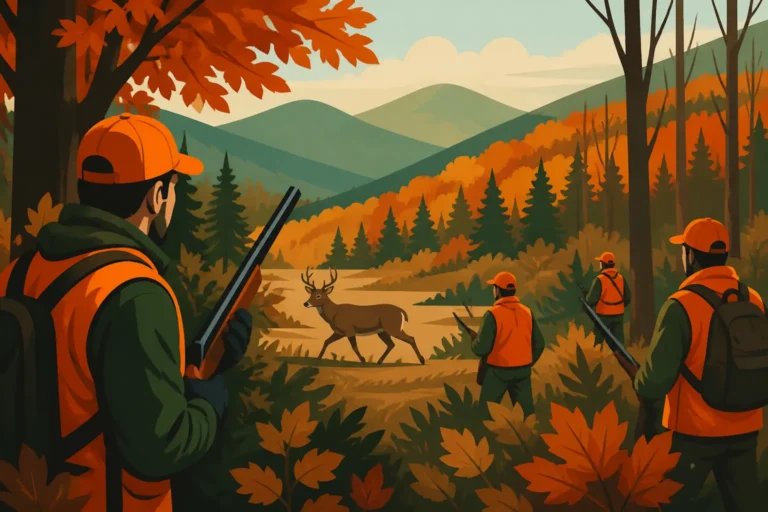
Hunting the Northeast Kingdom of Vermont is a challenging endeavor, often characterized by vast, unbroken timber, steep climbs, and the need for patience. Many hunters feel overwhelmed by the sheer scale of the landscape and the elusive nature of its game. This guide will walk you through the nuanced art of still-hunting the region's productive beech ridges, offering strategies to move quietly, read the landscape, and increase your chances of encountering deer, bear, or even a magnificent moose in their natural habitat.
The Heart of the Northeast Kingdom: Why Beech Ridges Matter
The Northeast Kingdom (NEK) is a rugged, wild part of Vermont, known for its dense forests and sparse human population. Within this wilderness, certain habitats become magnets for wildlife, and high beech ridges are arguably among the most critical. Understanding why these areas are so vital is the first step in successful still-hunting.
The Allure of Beech Nuts: A Critical Food Source
American beech trees are a cornerstone of the NEK ecosystem, especially when it comes to fall and early winter forage. Their small, triangular nuts are packed with calories and fat, making them an incredibly valuable food source for a wide array of wildlife. Deer, especially during the crucial pre-rut and rut phases of Vermont's November Rifle Season, will actively seek out beech groves. Black bears gorge themselves on these nuts to put on weight for hibernation, making productive ridges prime spots for Bear Hunting Vermont's Long September-to-November Season. Even moose, typically browsing on saplings, will take advantage of fallen beech nuts when available, which is a key consideration if you're ever drawn for Moose Hunting Vermont's Northeast Kingdom.
The challenge, however, is that beech nut production isn't consistent year after year. Some years are bumper crops, where the forest floor beneath a mature beech stand is carpeted with nuts. Other years, the mast crop might be poor, forcing animals to seek alternative food sources like acorns, apples, or browse. This variability means that while beech ridges are always worth investigating, their productivity hinges heavily on the annual mast report. A key part of your pre-season scouting should involve identifying which ridges are dropping nuts, as this intelligence can dictate your hunting strategy for weeks.
Identifying Productive Ridges and Their Features
Not all beech ridges are created equal. When you're glassing a topo map or scrolling through satellite imagery on an app like GoHunt, you're looking for specific characteristics. Mature beech stands, often identifiable by their smooth, grey bark and dense canopy, are more likely to produce nuts. However, even within these stands, factors like elevation, soil type, and sunlight exposure can influence nut production. Look for ridges that are relatively broad, allowing for more mature trees, and those that transition into other cover types, such as dense conifer thickets or steep ravines. These transitions often serve as bedding areas or escape routes, providing safety for animals feeding on the ridge.
Consider the slope and aspect. South-facing slopes might melt snow earlier in the season, exposing nuts, while north-facing slopes might hold snow longer. Ridges that connect two larger drainages or act as travel corridors between different food sources or bedding areas are also prime locations. These natural funnels concentrate animal movement, increasing your odds of an encounter. Once you're on the ground, fresh sign, like disturbed leaves, fresh scat, or nibbled nuts, will confirm you're in an active feeding zone.
Seasonal Movement Patterns Along the Ridges
The way deer, bear, and moose utilize beech ridges changes throughout the hunting seasons. In early fall, during Bowhunting Vermont's Expanded Archery Season, deer and bear might be hitting these ridges hard, often feeding in daylight. As hunting pressure increases and temperatures drop, their movement patterns can shift. Deer might become more nocturnal, visiting the ridges under the cover of darkness, or they might stick to thick cover nearby during the day, only venturing out to feed during low-light hours or in inclement weather.
During the peak of the rut in early-to-mid November, bucks will cruise these ridges, not just for food but to scent-check for does. They'll often follow the contours, leaving rub lines and scrapes as they go. Understanding these seasonal shifts is crucial for timing your still-hunting efforts. For example, an early season still-hunt might focus on catching animals feeding, while a mid-season rut hunt would concentrate more on intercepting cruising bucks. Remember that when you're still-hunting, you're trying to integrate yourself into these patterns, not disrupt them.
The Silent Stalker: Mastering the Still-Hunting Pace
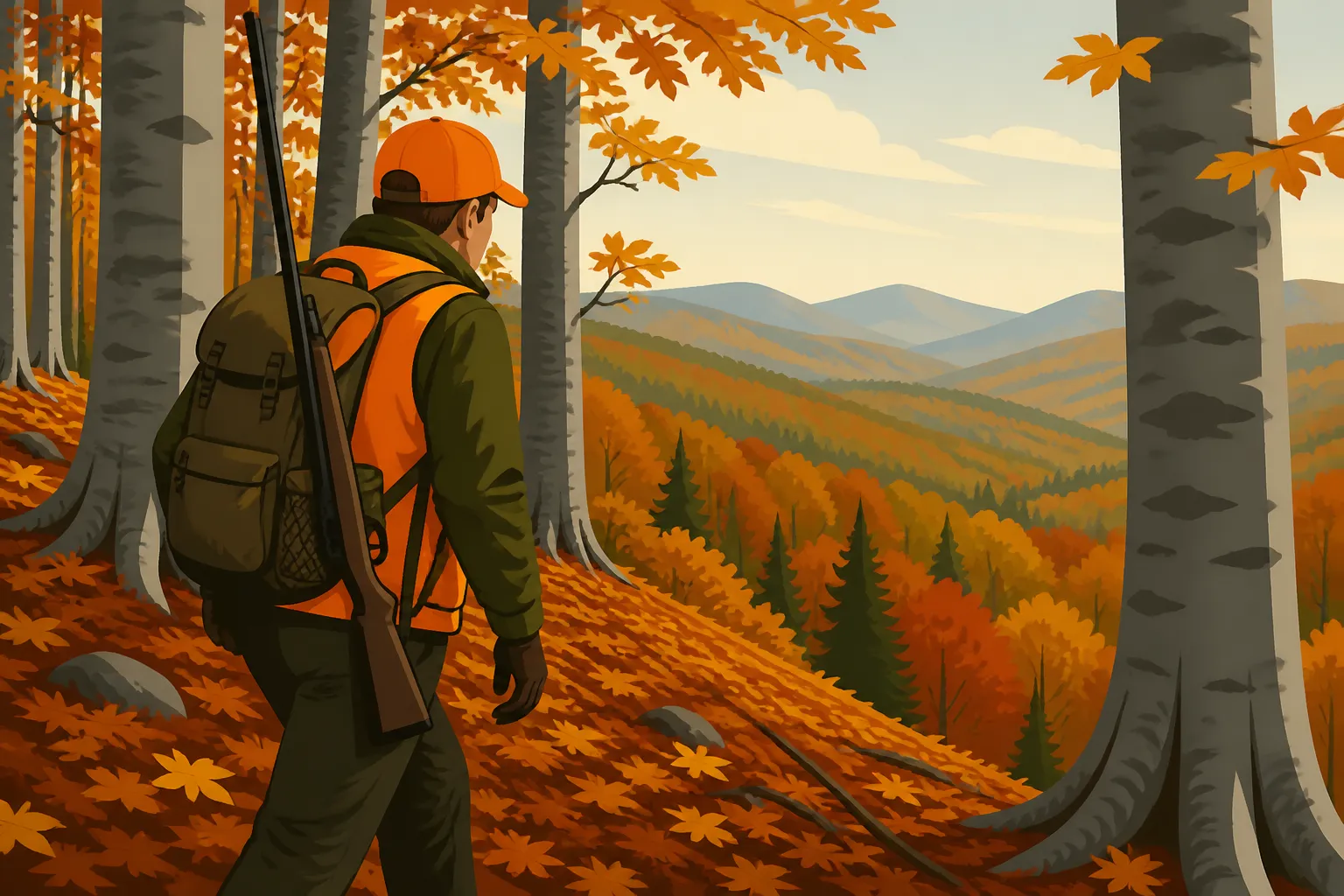
Still-hunting is perhaps the most intimate form of hunting, demanding intense focus, extreme patience, and a deep understanding of animal behavior. It's about moving so slowly and deliberately that you become part of the forest, allowing you to observe animals before they detect you.
Pacing and Observation: The "One Step, Ten Seconds" Rule
The biggest mistake most still-hunters make is moving too fast. To effectively still-hunt a Northeast Kingdom beech ridge, you need to adopt a "one step, ten seconds" or even "one step, thirty seconds" mentality. This means taking a single, deliberate step, then pausing for an extended period to scan your surroundings. During these pauses, don't just look generally; systematically dissect the landscape. Use your binoculars to pick apart dark shadows, examine downed logs, and scrutinize every patch of dense cover. Look for horizontal lines (an animal's back) in a vertical world, patches of contrasting color, or the flick of an ear.
Your eyes should be constantly moving, not in wide sweeps, but in focused grids, scanning from near to far and side to side. Listen intently. The crunch of dry leaves, the soft rustle of movement, the sound of a distant twig snapping – these subtle cues can alert you to an animal's presence long before you see it. On these quiet, mature beech ridges, sounds carry, and your stillness allows you to pick up on those minute details.
Utilizing Wind and Thermals in Steep Terrain
The Green Mountains, and the NEK within them, present unique challenges when it comes to understanding air currents. Wind and Thermals in Steep Green Mountain Terrain are rarely straightforward. On ridge tops, the prevailing wind is often dominant, but as you move down slopes or into draws, thermals become a major factor. Early in the morning, as the sun begins to warm the earth, air typically rises (updraft). In the late afternoon and evening, as the sun sets and the earth cools, air sinks (downdraft).
When still-hunting a beech ridge, you almost always want to move into the wind or crosswind. This means the wind should be blowing from the animals toward you, carrying your scent away. If you detect a shift in thermals, adapt immediately. If the thermal starts to rise, you might need to drop down the ridge or change your direction to maintain a favorable wind. This constant awareness of air currents is paramount, as an unexpected swirl can instantly alert a wary animal to your presence, ruining your hunt. Many experienced hunters will even carry a small squeeze bottle of powder to visualize wind direction, especially in swirling conditions.
Movement and Concealment: Becoming Part of the Forest
Moving silently through the dry leaves and crunchy branches of a beech forest requires extreme care. Each step must be intentional. Before putting your foot down, look for clear ground – a patch of moss, a bare rock, or a section of forest floor free of crunchy debris. Roll your foot from heel to toe, distributing your weight slowly, feeling for any twigs or leaves that might snap. Avoid lifting your feet high; instead, shuffle them forward deliberately. When possible, stick to the paths of least resistance, like old deer trails, mossy sections, or soft pine needles if available.
Equally important is utilizing natural concealment. Don't walk in the open. Use large trees, downed logs, and thick underbrush to break up your silhouette. Move from cover to cover, always presenting the smallest possible profile. When you pause to scan, position yourself against a tree trunk or in a shadow. Think like a predator: always be aware of your backdrop and how visible you are. Remember, you're not just moving through the woods; you're attempting to pass through unseen and unheard, an invisible hunter in a visible world.
Deciphering the Woods: Reading Sign and Adapting to Conditions
The forest floor of a beech ridge is a living diary of animal activity, but only if you know how to read it. Learning to interpret the signs left behind by deer, bear, and moose, and understanding how conditions affect them, is crucial for still-hunting success.
Fresh Sign Versus Old Sign: What it Tells You
Distinguishing fresh sign from old sign is an art that comes with experience, but there are clear indicators. Fresh deer tracks will have crisp, sharp edges, with no dried leaves or debris clinging to them. In soft ground, you might even see where dewclaws have dug in. Old tracks, conversely, will have rounded edges, might be filled with dirt or leaves, and generally look less distinct. Fresh rubs on saplings will expose damp, light-colored wood, and the shavings might still be on the ground; older rubs will be dried and dark.
For scrapes, a fresh scrape will have moist, disturbed earth, often with a distinct smell, and the licking branch above it will show signs of recent use. Old scrapes will be dry and crusty. Bear scat is another great indicator; fresh bear scat will be moist and odorous, often revealing recent meals like berry seeds, nuts, or even hair from prey. As you still-hunt, focus your attention on the freshest sign, as it indicates recent, active animal presence. This also ties into Reading a Green Mountain Deer Yard as deer move into and out of those crucial wintering areas.
Snow as an Advantage: Tracking in Fresh Cover
There's nothing quite like fresh snow to transform still-hunting into a highly effective tracking endeavor. A light dusting of new snow can reveal every movement in the forest. When still-hunting on a beech ridge with fresh snow, your strategy shifts slightly. Now, instead of just looking for animals, you're actively tracking them. Look for fresh tracks crossing your path, especially those of a buck or a bear. Once you cut a fresh track, you have a decision to make: do you follow it, or do you continue still-hunting broadly?
If you choose to follow, become hyper-vigilant. The tracks will tell you the animal's direction, its pace (walking, trotting, bounding), and potentially even its size. Pay close attention to how the animal moved through dense cover, where it paused, and where it fed. If the tracks become very fresh, or you start seeing other recent sign like droppings or fresh rubs right on the track, it's time to slow down even more, becoming even more deliberate with each step. The silence of a snow-covered forest can be an advantage, but it also means your crunching footsteps will carry further.
Weather's Impact: Adapting to Rain, Fog, and Cold
Weather conditions play a massive role in animal movement and still-hunting strategy. A light rain can be a still-hunter's best friend. It dampens the forest floor, making silent movement much easier, and often puts deer and other game on their feet, moving more freely. Overcast, drizzly days often translate to excellent hunting, as visibility is reduced and sounds are muffled, allowing you to get closer undetected.
Dense fog, while reducing visibility significantly, can also be advantageous. It disorients animals and can make them feel safer, moving through areas they might normally avoid. However, fog also makes it challenging for you to navigate and identify game, so it demands extra caution and slower movement. Cold weather, especially after a cold front, can spur animals to feed more aggressively, as they need calories to stay warm. On brutally cold days, animals might move less and bed in sheltered areas, but when they do move, they're often focused on feeding. Always adapt your pace, your route, and your level of stealth to the prevailing weather.
| Type of Sign | Appearance | Interpretation | Best Conditions to Find It |
|---|---|---|---|
| Fresh Tracks | Sharp edges, often moist or clear, dewclaws visible | Very recent animal movement, direction, animal size | Soft ground, mud, fresh snow |
| Old Tracks | Rounded edges, filled with debris, faded | Older movement, general area use | Dry leaves, hard ground |
| Fresh Rub | Light-colored, moist wood exposed on sapling | Recent buck activity, territorial marking | Pre-rut, rut, post-rut |
| Old Rub | Dark, dried wood, weathered | Past buck activity | Any time outside rut peak |
| Fresh Scrape | Moist, disturbed earth, distinct odor, used licking branch | Recent buck/doe communication, rut activity | Peak rut, transitions |
| Old Scrape | Dry, crusted earth, no recent disturbance | Past communication, area of historical use | Post-rut, early season |
| Beech Nut Shells | Cracked, scattered hulls beneath beech trees | Active feeding, good mast crop | After nuts drop (fall-early winter) |
| Fresh Bear Scat | Moist, identifiable contents (berries, nuts, hair) | Recent bear presence, diet, travel path | Any season bears are active |
Prepared for the Kingdom: Essential Gear and Safety
Still-hunting in the Northeast Kingdom demands not only skill but also the right equipment and a strong commitment to safety. The terrain can be unforgiving, and conditions can change rapidly. Being prepared can mean the difference between a successful hunt and a dangerous situation.
Clothing and Layering: Battling Variable Vermont Weather
Vermont's weather, especially in the higher elevations and remote areas of the NEK, is notoriously unpredictable. One moment it can be crisp and sunny, the next a biting wind or a heavy rain moves in. Effective Layering for Vermont's Long Hunting Season is non-negotiable for still-hunting. Start with a moisture-wicking base layer to manage sweat, followed by insulating mid-layers like fleece or down for warmth. Your outer layer should be windproof and waterproof, but quiet enough for silent movement. Brands like Sitka, KUIU, or even budget-friendly options from Cabela's offer excellent quiet, technical apparel suitable for these conditions.
Crucially, consider bringing extra layers in your pack. When you're moving, you'll generate heat, but during those long pauses, especially when the wind picks up, you'll cool down rapidly. A puffy jacket or an insulated vest that can be easily pulled out and put on during rests can be a game-changer for maintaining comfort and focus. Don't forget a warm hat and gloves; a significant amount of heat is lost through your head and extremities.
Navigation Tools: Staying Found in the Backcountry
Getting lost in the vastness of the Northeast Kingdom is a real concern, particularly when you're moving slowly and intently focused on hunting sign. A reliable GPS unit or a smartphone with a robust hunting app like GoHunt is indispensable. These tools provide topographic maps, aerial imagery, and crucial public/private land boundary information, allowing you to see where you are in relation to trails, roads, and property lines. Many hunters find the ability to drop waypoints for significant sign, game sightings, or even their truck, to be invaluable. Make sure to download maps for offline use, as cell service is often non-existent in remote areas of the NEK.
Beyond digital tools, always carry a physical compass and a paper map as a backup. Batteries die, and electronics fail. Knowing how to use these traditional tools could literally save your life. Before you head out, study your maps thoroughly, noting major terrain features, drainages, and potential escape routes. Knowing your general direction of travel and understanding the lay of the land will boost your confidence and safety significantly. This preparation is also a core part of Scouting Vermont Public Land Before Season.
Survival and Safety: Being Prepared for the Unexpected
Still-hunting often takes you deep into remote areas, far from immediate help. A small, well-stocked survival kit should always be in your pack. This includes a first-aid kit, a headlamp with extra batteries, fire-starting materials (waterproof matches, lighter, fire starter), a small knife or multi-tool, and a whistle. A satellite communicator like a Garmin InReach or Zoleo can provide peace of mind, allowing you to send messages and, more importantly, an SOS signal even without cell service.
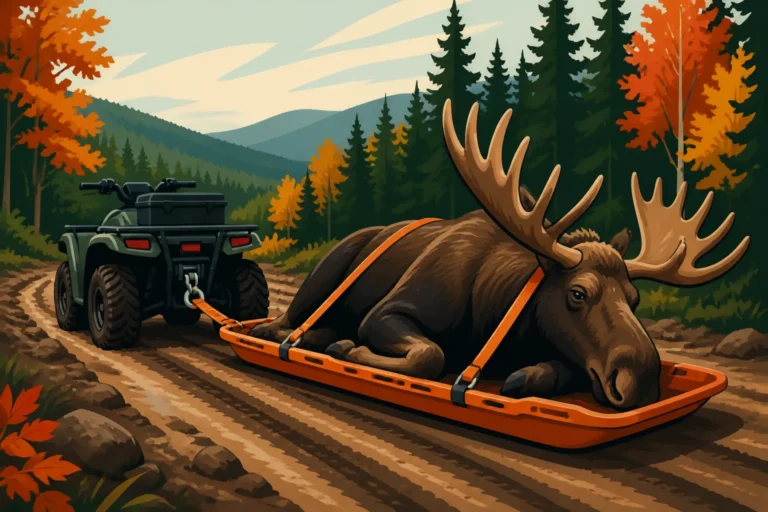
Always tell someone exactly where you're going and when you expect to return. This "float plan" is a critical safety measure. Carry enough water for the duration of your hunt, or a water filter if you plan to access natural sources. High-calorie snacks are also a must. Remember, hunting in Vermont requires proper Vermont Hunter Education Requirements, which covers many of these safety aspects. If you're fortunate enough to harvest an animal, have a plan for field dressing and packing it out, especially if you're deep in the backcountry. Hauling out a deer, let alone a bear or moose, from a steep ravine after a successful still-hunt is a monumental task that requires physical preparedness and the right equipment.
Disclaimer
The information provided in this guide is for informational purposes only and is not a substitute for professional advice. Always consult official Vermont Fish and Wildlife Department regulations and exercise extreme caution and good judgment when hunting. Hunting is an inherently risky activity, and safety should always be your top priority.