Vermont’s Long Bear Season Explained
It's easy to feel a bit lost in the weeds when you first start digging into Vermont's black bear hunting regulations. Unlike some states with just a quick, defined season, ours is a long, nuanced affair that stretches across much of the fall, presenting both incredible opportunities and unique challenges. This guide is designed to demystify Vermont's extensive bear season, offering a clear roadmap for understanding the permits, dates, and strategies you'll need to pursue these incredible animals.
Understanding Vermont's Unique Bear Season Structure
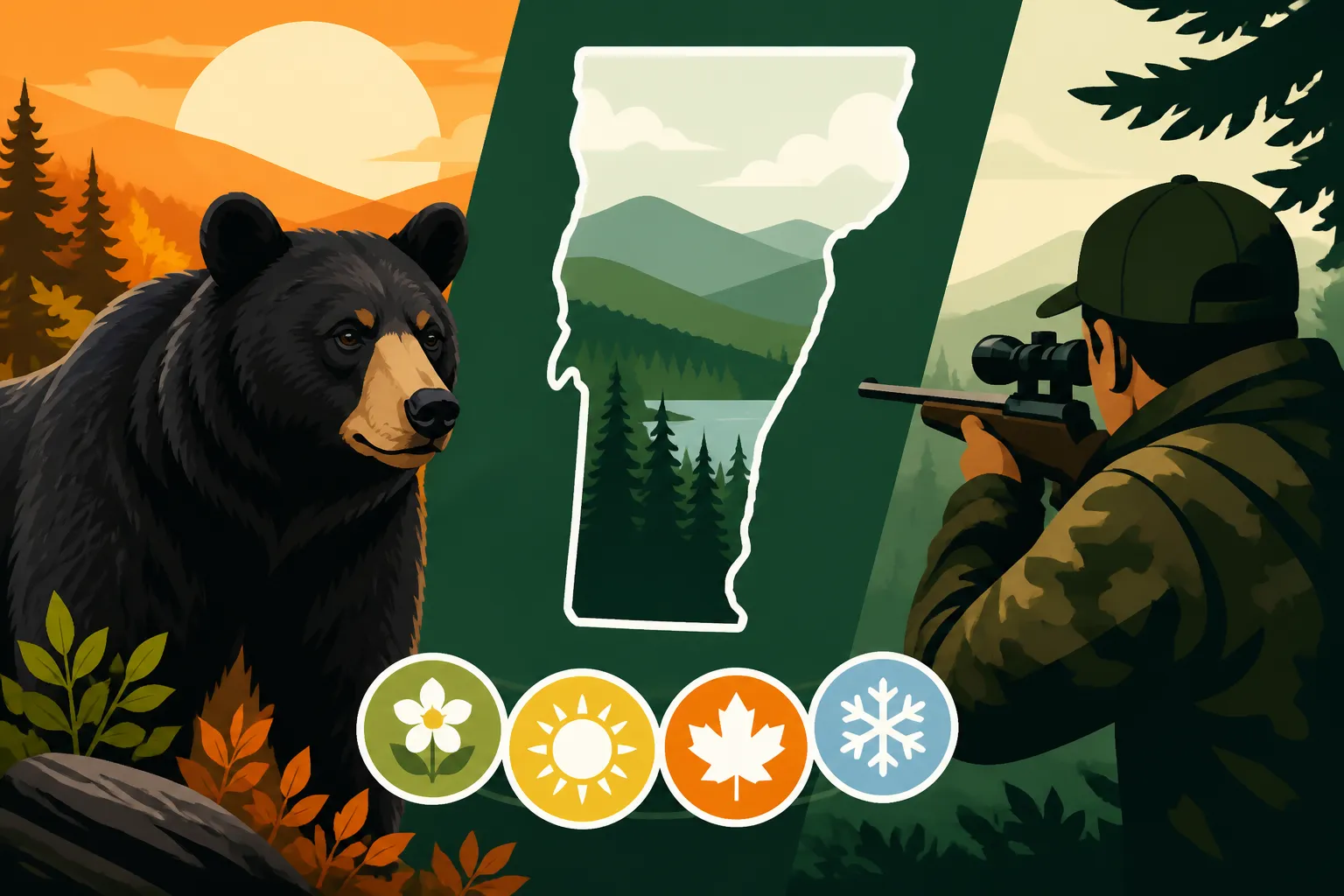
Vermont's black bear season is truly a testament to thoughtful wildlife management, offering a diverse array of hunting opportunities from late summer right into the late fall. It's not a one-size-fits-all approach, but rather a carefully structured calendar that reflects different hunting methods and times of year when bears are most active and accessible. This extended season allows hunters to pursue bears during varying behavioral patterns, from their summer feeding frenzies to their pre-denning push.
The Archery and Early Bear Permit Window
The bear season kicks off in late August or early September, often coinciding with the start of Vermont's archery deer season. This early period is largely dedicated to archery hunters, and it’s when many choose to pursue bears, especially those who prefer the quiet challenge of a bow hunt. To participate in this early segment, specifically for bear, you'll need to secure an early bear permit in addition to your standard hunting license and archery endorsement. This separate permit is a critical detail that many new hunters sometimes overlook.
During this time, bears are typically still very active, putting on weight before the colder months. They are often found frequenting traditional food sources like berry patches, early apple orchards, and beechnut ridges as they begin to ripen. Hunters often find success during this period by setting up near these known food sources or by utilizing legal bait sites. Understanding the nuances of Bear Hunting Vermont's Long September-to-November Season is key to maximizing success during this early window. The weather can still be quite warm, so proper game care and hydration for the hunter are paramount.
The Regular Bear Season and Deer Season Overlap
As the calendar pages turn towards October and November, the bear season expands significantly and begins to overlap with Vermont's popular deer seasons, including both the regular archery season and the much-anticipated rifle season. This overlap means hunters can often carry both a deer and a bear tag, provided they have the necessary permits and adhere to weapon-specific regulations. This can be a huge advantage for multi-species hunters, offering the chance to fill two tags on the same outing.
When the rifle season for deer opens in mid-November, the bear season is still in full swing. This is a critical period where hunters need to pay close attention to the specific weapon regulations. While you might be hunting deer with a rifle, if you have a bear permit, you can take a bear with that rifle during the designated bear season dates. However, blaze orange requirements become mandatory for all hunters during rifle season, regardless of what species they are primarily pursuing. Knowing when Vermont Bear Season Dates are for each weapon type is crucial for legal and safe hunting. The intensity of hunting pressure also typically increases during this overlap, especially in accessible areas, making detailed scouting even more important.
Essential Permits and Regulations
Navigating the permit system and understanding the specific rules for bear hunting in Vermont can feel a bit like reading fine print, but it’s absolutely essential for a legal and ethical hunt. Vermont Fish & Wildlife is diligent about managing the bear population, and the permit structure reflects that commitment, ensuring a balanced harvest while maintaining a healthy, thriving bear population.
Required Licenses and Permits
Before you even think about stepping into the woods for a bear, you'll need a current Vermont hunting license. Beyond that, the specific permits you need will depend on when and how you plan to hunt. If you're targeting the early bear season, which typically runs from early September through the first part of November, you'll need to purchase an early bear permit. This permit is separate from your base hunting license and any archery or muzzleloader endorsements.
If you plan to hunt bear during the regular rifle season for deer, you'll generally just need your standard hunting license with a valid rifle endorsement. However, always double-check the most current regulations from the Vermont Fish & Wildlife Department, as rules can occasionally be tweaked year-to-year. The cost of these permits is quite reasonable, with the Vermont Early Bear Permit Cost being a small investment for the extended hunting opportunity it provides. Many hunters find purchasing licenses through the state's online portal to be the most convenient method.
Bag Limits and Reporting Requirements
Vermont maintains a strict bag limit for black bears: one bear per hunter per calendar year. This limit applies regardless of how many permits you hold or which season you participate in. The goal is conservation, not overharvest. Once you’ve harvested a bear, it's absolutely critical to understand the reporting requirements. All harvested bears must be reported to the Vermont Fish & Wildlife Department within 48 hours.
This can be done either online through their reporting system or at a designated check station. The department uses this data to monitor the health and population trends of Vermont's black bears, helping them make informed management decisions. It’s not just a formality; it's a vital part of conservation. Failure to report a bear within the specified timeframe can result in penalties, so always make this your top priority after a successful hunt. This system helps ensure the Vermont Bear Population Estimate remains accurate, guiding future season structures.
Bear Biology and Behavior During the Season
To successfully hunt black bears in Vermont, you need to think like a bear. Their behavior changes significantly throughout the long season, primarily driven by their insatiable need to forage for food and pack on calories before their winter denning period. Understanding these seasonal shifts in diet and movement is paramount to predicting where you might find them.
Early Season Feeding Patterns
When the season opens in late August and early September, bears are in full "hyperphagia" mode – basically, they’re eating machines trying to consume as many calories as possible. At this time, their diet is heavily focused on fruits and berries. Look for them in areas rich with wild apple trees, beech ridges, and berry patches (like raspberries, blackberries, and blueberries). These food sources are often found along field edges, old logging cuts, and on south-facing slopes.
Bears will hit these spots repeatedly until the food source is depleted. Scouting during late summer is crucial to identify these hotspots. They'll travel surprising distances between bedding areas and feeding grounds, often using dense cover like thick conifer stands or beaver swamps for bedding down during the day. As the season progresses into October, their focus might shift from soft mast to hard mast, such as acorns and beechnuts. Knowing the availability of these mast crops from year to year, which you can often discern by scouting or even just observing local conditions, can be a game-changer.
Late Season Movements and Denning Prep
As October gives way to November, and temperatures begin to drop, bears intensify their feeding efforts, aiming for a final push of calories before denning. This is often when they’ll hit cornfields, if available, or continue to scour the woods for any remaining mast. With the onset of colder weather and increased deer hunting pressure, bears may become more nocturnal or utilize thicker, more secluded cover during daylight hours.
Eventually, as winter approaches and sustained cold temperatures arrive, bears will enter their dens. The exact timing can vary based on weather conditions and food availability, but generally, by late November or early December, most bears in Vermont are denned up. Understanding this shift is vital. Hunting right up until Hunting Bear Before the November Close means focusing on those last-ditch feeding efforts and knowing bears might be more wary due to hunting pressure and the looming winter. Their dens are often found in brush piles, rock crevices, hollow logs, or under the roots of large trees, especially in areas with dense softwood cover that provides insulation.
Scouting and Strategy for Success
Successfully hunting black bears in Vermont requires a blend of diligent scouting, smart stand placement, and often, a lot of patience. Given the varied terrain and the long season, adapting your tactics to the specific time of year and available food sources is crucial.
Pre-Season Scouting and Sign Reading
The work for a successful bear hunt often begins long before the season even opens. Pre-season scouting is absolutely critical. Start by looking for classic bear sign: overturned rocks and logs (they're looking for grubs and insects), broken branches in apple trees, scat, and tracks. Pay close attention to areas with known food sources like wild apple orchards, oak ridges (for acorns), and beech stands (for beechnuts). These "mast crops" are bears' primary caloric drivers in the fall.
Using mapping tools like GoHunt can be incredibly valuable for identifying potential feeding areas, dense bedding cover, and travel corridors on public land. These tools allow you to pinpoint old logging roads, clear-cuts, and water sources that bears might frequent. Walking these areas, especially along ridge lines and creek bottoms, will help you identify fresh sign. Understanding Scouting Vermont Public Land Before Season can give you a significant edge, as locating consistent food sources before other hunters do is key. Focus your efforts on finding active feeding sign rather than just old tracks.
Hunting Methods: Spot-and-Stalk vs. Baited Sites
Vermont allows for several hunting methods, giving hunters options based on their preferences and the terrain. Spot-and-stalk hunting is a challenging but rewarding method, particularly in more open areas or along clear-cut edges where visibility is good. It involves slowly moving through bear habitat, glassing openings, and trying to intercept a bear as it feeds or travels. For this, identifying key travel routes, such as saddles between ridges or trails leading to water, is vital. This method requires excellent woodsmanship, quiet movement, and patience. Many hunters practice Spot-and-Stalk Bear Hunting Vermont Ridges to cover ground and find bears actively foraging.
Hunting over bait is another popular and highly effective method, especially in the early season. Vermont has specific regulations governing baiting, including distances from roads and residences, and the type of bait allowed. Typically, sweet, high-calorie foods like donuts, pastries, and corn are used. If you choose to bait, consistency is key – keep the site stocked regularly. Also, remember that bait sites need to be established well in advance of the hunt to habituate bears to the location. Always thoroughly review the state's rules on Baiting Bears Legally in Vermont to ensure compliance. The success of a bait site relies heavily on legal placement, consistent maintenance, and minimizing human scent at the location.
| Hunting Method | Pros | Cons | Ideal Scenario |
|---|---|---|---|
| Spot-and-Stalk | Highly active, engaging; covers more ground | Physically demanding; requires good visibility | Open timber, clear-cuts, large public land parcels |
| Hunting over Bait | High success rates; allows stand placement | Time-consuming setup/maintenance; scent control crucial | Dense woods, areas with less natural food, early season |
| Still-Hunting | Quiet, low impact; covers ground slowly | Requires extreme patience; less active than spot-and-stalk | Thick hardwoods, areas with known mast crops |
| Stand Hunting | Minimal movement, good for scent control | Limited visibility; depends on bear movement | Near natural food sources, travel corridors, water sources |
Ethical Considerations and Challenges
Hunting bears in Vermont, while an exciting pursuit, comes with significant ethical responsibilities and unique challenges that every hunter must understand and prepare for. Maintaining a high standard of ethics ensures the long-term health of the bear population and the positive public perception of hunting.
Identifying Legal Bears and Avoiding Sows with Cubs
Perhaps the most critical ethical consideration in bear hunting is properly identifying your target, especially to avoid harvesting a sow with cubs. Vermont regulations prohibit shooting a bear accompanied by cubs. This can be challenging in dense cover or at last light. Cubs, even larger ones, will often stay close to their mother. Look for differences in size, behavior, and how many bears are present before making the decision to shoot. A lone bear is always a safer bet.
If you suspect there might be cubs nearby, even if you can't see them clearly, it's always best to pass on the shot. Patience is a virtue in bear hunting. Observing a bear for several minutes can often reveal if it's truly alone or if cubs are trailing behind. This crucial skill of Judging a Legal Bear From a Sow With Cubs is something every bear hunter must master. It's not just about avoiding a violation; it's about respecting the animal and ensuring future generations of bears.
Dealing with Tough Terrain and Game Recovery
Vermont's terrain, especially in areas like the Green Mountain National Forest or the rugged Northeast Kingdom, can be incredibly challenging. Bears often frequent steep, thick, and remote areas, and recovering a harvested bear from such terrain can be an arduous task. This is not a situation where you want to be unprepared. Always carry a reliable headlamp, a well-stocked first-aid kit, and a plan for game recovery.
Consider hunting with a partner or at least letting someone know your exact hunting location and expected return time. If you shoot a bear, give it plenty of time before trailing, especially if the shot wasn't perfect. A wounded bear in thick cover can be dangerous. Having a robust pack frame or even a game cart (though often impractical in very steep terrain) can be invaluable. Being prepared for the physical demands of Recovering a Deer From a Steep Ravine or a bear from similar country is essential, and good physical conditioning will pay dividends. The effort required is a part of the hunt, and respectful recovery of the animal is paramount.
Success Stories and Community
Vermont's long bear season isn't just about the hunt itself; it's also about the stories, the community, and the shared passion for the outdoors. Many hunters find that the challenges of pursuing black bears create some of their most memorable and hard-earned experiences.
Sharing Your Harvest and Experiences
One of the great joys of hunting in Vermont is the strong sense of community. After a successful bear hunt, sharing the story of the chase and the bounty of wild game meat is a time-honored tradition. Black bear meat, when properly handled, is delicious and versatile, making for excellent roasts, stews, and ground meat. Many hunters choose to process their own bear, which is a rewarding experience in itself, allowing them to truly connect with their food source.
Whether it's at a local deer processing shop, a community gathering, or simply around a campfire with fellow hunters, these shared experiences strengthen the bonds of the hunting community. From trading tips on Hunting a Drawn Moose Zone in the Northeast Kingdom to discussing the best way to prepare bear sausage, these conversations are a vital part of the tradition. The efforts of Vermont hunters directly contribute to conservation, and sharing that commitment helps foster a deeper appreciation for wildlife.
Resources and Continued Learning
For both new and seasoned bear hunters, there's always more to learn. The Vermont Fish & Wildlife Department is an excellent resource, providing up-to-date regulations, harvest reports, and educational materials. Their website is a treasure trove of information, including interactive maps and season summaries. Local hunting clubs and organizations also offer valuable knowledge, often hosting workshops or informal gatherings where experienced hunters can share their insights.
Don't be afraid to ask questions or seek advice from those who have more experience. Websites and apps, like those that integrate with GoHunt, can further aid in scouting, providing detailed topographical maps, satellite imagery, and public land boundaries, which are incredibly useful for planning a bear hunt in Vermont's diverse landscapes. Continued learning about Vermont Bear Den Study Findings can also deepen your understanding of these animals and improve your hunting success over time. The passion for hunting in Vermont runs deep, and there's a wealth of knowledge available for those willing to seek it out.
Disclaimer
The information provided in this guide is for general informational purposes only and is not a substitute for the official regulations published by the Vermont Fish & Wildlife Department. Hunters are responsible for knowing and adhering to all current state laws and regulations before engaging in any hunting activities. Always consult the most recent official Vermont hunting guide and relevant legal documents.