Vermont Nonresident License Options
Stepping into the world of hunting in a new state can feel like deciphering a secret code. You're passionate about experiencing Vermont's wild spaces, maybe chasing a majestic whitetail buck or calling in a spring gobbler, but the nonresident license options can seem like a tangled knot of regulations and costs. This comprehensive guide is designed specifically for you, the out-of-state hunter, to demystify the process, lay out every permit option, and ensure you arrive in the Green Mountain State fully prepared and legally equipped for an unforgettable hunt.
Unlocking the Green Mountain State's Hunting Opportunities for Nonresidents
Vermont, with its rolling Green Mountains, fertile Champlain Valley, and vast Northeast Kingdom, holds a special allure for hunters. We're a state known for our rugged beauty, abundant public lands, and a diverse range of game animals that provide incredible challenges and rewarding experiences. For those of us who grew up here, the landscape is second nature, but for a nonresident, it's an exciting new frontier that requires a bit of understanding before you even think about setting up a treestand or calling in a bird.
Why Vermont Beckons Out-of-State Hunters
There's a reason why so many hunters from New York, Massachusetts, Connecticut, and beyond cast their gaze toward Vermont each year. First off, we boast a healthy and well-managed deer herd, particularly in areas like the Champlain Valley where agriculture provides ample nutrition, leading to some impressive deer. Our state's black bear population is thriving, offering unique spot-and-stalk or baiting opportunities. And let's not forget the incredible spring turkey hunting, with gobblers echoing across our hillsides. The opportunity to hunt in such pristine, often less-pressured environments than some neighboring states, is a huge draw. Plus, our commitment to conservation and maintaining accessible public lands means there's always a new ridge to explore or a new hardwood bottom to scout.
The landscapes themselves offer a different kind of hunting experience. Whether you're navigating the steep, technical terrain of the Green Mountain National Forest or setting up along the sprawling agricultural edges of Addison County, Vermont presents a genuine wilderness feel. It's not just about the game; it's about the entire experience—the crisp autumn air, the vibrant fall foliage, and the sense of solitude you can still find in our woods. We pride ourselves on offering an authentic hunting adventure, one that connects you deeply with nature, far from the hustle and bustle of city life.
The Unique Challenges and Rewards of Hunting Here
While Vermont offers fantastic opportunities, it's also important for nonresidents to understand that it's not always easy. Our deer are wild, often pressured, and our terrain can be unforgiving. You won't find endless grids of timber roads like in some western states; much of our public land requires legitimate footwork and navigation skills. The weather can change in an instant, from a balmy October day to a driving snowstorm in November, demanding preparedness in your gear and mindset.
However, these challenges are precisely what make hunting in Vermont so rewarding. The buck you harvest after a hard-earned climb up a remote ridge or the gobbler you call in after meticulously patterning a flock feels all the more significant. The satisfaction comes not just from the kill, but from the journey, the effort, and the intimate knowledge you gain of the land. For many nonresidents, it's the chance to truly test their skills against wary game in a beautiful, wild setting that keeps them coming back season after season. It’s an immersion into a hunting culture that values respect for the land and the animals above all else.
Deciphering Vermont's Nonresident License Framework
Understanding the various license options can feel like a puzzle. Vermont Fish and Wildlife has a system designed to manage game populations effectively while offering opportunities to all hunters. For nonresidents, this means a base license to establish your right to hunt, and then specific permits for the different game species you wish to pursue. Don't worry, it's more straightforward than it might appear at first glance.
The Foundation: Base Licenses and Combination Packages
Before you can pursue any game in Vermont, every nonresident needs to purchase a base hunting license. This is your fundamental entry ticket into the hunting landscape. Think of it as your driver's license for the woods. Once you have this, you can then add specific permits for deer, turkey, bear, and so on.
The good news is that Vermont also offers "combination licenses" that bundle some of the most popular options together, often at a slight discount compared to buying them individually. For instance, you might find a combination license that includes your base hunting license, a fishing license, and even an archery or muzzleloader deer tag. It's always a good idea to check the current year's offerings on the Vermont Fish and Wildlife website to see which combinations make the most sense for your planned hunt. It can save you a few dollars and simplify the purchasing process. If you’re trying to understand the exact breakdown of the costs, you can delve deeper into specific details like the Vermont Nonresident Base License Cost or the Vermont Nonresident Combination License Cost.
Understanding Add-on Permits and Tags
Beyond the base or combination license, you'll need specific permits for the particular game you're targeting. For example, if you plan to hunt deer during any of our seasons—archery, rifle, or muzzleloader—you'll need a Deer Hunting Permit. The same goes for bear, turkey, and even a federal migratory bird stamp if you're pursuing waterfowl. These permits are crucial, and failing to secure the correct ones can quickly turn an exciting hunt into a frustrating, and potentially costly, legal issue.
It's also worth noting that some permits are subject to quotas or lottery systems, like our coveted moose permits. While Vermont has dramatically reduced its moose permits due to population health concerns, the opportunity, however slim, still exists to apply. You'll want to review the application periods and requirements well in advance for these specialized permits. For instance, understanding the Vermont Moose Lottery Application Process is vital if you dream of a Northeast Kingdom moose hunt. Staying organized and checking deadlines are key for any nonresident planning a multi-species hunt.
Navigating the Online Purchasing System
In today's digital age, acquiring your Vermont hunting licenses is mostly a streamlined process, thankfully. The Vermont Fish and Wildlife Department offers a robust online portal where nonresidents can purchase all their necessary licenses and permits. It's generally user-friendly, allowing you to select your base license, add on specific tags, and pay securely. You can also purchase them by phone or, if you're already in the state, at various authorized license agents like sporting goods stores and town clerks.
When using the online system, make sure you have all your personal information handy, including your hunter education certification details if this is your first time purchasing a license in Vermont or if your previous certification isn't on file. Many hunters find using platforms like GoHunt invaluable for not only researching hunting opportunities but also for navigating the complex licensing process in various states, including Vermont, ensuring they don't miss any critical steps. While convenience is great, it’s always wise to double-check your order before finalizing it. After all, you don’t want to arrive in Vermont only to realize you forgot that crucial bear tag. For more specifics, you might find guidance on Buying Vermont Permits Online Versus by Phone.
A Closer Look at Key Nonresident Hunting Permits
Let's dive into the specifics of the permits you'll likely be interested in as a nonresident hunter. Each game species has its own set of rules, seasons, and permit requirements, and understanding them is crucial for a successful and legal hunt.
Deer Hunting: Archery, Rifle, and Muzzleloader Options
Deer hunting is, for many, the pinnacle of the Vermont hunting experience. As a nonresident, you have access to all three primary deer seasons, each offering a distinct challenge and atmosphere:
-
Archery Season: This season typically kicks off in early October and runs into early December. It offers a long window, often overlapping with the peak of the rut, providing incredible opportunities for dedicated bowhunters. To participate, you'll need an Archery Deer Hunting Permit, in addition to your base hunting license. Don't forget that if you plan on Bowhunting During Vermont's Rifle Season during the overlap period, specific blaze orange requirements still apply, even for bowhunters, to ensure safety. This season often allows for harvesting an antlered buck and one antlerless deer, depending on the current year's regulations and any antlerless permits you might obtain.
-
Rifle Season: Our two-week rifle season in mid-November is a cherished tradition for many, locals and nonresidents alike. This is when the woods come alive with hunters pursuing bucks often on the move during the rut. To hunt deer with a rifle, you'll need a Rifle Deer Hunting Permit. Remember that during this season, blaze orange requirements are very strict, and adherence to safety protocols is paramount. The adrenaline of the rifle season is palpable, but success often comes down to scouting, patience, and understanding deer movement during this high-pressure time.
-
Muzzleloader Season: Vermont offers two distinct muzzleloader seasons for deer. The first is a short, antlerless-only window in late October, followed by a longer season in December that allows for both antlered and antlerless deer, depending on the availability of antlerless permits. This offers a fantastic late-season opportunity, especially if there's snow on the ground, making tracking much easier. A Muzzleloader Deer Hunting Permit is required for both windows. This can be a serene and challenging hunt, requiring intimate knowledge of late-season food sources and deer patterns.
Turkey and Bear Permits for the Out-of-Stater
Beyond deer, Vermont offers excellent opportunities for turkey and bear. These hunts present different challenges and demand different skill sets, but both can be incredibly rewarding.
-
Wild Turkey Hunting: Vermont's wild turkey population is robust, offering both spring and fall seasons. For the spring hunt, which runs from May 1st through the end of the month, you'll need a Spring Turkey Hunting Permit. Nonresidents are typically limited to one bird during the spring season. Fall turkey hunting offers a statewide archery-only window and specific Wildlife Management Units (WMUs) that allow shotgun hunting. You'll need a Fall Turkey Hunting Permit for these seasons. It's a fantastic experience, whether you're calling a gobbler off the roost in May or breaking up a fall flock to call them back in.
-
Black Bear Hunting: Vermont boasts a healthy and growing black bear population, and nonresident hunters are welcome to participate. We have a long bear season, typically running from September 1st through mid-November, with a specific early season bear permit allowing baiting and hounds, and a later season during rifle deer season when only still hunting or stalking is allowed. You'll need a Bear Hunting Permit. If you’re interested in hunting bear before the November closure, understanding the specific permit requirements is key. Baiting bears legally in Vermont requires careful planning, adherence to specific regulations regarding bait site management, and securing the proper early bear permit. Bear hunting in Vermont can be an intense and truly wild experience, especially in the rugged terrain of the Northeast Kingdom.
Waterfowl, Small Game, and Furbearer Considerations
Vermont isn't just about big game. We're nestled right in the Atlantic Flyway, making us a fantastic destination for waterfowl hunters, and our woods are teeming with small game.
-
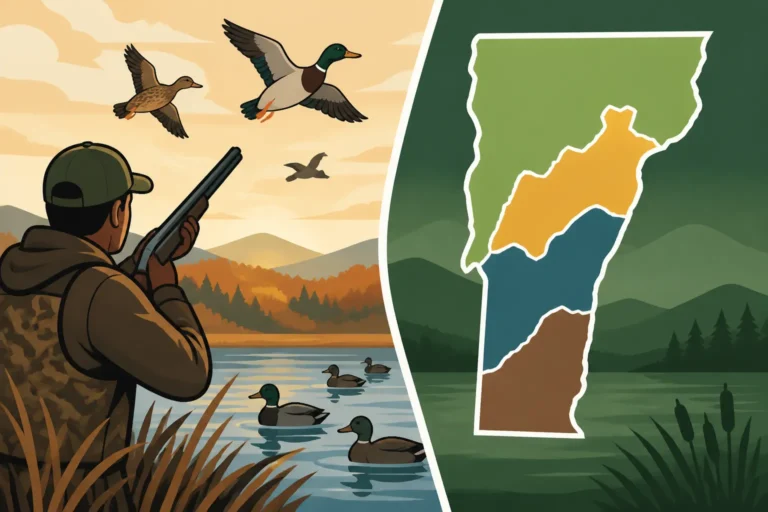
Waterfowl: If you're looking to decoy ducks on Lake Champlain or pass-shoot geese along the Connecticut River, you'll need a Small Game Hunting License in addition to your base hunting license. Furthermore, all waterfowl hunters, including nonresidents, must possess a federal migratory bird stamp and register with the Harvest Information Program (HIP). You'll want to familiarize yourself with Vermont Waterfowl Zones and Seasons as our state is divided into three distinct zones with differing season dates and bag limits. The Missisquoi National Wildlife Refuge, for example, offers incredible bird hunting opportunities but comes with its own set of rules.
-
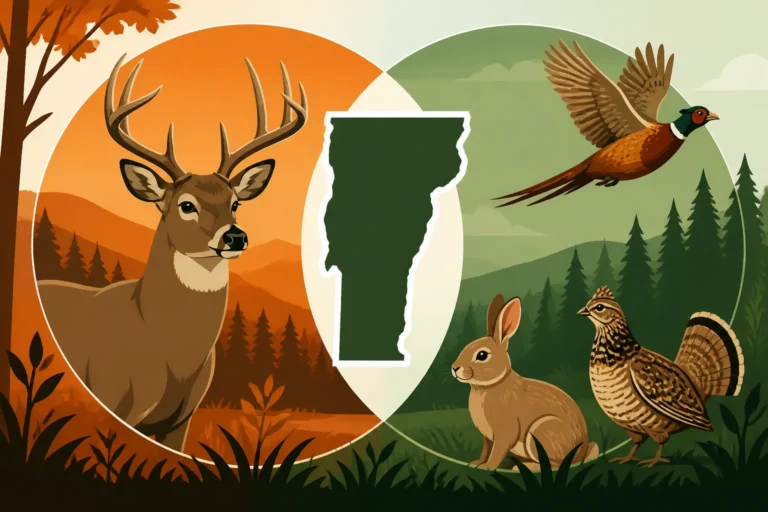
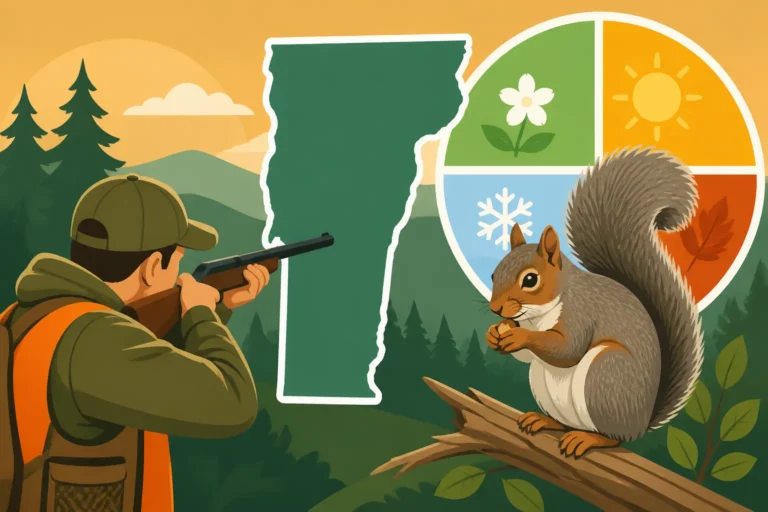
Small Game: For hunting species like ruffed grouse, snowshoe hare, squirrels, and cottontail rabbits, a Small Game Hunting License is sufficient, in addition to your base hunting license. These seasons often run for extended periods, providing ample opportunity for a more relaxed hunt or a chance to fill the freezer. Squirrel Hunting Vermont Hardwoods can be a great way to introduce younger hunters to the sport or just enjoy a quiet day afield.
-
Furbearers: If trapping or hunting furbearers like coyotes, fox, or bobcat is your pursuit, you'll need the appropriate furbearer or trapping license. Coyote hunting, in particular, has become popular, and nonresidents can participate with the proper licenses, often finding success in our farm country. Just be aware of night hunting regulations if you're considering that pursuit.
Essential Prerequisites and Regulations for Nonresidents
Beyond just buying the right licenses, there are several key requirements and regulations that every nonresident hunter needs to be aware of before coming to Vermont. Compliance isn't just about avoiding a ticket; it's about ensuring a safe and ethical hunting environment for everyone.
Meeting Hunter Education Requirements
This is a big one, especially if you haven't hunted in Vermont before. Like most states, Vermont requires proof of hunter education. If you were born after January 1, 1970, you must have successfully completed a hunter education course to purchase a Vermont hunting license. This doesn't have to be a Vermont-specific course; a hunter education certification from any other state or Canadian province is generally accepted.
You'll need to provide proof of this certification when you purchase your license. If you're buying online, there will be a section to input your certification number. If you've never held a hunting license or don't have a hunter education certificate, you'll need to complete a certified course. Fortunately, many states offer online components or combined online/field day courses that can fulfill this requirement. Ensuring you meet Vermont Hunter Education Requirements well in advance of your trip is critical, as you don't want to get to the license purchasing stage only to hit a roadblock.
Understanding Vermont's CWD Prevention Rules
Chronic Wasting Disease (CWD) is a serious concern for wildlife managers across North America, and Vermont has taken proactive steps to keep our deer and moose herds CWD-free. For nonresident hunters, this primarily impacts how you can bring deer, moose, or elk carcasses into the state.
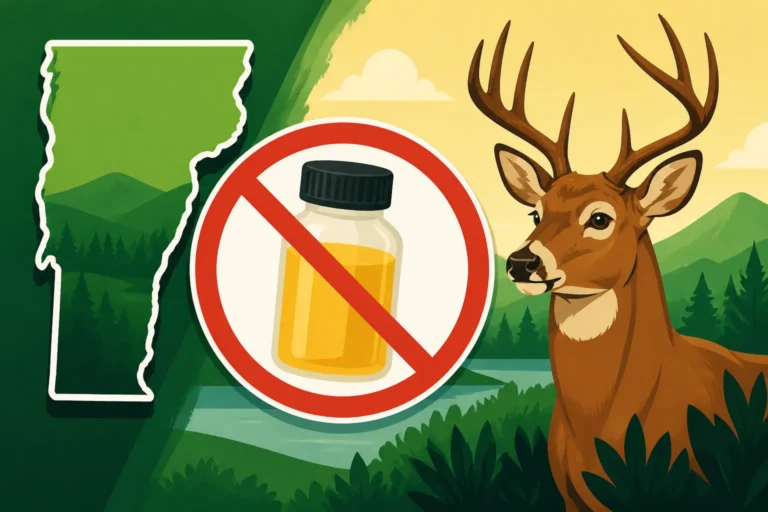
Vermont has strict carcass import restrictions in place. Essentially, you cannot bring whole deer, moose, or elk carcasses from states or provinces with confirmed CWD cases into Vermont. This means if you hunt in an adjacent CWD-positive area, you must process the animal down to boned-out meat, quarters, hides, or skull plates (with brain matter removed) before transporting it across state lines. These rules are in place for a good reason, and adherence is mandatory. For the most up-to-date information on affected states and specific regulations, always check the Vermont Fish and Wildlife Department's official website or review information regarding the Vermont CWD Testing Program. Also, Vermont has a ban on urine-based deer lures, which is another CWD prevention measure, so leave those at home. You can read more about Vermont's Rule Against Urine-Based Deer Lures to ensure full compliance.
General Hunting Regulations and Safety Protocols
Beyond specific permits and CWD rules, there are general regulations every hunter, resident or nonresident, must follow. These include rules around firearm discharge setbacks from dwellings, road hunting prohibitions, and blaze orange requirements. During any big game season (deer, bear, moose), all hunters, even those pursuing small game, must wear a minimum amount of blaze orange (or pink). This isn't just a rule; it's a critical safety measure that protects everyone in the woods.
Always carry your license and permits with you while hunting. Know the legal shooting hours, which typically run from half an hour before sunrise to half an hour after sunset. Understand bag limits, and if you're successful, familiarize yourself with Vermont Deer Reporting Requirements, which now often include online or app-based reporting. Respect for private property is also paramount; always know where you are hunting and if it's private land, ensure you have explicit permission.
Planning Your Vermont Nonresident Hunting Expedition
A successful nonresident hunt isn't just about having the right licenses; it's about thoughtful planning. From where you'll hunt to where you'll lay your head, thinking through the logistics beforehand can make all the difference between a frustrating trip and an unforgettable adventure.
Scouting and Accessing Vermont Public Land
Vermont is fortunate to have a significant amount of public land accessible for hunting, including the Green Mountain National Forest and numerous Wildlife Management Areas (WMAs). For a nonresident, these public tracts are often the primary focus. However, don't expect easy access or guaranteed success. These lands can be rugged, and the deer often learn to avoid areas with high human traffic.
Pre-season scouting is crucial, even if it's done remotely. Utilize online mapping tools like GoHunt, onX Hunt, or the Vermont Fish and Wildlife Department's own mapping app to identify potential access points, topography, potential bedding areas, and food sources. Look for pinch points, saddles, and transition areas that funnel deer movement. Knowing Public Hunting Land in Vermont and understanding the terrain will give you a significant advantage. If you can make a trip up to scout physically before the season, even better, but remote scouting is a powerful tool. Pay attention to features like old logging roads, clear-cuts, and water sources. These can all be key indicators of where deer might be holding. For specific scouting strategies, checking out Scouting Vermont Public Land Before Season can offer valuable insights.
Lodging, Services, and Local Support for Your Trip
Once you've decided where you might hunt, consider where you'll stay. Vermont offers a range of lodging options, from rustic cabins and campgrounds to hotels and Airbnbs in nearby towns. If you're targeting a remote area of the Green Mountain National Forest, dispersed camping might be an option, but always check specific rules for the area. For example, if you're considering Hunting the Northeast Kingdom, knowing the nearest towns with amenities is essential.
Local services are also vital. Identify nearby grocery stores, gas stations, and, importantly, places where you can process or store game if you're successful. Some small towns might have local butchers who can help, but it’s always best to have a plan for field dressing and meat care, especially if you're hunting in warmer early season conditions. Don't underestimate the value of supporting local businesses; they are often fantastic resources for local knowledge and conditions. Engaging with folks at the local general store or sporting goods shop can sometimes lead to invaluable tips or even permission to hunt a small private parcel. Regarding the latter, understanding Getting Private Land Permission in Vermont is a game-changer.
Leveraging Technology for a Successful Hunt
In today's hunting world, technology can be a nonresident hunter's best friend. As mentioned, mapping apps are invaluable for navigating public lands, understanding property boundaries, and marking key sign. A reliable GPS unit or a smartphone with downloaded offline maps (because cell service can be spotty in the mountains) is a necessity.
Weather apps are also critical for monitoring conditions, which can influence deer movement and your layering strategy. Speaking of which, don't forget the importance of Layering for Vermont's Long Hunting Season to adapt to our often unpredictable weather shifts. GoHunt, for example, is renowned for its detailed mapping and planning tools, which can really help nonresidents identify prime hunting spots, analyze public land access, and plan their entire trip efficiently. It's about working smarter, not just harder, to maximize your limited time in the field.
Maximizing Your Investment: Tips for Nonresident Success
As a nonresident, you're making an investment of time, money, and effort to hunt in Vermont. To ensure you get the most out of your experience, a few strategic considerations can go a long way.
Timing Your Hunt with Peak Vermont Seasons
Understanding the nuances of Vermont's seasons can significantly increase your chances of success. If a trophy buck is your goal, timing your trip with the peak of the rut in early to mid-November, coinciding with our rifle season, is often the best bet. For archery hunters, the late October to early November period can also be phenomenal as bucks begin to chase. For bear, the early September season, often associated with natural food sources like beech nuts and acorns, or utilizing legal bait sites, can be productive.
If flexibility allows, consider visiting during periods when hunter pressure might be lower. The later muzzleloader season in December, especially after a fresh snowfall, can offer a magical and productive hunt with fewer people in the woods. Early archery season also provides a more solitary experience. Researching historical harvest data and weather patterns can help you pinpoint the best windows for your target species and preferred hunting method.
Respecting Landowner Relations and Local Etiquette
While public land offers abundant opportunities, securing permission on private land can unlock incredible hunting experiences, especially in the Champlain Valley's rich agricultural areas. Vermont's tradition is largely one of open lands, but permission is always required to hunt on private property. A polite knock on a door, an explanation of your intentions, and an offer to share game can go a long way. Be respectful, never leave gates open, and always pack out everything you pack in.
Building these relationships can take time, but the rewards are immense. Many landowners appreciate hunters who are courteous and considerate, and who might even offer to help with chores or wildlife management. It's about being a good neighbor, even if you're only visiting for a week. Remember, your actions reflect on all nonresident hunters, so always strive to leave a positive impression.
Preparing for Vermont's Diverse Terrain and Weather
Vermont hunting is not for the faint of heart or the unprepared. Our terrain can range from relatively flat farmlands to incredibly steep, rocky mountain slopes. You need to be in reasonable physical condition, and your gear needs to be up to the task. Quality, broken-in boots that provide ankle support and traction are non-negotiable, especially when navigating wet leaves, mud, or snow.
Weather can swing wildly, even within a single day. A crisp fall morning can quickly turn into a driving rain or snowstorm. Layers are your best friend—think moisture-wicking base layers, insulating mid-layers, and waterproof, breathable outer shells. Having reliable navigation tools, a first-aid kit, and emergency supplies (fire starter, extra food, water filter) is prudent, especially when venturing deep into the Green Mountain National Forest or the expansive tracts of the Northeast Kingdom. Being realistic about the challenges and preparing thoroughly will make your Vermont hunt not just successful, but enjoyable and safe.
Disclaimer
The information provided in this guide is for general informational purposes only. Hunting regulations, license costs, and season dates can change. Always consult the official Vermont Fish and Wildlife Department website or contact them directly for the most current and accurate information before planning and executing your hunt. It is the responsibility of the hunter to know and abide by all applicable laws and regulations.