Vermont Rifle Season Opening Day
There’s nothing quite like the electric anticipation that hums through Vermont as deer rifle season opening day draws near. It's a date circled on calendars, a topic of endless conversation at camp, and for many, the pinnacle of their hunting year. However, navigating the specific regulations, understanding the precise timing, and preparing effectively for this high-stakes, short-window opportunity can feel like a daunting task. This guide is designed to cut through the confusion, offering a meticulous breakdown of everything you need to know to ensure you’re legal, safe, and ready for success when the season kicks off.
Understanding Vermont's Deer Rifle Season Opener
The Vermont deer rifle season is a truly special time, a tradition steeped in community and the crisp air of a Green Mountain November. But to make the most of it, you need to understand its unique structure, starting with that all-important opening day.
Key Dates and Calendar Considerations
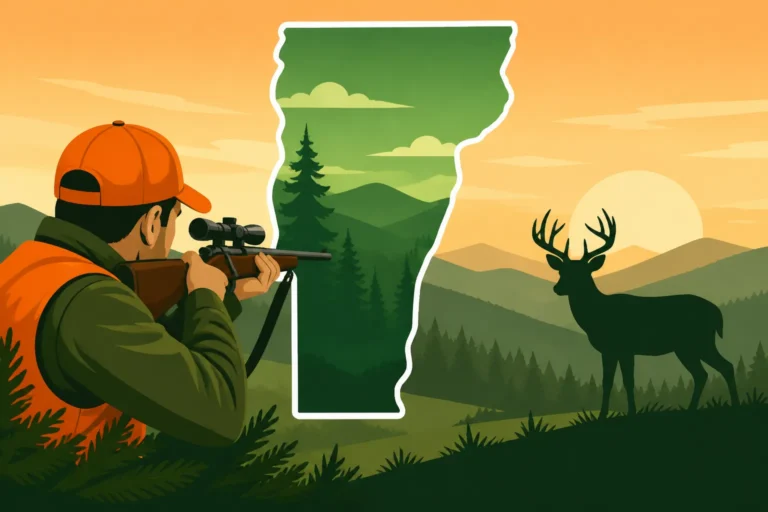
Unlike some states with longer, more varied rifle seasons, Vermont's is famously concise. Generally, the rifle season opens on the second Saturday in November and runs for 16 consecutive days. This consistent opening day is a gift and a curse. It's predictable, allowing you to plan vacations and trips to camp years in advance. Yet, its brevity means every single day counts, with opening day carrying an almost ceremonial weight. Hunters pour into the woods, fueled by coffee and excitement, hoping to capitalize on the first light. While the specific date shifts slightly year to year (for example, opening on November 11th in 2023 and November 9th in 2024), the "second Saturday" rule remains constant. It’s always wise to double-check the Vermont Fish & Wildlife Department’s official regulations each year, but you can always count on that mid-November kick-off. You can find more comprehensive details about the season dates in our full guide to Vermont's November Rifle Season.
Why the Dates are Crucial for Planning
The short duration of Vermont’s rifle season, especially its opening day, creates a unique set of challenges and opportunities. This narrow window often coincides directly with the peak of the deer rut in many parts of the state. This means bucks are actively moving, searching for does, and can be more susceptible to calling and strategic hunting. However, it also means that hunter density on public lands, and even smaller private parcels, can be incredibly high on opening day. You'll want to plan your hunting locations carefully.
For many, this short season is the only time they might get to pursue deer with a rifle, requiring meticulous planning. Securing time off work, coordinating with hunting partners, and ensuring you have permission to hunt specific private lands must be finalized well in advance. Understanding how these dates align with deer behavior, weather patterns, and hunter pressure is paramount. For instance, an early November cold snap could push deer into specific cover, or a late warm spell might keep them less active during daylight hours. This is where diligent pre-season scouting and using mapping tools like GoHunt to analyze topography and potential access points really shine. You'll want to review resources like Hunting the Rut in Early-to-Mid November to fine-tune your approach for these critical weeks. The intensity of this period is a big reason Why the Rifle Season Runs Just Two Weeks.
Essential Regulations and Legal Requirements
Stepping into the woods on Vermont rifle season opening day isn't just about bagging a buck; it's about doing so legally and safely. Vermont has clear, non-negotiable rules designed to ensure a fair chase, promote ethical hunting, and prioritize the safety of all outdoor enthusiasts.
Legal Weapons and Ammunition
When it comes to the rifle season, as the name suggests, centerfire rifles are the primary legal weapon. This means you can use a wide array of popular calibers, from the venerable .30-06 Springfield and .270 Winchester to modern favorites like the 6.5 Creedmoor and .308 Winchester. However, it's not exclusively a rifle season for all hunters. Shotguns (20 gauge or larger, with slugs or sabots only), muzzleloaders, and even archery equipment are also permitted. For those hunting with a shotgun, it's critical to ensure you're using legal ammunition – no buckshot or birdshot for deer.
While most of Vermont allows rifles, it’s always prudent to be aware of any hyper-local ordinances or specific Wildlife Management Area (WMA) rules that might restrict weapon types to, say, shotguns or muzzleloaders only for safety reasons in more populated areas, though such restrictions are less common during the statewide rifle season itself. Always verify regulations for your specific hunting area with the Vermont Fish & Wildlife Department before heading afield. Also, remember that all firearms must be unloaded in vehicles, and crossbows have specific equipment requirements covered in Vermont Crossbow Equipment Rules.
Blaze Orange and Safety Mandates
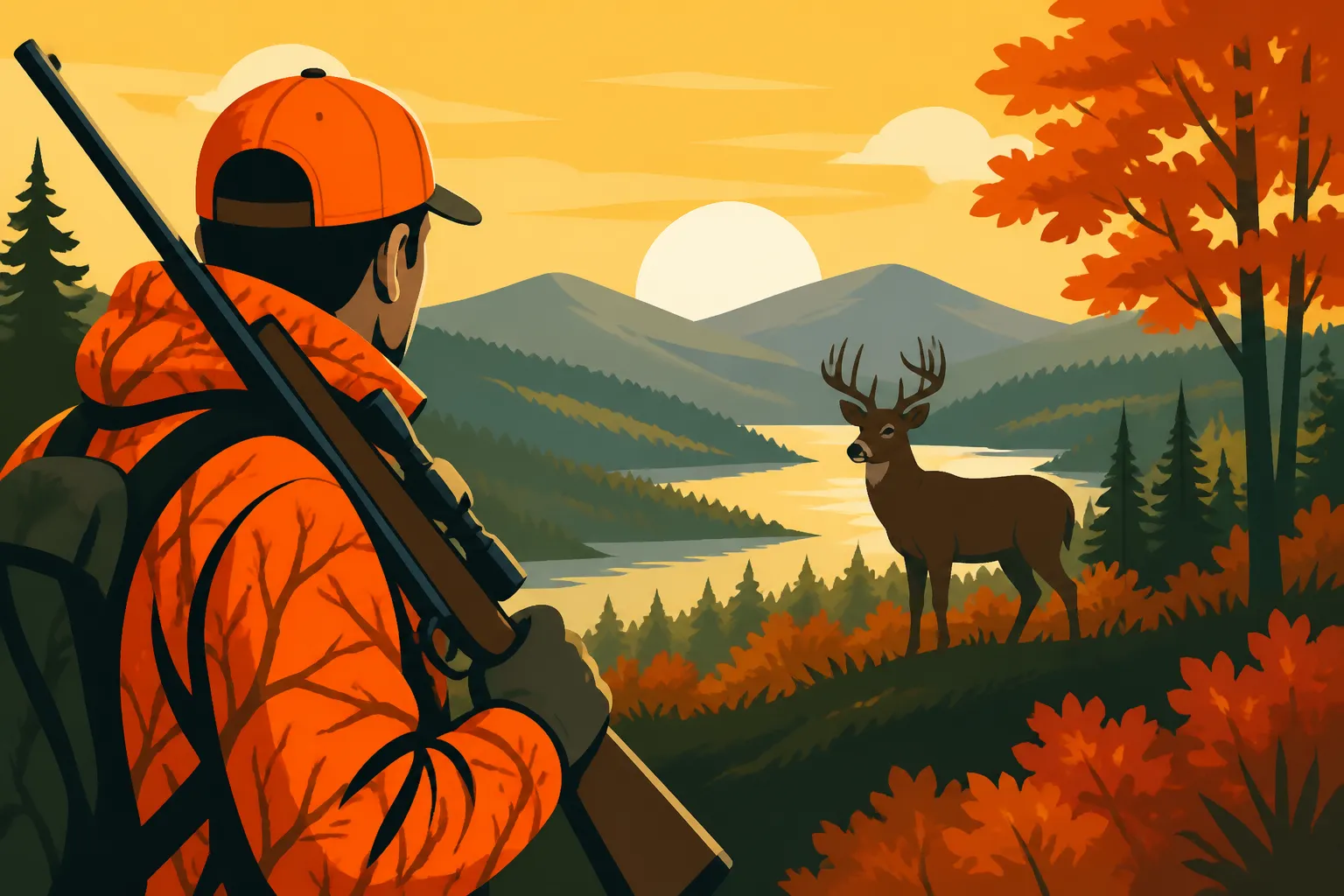
Safety is paramount during the rifle season, especially on opening day when hunter numbers are highest. Vermont law mandates that all deer hunters (including bowhunters during the overlap period) wear blaze orange or blaze pink during the regular firearm deer season. The requirement is specific: you must wear at least 500 square inches of solid fluorescent orange or pink above the waist, visible from all sides. This means a good quality vest or jacket is essential. This isn't just a suggestion; it's a legal requirement designed to make you highly visible to other hunters, dramatically reducing the risk of accidental shootings.
Beyond the legal mandate, embracing blaze orange is a core tenet of responsible hunting. Always treat every firearm as if it's loaded, keep the muzzle pointed in a safe direction, be sure of your target and what’s beyond it, and keep your finger off the trigger until you’re ready to shoot. Completing a certified Vermont Hunter Education Requirements course instills these crucial safety principles. For a deep dive into specific visibility regulations, refer to Vermont Blaze Orange Requirements.
Preparing for Opening Day Success
Opening day of rifle season isn't just another day in the woods; it's often the culmination of months of anticipation and preparation. To truly maximize your chances and ensure a safe, enjoyable hunt, you need a solid strategy and reliable gear.
Scouting and Pre-Season Strategy
The secret to success on opening day often lies in the work you do before the season even begins. Pre-season scouting is about understanding deer patterns, identifying key locations, and having a game plan for how deer might react to increased hunter pressure. Start by focusing on food sources, especially acorns, wild apples, and prime browse areas. As the season progresses into November, look for late-season food plots or unharvested agriculture, which can become major draws.
Next, identify bedding areas – often thick, secluded cover that offers security. Once you've located food and bedding, focus on the travel corridors, funnels, and pinch points that connect them. These are often the best places to encounter deer, especially rutting bucks on the move. Don’t forget to consider how wind and thermals will affect deer movement and your approach, particularly in Vermont’s varied terrain. Using tools like GoHunt’s mapping features can help you analyze topography, identify potential bottlenecks, and understand property boundaries on public or permitted private land. For more detailed guidance, check out Scouting Vermont Public Land Before Season and learn about Reading Aerial Photos for Green Mountain Deer. Understanding Where Vermont Bucks Bed in Thick Cover is another crucial piece of the puzzle.
Gear Checks and Last-Minute Essentials
The last thing you want on opening day is a gear malfunction or a forgotten item. A thorough gear check is indispensable. Start with your rifle: Is it clean? Is your scope securely mounted? Has it been recently sighted in? Practice shooting from cold weather positions if possible. Make sure you have enough ammunition, and that it’s the correct type for your firearm and legal for deer.
Beyond your firearm, warm layers are critical for a long, cold November sit in Vermont. Think wool or synthetic base layers, insulated mid-layers, and a waterproof, windproof outer shell. Don't forget insulated boots designed for cold, wet conditions. Pack essentials like a sharp knife, game bags for field dressing, a reliable headlamp with fresh batteries, a first-aid kit, and plenty of water and snacks. Consider bringing a thermos of hot coffee or soup to stay warm. A quality pair of binoculars will aid in identifying deer in low light and dense cover. For a deeper dive into staying warm and effective, check out Layering for Vermont's Long Hunting Season.
| Item | Importance for Opening Day | Notes |
|---|---|---|
| Rifle & Ammo | Essential | Clean, sighted-in, correct caliber. |
| Blaze Orange/Pink | Mandatory Safety | At least 500 sq. inches visible from all sides. |
| Warm Layers | Comfort & Endurance | Base, mid, and waterproof outer shells. |
| Insulated Boots | Protection from Cold/Wet | Waterproof and warm for long sits. |
| Binoculars | Scouting & Identification | Spot deer in low light/dense cover. |
| Knife/Game Bags | Field Dressing | Sharp knife, sturdy bags for clean transport. |
| Headlamp | Low Light & Safety | Fresh batteries, essential for pre-dawn/post-dusk. |
| First-Aid Kit | Emergency Preparedness | Basic essentials for minor injuries. |
| Mapping App/GPS | Navigation | Offline maps crucial for remote areas. |
| Food & Water | Sustenance | Stay hydrated and fueled for long days. |
Navigating Overlaps and Special Considerations
Vermont’s hunting seasons are designed to offer diverse opportunities, which sometimes means different seasons or weapon types can overlap. Understanding these nuances is crucial for both safety and maximizing your hunting potential.
Bowhunting During Vermont's Rifle Season
One of the most common questions from archers is whether they can still bowhunt during the rifle season. The answer is yes, you absolutely can! Vermont law permits archery hunting concurrently with the regular firearm deer season. However, there's a critical safety caveat: if you are bowhunting during the rifle season, you are still required to follow the blaze orange or blaze pink requirements. This means wearing at least 500 square inches of visible fluorescent orange or pink above the waist, just like a rifle hunter.
For dedicated bowhunters, this overlap presents a unique opportunity. You can still pursue deer with your bow during what is often the peak rut, potentially encountering active bucks. However, you must be acutely aware of the increased presence of firearm hunters in the woods. This calls for heightened vigilance, ensuring you confirm your target and what's beyond it with even greater scrutiny. Many archers choose to hunt areas with more restrictive terrain or private lands where they know hunter density will be lower. To understand all the rules and strategies for this unique scenario, make sure to read Bowhunting During Vermont's Rifle Season.
Antlerless Permit Rules and Timing
While the opening day of rifle season is often focused on harvesting antlered bucks, antlerless deer also play a vital role in population management, and opportunities to harvest them vary by Wildlife Management Unit (WMU) and specific dates. Vermont's antlerless permit system is designed to help control deer populations in different areas of the state, ensuring a healthy balance between deer numbers and habitat.
During the rifle season, antlerless permits are often issued for specific WMUs and may be valid only on certain days of the season, typically the last few days, or for the entire season in areas needing more aggressive population control. It is absolutely essential to apply for and obtain these permits in advance, usually through a lottery system, and to understand the specific dates and WMUs where your permit is valid. Don't assume an antlerless permit is universally valid across all WMUs or for the entire two weeks. Violating these rules can lead to significant penalties. Always consult the official Vermont Fish & Wildlife Department regulations for the current year to confirm antlerless permit availability, application deadlines, and specific WMU restrictions. Understanding Vermont's Dual Antlerless Permit Rule can provide more clarity on how many permits you might be eligible to hold and in which WMUs. These permits are crucial tools in managing the state's deer herd, so participating responsibly is key for all hunters.
Disclaimer
Please remember that hunting regulations can change. Always consult the official Vermont Fish & Wildlife Department website or their printed regulations guide for the most current and accurate information before heading afield. This guide is for informational purposes only and should not be considered a substitute for official legal guidance.