Vermont Disabled Hunter Permit Options
It's incredibly frustrating when a passion like hunting feels out of reach due to physical limitations. For many, the joy of being in the Vermont woods, the quiet anticipation, and the challenge of the chase are deeply ingrained, but navigating the terrain or meeting certain equipment requirements can become a real barrier. This guide is here to walk you through Vermont's disabled hunter permit options, ensuring that those who face physical challenges can still experience the rich tradition of hunting in the Green Mountain State. We'll cover everything from eligibility to the specific accommodations available, helping you understand how these permits open up new possibilities and keep you connected to the wild places you love.
Understanding Vermont's Commitment to Accessibility in Hunting
Vermont has a long-standing tradition of valuing its outdoor heritage, and that includes ensuring that hunting remains an accessible pursuit for as many residents as possible. The Vermont Fish & Wildlife Department recognizes that physical disabilities shouldn't automatically disqualify someone from enjoying the sport, and they've implemented specific provisions to help bridge that gap. It's about more than just a permit; it's about fostering inclusivity and respecting the deep connection hunters have to the landscape and its wildlife.
Why Disabled Hunter Permits Exist
Imagine loving to hunt your entire life, only to find yourself sidelined by an injury or an advancing medical condition that affects your mobility. This isn't just about missing out on a season; it's about losing a fundamental part of your identity and connection to nature. Disabled hunter permits in Vermont were established precisely for these situations. They're designed to address the unique challenges faced by individuals whose physical capabilities prevent them from adhering to standard hunting regulations, particularly concerning mobility and weapon use. The goal is not to give an unfair advantage, but to level the playing field, allowing those with genuine permanent disabilities to continue participating safely and effectively. This acknowledges the physical demands of navigating Vermont's often rugged terrain and the importance of adapting rules to maintain participation.
The Spirit of Inclusive Hunting
Hunting is often a communal activity, a way to pass on traditions and share experiences with family and friends. When a family member or friend is sidelined due by a disability, it affects not just them, but the entire hunting party. The spirit of inclusive hunting, championed by these permits, means that Vermont actively seeks to keep its hunting community vibrant and diverse. It encourages younger generations and those new to the sport to get involved, knowing that even if physical challenges arise later in life, the opportunity to hunt won't necessarily vanish. It's also a testament to the department's understanding that hunting offers therapeutic benefits, both physical and mental, that are crucial for well-being, especially for those facing long-term health issues. Organizations like GoHunt often highlight states that lead in accessibility, and Vermont is certainly making strides in this area.
Eligibility and Application Process for Disabled Hunter Permits
Navigating the bureaucracy for any permit can feel overwhelming, especially when dealing with health challenges. However, the process for Vermont's disabled hunter permits is quite straightforward, designed to ensure that those who genuinely need accommodations can receive them without undue stress. It starts with understanding who qualifies and what documentation is necessary.
Who Qualifies for a Permit
The key to qualifying for a Vermont Permanently Disabled Hunter Permit lies in having a permanent physical disability that significantly impairs your ability to hunt under standard regulations. This isn't for temporary conditions like a broken leg that will heal in a few months, but for long-term or irreversible limitations. Specifically, the Vermont Fish & Wildlife Department looks for individuals who are:
- Unable to walk or ambulate without assistance: This includes reliance on medical equipment such as a brace, crutch, walker, or other similar aid to move around.
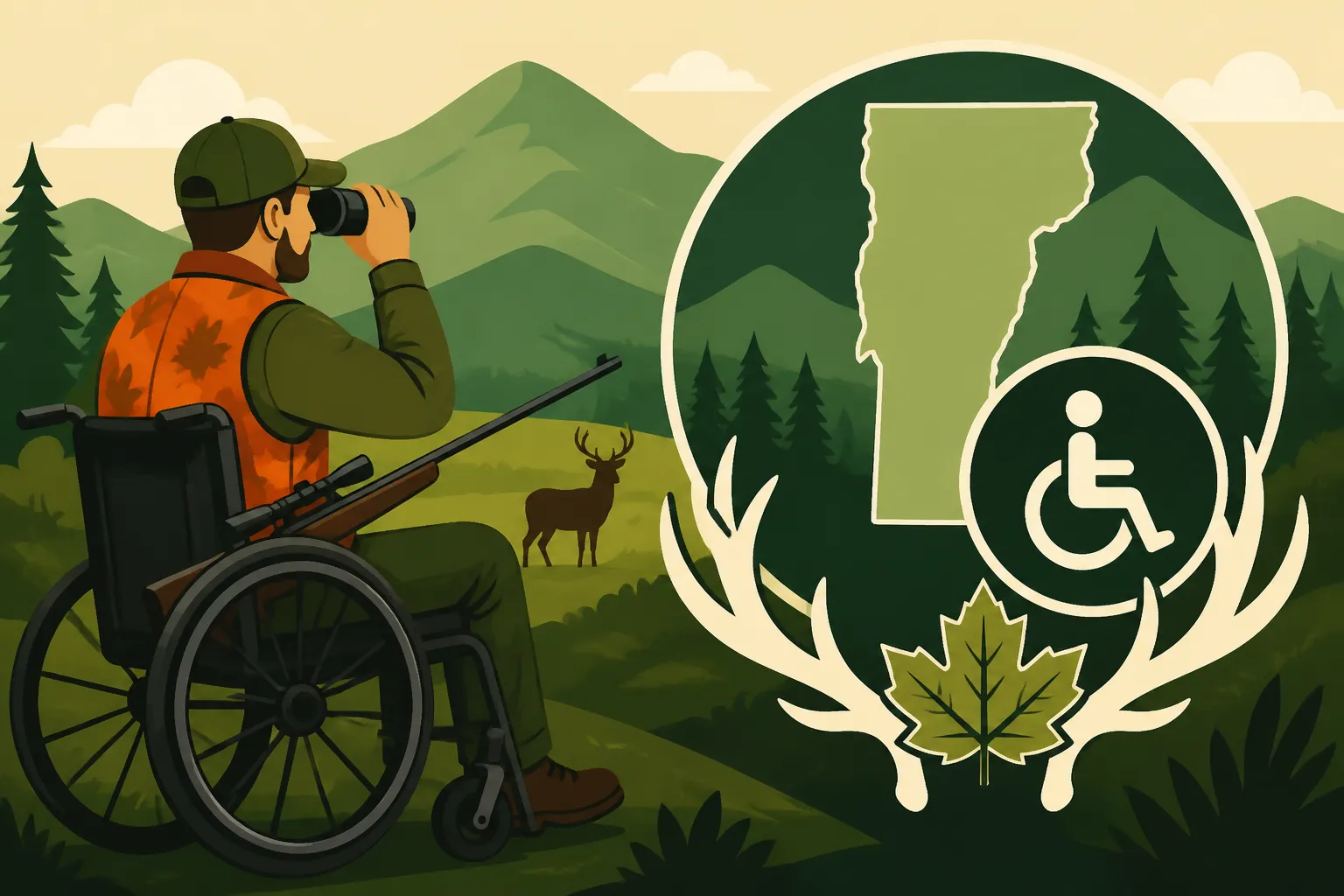
- Permanently restricted to a wheelchair: Those whose primary mode of mobility is a wheelchair.
- Otherwise permanently unable to participate in hunting activities without special accommodations: This broader category covers other profound physical limitations, as certified by a medical professional, that would genuinely prevent typical hunting methods.
It's crucial that your disability is certified as permanent by a licensed physician. This distinction is vital, as the permits are intended for enduring conditions, not transient ones. If you're unsure whether your specific condition qualifies, reaching out directly to the Vermont Fish & Wildlife Department is always a good first step.
Navigating the Application Steps
The application process typically involves a few key steps to ensure all necessary information is provided accurately. You'll want to start by visiting the Vermont Fish & Wildlife Department's official website, or contacting them directly, to obtain the most current application form. These forms are usually downloadable PDFs.
- Obtain the Application Form: Look for "Permanently Disabled Hunter Permit Application."
- Complete Your Section: Fill out all your personal details accurately, including your contact information and Vermont hunting license number. If you need information on specific Vermont Hunting Licenses and What They Cost, you can find details there.
- Physician's Certification: This is the most critical part. You'll need to have your licensed physician complete and sign the medical certification section of the form. This section requires them to:
- Verify your permanent disability.
- Explain how this disability limits your ability to hunt under normal conditions (e.g., inability to walk distances, difficulty holding certain equipment, etc.).
- State that the disability is, indeed, permanent.
- Submission: Once both sections are complete, you'll submit the form to the Vermont Fish & Wildlife Department. Typically, this can be done via mail or, in some cases, electronically. Make sure to keep a copy for your records.
- Review and Issuance: The department will review your application. If approved, your Permanently Disabled Hunter Permit will be issued. There is usually no additional fee for this specific permit beyond your standard hunting license costs, but always double-check current regulations.
It’s important to remember that this permit is separate from your general hunting license. You’ll still need to ensure you meet all Vermont Hunter Education Requirements and purchase your annual license and any necessary tags.
Specific Medical Documentation Required
The backbone of your application is the medical documentation provided by your physician. It's not enough to simply state you have a disability; the department needs clear, professional verification of its nature and impact on your hunting capabilities. Your physician's statement should include:
- Diagnosis: A clear diagnosis of your permanent physical disability.
- Impact on Mobility: Specific details on how the disability affects your ability to walk, ambulate, or otherwise move in a typical hunting environment. For example, "Patient is permanently restricted to a wheelchair," or "Patient requires bilateral crutches for all ambulation and cannot traverse uneven terrain required for traditional hunting."
- Duration: Explicit confirmation that the condition is permanent.
- Physician's Credentials: The physician's name, license number, and signature.
This detailed information helps the department understand the necessity of the accommodations requested and ensures the permits are issued to those who truly need them. Without sufficient medical detail, your application could be delayed or denied, so encourage your doctor to be thorough.
Exploring the Specific Accommodations and Benefits
Once you've secured your Permanently Disabled Hunter Permit, a new realm of possibilities opens up for your hunting adventures in Vermont. These permits aren't just a piece of paper; they grant specific, actionable accommodations that can drastically change your hunting experience for the better, making the sport enjoyable and achievable again.
Special Hunting Methods and Equipment
One of the most significant benefits of the disabled hunter permit is the flexibility it provides regarding hunting methods and equipment that would otherwise be restricted.
-
Shooting from a Motor Vehicle: This is a game-changer for many hunters with severe mobility issues. A permanently disabled hunter, certified as unable to walk or ambulate without assistance, may take legal game animals from a motionless motor vehicle with the engine turned off. This provision comes with crucial safety stipulations: the vehicle must be at least 25 feet from the traveled portion of a public highway or private road, and not within 200 feet of a dwelling, farm building, or other occupied building, unless you have explicit permission from the owner. This doesn't mean you can just drive around shooting, but it allows for strategic positioning that might be impossible on foot. Imagine being able to set up on a logging road or field edge, position your vehicle, turn off the engine, and wait for game. This opens up countless access points in areas like the Green Mountain National Forest or many Vermont Wildlife Management Areas.
-
Crossbow Use During Archery Seasons: For those who find drawing and holding a traditional bow challenging due to strength or mobility issues, the crossbow offers a stable and effective alternative. While standard Vermont Crossbow Equipment Rules generally restrict crossbow use during the regular archery season to hunters 50 years or older, or those with a specific crossbow permit, the Permanently Disabled Hunter Permit waives these age and permit restrictions. This means you can use a crossbow during any open archery season, providing a significant advantage in terms of comfort, accuracy, and extended hunting opportunities. This can be especially beneficial during the early Hunting the Regular Archery Opener in October or even the Bowhunting Vermont's Expanded Archery Season in September.
These accommodations are designed to overcome physical barriers, not eliminate the challenge of hunting itself. You still need to locate game, practice your shooting skills, and understand animal behavior.
Access Privileges and Vehicle Use
Beyond shooting from a vehicle, the permit inherently influences how you can access and navigate hunting lands, though it's important to clarify what it does and does not grant.
The ability to use a vehicle as a stationary hunting blind, as described above, effectively expands your accessible hunting footprint. While the permit doesn't grant you carte blanche to drive off-road on public lands where vehicle travel is restricted, it does allow you to utilize existing roads and trails more effectively within the legal parameters. This is particularly useful in areas with extensive logging road networks or designated public access points.
Another valuable, though indirect, benefit is the ability for a licensed hunter to provide physical assistance in retrieving harvested game, even if it means entering areas the assistant might not normally be permitted to hunt in a direct hunting capacity. For example, if you harvest a deer near a boundary, your hunting partner can assist you in retrieving it, provided you, the disabled hunter, remain within legal hunting zones. This aspect of the permit fosters community and ensures that a successful hunt doesn't become an impossible task after the shot. Knowing that you have support for a successful Recovering a Deer From a Steep Ravine can make all the difference.
It's always recommended to check specific land management rules, especially when hunting Vermont State Forests and Reservations or private land where Getting Private Land Permission in Vermont is paramount. While the permit grants certain privileges, it doesn't override private property rights or general public land vehicle restrictions.
Understanding Extended Season Opportunities
It’s a common misconception that disabled hunter permits automatically grant access to entirely separate or extended hunting seasons. In Vermont, the Permanently Disabled Hunter Permit primarily focuses on methods and equipment accommodations within the existing framework of open seasons. What it does provide is effectively an "extended opportunity" by allowing the use of equipment (like a crossbow) during seasons where it might otherwise be prohibited for certain individuals, thereby expanding your active hunting windows.
For instance, by allowing crossbow use throughout the general archery season, you effectively gain more days to pursue deer with a method that suits your capabilities than someone who might be restricted to a traditional vertical bow for part of that season due to age or other regulations.
This table summarizes the core accommodations:
| Feature | Standard Hunter Rules | Permanently Disabled Hunter Permit Accommodations |
|---|---|---|
| Shooting from Vehicle | Generally prohibited. | Allowed from a motionless vehicle (engine off), with setbacks. |
| Crossbow Use | Restricted to hunters 50+ or special permit during archery season. | Allowed for any open archery season, waiving age/permit restrictions. |
| Physical Assistance | Standard retrieval rules. | Partner can assist in game retrieval even if crossing usual hunting lines. |
| Access | On foot, standard vehicle access rules. | Enhanced access through strategic vehicle positioning for hunting. |
While there isn't a "Disabled Hunter Deer Season" in Vermont, the combination of these allowances means you have greater flexibility and access throughout the regular archery, rifle, and muzzleloader seasons, making participation far more feasible and enjoyable.
Common Questions and Overcoming Challenges
Even with a permit in hand, questions and challenges can arise. Understanding how to maintain your permit, find suitable hunting spots, and connect with other hunters can enhance your experience significantly. Being prepared helps mitigate potential frustrations in the field.
Renewing Your Permit and Staying Up-to-Date
The Permanently Disabled Hunter Permit, as its name suggests, is for a permanent condition, so it typically does not require annual re-certification from your physician once initially approved. However, it's always wise to:
- Confirm Validity: Check the expiration date on your permit when you receive it. While "permanent" implies no re-application, administrative renewals might still be required by the state department.
- Keep Documentation Safe: Store your original physician's statement and a copy of your permit in a secure place. If there's ever a question, having these on hand will be invaluable.
- Stay Informed: Periodically check the Vermont Fish & Wildlife Department website for any updates to regulations or permit requirements. Policies can occasionally change, and staying proactive ensures you're always in compliance.
Your permit number will likely be linked to your regular hunting license, so when you purchase your annual Vermont Resident License Options or Vermont Nonresident License Options, the department will be aware of your disabled status. This streamlined process is designed to make things easier for you year after year.
Finding Accessible Hunting Locations and Resources
One of the biggest hurdles, even with a disabled permit, is finding hunting land that is genuinely accessible. While the ability to shoot from a vehicle helps, not all public lands have suitable roads or terrain.
- Vermont Fish & Wildlife Department: Their website and local offices are excellent resources. They may have information on specific Vermont Wildlife Management Areas or state forests that feature more accessible terrain, wider trails, or improved access points. Don't hesitate to call your regional game warden or the department's main office; they often have invaluable local knowledge.
- Mapping Applications: Tools like GoHunt's mapping features or other GPS apps can be incredibly helpful. Use their layers to identify public land boundaries, roads, and topography that might be more suitable for hunters with mobility challenges. Look for flatter sections, areas with established logging roads, or even utility corridors that offer easier access and clear lines of sight.
- Private Land: Sometimes, the best accessible hunting comes from Getting Private Land Permission in Vermont. Farmers or landowners with large tracts might have field edges or easily drivable access roads that are perfect for setting up a stationary hunt. Always approach landowners respectfully and explain your specific needs; many are willing to help a hunter who is making an effort to stay in the field.
- Scouting: Even with the permit, pre-season scouting remains critical. Utilize satellite imagery to identify potential access points, open areas, or natural funnels that can be reached with your vehicle. Look for areas adjacent to fields or clear-cuts where deer might frequent.
Connecting with Support Networks
You are not alone in this journey. There are many organizations and fellow hunters who understand the unique challenges faced by disabled hunters.
- Disabled Sportsmen Organizations: National and local organizations exist specifically to support disabled hunters. They often provide resources, organized hunts, and mentorship programs. A simple online search for "disabled hunting Vermont" or "disabled sportsmen New England" can yield valuable connections. These groups can offer advice on everything from specialized adaptive equipment to finding companions for your hunts.
- Local Hunting Clubs: Joining a local hunting club can open doors to camaraderie and shared knowledge. Many clubs are keen to support all members and might have accessible properties or members willing to assist.
- Online Forums and Social Media: Hunting communities online are vast. Engage with Vermont hunting groups on social media platforms or forums. You'll often find experienced hunters willing to share tips, answer questions, or even offer to scout accessible locations with you. Sharing experiences, such as strategies for Hunting a Standing Apple Orchard or Hunting a Funnel Between Two Woodlots that are accessible, can be incredibly beneficial.
Embracing these resources not only helps you overcome practical challenges but also reinforces the sense of community that is so central to the hunting tradition. It’s about leveraging every available tool and connection to keep you in the woods, doing what you love.
Disclaimer
Please note that hunting regulations, permit requirements, and eligibility criteria can change. This guide provides general information based on current understanding. Always consult the official Vermont Fish & Wildlife Department website or contact them directly for the most up-to-date and accurate information before planning your hunt. It is your responsibility to understand and comply with all applicable laws and regulations.