Vermont’s Eastern Coyote Origins
When you hear a chorus of howls echoing through the Vermont woods at dusk, it’s often the sound of an eastern coyote staking its claim. These fascinating and sometimes controversial creatures have become an integral part of our Green Mountain ecosystem, but their presence wasn't always a given. For many, understanding where these intelligent predators came from is shrouded in mystery, leading to questions about their unique characteristics and impact. This guide will unravel the intriguing saga of the eastern coyote's journey to Vermont, exploring their unique genetic makeup and how they carved out a niche in our wild landscapes.
The Arrival of a New Predator: Tracing the Eastern Coyote's Journey
For generations, Vermont's forests and fields were primarily home to white-tailed deer, black bears, moose, and a host of smaller game. The top predator, the wolf, had long been extirpated. Then, slowly but surely, a new, adaptable hunter began to appear, sparking curiosity, concern, and plenty of campfire tales. This was no ordinary coyote, but a creature uniquely suited to the Northeast, with a lineage that tells a complex story of survival and adaptation.
Dispelling the Myth: Not Your Western Coyote's Cousin
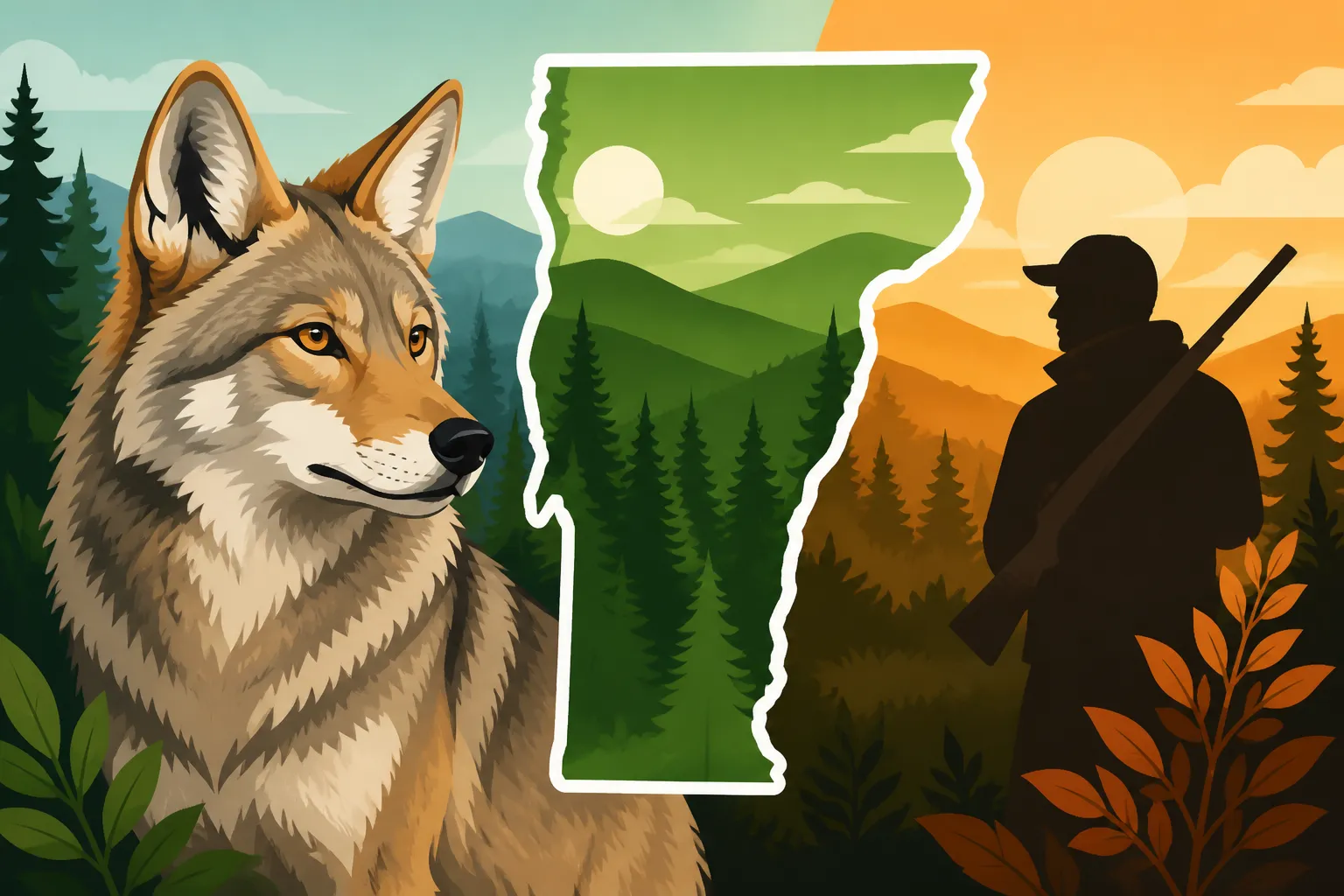
When most people think of a coyote, they picture the smaller, tawny-colored canids of the American West, often seen slinking through arid plains or desert scrub. However, the eastern coyote, the variety we have here in Vermont, is a distinctly different animal. They are noticeably larger, often heavier, and possess a more robust build than their western counterparts. Their coats can vary wildly, from a grizzled gray to reddish-brown, and even occasionally black, often leading people to mistake them for wolves or even large feral dogs.
The physical differences aren't just cosmetic; they hint at a deeper genetic truth. These aren't simply western coyotes who decided to pack their bags and head east. Their increased size and different morphology are key indicators of their unique ancestry. Imagine a typical western coyote – slender, quick, designed for open country. Now imagine our Vermont coyote, often pushing 40-50 pounds, sometimes more, with broader shoulders and a deeper chest. This powerful build gives them an edge when hunting larger prey in our dense woodlands and deep snow, a stark contrast to the smaller jackrabbits and rodents that often make up the diet of western coyotes. This larger frame, combined with a different suite of behaviors, made them perfectly equipped for life in our diverse, often rugged, Vermont terrain.
The Vacuum and the Migration: Filling an Ecological Niche
The story of the eastern coyote's arrival in Vermont is deeply intertwined with the ecological history of our region, specifically the disappearance of the gray wolf. By the late 19th and early 20th centuries, intensive hunting and habitat loss had driven wolves, the historical apex predators, out of much of the northeastern United States. This left a significant void at the top of the food chain, creating an ecological opportunity for another adaptable predator to move in.
As wolves receded from the East, coyotes, already expanding their range from their traditional western territories, began a slow but steady push eastward. This wasn't a rapid invasion, but a gradual spread over many decades, beginning in the late 19th and early 20th centuries. They moved through Canada first, then filtered south into New England. Vermont, with its extensive forests, abundant deer, and lack of competing large predators, was prime real estate. The landscape itself, undergoing changes due to deforestation and subsequent regrowth, also played a role. Abandoned farmlands slowly reverted to forest, creating a mosaic of fields, brush, and woodlands that provided ideal habitat for deer, rabbits, and other small game – perfect prey for an opportunistic coyote. This slow, persistent expansion allowed them to adapt along the way, generation by generation, to the unique challenges of the northeastern environment. It was a remarkable testament to their adaptability and tenacity, filling a role that had been vacant for far too long.
A Hybrid Tale: The Influence of the Wolf and Domestic Dog
What truly sets the eastern coyote apart and explains its success in places like Vermont is its fascinating genetic heritage. This isn't just a simple story of westward expansion; it's a saga of interspecies breeding, a melting pot of canid genetics that produced a super-adaptable predator perfectly engineered for the Northeast. Understanding this genetic blending is key to appreciating why our local coyotes are so unique.
Genetic Admixture: More Than Just a Coyote
Research has consistently shown that the eastern coyote is not a pure coyote (Canis latrans) but a hybrid, often referred to as a "coywolf" by some, though technically they are still classified as a coyote subspecies. As western coyotes moved eastward, they encountered remnant populations of eastern wolves (also known as Algonquin wolves or even some lingering gray wolves) in the Great Lakes region and eastern Canada. With their numbers dwindling, these wolves interbred with the advancing coyotes. This genetic exchange infused the coyotes with wolf DNA, imparting traits like larger body size, broader skulls, and different hunting behaviors more suited to bringing down larger prey like deer.
Furthermore, there’s also evidence of some genetic contribution from domestic dogs, likely from free-roaming individuals that cross-bred with coyotes at various points along their migratory path. While the wolf DNA is the more significant and defining element of their hybridization, the occasional dog gene might have contributed to their incredible adaptability to human-altered landscapes. This complex genetic cocktail—primarily coyote, but with significant wolf input and a splash of dog—resulted in a highly robust and versatile animal. It’s a natural experiment in evolution, creating a creature that truly thrives in the diverse habitats of the Green Mountains, capable of hunting alone for small game or cooperatively in packs for larger quarry.
The Advantages of the Hybrid: Surviving the Northeast Landscape
This genetic admixture bestowed upon the eastern coyote what scientists call "hybrid vigor," essentially giving them the best traits from each parent species. The size and pack-hunting capabilities from their wolf ancestors allowed them to pursue larger game, such as white-tailed deer, which are abundant in Vermont. Unlike their smaller western relatives who primarily target rodents and rabbits, our eastern coyotes are quite capable of taking down adult deer, particularly during the harsh winter months or targeting vulnerable fawns in spring. This makes them a more significant factor in deer population dynamics than western coyotes.
Their coyote heritage, however, ensured they retained the cunning, adaptability, and reproductive prolificacy of their kind. They can thrive in a variety of habitats, from deep wilderness areas in the Northeast Kingdom to the more fragmented agricultural landscapes of the Champlain Valley. They're masters of stealth and evasion, able to exist in close proximity to human populations without often being seen. This blend of attributes – the physical prowess of a wolf with the opportunistic intelligence and rapid reproductive rate of a coyote – has been crucial to their successful colonization and establishment across Vermont. It’s why they’ve become such a dominant and successful predator in our state, a true testament to evolutionary adaptation. If you're looking to understand where these animals roam and how their territories overlap with deer, using resources like onX Layers for Vermont Land Status can be invaluable for understanding the complex patchwork of public and private land they navigate.
Early Perceptions and Management Challenges in Vermont
When eastern coyotes first started appearing in Vermont in larger numbers, they weren't always met with understanding or even accurate identification. For many residents, especially those whose livelihoods depended on agriculture, the arrival of a new, large canine predator brought a mix of apprehension and genuine concern. Their presence sparked debates that continue to this day, regarding their role in the ecosystem and how humans should interact with them.
From Novelty to Nuisance: Initial Reactions to Coyotes
In the mid-20th century, as eastern coyotes began to truly establish themselves in Vermont, they were often a mystery. Many old-timers mistook them for wolves, given their size, or even feral dogs. There wasn't much prior experience with a wild canid of this nature that hunted in packs and vocalized so distinctly. Farmers, already facing challenges from bobcats and bears, now had a new predator to contend with, one that sometimes targeted livestock like sheep and calves. It was a stressful situation; seeing a string of sheep killed by what looked like a larger, more aggressive dog could understandably cause alarm and lead to calls for control.
This perception quickly shifted from novelty to nuisance for some. Their adaptability meant they sometimes ventured near human habitations, drawn by easy food sources like pet food or unsecured garbage. This led to increased sightings and occasional conflicts, further fueling anxieties. For hunters, particularly deer hunters, the rise of the eastern coyote also brought concerns about their impact on the deer herd. While some appreciated them as another challenging game animal, others saw them as direct competitors for venison. These early perceptions, born out of unfamiliarity and understandable concern, set the stage for much of the ongoing discussion about coyote management in the state.
Adapting to the Landscape: Impact on Native Wildlife and Livestock
The eastern coyote’s introduction into Vermont's ecosystem inevitably had ripple effects, impacting both native wildlife populations and agricultural interests. For species like white-tailed deer, coyotes became a significant new source of predation. While a healthy adult deer can often outrun or fend off a single coyote, fawns are particularly vulnerable, especially during the spring birthing season. Coyote predation is a natural part of the fawn recruitment process, but for some hunters, it was a noticeable change, sparking worries about the overall Vermont Deer Population Estimate.
Beyond deer, coyotes also prey on wild turkeys, especially poults, as well as snowshoe hares, cottontail rabbits, and various small rodents. This makes them a complex component of the ecosystem, exerting pressure on many prey species. Farmers, especially those raising sheep or cattle, faced direct economic impacts. While coyotes rarely attack adult cattle, they are known to prey on vulnerable calves, and sheep can be particularly susceptible. This often leads to farmers adopting protective measures, from guard dogs to specialized fencing. Understanding how these animals use the land is crucial for both hunters and landowners; mapping tools like GoHunt can help identify potential travel corridors, denning areas, or prime hunting spots, offering insights into Vermont Coyote Range and Density and helping to mitigate conflicts by understanding where they move through agricultural zones.
Current Status and Ecological Role in the Green Mountain State
Today, the eastern coyote is an undeniable fixture of the Vermont landscape. They've integrated themselves deeply into the state's natural fabric, playing a vital role that many scientists now recognize as essential for a balanced ecosystem. While their presence continues to spark debate, especially concerning human-wildlife conflicts, their ecological significance is increasingly understood.
An Established Apex Predator: Life in the Vermont Ecosystem
The eastern coyote has cemented its position as a primary, if not the primary, adaptable predator in Vermont. They roam virtually every corner of the state, from the remote reaches of the Northeast Kingdom, where moose and bear share the deep woods, to the rolling farmlands and wooded lots of the Champlain Valley. Their diet is incredibly varied, showcasing their opportunistic nature. While they are highly effective deer predators, especially on fawns and weakened adults, deer only represent one component of their diet. They also consume a significant number of rodents, rabbits, hares, birds, and insects. Furthermore, they play a crucial role as scavengers, cleaning up carrion from vehicle collisions or naturally deceased animals, which helps maintain overall ecosystem health.
Their presence also helps regulate other mesopredator populations, such as raccoons, skunks, and opossums, through competition or direct predation. This complex web of interactions means that our ecosystem, without the wolf, has largely adapted to the coyote's presence. They act as a natural check on populations of their prey, contributing to the health and resilience of the overall wildlife community. When you’re out scouting for deer, seeing fresh coyote scat or tracks is just as common as seeing deer sign, indicating their pervasive and established presence across our state. If you are ever curious about where to find these cunning animals, knowing more about Coyotes and Predators in Vermont can offer further insights.
Coexistence and Management Strategies
Living alongside such an adaptable and widespread predator presents both challenges and opportunities. For many Vermonters, coexistence with coyotes is a reality, whether they enjoy hearing their howls or simply tolerate their presence. The Vermont Fish & Wildlife Department manages coyotes as a furbearer and game animal, allowing hunting and trapping throughout much of the year. This provides recreational opportunities for hunters and can help address localized nuisance issues, particularly when coyotes become habituated to human areas or target livestock.
Managing coyotes in Vermont often involves a multi-pronged approach. For landowners, steps such as securing garbage, never intentionally feeding coyotes, and protecting livestock with appropriate fencing or guard animals are crucial. For hunters, pursuing coyotes offers a challenging and rewarding experience, with methods ranging from calling to trapping. Utilizing modern mapping tools, like those found on GoHunt, can be instrumental in identifying likely travel corridors, pinch points, and cover that coyotes frequent, allowing hunters to plan more effective setups. These tools can also help identify areas with higher coyote densities, which can be useful information for both hunters and those involved in Deer Drives With Three or Four Hunters to understand potential deer movement. Ultimately, the goal is often not to eliminate coyotes, which is largely impractical, but to manage their populations and mitigate conflicts, fostering a balance where humans and these wild canids can coexist.
Hunting Eastern Coyotes in Vermont: Opportunities and Ethics
For many in Vermont, the eastern coyote isn't just a part of the ecosystem; it's a challenging and rewarding game animal. Their intelligence, wariness, and incredible senses make them one of the most difficult predators to outsmart. Pursuing them offers a unique hunting experience that requires patience, skill, and a deep understanding of their behavior. It's a hunt that can take place in nearly any environment, from dense timber to open fields, offering diverse experiences throughout the season.
The Thrill of the Call: Strategies for Pursuing Coyotes
One of the most popular and exhilarating methods for hunting eastern coyotes in Vermont is calling. This involves using specialized calls to mimic prey in distress (like a rabbit or fawn), other coyotes (howls, barks, or pup distress calls), or even rodent squeaks. The goal is to draw a curious or hungry coyote into range. This isn't a passive hunt; it demands acute situational awareness, understanding wind direction, and knowing how to set up undetected. A common scenario involves finding a suitable vantage point overlooking a field edge or a clearing within the woods, then strategically placing yourself downwind, minimizing scent detection. Patience is paramount, as a coyote might circle far downwind before committing to the call.
Hunters often use a variety of calls, from mouth calls to electronic callers, which can broadcast a wider range of sounds and volumes. For instance, a lone howl might pique a coyote's curiosity, while a frantic rabbit distress call could trigger an immediate predatory response. The art is knowing when and where to use each. Many hunters find that Coyote Calling at First Light or last light can be particularly effective, as these are peak activity times for coyotes. Success often comes down to meticulous scouting and understanding the local terrain. GoHunt mapping software, for example, can be an incredible asset, allowing hunters to mark potential ambush points, prevailing wind directions, and areas with historical coyote sightings or sign, greatly improving their chances.
Understanding Their Behavior: A Key to Success
To consistently succeed when hunting eastern coyotes, you need to think like one. These animals are incredibly intelligent, with highly developed senses of smell, hearing, and sight. They are masters of using terrain to their advantage, often approaching a call from a position that allows them to scent-check the area before revealing themselves. This is why paying attention to wind direction is arguably the single most critical factor in a successful coyote hunt. A coyote that catches your scent will almost always vanish before you even know it was there.
Beyond individual cunning, understanding their social dynamics is also vital. Eastern coyotes live in family units or packs, especially during the fall and winter months. A dominant male or female might respond aggressively to a challenge howl, while a young, less experienced coyote might be more easily fooled by a distress call. They also have distinct daily and seasonal patterns. During colder months, they may be more active during daylight hours, driven by the need to find food, making it a prime time for hunting. In warmer weather, they might be more nocturnal. Knowing these nuances, and recognizing sign such as tracks along logging roads or scat marking territories, can significantly increase your odds. For those looking to learn more about tracking and interpreting these behaviors, information on Reading a Green Mountain Deer Yard or Scrape Lines Along a Logging Road can provide useful insights into how all wildlife, including coyotes, move through the landscape.
Coyote Characteristics Comparison
To help distinguish our unique eastern coyotes from their western relatives, here's a quick comparison of some key characteristics:
| Characteristic | Western Coyote | Eastern Coyote (Coywolf) |
|---|---|---|
| Average Weight | 20-35 lbs | 35-55 lbs (occasionally more) |
| Average Length | 4-4.5 ft (nose to tail) | 4.5-5.5 ft (nose to tail) |
| Coat Color | Tan, yellowish-gray, lighter fur | Varies widely: grizzled gray, reddish-brown, black, often darker than western variety |
| Body Build | More slender, lanky, narrow skull | More robust, stocky, broader chest, wider skull |
| Hunting Style | Primarily solo or pairs, smaller prey | Often in family units/packs, can take larger prey |
| Vocalization | High-pitched yips, barks, howls | Deeper, more wolf-like howls in addition to yips |
| Habitat | Open plains, deserts, grasslands, scrub | Forests, wetlands, agricultural areas, suburban fringes |
| Genetic Mix | Mostly pure coyote | Significant wolf (and minor domestic dog) admixture |
This table clearly illustrates why the eastern coyote is such a different animal than the one often depicted in popular media. Their larger size and diverse genetic background have allowed them to flourish in the varied and often rugged terrain of Vermont, establishing themselves as a formidable and permanent part of our natural heritage. Exploring areas like Still-Hunting Green Mountain National Forest Timber can give you firsthand experience of the type of diverse habitat these predators call home.
Disclaimer
This article is for general informational purposes only and does not constitute professional advice. Laws, prices and regulations vary by location and change over time. Consult a qualified professional for guidance on your specific situation.