Vermont Moose Antler Records
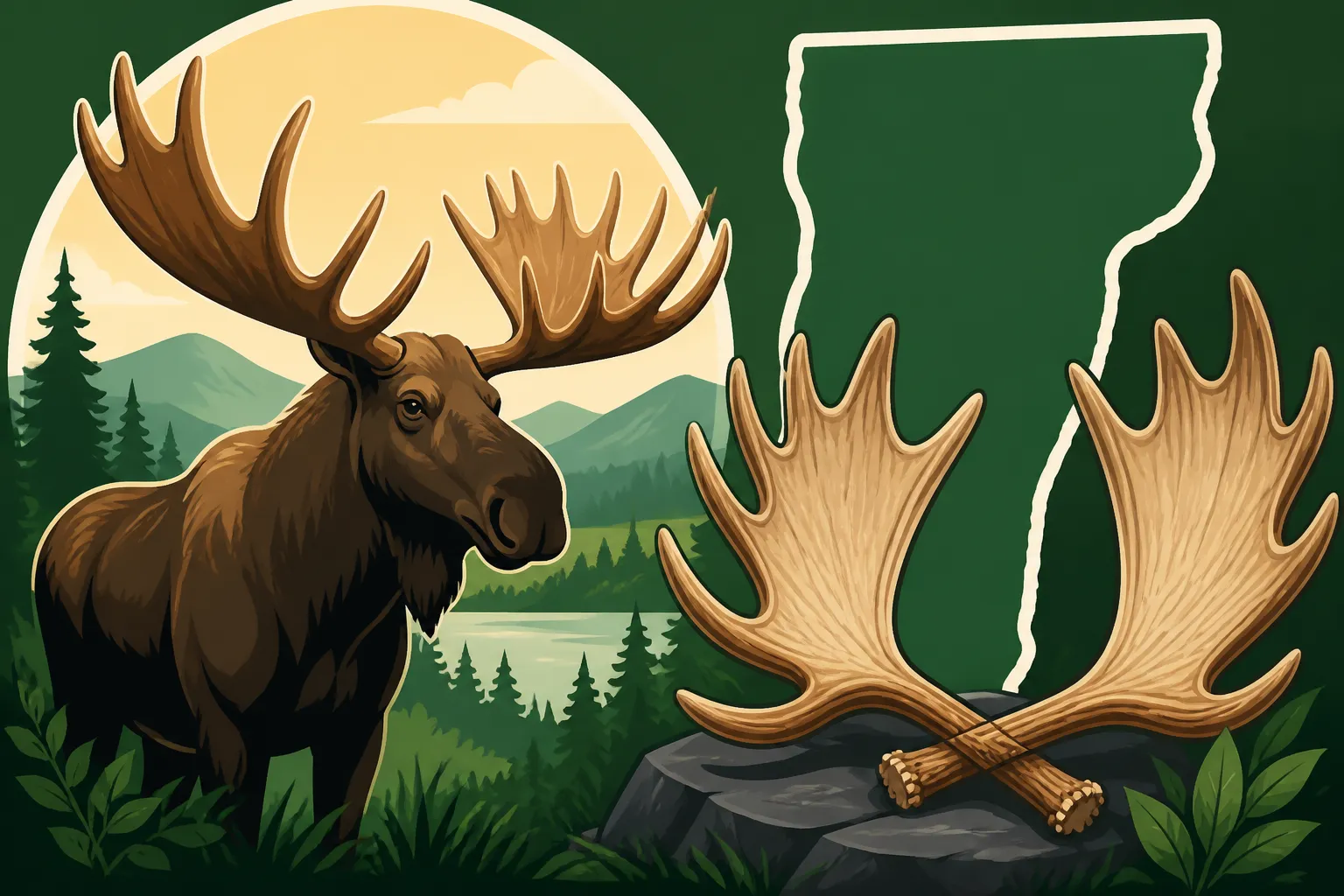
You've finally drawn that coveted moose permit, perhaps after years in the lottery, and now your thoughts are turning to more than just finding a moose – you're wondering about its rack. While Vermont might not boast the sheer numbers of monster moose found in some Canadian provinces or far-western states, there's still a deep satisfaction in understanding what goes into judging a truly magnificent bull and appreciating the antler records right here in the Green Mountain State. This guide will walk you through the nuances of Vermont moose antler records, what makes a rack stand out, and how these impressive animals are measured.
The Unique Perspective on Trophy Moose in Vermont
Let's be real: when most folks think "trophy moose," images of Alaska or the Yukon, with bulls sporting massive, shoveling racks, often come to mind. Vermont, by comparison, isn't typically on the radar for world-record moose antlers, and that's okay. Our moose population, while healthy in certain areas, particularly the Northeast Kingdom, has a different dynamic. The focus here often shifts from sheer antler size to the incredible experience of drawing a tag and the challenge of hunting an animal as grand as a moose in our rugged terrain.
Why Vermont Isn't Known for B&C Moose
Part of the reason Vermont isn't a "Boone and Crockett factory" for moose is simply due to genetics and habitat. While we have ample food and cover, the specific combination that consistently produces massive antlers year after year, like in areas with very low moose density and nutrient-rich browse, isn't as prevalent across the state. Furthermore, factors like herd health and density play a significant role. For instance, concerns about Why Winter Ticks Threaten Vermont Moose have led to a management strategy that often prioritizes overall herd health and a slight reduction in density to mitigate tick impacts, rather than exclusively promoting the growth of extremely old, large-antlered bulls. This doesn't mean big bulls don't exist, but they are certainly rarer, making each one even more special.
Many hunters who participate in Vermont's Moose Permit Lottery are simply thrilled for the opportunity to hunt such a majestic animal, regardless of its antler size. The experience of being out in the woods during Moose Hunting Vermont's Northeast Kingdom and the sheer scale of the animal are often the true "trophies" for most permit holders. You might spend years Applying for a Vermont Moose Permit, so when that tag finally comes through, it's about the adventure.
The "Trophy" Beyond the Antlers for Vermont Hunters
For many Vermont hunters, the "trophy" isn't solely defined by a score sheet. It's about the entire journey: the scouting, the camaraderie if you're hunting with a party, the challenge of Hunting a Drawn Moose Zone in the Northeast Kingdom, and the immense undertaking of Packing Out a Vermont Moose once it's down. The effort, the memories, and the freezer full of prime wild game often outweigh the inch count of a rack.
Consider the dedication it takes to learn to glass effectively for a bull moose, perhaps after reading about Glassing a Clear-Cut for a Bull Moose, or the patience required when Calling a Bull Moose Into Range. These are skills and experiences that stick with you far longer than a number on a record book. For many, a Vermont moose tag truly represents What a Once-in-a-Lifetime Moose Tag Means, and every aspect of the hunt contributes to its overall value, making even a modest rack feel like a monumental achievement. The connection to the land and the animal becomes the most significant part of the experience.
Understanding Vermont's Moose Scoring Systems
Even though Vermont isn't a top-tier "trophy moose" destination, the formal methods of measuring and scoring antlers still provide a standardized way to appreciate the impressive size and unique characteristics of a bull's rack. These systems allow hunters to compare their harvests, even if informally, and recognize truly exceptional animals within the state. Most of these systems derive from the established Boone and Crockett Club guidelines, which set the standard for North American big game records.
The Boone and Crockett Club's Role in North American Records
The Boone and Crockett Club is the recognized authority for North American big game records, and their scoring system is the benchmark used by most hunters interested in antler measurements. While Vermont may not produce many B&C All-Time entries, animals harvested here can certainly qualify for their Awards or Minimum entries, which are still incredibly respectable achievements. Their system is meticulous, designed to quantify the overall mass, spread, and points of an antler configuration, rewarding symmetry and size.
The scoring process is quite detailed, involving a series of measurements taken at specific points on the antlers. This includes the length of main beams, circumference measurements at various points, and the length of each individual point. For an antler to be officially scored, there's typically a drying period to account for natural shrinkage, ensuring consistency in measurements. This dedication to precision is what makes a B&C score so revered and universally understood among big game hunters. When you're dreaming of those big antlers, understanding these rules is key.
How Vermont Department of Fish and Wildlife Tracks Moose Data
The Vermont Fish and Wildlife Department, while not primarily focused on maintaining a public "trophy record book" in the same vein as Boone and Crockett, certainly collects extensive data on moose harvests. This information is crucial for wildlife management, helping them track herd health, age structures, and overall population trends. When you register a moose, data points like antler spread, number of points, and approximate age are often collected. This contributes to a broader understanding of How Many Moose Live in Vermont and helps inform decisions on future permit allocations and hunting seasons.
While the department's primary goal isn't to rank individual moose by antler size, the aggregate data provides valuable insights into the potential for large antlers within different regions of the state. For instance, if you're a serious data geek, tools like GoHunt can sometimes aggregate public harvest data, giving you an idea of areas where larger-antlered bulls might have been taken in the past, though specific trophy records are rarely published publicly by the state. This data-driven approach, from the department's perspective, is about sustaining the resource for future generations, ensuring the health and viability of the population even as the Vermont Moose Population Decline Since the 1990s continues to be a concern due to various environmental factors.
Breaking Down Moose Antler Measurements
Getting into the specifics of antler measurement can seem a bit overwhelming at first, but once you understand the basic principles, it becomes much clearer. The goal is to capture the overall size, mass, and symmetry of the rack. For moose, this means focusing on the broad, palmated sections as much as the points themselves.
Key Measurements for Official Scoring
When a moose antler is scored, several key measurements are taken. These include:
- Greatest Spread: The widest point between the outside edges of the antlers. This gives an immediate visual impression of size.
- Beam Length: The length of each main beam, measured along the outer curve from the burr to the furthest tip of the palm.
- Circumference Measurements: Taken at the smallest point between the burr and the palm, and then around the palm itself at specific points. This accounts for the mass of the antlers.
- Number of Points: All points extending at least one inch from the palm or beam are counted.
- Width and Length of Palms: These are critical for moose, measuring the broad, flat areas that make moose antlers so distinctive.
These measurements are meticulously recorded for both the left and right antlers. For typical racks, deductions are then made for any asymmetry between the two sides, aiming to reward the most symmetrical and balanced racks. This is where hunters often appreciate the detail that goes into every score, especially when looking at a truly unique rack they've harvested.
Typical Versus Non-Typical Antler Configurations
Moose antlers, like deer antlers, can be categorized as "typical" or "non-typical."
- Typical Racks: These are characterized by a balanced, symmetrical appearance, with points growing predominantly from the main palms and beams in a standard fashion. When you picture a classic, picture-perfect moose rack, you're likely imagining a typical one. The scoring system heavily penalizes asymmetrical differences between the left and right sides on typical racks.
- Non-Typical Racks: These have abnormal points, often referred to as "kickers," "droppers," or "sticker points," that don't conform to the symmetrical pattern. These can grow in unusual directions or locations, adding character and uniqueness. While non-typical racks don't score as highly in the typical category due to deductions for asymmetry, they have their own non-typical scoring category where these unique points add to the overall score. Some hunters specifically prefer non-typical racks for their distinctive appearance, finding them more aesthetically interesting.
Here’s a simplified breakdown of the general scoring approach:
| Feature | Typical Scoring | Non-Typical Scoring |
|---|---|---|
| Symmetry | Highly valued; deductions for asymmetry | Less emphasis on perfect symmetry; abnormal points add |
| Points | Specific, symmetrical points counted | All points counted, including abnormal ones |
| Deductions | Applied for differences between left/right side | Applied for overall lack of typical frame |
| Overall Goal | Rewards balance, size, and classic form | Rewards unique character, size, and mass |
Understanding these distinctions helps you appreciate the true dimensions of any moose rack you might encounter or have the privilege of harvesting.
Resources for Aspiring Vermont Moose Hunters and Record Keepers
So, you're curious about Vermont moose antler records and where to find more information, especially if you're holding a freshly drawn permit or just planning for the future. While official, public record books might be scarce at the state level, there are still excellent ways to delve into the data, understand the potential, and prepare for your own moose hunt.
Finding Historical Data and Hunting Information
If you're really digging deep into potential "hot spots" for larger bulls or just curious about past harvests, you'll need to piece together information. The Vermont Fish and Wildlife Department's annual harvest reports are your best friend here. While they won't list individual antler scores, they often provide data on average antler spreads or number of points by Wildlife Management Unit (WMU). This can give you a general idea of where larger animals tend to be harvested. You might also find local sporting goods stores or guide services that keep informal records or photos of impressive local bulls.
Beyond state data, forums and online communities dedicated to Vermont hunting are goldmines of anecdotal information and photos. Hunters love to share their success stories, and often, those stories include details about the rack. Sites like GoHunt can be invaluable for accessing curated information, hunting strategies, and even mapping tools that integrate publicly available data, helping you to make more informed decisions when scouting. They might not have a dedicated "Vermont Moose Record Book" in the B&C sense, but their resources can help you build your own picture of what constitutes a great bull in Vermont. Combining this digital reconnaissance with hands-on scouting will increase your chances during Hunting Vermont's New Archery-Rifle Overlap or any of the specific moose seasons.
The Value of Scouting and Research
Ultimately, understanding antler records isn't just about comparing numbers; it's about informing your hunt. Knowing what a truly mature, large-antlered bull looks like, and what kind of habitat they prefer, can significantly impact your success. Tools and platforms like GoHunt can assist with detailed mapping, showing public land boundaries, terrain features, and even past hunt data that can hint at where moose might be found. This research, combined with actual time in the field, is crucial for anyone pursuing a Vermont moose.
Scouting involves looking for sign like rubs, tracks, and droppings, and understanding Cold-Weather Sitting Strategy in the Northeast Kingdom or Wind and Thermals in Steep Green Mountain Terrain for still-hunting. For a once-in-a-lifetime hunt like moose, doing your homework and immersing yourself in the details makes the entire experience richer and more rewarding. Whether you're aiming for a personal best or just hoping to fill your tag, every bit of knowledge about these magnificent animals, including what makes an antler truly remarkable, only enhances the adventure.
Disclaimer
This article is for general informational purposes only and does not constitute professional advice. Laws, prices and regulations vary by location and change over time. Consult a qualified professional for guidance on your specific situation.