Vermont Bear Den Study Findings
Understanding the mysterious lives of Vermont's black bears is something many of us hunters and outdoor enthusiasts find incredibly fascinating. We often wonder where they disappear to for months on end, how they choose their winter homes, and what happens inside those dens. It’s a natural curiosity, and knowing more about it can truly enhance our appreciation for these incredible animals and even help us become more informed in our own pursuits. This guide will dive deep into the specific findings from Vermont's black bear den studies, shedding light on their secret winter world and what it means for the species and those of us who share their woods.
Understanding Bear Denning Behavior in Vermont
For a creature as powerful and resilient as the black bear, the act of denning might seem counterintuitive. However, it's a critical annual ritual, a period of profound biological significance that allows them to survive the harsh Vermont winters and perpetuate their species. Without this adaptive strategy, the incredible populations of Black Bears in Vermont simply wouldn't thrive as they do.
Why Denning is Crucial for Black Bears
Imagine trying to forage for food in the Green Mountains when the ground is frozen solid, covered in feet of snow, and natural food sources like berries, nuts, and insects are scarce or completely inaccessible. That's the reality a black bear faces. Denning is their brilliant solution to this environmental challenge. It's essentially a state of metabolic depression, often referred to as torpor, that allows them to conserve energy when food is not available. They don't truly hibernate in the way, say, a groundhog does, with body temperatures plummeting to near freezing, but their heart rate, breathing, and metabolic rate drop significantly. This conserves the fat reserves they've painstakingly built up during the abundant fall months.
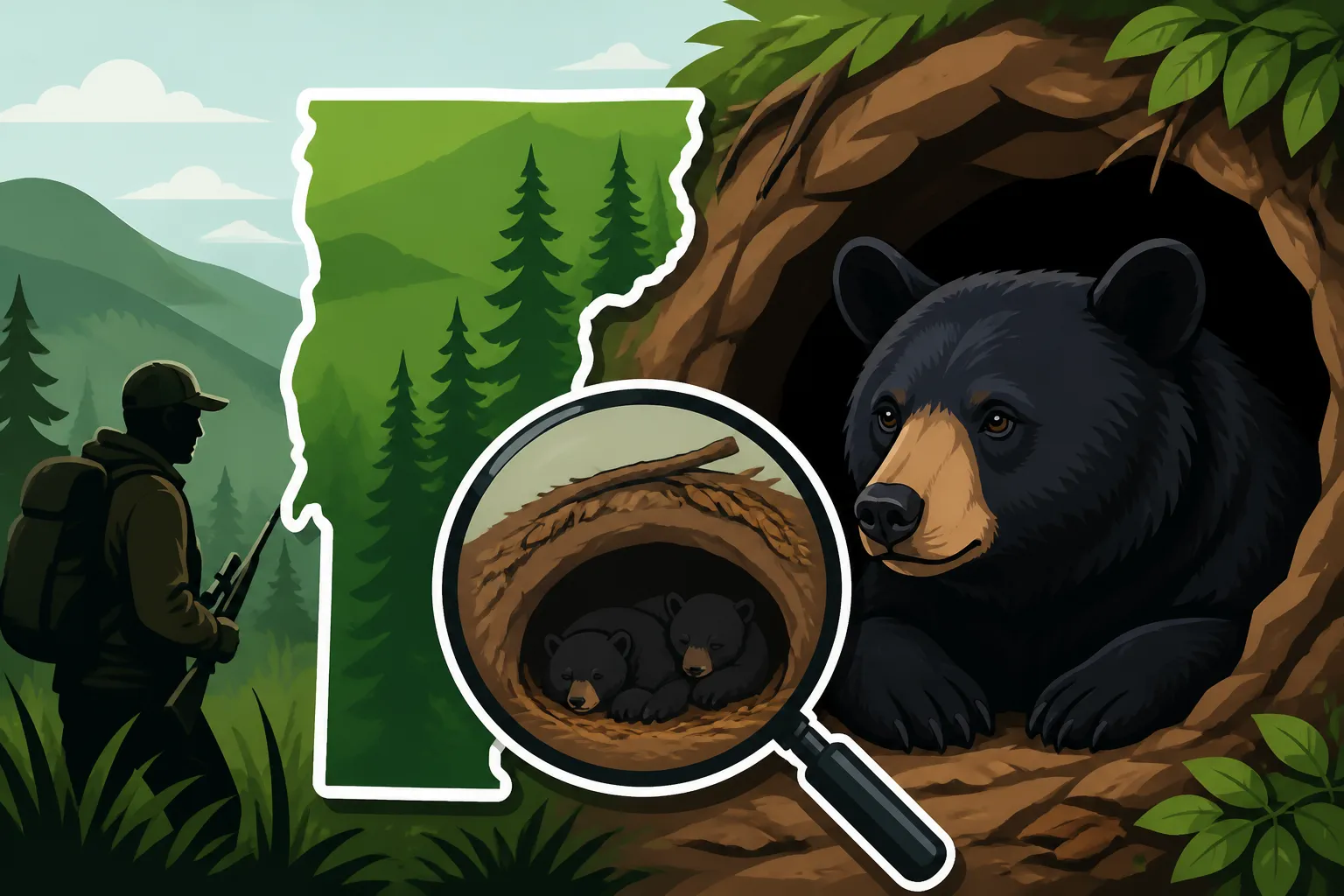
More than just a survival tactic, denning is also absolutely vital for reproduction. Pregnant sows seek out secure dens where they can give birth to their cubs, typically in January or February. The warmth and protection of the den are paramount for the survival of these tiny, vulnerable newborns, who are born blind, hairless, and weighing mere ounces. They rely entirely on their mother's milk and the insulated environment of the den for their first few months of life. The den isn't just a place to sleep; it's a nursery, a safe haven where the next generation of Vermont's black bears gets its crucial start.
Types of Dens Vermont Bears Utilize
One of the most interesting aspects of bear den studies is observing the sheer variety of locations these adaptable creatures choose for their winter slumber. You might envision a bear tucked away in a deep cave, but the reality in Vermont is far more diverse. Our black bears are incredibly opportunistic and resourceful when it comes to finding or creating a den.
Many bears, particularly in more rugged or forested regions, will utilize natural cavities. This can include hollowed-out sections of large, old trees, often referred to as "tree dens." These are typically found in standing snags or large downed logs, offering excellent insulation and protection from the elements. They might also seek out rock crevices or small caves, especially in areas with significant rock formations like the spine of the Green Mountains. These natural shelters provide ready-made protection.
Beyond natural features, bears are also known to create their own dens. These "ground dens" can range from simple scrapes under a tangle of roots to more elaborate excavations in soil, often underneath fallen trees, brush piles, or dense thickets. Sometimes, they'll simply find a very thick patch of brush or a dense conifer stand and bed down, relying on the snow to eventually cover and insulate them. In agricultural areas, it’s not unheard of for bears to den under old barns or in abandoned culverts, showing their incredible adaptability to human-altered landscapes. The common thread among all these den types is concealment, protection from predators (though adult bears have few in Vermont), and insulation from the bitter cold.
Key Findings from Vermont's Bear Den Studies
Vermont's wildlife biologists have spent countless hours tracking, monitoring, and studying black bears, particularly during their denning period. These dedicated efforts have yielded invaluable insights into the lives of these elusive creatures, helping us understand their habits and how best to manage their populations. These studies often involve locating dens of radio-collared bears and, when appropriate, entering them to assess the health of the sow and her cubs, allowing biologists to gather critical data on Vermont Bear Population Estimate and reproductive success.
Den Selection and Habitat Preferences
One of the most significant findings from Vermont's bear den studies revolves around the specifics of den selection. While bears are opportunistic, there are clear preferences that emerge, likely driven by factors like security, insulation, and proximity to desirable habitat. Studies have shown that bears often favor dens in areas of dense cover, such as thick softwood stands (spruce, fir, cedar) or areas with heavy blowdowns and root masses. This dense cover provides both thermal protection and a visual barrier, keeping them hidden from disturbances.
Elevation and aspect also play a role. While bears den at various elevations across the state, there's often a tendency to choose den sites on slopes that offer good drainage, preventing water from pooling in the den, and sometimes with a south-facing aspect, which can provide a slight warming effect from the winter sun, even through snow. Access to potential escape routes or dense bedding cover nearby also seems to be a factor. Biologists often note that den sites are usually away from major roads or heavily trafficked areas, underscoring the bears' need for seclusion during this vulnerable period. For hunters, understanding these preferences can be a key piece of information when Scouting Vermont Public Land Before Season for bear sign.
Timing of Den Entry and Emergence
The timing of when bears enter and emerge from their dens is not a fixed calendar date but rather a flexible window influenced by several environmental and biological factors. Vermont studies confirm that generally, bears begin to seek out dens in late November or early December. However, a significant driver of den entry is food availability. If there's a late mast crop (acorns, beech nuts) or other food sources persist longer into the fall, bears might delay their den entry to continue gorging and building up crucial fat reserves. Severe cold snaps or early heavy snowfalls can also trigger an earlier entry.
Pregnant sows are typically the first to den, needing that prolonged, undisturbed period for gestation and cub rearing. Adult males and non-reproductive females tend to den later and may emerge earlier in the spring. Emergence usually occurs in late March or early April, again varying with weather conditions and snowmelt. A warm, early spring might see bears stirring and leaving their dens sooner, while a prolonged cold spell will keep them tucked away. Understanding this natural rhythm is vital for wildlife managers, as it dictates the effective hunting windows.
Reproductive Success and Cub Survival
The den is more than just a winter shelter; it's the birthplace and initial nursery for the next generation. Vermont's den studies provide critical data on reproductive success and cub survival rates, which are fundamental to assessing the health and sustainability of the Black Bears in Vermont population. Biologists carefully enter dens (when safe and ethically appropriate) to weigh and measure cubs, determine their sex, and assess their overall health.
Findings typically show that sows give birth to litters of one to four cubs, with twins being common. The cubs grow rapidly in the den, feeding exclusively on their mother's rich milk. Survival rates within the den are generally high, thanks to the protective environment and the sow's dedicated care. However, factors like the mother's health, her age, and even the quality of the den itself can influence cub survival. These studies help track trends in litter size and cub recruitment, providing a baseline for understanding how environmental changes or management strategies might be impacting the bear population's ability to reproduce. This data is indispensable for ensuring the long-term vitality of the species in Vermont.
Implications for Hunters and Wildlife Management
The detailed insights gleaned from bear den studies aren't just for scientific papers; they have very real, tangible implications for how Vermont manages its bear population and for how we, as hunters, can approach our time in the woods. These studies directly inform regulations and can even refine our personal Hunting Bear Through the Long September Season.
How Den Studies Inform Bear Hunting Regulations
One of the most direct applications of den study findings is in shaping Vermont's bear hunting seasons. By knowing when bears typically enter their dens, wildlife managers can establish hunting season dates that avoid disturbing bears during their most vulnerable period – especially pregnant sows and young cubs in the den. This ensures that hunting pressure is applied during times when bears are active and less susceptible to den-related disturbances.
For example, Vermont's Long Bear Season Explained often includes an early segment and a later segment. The timing of the later segment is carefully considered to ensure it closes before the vast majority of bears, particularly pregnant females, have settled into their dens for the winter. This biologically informed approach helps maintain a healthy Vermont Bear Density by Region by protecting reproductive females and their young. It's a testament to science-based wildlife management, where researchers' boots-on-the-ground work directly translates into sustainable hunting opportunities and robust wildlife populations.
Scouting Strategies Based on Denning Knowledge
For those of us who spend hours in the woods, the knowledge gleaned from den studies can refine our scouting efforts, particularly in the shoulder seasons. While you certainly don't want to disturb a denning bear, understanding where bears prefer to den can clue you into areas they frequent during the active seasons. If you find old, large blowdowns, dense conifer thickets, or rocky outcrops in secluded areas, these could be potential den sites in winter, and therefore, excellent bedding or travel corridors during spring, summer, and fall.
Consider using mapping tools like GoHunt to identify these types of habitat features – thick cover, remote areas, and favorable slopes – when Reading Aerial Photos for Green Mountain Deer or bears. Look for areas with a confluence of dense cover, water, and potential food sources. While bears are ranging throughout the year, their choice of denning habitat often mirrors their preference for dense, secure cover during other times of stress or rest. If you're out late in the fall, or very early in spring, pay attention to potential den entry or exit points, like fresh tracks leading into a thicket. You might even find an abandoned den from a previous year, giving you clues about preferred features. Remembering that they prioritize seclusion for denning can also inform where you might encounter them more regularly during their active periods, especially for those interested in Spot-and-Stalk Bear Hunting Vermont Ridges.
Conservation and Habitat Protection
Beyond hunting regulations, bear den studies provide a foundational understanding for broader conservation efforts. By identifying critical denning habitats – old-growth timber with large hollow trees, extensive rocky areas, or specific types of dense forest stands – wildlife agencies can prioritize these areas for protection or specific management practices. This might involve timber harvesting guidelines that leave suitable denning trees, or land acquisition efforts focused on preserving key bear territories.
The data on cub survival and reproductive rates also contributes to the larger picture of bear health. If studies show declines in these metrics, it might signal broader environmental issues, such as habitat fragmentation, increased human disturbance, or shifts in food availability due to climate change. This allows wildlife managers to advocate for policies and land use practices that benefit the species, ensuring that Vermont remains a stronghold for black bears for generations to come. Ultimately, den studies aren't just about bears in winter; they're about the entire ecosystem and our role in stewarding it responsibly.
| Den Type | Typical Locations | Advantages | Season of Use (Vermont) |
|---|---|---|---|
| Tree Cavities (Live/Dead) | Large hollow trees, standing snags, large downed logs | Excellent insulation, protection from elements, secure | Late Nov/Early Dec to Late March/Early April |
| Rock Crevices/Caves | Rocky outcrops, boulder fields, small natural caves in rugged terrain | Natural protection, stable temperature | Late Nov/Early Dec to Late March/Early April |
| Ground Dens (Excavated) | Under root balls of fallen trees, dense brush piles, soil banks, abandoned culverts | Good insulation, adaptable, often well-hidden | Late Nov/Early Dec to Late March/Early April |
| Surface Beds (Snow-Covered) | Dense conifer thickets, heavy blowdowns, thick brush | Minimal construction, relies on snow for insulation | Late Nov/Early Dec to Late March/Early April |
Disclaimer
This article is for general informational purposes only and does not constitute professional advice. Laws, prices and regulations vary by location and change over time. Consult a qualified professional for guidance on your specific situation.