Vermont Snowshoe Hare Harvest Numbers
It's incredibly frustrating when you're keen to understand the health of a particular game species, like the elusive snowshoe hare, but detailed, up-to-the-minute harvest numbers feel like a well-kept secret. Hunters often find themselves wondering if their observations in the field align with the broader picture of the population. This guide will delve into what Vermont's snowshoe hare harvest numbers signify, the challenges in tracking these quick-footed critters, and how the data helps us understand the population dynamics for better hunting opportunities.
Understanding Vermont's Snowshoe Hare Population Dynamics
Snowshoe hares are a truly unique part of Vermont's wildlife, changing their fur from brown to white with the seasons, making them perfectly camouflaged in the snowy woods of winter. But despite their distinct characteristics, understanding their precise population numbers, and subsequently their harvest figures, is far more complex than it might seem for larger, more visible game animals.
The Elusive Nature of Snowshoe Hares
Unlike deer or moose, which are often observed and managed through direct counts or aerial surveys, snowshoe hares are masters of their environment, preferring dense softwood thickets and regenerating clear-cuts. Their small size, nocturnal habits, and dense habitat preferences make them incredibly difficult to survey accurately. Even experienced wildlife biologists face significant challenges in getting a precise "head count" on these creatures. This elusiveness means that official harvest data, while invaluable, often provides a window into the population trends rather than a definitive census. Hunters out in the field often get a better sense of localized hare densities through direct observation and track sign, which can vary wildly from one patch of cover to the next. For more on their presence across the state, consider Snowshoe Hare in Vermont.
Challenges in Data Collection for Small Game
Collecting accurate harvest data for small game like snowshoe hares involves different methods compared to big game species. Big game typically requires mandatory check-ins, allowing for precise biological data collection. For hares, the system often relies on hunter surveys and voluntary reporting, which can introduce variability. Not every successful hunter remembers or is required to report their take, leading to estimates rather than exact figures. This isn't a flaw in the system, but rather an acknowledgment of the practicalities involved in managing a widespread, often unmanaged (in terms of specific quotas) small game species. What we often see is an aggregate number that points to general trends, helping wildlife managers understand if populations are stable, increasing, or declining, rather than an exact count down to the individual hare. Hunters contribute significantly to this data by simply purchasing licenses and participating in the sport, as license sales themselves are an indicator of hunting pressure.
Factors Influencing Snowshoe Hare Harvest Numbers
Harvest numbers don't exist in a vacuum; they're a direct reflection of a complex interplay of environmental factors, habitat conditions, and hunting pressure. Understanding these influences helps hunters interpret the numbers they see and predict where they might find success.
Habitat Quality and Availability
Snowshoe hares are incredibly dependent on specific types of habitat: dense, young forests, often characterized by thick stands of spruce, fir, or regenerating hardwood clearings. This dense cover provides essential protection from predators and harsh winter weather. When these habitats are abundant and well-distributed, hare populations tend to thrive. Conversely, habitat fragmentation, mature forest succession (where young, dense stands grow into open, mature woods), or intensive development can reduce available prime hare habitat, directly impacting their numbers. A poor habitat year can mean fewer hares and, consequently, lower harvest numbers, even if hunting effort remains the same. Understanding these habitat needs is crucial for scouting, and resources like Reading Aerial Photos for Green Mountain Deer can offer insights into identifying suitable areas for hares too.
Environmental Conditions and Predator Impact
Weather plays a significant role in snowshoe hare populations. Long, snowy winters with deep powder can be beneficial, as hares are perfectly adapted to navigate this terrain, often finding food sources inaccessible to other animals. However, a winter with inconsistent snow cover can leave hares vulnerable when their white coats contrast against a brown, snowless forest floor. Early thaws or late-season snowstorms can also affect survival.
Predation is another huge factor. Coyotes, bobcats, foxes, and various raptors all prey on snowshoe hares. A healthy predator population, while natural, can keep hare numbers in check, especially during periods of low hare density or poor habitat. When hare populations cycle, as they often do, predator numbers may follow suit. A significant increase in predator numbers could lead to a dip in hare populations and, thus, a reduced harvest. Hunters looking to understand the broader ecosystem might find Coyote Calling Vermont Farm Country or Vermont Bobcat Population Trends helpful for context on hare predators.
Hunting Pressure and Hunter Effort
While often less impactful than habitat and predation, the amount of hunting pressure and hunter effort certainly influences harvest numbers. If fewer hunters are pursuing hares, or if hunters spend less time afield, the overall harvest will naturally be lower, even if the hare population is robust. Conversely, an increase in hunter enthusiasm or more accessible hunting grounds could lead to a higher harvest, even with a stable population. Factors such as ease of access to public lands, the availability of time for hunters, and even fuel prices can all subtly affect how many people are out chasing hares. Tools like GoHunt, for example, can sometimes highlight areas with historically higher hunting activity, which might give an indication of local hare densities or simply popularity. Hunters must always carry their Vermont Hunting Licenses and What They Cost and adhere to all regulations.
Interpreting Vermont's Annual Hare Harvest Data
Looking at the raw numbers can be helpful, but truly understanding Vermont's snowshoe hare harvest data requires a deeper dive into what those figures represent and how they fit into the broader management goals for this species.
What the Numbers Reveal About Population Health
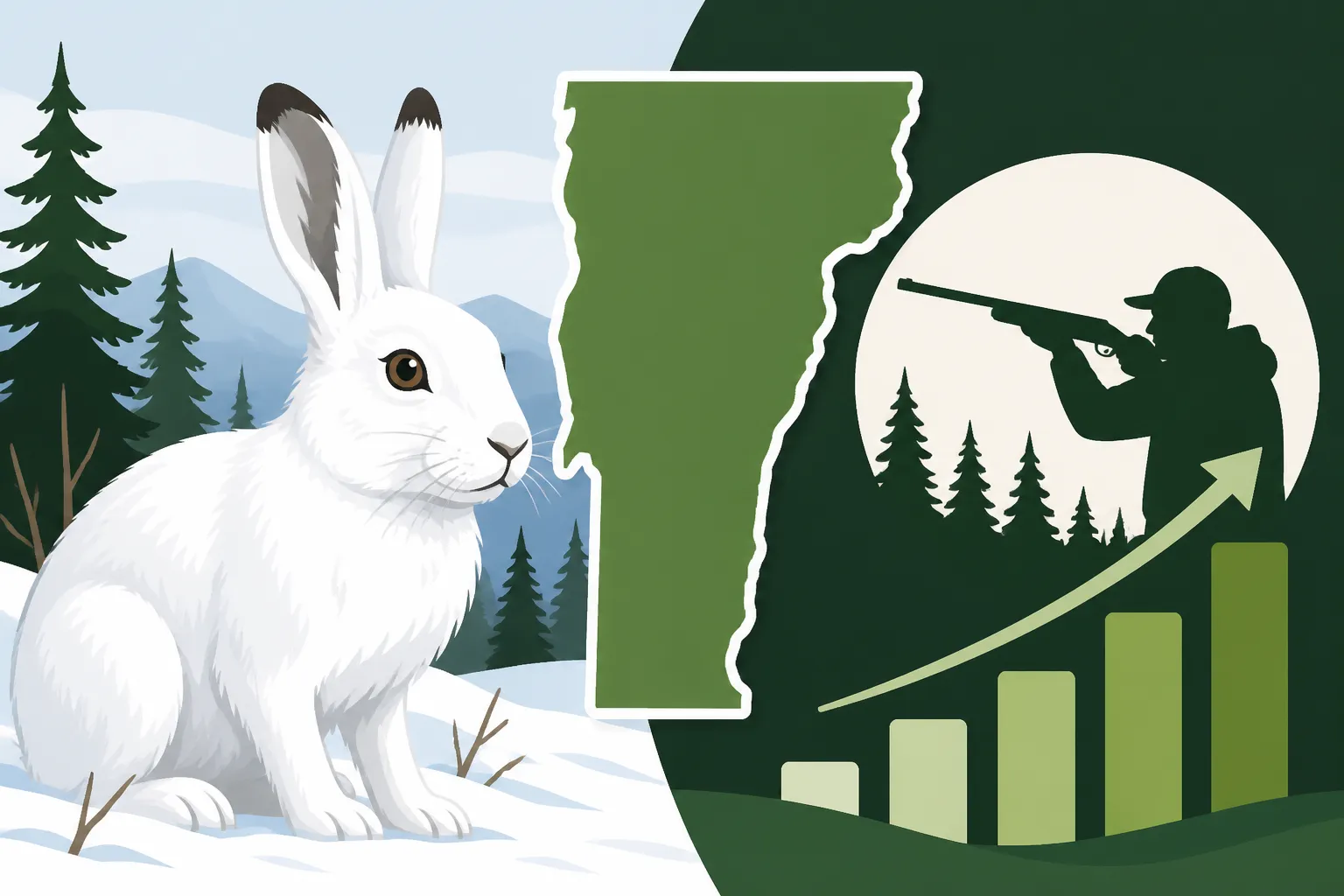
Annual harvest numbers, even if they are estimates based on surveys, provide critical insights into the general health and stability of the snowshoe hare population. A consistent trend of increasing harvest numbers over several years might suggest a growing or stable population with abundant habitat. Conversely, a sustained decline could signal underlying issues, such as habitat loss, increased predation, or disease. These trends are what wildlife managers primarily look at, rather than single-year fluctuations, to make informed decisions about species management. They are trying to identify patterns, not just data points. For instance, comparing current trends to historical data like Vermont Snowshoe Hare Population Trends is far more informative than isolating one season's results.
Identifying Regional Differences and Hotspots
Vermont is a diverse state, and snowshoe hare populations aren't evenly distributed. What's happening in the dense softwood swamps of the Northeast Kingdom might be very different from the regenerating clear-cuts in the Green Mountains. Harvest data, when broken down by region or Wildlife Management Unit (WMU), can highlight these differences. This allows hunters to identify potential hotspots where hare densities are higher and success rates might be better. It also helps managers focus their conservation and habitat improvement efforts where they are most needed. If you're looking for areas that hold up best, delving into details about Where Vermont Hare Populations Hold Up Best can be incredibly insightful.
Here's a simplified look at how various factors can influence snowshoe hare harvest numbers:
| Factor | Potential Impact on Harvest Numbers | Explanation |
|---|---|---|
| Habitat Quality | High | Abundant dense cover leads to higher populations and more harvest opportunities. |
| Snow Cover (Winter) | Moderate to High | Consistent, deep snow benefits hares by providing cover and access to food, potentially increasing survival. |
| Predator Abundance | Moderate to High | High predator populations can suppress hare numbers, leading to lower harvests. |
| Hunter Effort | Moderate | More hunters or more time spent hunting generally leads to higher reported harvests. |
| Disease Outbreaks | High | Localized or widespread disease can significantly reduce populations and harvest. |
| Forest Maturation | High (Long-term) | As young forests mature, they lose dense cover, negatively impacting hare numbers over time. |
How Hunters Contribute to Data and Management
Every hunter plays a vital role in the ongoing conservation and management of Vermont's snowshoe hare population. It's not just about taking to the woods; it's about being an informed and responsible participant in the larger system.
The Importance of Hunter Participation in Surveys
While mandatory check-ins for small game are rare, many states, including Vermont, conduct voluntary hunter surveys. These surveys are absolutely critical. When you take a few minutes to fill out a questionnaire about your hunting season—how many days you hunted, where you went, and how many hares you harvested—you're providing invaluable ground-level data that informs statewide management decisions. These individual reports, when aggregated, help create a much clearer picture of population trends and harvest success than any biologist could gather alone. It's a direct way for you, the boots-on-the-ground expert, to contribute to the future of hunting in Vermont. Without this participation, the data becomes less robust, making it harder for managers to spot trends or react to potential issues.
Responsible Hunting Practices for Sustainable Populations
Beyond reporting, practicing responsible hunting is paramount. This includes respecting bag limits, understanding local regulations, and ensuring ethical harvest practices. For example, knowing the rules around Running Beagles on a Vermont Snowshoe Hare ensures you're hunting legally and sustainably. By doing so, hunters ensure that enough hares remain to breed and contribute to future generations, maintaining a healthy, huntable population. Sustainable hunting isn't just about adhering to the law; it's about being a steward of the land and its wildlife. This includes being mindful of Hunting Pressure on Vermont Public Land and seeking out less-traveled areas. Understanding Vermont Hunter Education Requirements is the first step toward becoming a responsible hunter, ensuring you know all the regulations that govern your pursuit of game.
Looking Ahead: The Future of Hare Management
The future of snowshoe hare management in Vermont hinges on continued monitoring, habitat protection, and adaptive strategies. As forest landscapes change and climate patterns shift, wildlife agencies need robust data to make informed decisions. This might involve initiatives to encourage specific forestry practices that create and maintain optimal hare habitat or adjusting hunting seasons and bag limits if populations show significant shifts. For hunters, this means staying engaged, continuing to report their harvests, and adapting their own strategies as conditions evolve. Resources like Scouting Vermont Public Land Before Season become even more important when trying to locate prime habitat. Whether you use tools like GoHunt for mapping or simply rely on your own keen observations, your involvement ensures the thrill of chasing snowshoe hares remains a cherished part of Vermont's hunting tradition for years to come.
Disclaimer
This article is for general informational purposes only and does not constitute professional advice. Laws, prices and regulations vary by location and change over time. Consult a qualified professional for guidance on your specific situation.