Vermont Ruffed Grouse Harvest Numbers
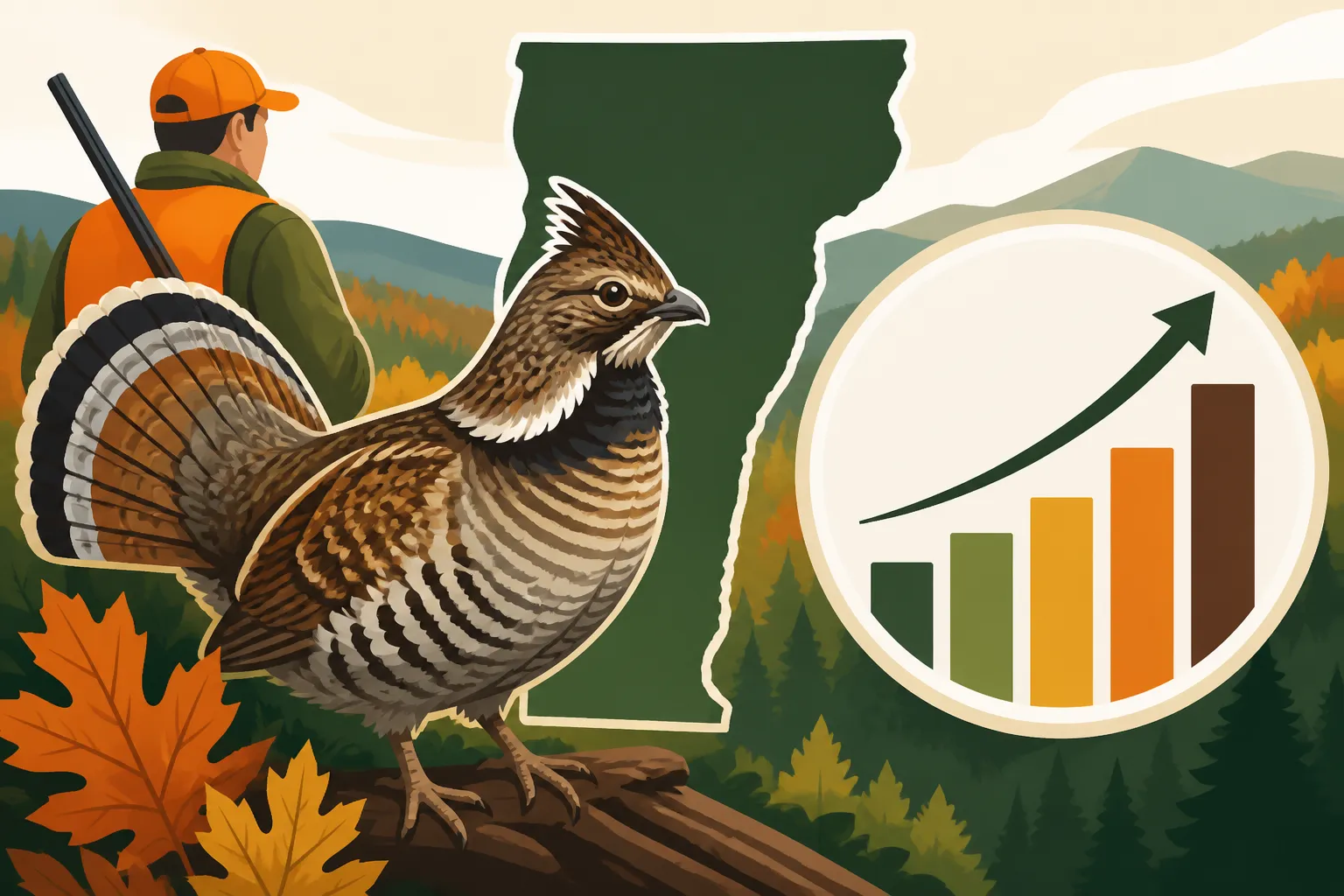
It's a question every passionate grouse hunter in Vermont eventually asks, often after a slow day in the woods: "Are there just fewer birds out there, or am I missing something?" We feel that frustration deeply when the drumming stops, or the flushes become scarce. Understanding Vermont's ruffed grouse harvest numbers isn't just about statistics; it's about gaining insight into the overall health of the population and how that might impact your hunting success, helping you plan your season with a clearer picture of what to expect.
Decoding Vermont's Ruffed Grouse Harvest Data
For many of us who love chasing ruffed grouse through Vermont's diverse woodlands, the thought of "numbers" can feel a bit sterile. We're out there for the experience, the flush, the dog work, not usually poring over spreadsheets. But the reality is, harvest data, when understood correctly, offers invaluable insights into the cyclical nature of these birds and the factors that influence their presence in our favorite coverts. It’s not about predicting your next flush with pinpoint accuracy, but about grasping the larger ecological picture that impacts your local hunting grounds.
The 'Why' Behind Tracking Grouse Numbers
Why should you, a dedicated Vermont grouse hunter, even care about harvest numbers? Think of it this way: if you've had a few seasons where finding birds felt like searching for a needle in a haystack, or conversely, a banner year where flushes seemed endless, those experiences weren't random. They're often reflections of broader population trends. Tracking harvest data helps wildlife biologists understand these trends, monitor population health, and make informed management decisions. For us hunters, it helps set realistic expectations. When you see a dip in statewide harvest, it explains why your familiar honey hole might feel a bit emptier. It validates that feeling of "things are different." It also encourages us to look deeper into why those numbers are changing – are there habitat shifts, weather impacts, or predator cycles at play? This understanding can make you a more adaptable and successful hunter. It’s about being informed, rather than just hoping for the best.
How Vermont Collects This Vital Information
Vermont's Fish & Wildlife Department works hard to compile accurate data, but they can't do it alone – it truly is a cooperative effort with hunters. The primary methods typically involve hunter surveys, often distributed by mail or online, where licensed hunters report their total grouse harvest for the season, including the number of days hunted. Another crucial piece of the puzzle comes from wing collections. Hunters are often asked to submit a wing from each grouse harvested. By examining these wings, biologists can determine the age and sex of the birds, providing critical data on reproductive success, chick survival, and age structure within the population. This kind of detailed information is indispensable. Imagine trying to manage a forest without knowing which trees are young saplings and which are mature oaks; it's the same principle with grouse. Every hunter who takes the time to fill out a survey or submit a wing contributes directly to this knowledge base, helping ensure the future of grouse hunting in Vermont. Without this direct input from the folks out in the field, our understanding would be far more limited.
What Vermont's Grouse Harvest Figures Really Tell Us
Looking at raw harvest numbers can be a bit like staring at a dense forest – you see a lot of trees, but it's hard to make sense of the overall shape of the woods. It's not just about how many birds were taken, but what those figures imply about population health, habitat conditions, and future hunting prospects. It’s about discerning patterns and understanding the forces that shape our grouse opportunities from year to year.
Understanding the Cycles: Highs, Lows, and Plateaus
One of the most defining characteristics of ruffed grouse populations across their range, and certainly here in Vermont, is their cyclical nature. You'll hear old-timers talk about "good grouse years" and "bad grouse years," and they're not just reminiscing; they're observing these population cycles. These cycles, often peaking every 8-11 years, are driven by complex interactions of habitat, weather, predation, and disease. A look at historical harvest data will show these peaks and valleys clearly. Understanding these Vermont Ruffed Grouse Population Cycles means you can anticipate that a few fantastic seasons might be followed by a few leaner ones, and vice versa. It helps manage expectations and keeps you from getting too discouraged during a downturn. When you see a statewide average harvest number, it's not a static figure; it's a snapshot within a larger, dynamic oscillation. Tools like those offered by GoHunt, while often focused on big game, demonstrate the power of data visualization for understanding population trends. Applying a similar mindset to grouse data helps you contextualize what you're seeing in the field.
Regional Variations: Where the Birds Are (and Aren't)
While statewide numbers give us a broad overview, Vermont is a diverse state with significant regional differences in habitat and grouse density. A poor harvest year in the Champlain Valley, with its more agricultural landscape and fragmented coverts, might not reflect a strong year in the younger, regenerating timber of the Northeast Kingdom. Conversely, a fantastic year in the Green Mountains might be due to localized mast crop abundance or recent timber harvests that created ideal young forest habitat. This is why digging a bit deeper into regional or even Wildlife Management Unit (WMU) specific data can be so enlightening.
For example, harvest numbers often show higher concentrations of grouse in counties with extensive forested tracts and active forest management, which promotes the early successional habitat grouse need. Caledonia, Essex, and Orleans counties in the Northeast Kingdom, for instance, often feature prominent numbers due to vast tracts of suitable habitat. Meanwhile, more developed or heavily agricultural areas might consistently show lower harvest rates. This isn't just trivia; it directly impacts where you might focus your efforts. Knowing these Best Vermont Counties for Grouse allows you to adjust your scouting and hunting plans, perhaps shifting your focus if your usual stomping grounds are experiencing a particularly low cycle.
Hypothetical Vermont Grouse Harvest Trend Example (Annual Flush Rate per Hunter Day)
| Year Category | Green Mountains | Northeast Kingdom | Champlain Valley | Statewide Average | Notes |
|---|---|---|---|---|---|
| Peak Cycle | 3.2 | 4.5 | 2.1 | 3.5 | Strong habitat regeneration, mild winters, abundant mast. Good bird production. |
| Declining | 2.5 | 3.8 | 1.5 | 2.6 | Population begins to drop after peak, potentially due to increased predation or maturing habitat. |
| Low Cycle | 1.8 | 2.9 | 0.9 | 1.9 | Challenging years for hunters, often following harsh winters or poor breeding seasons. |
| Recovering | 2.1 | 3.3 | 1.2 | 2.3 | Initial signs of population rebound, often spurred by favorable conditions. |
This table is illustrative and does not represent real-time data or specific historical figures.
Applying Harvest Data to Your Vermont Grouse Hunt
So, you've looked at the numbers, you've understood the cycles and regional differences. Now what? The real value of this information comes when you integrate it into your actual hunting strategy. It's about using the big picture to inform your small-scale, boots-on-the-ground decisions.
Combining Statewide Trends with Local Scouting
Harvest numbers should serve as a guide, not a gospel. If statewide figures suggest a downturn, it might mean you need to cover more ground or scout more intensely. If the numbers are up, you might still focus on those key areas but with renewed confidence. The real magic happens when you marry this data with your personal Scouting Vermont Public Land Before Season. For instance, if you know the Northeast Kingdom had a strong harvest, you might lean into exploring new logging cuts there. Use mapping tools – like GoHunt's mapping features – to identify potential habitat changes such as recent timber operations, which can create excellent grouse cover in just a few years. Look for areas with a mix of dense young saplings, older hardwoods for mast, and access to water. The data points you in the right direction, but your boots and your dog (if you hunt with one) are what confirm the specifics.
Beyond the Kill Count: Other Indicators of Grouse Health
Harvest numbers are just one piece of the puzzle. An astute grouse hunter learns to read the woods themselves for other vital signs. What was the mast crop like last year – did you see abundant beechnuts or acorns? A poor mast crop can significantly impact overwinter survival and subsequent breeding success, regardless of the previous year's harvest numbers. What about weather patterns? Severe ice storms in winter, or a cold, wet spring during chick-rearing season, can decimate a population even if habitat is ideal. Pay attention to drumming counts in the spring, which give a good indication of breeding male populations. Listen for the distinct thump-thump-thump – a low count can signal a tough season ahead. Observing other small game, like Squirrel Hunting Vermont Hardwoods, can even offer clues; a good mast crop year for squirrels often benefits grouse too. These on-the-ground observations, combined with harvest data, give you a much richer understanding of the grouse population in your specific hunting areas.
Maximizing Your Chances: Gear, Tactics, and Mindset for Vermont Grouse
Chasing ruffed grouse in Vermont isn't always easy, but it’s immensely rewarding. To truly maximize your chances, it’s about more than just knowing the numbers; it’s about being prepared, understanding the bird, and adopting the right approach in the field.
Essential Gear for Flushing Vermont Ruffed Grouse
When you're busting brush and walking miles through varied terrain, having the right gear is paramount. Good quality, waterproof, and comfortable boots are an absolute must. You'll encounter everything from muddy creek bottoms to rocky hillsides, so support and traction are key. Consider insulated options for those crisp late-fall days, but breathable ones for early season. For recommendations on rugged footwear, you might explore options discussed in Boots for Green Mountain Ridge Terrain. Layering your clothing is another critical strategy, as Vermont weather can change on a dime. Start with moisture-wicking base layers, add insulating mid-layers, and top it off with a durable, briar-resistant outer shell. For safety, especially when others are in the woods, a blaze orange vest or hat is non-negotiable. If you hunt with a dog, ensure they are also well-equipped with protective vests and bells, and that you have a first-aid kit for both yourself and your canine companion.
Reading the Landscape for Prime Grouse Cover
Grouse are creatures of cover, particularly young, regenerating forests. They thrive in areas with dense understory that offers both food and protection from predators. When you're Finding Sign in Green Mountain Timber, look for evidence of active timber management, such as clear-cuts that are 5-20 years old. These areas are often choked with saplings, ferns, and brambles – perfect for grouse. Old apple orchards, especially those on abandoned farmsteads, are also prime locations, offering both food and dense cover. Look for thick patches of conifers, like spruce and fir, adjacent to deciduous stands; these provide crucial winter cover. Don't overlook natural edges where different habitat types meet, like the transition from a mature hardwood forest to a powerline cut or a beaver flowage. Utilizing tools like GoHunt or similar mapping platforms to identify historical logging activities or changes in forest composition can give you a massive leg up in locating these prime areas.
Patience and Persistence: The Keys to a Successful Hunt
Perhaps more than any other small game hunting, chasing ruffed grouse requires a unique blend of patience and persistence. You might walk for an hour or more without a flush, then hit a patch of cover and get multiple birds up in quick succession. Don't get discouraged during the quiet stretches; keep moving methodically through likely habitat. Focus on covering ground, but also pay attention to details. Pause frequently to listen, look for droppings, or observe dog behavior. Remember that grouse will often hold tight, especially on cold, windy days or when cover is particularly dense, so walking slowly and deliberately can be more effective than rushing through. A flush might not always result in a shot, and that's okay. The thrill is often in the surprise, the dog work, and the beauty of being in Vermont's wild places. It's a journey, not just about the final tally. Embracing the challenge and the beauty of Small Game and Predator Hunting in Vermont is what makes it so rewarding.
Disclaimer
This article is for general informational purposes only and does not constitute professional advice. Laws, prices and regulations vary by location and change over time. Consult a qualified professional for guidance on your specific situation.