Vermont’s Recovering River Otter Population
Vermont river otter populations rebounded through habitat protection, improved water quality, and sustainable wildlife management.
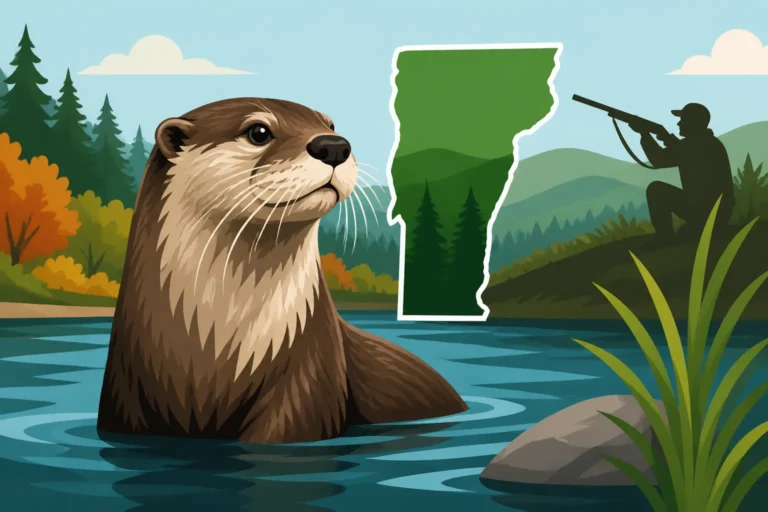
Vermont river otter populations rebounded through habitat protection, improved water quality, and sustainable wildlife management.
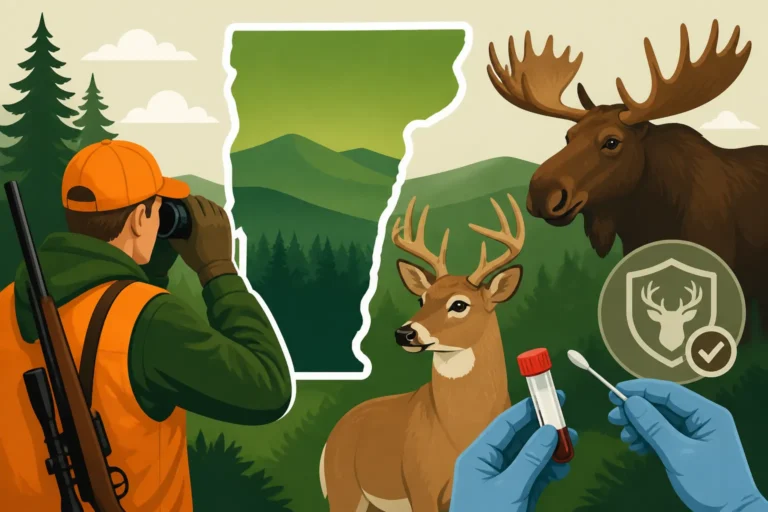
Vermont wildlife disease monitoring programs protect deer and moose herds from chronic wasting disease and winter ticks.
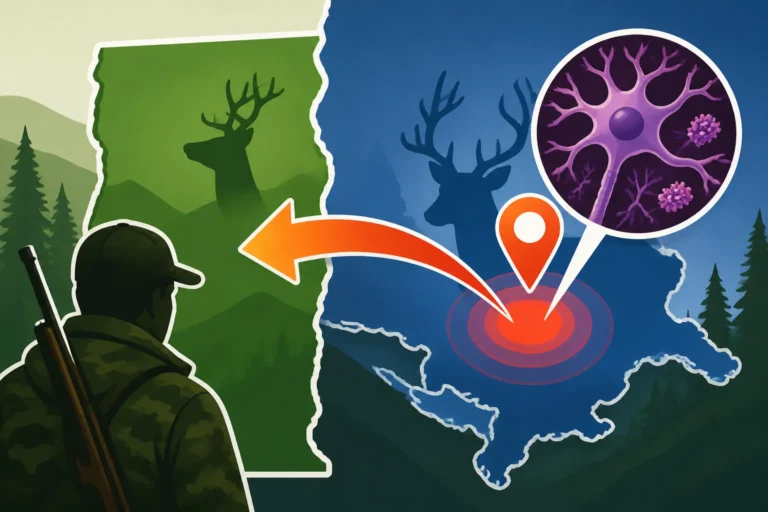
Chronic Wasting Disease in Quebec threatens Vermont deer herds through environmental prion transmission and fatal neurological damage.
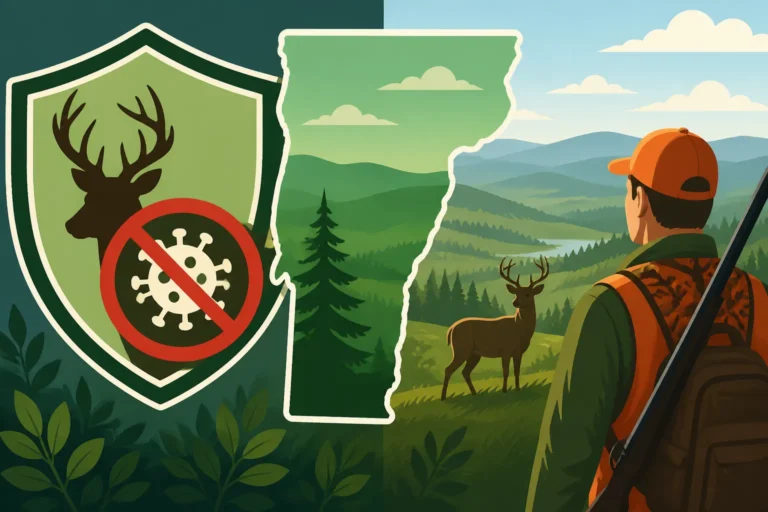
Vermont prevention strategies, natural advantages, and community efforts keep wild deer and moose herds free from chronic wasting disease.
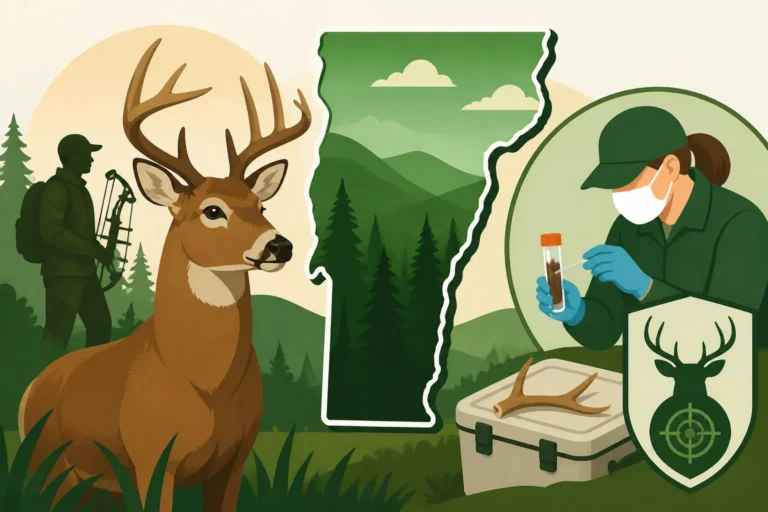
Vermont’s surveillance program explains how wildlife officials track chronic wasting disease to protect local deer herds.
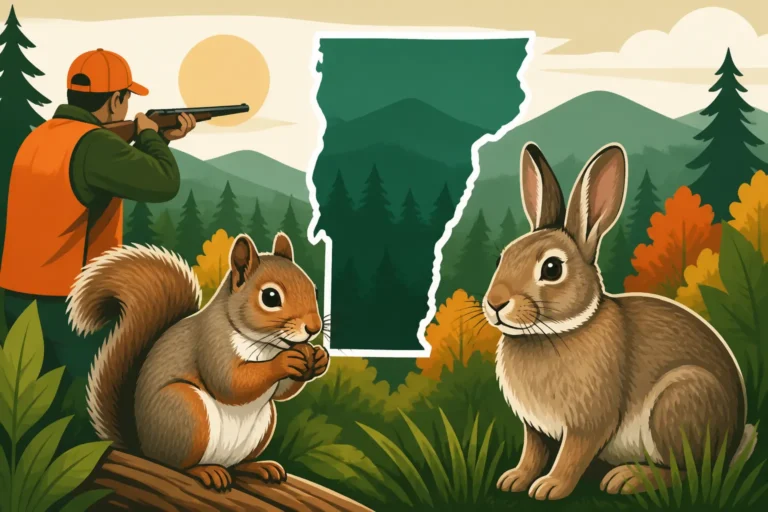
Vermont gray and red squirrel populations offer accessible hunting opportunities across hardwood and coniferous forests.
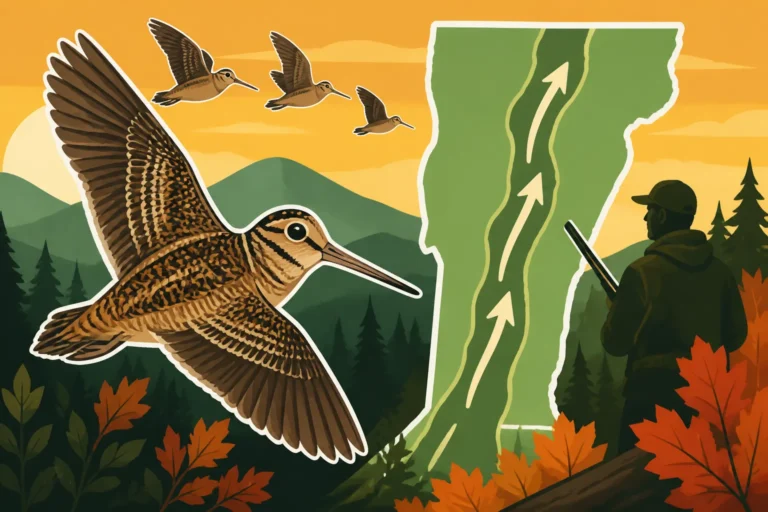
Vermont serves as a migration corridor because freezing northern ground forces insectivores south, creating October peaks.
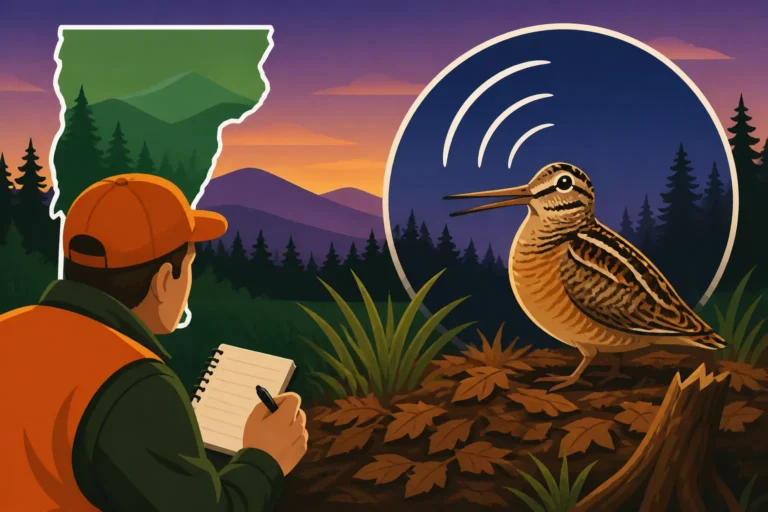
Vermont woodcock singing ground surveys provide vital trend data to guide conservation and inform sustainable hunting decisions.
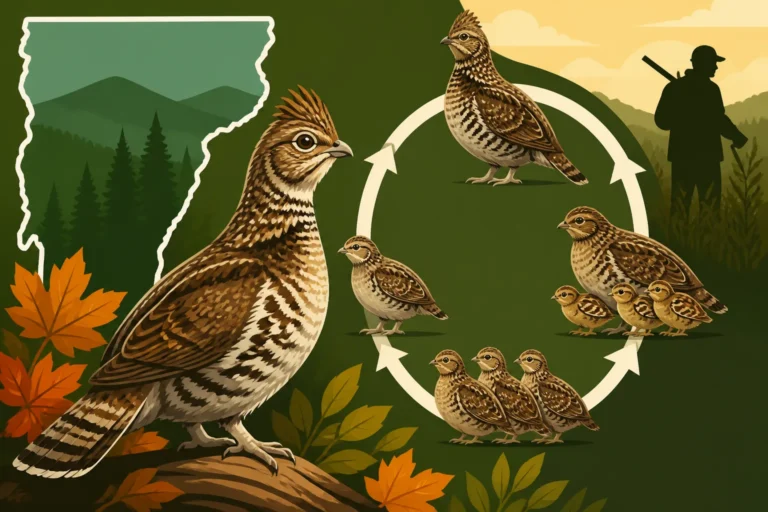
Vermont ruffed grouse population cycles, habitat needs, and seasonal food sources explain why bird numbers fluctuate across the state.
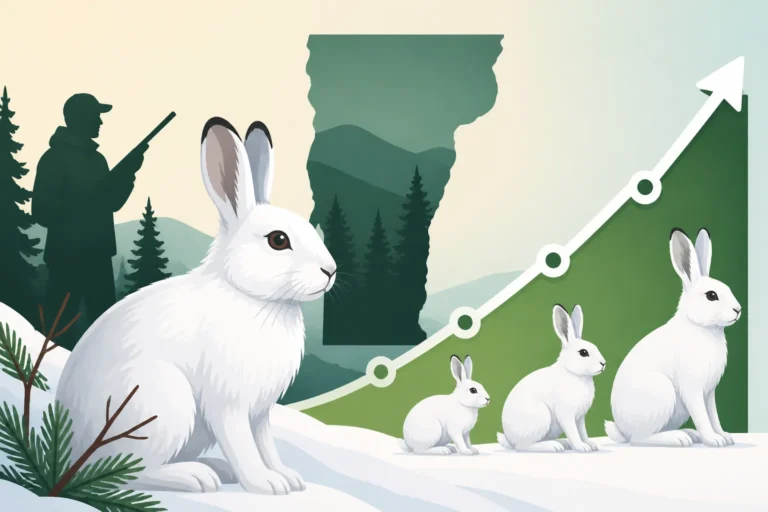
Vermont snowshoe hare population trends involve cyclical booms and busts driven by natural predator and prey relationships.