Public Ground Near Springfield
It's incredibly frustrating, isn't it, when you're looking for a good spot to hunt near a specific area like Springfield, Vermont, and all you seem to find are "Posted" signs or dense private holdings? You spend hours scouring maps, driving back roads, and still end up feeling like there's nowhere left to stretch your legs and pursue game. But don't despair! While finding accessible public hunting ground takes a bit of elbow grease and local knowledge, it absolutely exists. This guide is here to walk you through some excellent options near Springfield, VT, and equip you with the know-how to find and hunt them effectively, transforming your frustration into successful days afield.
Immediate Public Hunting Opportunities Near Springfield
When you're based in Springfield, you're nestled in a part of Vermont that offers a blend of working forests, farmlands, and some surprising pockets of public access. While you might not have a massive tract of Green Mountain National Forest right on your doorstep, there are smaller, often overlooked, parcels of state-managed land that can hold some fantastic opportunities for deer, turkey, and small game. These aren't always the sprawling wilderness areas you hear about, but they are often productive precisely because they fly under the radar for many hunters.
One of your best bets right in the immediate vicinity is often a State Forest. These are managed by the Department of Forests, Parks and Recreation, and unlike State Parks (which often have more restrictions), most State Forests are open to hunting. They often feature a mix of timber stands, some older growth, and maybe even a stream or two. The key here is to look at a good mapping application or a detailed paper map to identify the specific boundaries. You might find a State Forest that's only a few hundred acres, but those acres can be incredibly rich in deer sign if they offer good cover, food, and water.
Consider looking into parcels like Lord State Forest, a decent tract west of Springfield that offers a mix of hardwoods and softwoods. It's not massive, but it's large enough for a good still-hunt or to set up on a promising pinch point. Access can be from various town roads, and you'll often find old logging roads or trails that make for excellent entry routes. Keep an eye out for natural funnels where deer might travel between different bedding or feeding areas. Sometimes, these smaller public parcels are bordered by private land that might be less disturbed, creating an edge effect that concentrates game.
Identifying Productive Small Parcels
The trick with smaller public parcels near a town like Springfield is learning to read the landscape. These areas aren't usually wilderness, meaning they've likely been logged, farmed, or at least influenced by human activity in the past. This can actually work to your advantage. Old clear-cuts, now grown into dense young timber, provide incredible bedding cover for deer and excellent habitat for grouse. Abandoned apple orchards within a state forest can be absolute magnets for deer and bear in the early season. Even a swampy bottomland area that most hunters avoid can be a sanctuary for a mature buck.
A detailed mapping tool, like onX Hunt, is truly your best friend here. You can toggle between satellite views and topographic maps to spot these features. Look for distinct changes in vegetation, subtle elevation shifts, or areas where timber types change dramatically. A dense pine stand bordering an oak ridge within a State Forest, for instance, offers both thermal cover and food, making it an ideal spot. You can even use these mapping layers to trace old logging roads or nearly invisible woods trails that lead you deeper into less-pressured areas. Sometimes, the easiest access point visible from the road is the most heavily hunted. A little extra walk often pays huge dividends.
Scouting for Success in Local Woods
Before the season even opens, dedicate some serious time to scouting these local woods. Unlike vast wilderness, these areas are often compact enough that you can really get to know every ridge, every drainage, and every thicket. Look for rubs and scrapes from previous seasons, which can indicate historical buck activity. Pay attention to well-worn deer trails, especially those connecting different habitat types, such as a thick softwood bedding area to a hardwood ridge offering acorns. Reading Vermont Mud for Fresh Deer Movement can tell you if deer are currently using the area.
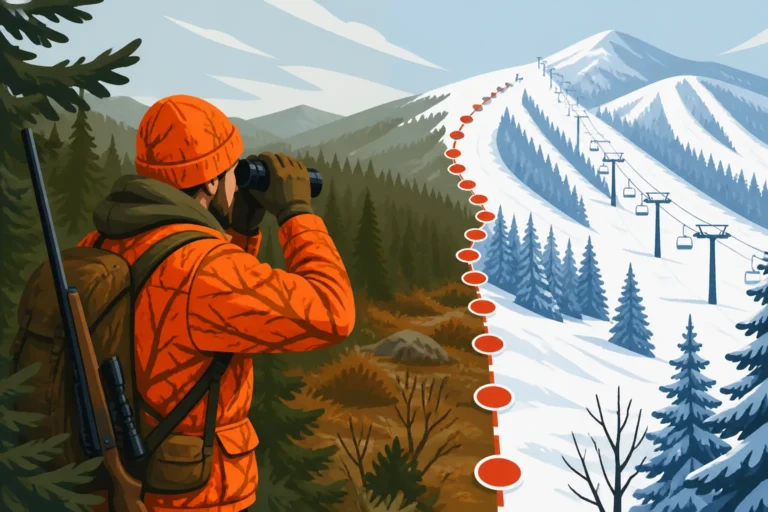
Walk the boundaries of these public parcels during the off-season. Identify where the public land ends and private land begins, using a GPS-enabled app on your phone. This is crucial for avoiding trespass. Look for natural barriers like steep ravines, uncrossable bogs, or dense blowdowns that might funnel deer movement or create natural sanctuaries from hunting pressure. Shed Hunting on Vermont Public Land is a fantastic way to scout in the late winter and early spring, giving you valuable insights into deer wintering areas and travel patterns before the foliage gets too thick.
Venturing a Little Further: Day Trip Options
While Springfield offers some localized options, sometimes you need to expand your search a bit to find larger, less-pressured public hunting grounds. Within a reasonable day-trip drive – say, 30 to 60 minutes – you open up possibilities for different types of terrain and potentially more expansive public access. This is where you might start to brush up against larger Wildlife Management Areas (WMAs) or even the edges of larger state forests that offer a more remote feel.
The Connecticut River Valley, just to your east, also presents opportunities, particularly for waterfowl and some riverside deer hunting, though access can be fragmented. However, turning west or north into the state offers more contiguous public woodlands. While the Green Mountain National Forest isn't right next door, you're not prohibitively far from parts of it, or from substantial State Forests that mimic a similar experience.
Exploring Nearby Wildlife Management Areas
Vermont's Wildlife Management Areas (WMAs) are designed specifically for wildlife habitat and public recreation, including hunting. These areas are usually managed with specific goals, whether it's enhancing deer habitat through timber cuts, maintaining waterfowl impoundments, or preserving critical bear habitat. They can range greatly in size and character.
Near Springfield, depending on your exact drive tolerance, you might look toward WMAs like Little Ascutney WMA to the north. While it's not a behemoth, it offers varied terrain including forested slopes and some lower elevation areas that can be productive. Researching individual WMAs is critical as they often have specific management plans you can find on the Vermont Fish and Wildlife Department website. Some WMAs might be more geared towards waterfowl, others towards deer, and some offer a good mix.
When hunting WMAs, always be mindful of other users. They are popular for hiking, birdwatching, and other activities. Carrying your How Much Blaze Orange Vermont Requires is essential, especially during deer seasons, even if you're archery hunting. Knowing the lay of the land, including where trails are located, helps you plan your hunt to minimize interactions and maximize safety. Hunting Pressure on Vermont Public Land is a real factor on WMAs, so learn to seek out the less-traveled corners.
State Forests Beyond the Immediate Area
Expanding your search to other State Forests further afield can yield significant results. For example, heading north or west could bring you into areas with larger State Forests that see less foot traffic than those immediately surrounding larger towns. These bigger parcels allow for deeper penetration and a greater sense of solitude, which many hunters crave. They often contain mature timber, varied topography, and extensive trail systems (sometimes old logging roads, sometimes designated recreation trails).
Always check the Vermont Fish and Wildlife Department's resources for maps and specific regulations for each State Forest. While most are open to hunting, some might have seasonal closures or specific rules regarding vehicle access or camping. Remember, these are working forests, so you might encounter active logging operations, which can temporarily disrupt hunting but often create excellent new habitat in the long run. Hunting the edges of recent timber cuts can be incredibly productive, as the new growth provides abundant browse and cover for deer. Finding Sign in Green Mountain Timber in these areas is key.
| Public Hunting Area | Estimated Drive from Springfield, VT | Primary Game Species | Key Features |
|---|---|---|---|
| Lord State Forest | 15-20 minutes | Deer, Turkey, Small Game | Mixed hardwoods/softwoods, old logging roads |
| Little Ascutney WMA | 25-30 minutes | Deer, Turkey, Waterfowl | Varied terrain, some wetland areas, managed habitat |
| Camp Plymouth State Park (portions) | 40-45 minutes | Deer, Turkey, Small Game | Lake frontage, mixed forest (check for hunting zones) |
| Calvin Coolidge State Forest | 45-60 minutes | Deer, Bear, Turkey, Small Game | Expansive, mountainous, remote feel, diverse habitat |
Note: While Camp Plymouth is a State Park, some portions may allow hunting. Always check current regulations for specific parcels within State Parks, as rules can vary significantly.
Strategies for Success on Public Ground
Hunting public land, especially around more populated areas, requires a different mindset and strategy than hunting private, managed parcels. You're dealing with varying levels of pressure, and the game animals are often more educated. But with the right approach and the proper tools, you can consistently find success. It's about out-thinking not just the deer, but sometimes other hunters too.
The key to unlocking public ground is a combination of advanced scouting, smart use of technology, and understanding how game animals react to human presence. Don't be discouraged by initial scouting trips that don't yield abundant sign. Sometimes, the best spots are those that require a bit more effort to reach or appear less conventional.
Leveraging Mapping Technology and Scouting Tools
Modern mapping applications have revolutionized public land hunting. Tools like onX Hunt are invaluable for identifying property boundaries, topographic features, and even different habitat types from your phone. You can mark potential stand locations, food sources, and bedding areas. Services like GoHunt can also provide valuable information on game populations and regulations, helping you narrow down your search even before you hit the field.
Before you ever step foot in the woods, spend time looking at aerial imagery. Identify pinch points between thick cover and open areas, saddles on ridges, or natural funnels created by terrain or water features. Look for areas of distinct cover changes – for example, a mature hardwood ridge dropping into a dense pine thicket. These transition zones are often prime spots for deer movement. Reading Aerial Photos for Green Mountain Deer is a skill that will pay dividends. Use the topographical maps to identify steep terrain that might deter other hunters, creating de facto sanctuaries for game.
During your physical scouting trips, mark every rub, scrape, bed, and fresh track you find directly on your mapping app. Over time, you'll start to see patterns emerge. This digital breadcrumb trail will help you understand how deer are using the landscape and where you should focus your efforts once the season opens. Also, always be aware of Trail Camera Rules on Vermont Public Land before you set one up.
Hunting Pressure and Finding Quiet Zones
It's a fact: public land often sees more hunting pressure than private parcels. This means the deer are typically more nocturnal and will gravitate towards areas with less disturbance. Your goal is to find those quieter zones. Often, this means walking further than most other hunters. Many hunters won't venture more than a quarter or half-mile from a road or parking area. If you're willing to go a mile or two in, you'll significantly reduce the pressure you encounter.
Look for areas that are difficult to access. This could be a steep ravine, a swampy bottomland, or a dense thicket that's a pain to walk through. These "nasty" spots are often sanctuaries. Deer learn quickly where they are safe, and they will gravitate towards these areas during hunting season. Finding Ground Others Walk Past is about identifying these overlooked havens. Think about what makes a spot uncomfortable for you to reach – chances are, it's uncomfortable for others and appealing to deer.
Consider hunting during the week rather than on weekends if your schedule allows. Public land pressure is almost always higher on Saturdays and Sundays. Additionally, plan your entry and exit routes carefully to minimize disturbance. Approach your stand from a downwind direction, and don't bust through known bedding areas on your way in or out. The more stealthy you are, the less you educate the deer to your presence.
Understanding Vermont's Public Land Ethic
Hunting public land in Vermont isn't just about finding game; it's also about being a good steward of the land and a respectful member of the hunting community. Vermont has a strong tradition of public access, and it's up to all of us to maintain that by acting responsibly and ethically. This means understanding and adhering to regulations, practicing good land etiquette, and respecting other users.
You'll often encounter hikers, dog walkers, birdwatchers, and other outdoor enthusiasts on public land. A friendly nod or a polite "good morning" goes a long way. We share these wild spaces, and mutual respect ensures everyone can enjoy them. Always wear your blaze orange during applicable seasons, not just for safety from other hunters, but also to be visible to non-hunters.
Regulations and Responsible Practices
Before heading out, always consult the current Vermont Fish and Wildlife Digest for the most up-to-date regulations. Rules can change, and knowing them is your responsibility. Pay close attention to season dates, bag limits, and specific regulations for the WMA or State Forest you plan to hunt. For instance, there might be specific rules about Treestand Rules on Vermont Public Land or Ground Blind Rules on Vermont WMAs. Some areas might have restrictions on baiting or certain types of lures. Vermont's Rule Against Urine-Based Deer Lures is a statewide regulation to be aware of.
Leave no trace behind. Pack out everything you pack in, including spent shell casings, food wrappers, and anything else you bring with you. When field dressing an animal, do so away from trails and water sources, and be mindful of where you leave entrails. Bury them if possible, or scatter them in dense cover away from public view. The goal is for the next person to come along and not even know you were there, preserving the wild feel of the land for everyone.
Access and Respect for Boundaries
While public land is, by definition, open to all, access points can sometimes be limited or lead through private property. Always respect "Posted" signs and private property boundaries. Use your mapping app, like onX Hunt, to ensure you are always on public ground. If you suspect your game may have run onto private land, make every effort to contact the landowner for permission before retrieving it. While Vermont law allows for retrieval of game, it's always best to ask permission first. Retrieving Game From Private Land in Vermont clarifies the legal aspects, but good neighbor relations are always paramount.
Remember, the goal of hunting on public land is not just to fill a tag, but to immerse yourself in the natural world and appreciate the wildness that Vermont still offers. By being informed, respectful, and persistent, you can find incredible hunting experiences near Springfield and across the Green Mountain State.
Disclaimer
This article is for general informational purposes only and does not constitute professional advice. Laws, prices and regulations vary by location and change over time. Consult a qualified professional for guidance on your specific situation.