Hunting the Otter Creek Valley
For any hunter in Vermont, the Otter Creek Valley presents a unique blend of promise and puzzle. You’re looking at some of the richest agricultural land in the state, which naturally means abundant food sources for deer and other game. But that richness often comes with a challenge: navigating private land and finding those elusive public access points in a landscape dominated by farms. This guide aims to pull back the curtain on hunting the Otter Creek Valley, providing you with actionable strategies, essential knowledge about the terrain, and tips for unlocking its incredible potential, whether you're chasing a mature whitetail or calling in a spring gobbler.
Understanding the Otter Creek Valley Ecosystem for Hunters
The Otter Creek, Vermont's longest river, carves a serpentine path through some of the most fertile lowlands in the state, flowing north from its source in Dorset all the way to Lake Champlain. This isn't your typical Green Mountain backcountry; it's a dynamic mosaic of agriculture, wetlands, and hardwood pockets that create a haven for wildlife. Understanding this unique ecosystem is the first step to truly appreciating its hunting opportunities.
The Landscape and Habitat Mix
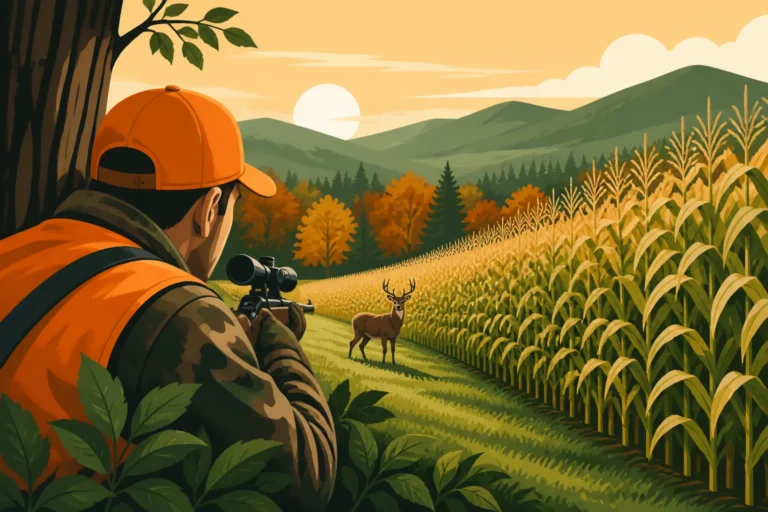
Imagine vast cornfields stretching towards wooded riverbanks, hayfields giving way to brushy thickets, and low-lying areas that become marshy or even flooded after heavy rains. That's the Otter Creek Valley in a nutshell. You've got rich, productive agricultural fields offering an endless buffet of grains and forage for deer, turkeys, and small game. Interspersed are dense riparian corridors—the strip of woods and brush right along the creek—that provide critical cover, bedding areas, and travel routes. These areas are often a mix of mature hardwoods like oaks and maples, offering mast crops, and dense softwoods or alders that give animals a place to hide and escape pressure.
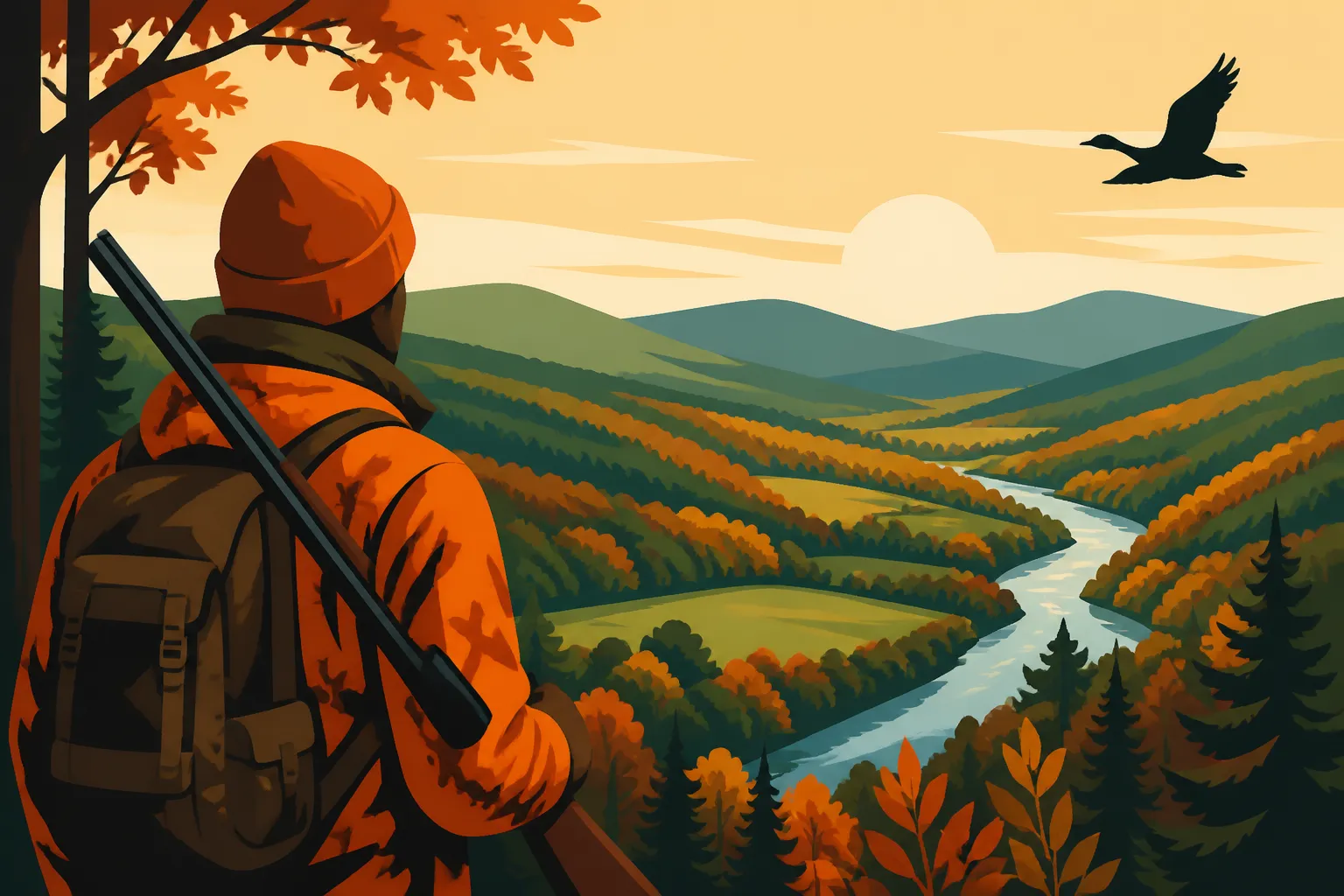
Beyond the immediate creek banks, you'll find a patchwork of smaller woodlots, often bordering the agricultural fields, and sometimes even small elevated ridges or hills. This varied terrain, from open fields to dense cover, creates incredible edge habitat, which any experienced hunter knows is prime real estate for game. The creek itself, with its slow-moving waters and numerous oxbows, backwaters, and feeder streams, is a magnet for waterfowl, especially during migration. This isn't just a place where deer pass through; it's a place where they thrive, often growing larger due to the incredible nutrition available.
Key Game Species and Their Habits
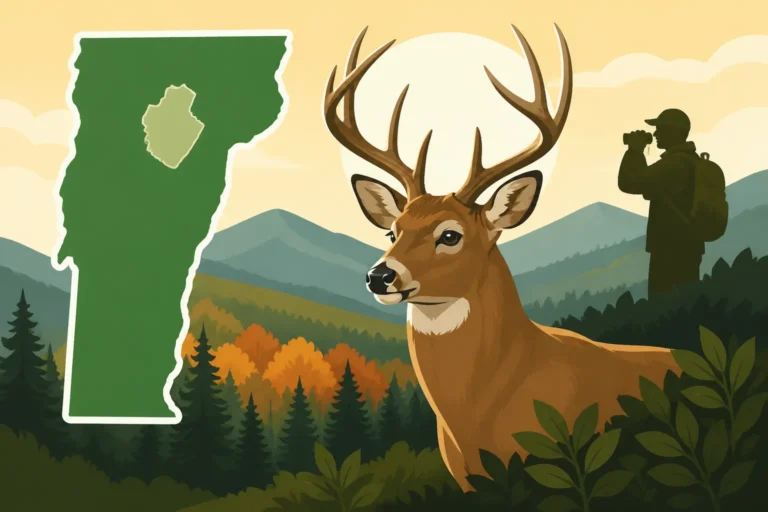
While the Otter Creek Valley offers diverse hunting, it’s arguably best known for its white-tailed deer. The deer here benefit immensely from the surrounding agriculture. They have constant access to high-calorie crops like corn and alfalfa, which translates to larger body sizes and often more impressive antler growth. You’ll find deer bedding down in dense thickets along the creek or in smaller woodlots adjacent to fields, only to emerge at dawn and dusk to feed. During the rut, these bucks will cruise creek bottoms and field edges, scent-checking and chasing does. The sheer abundance of food means they don’t have to travel far, but understanding their specific travel patterns between bedding and feeding is paramount. You might be surprised at the deer density in some of these overlooked pockets.
Beyond deer, the valley is a fantastic spot for waterfowl. The Otter Creek itself, along with numerous farm ponds and low-lying flooded areas, attracts migrating ducks and geese. Mallards, wood ducks, and various other puddle ducks frequent the smaller waterways, while Canada geese often utilize the open agricultural fields. Decoying Ducks on Lake Champlain is a nearby cluster topic, and many of the same principles apply to the calmer waters of Otter Creek and its surrounding wetlands. Scouting for good loafing areas and identifying flight paths will be crucial for success.
Wild turkeys also flourish in the Otter Creek Valley. They find ample roosting trees in the mature hardwoods along the creek and surrounding woodlots, and feed heavily in the agricultural fields. You’ll often see flocks moving across cornfields in the fall or hear gobblers sounding off from their roosts in the spring. Small game like squirrels and rabbits are plentiful in the timbered areas and brushy fence rows, providing excellent opportunities for a different kind of hunt. And, of course, where there's abundant prey, there are often coyotes, offering year-round hunting challenges, especially on chilly winter mornings.
Navigating Public and Private Land in Otter Creek Valley
Hunting the Otter Creek Valley means embracing a landscape that is largely privately owned, especially the highly productive agricultural lands. This reality can be a hurdle for some hunters, but with the right approach and tools, it can also lead to incredibly rewarding experiences and less pressured game.
Identifying Public Access Points
While private land dominates, there are certainly public hunting opportunities within the Otter Creek Valley and its adjacent areas. You'll want to familiarize yourself with Vermont's Wildlife Management Areas (WMAs), State Forests, and other state-owned parcels. Some of these are specifically managed for wildlife habitat and public recreation. These might not always be directly on the Otter Creek floodplain, but they often border or are within easy travel distance for game that frequents the valley.
This is where modern mapping technology becomes your best friend. Services like onX Hunt are absolutely invaluable. You can zoom in and immediately see land ownership boundaries, clearly distinguishing public land from private parcels. This helps you identify potential walk-in access points, understand where a WMA might pinch down into a narrow corridor, or where a state forest parcel might offer a high ridge overlooking agricultural areas in the valley below. Don't be afraid to identify these smaller, perhaps less obvious public sections. Sometimes, the best hunting on public land is found in those overlooked corners that require a bit more legwork to reach, where others simply don't bother. Scouting with these apps allows you to virtually "walk" the terrain before you ever set foot in the woods, saving you countless hours.
Securing Private Land Permission
Let’s be honest, in a prime agricultural area like the Otter Creek Valley, some of the very best hunting will be on private land. This shouldn't be a source of frustration, but rather an opportunity to build relationships and expand your hunting grounds. Many landowners, especially farmers, deal with deer damage to crops and can be receptive to ethical hunters who ask for permission.
The key here is respect and a clear, polite approach. Don't just show up during hunting season. Plan to visit landowners in the late summer or early fall, well before the rush. Dress neatly, introduce yourself, and explain why you're interested in hunting their property. Offer to help them with small chores, like checking fences or picking up trash, in exchange for hunting access. Be specific about what you want to hunt (e.g., "I'm primarily interested in bowhunting for deer, mostly from a treestand in that woodlot behind your cornfield"). Make sure you understand and respect their specific rules, whether it's where to park, which fields are off-limits, or how to enter and exit the property. Leave no trace, close all gates, and always check in and out. And if you have success, a small thank-you, like some venison from your harvest or a gift certificate to a local business, can go a long way in securing future access. Knowing Vermont Posted Land Rules is critical; always assume land is private and requires permission unless clearly marked as public.
Hunting Strategies Tailored for Otter Creek Valley
The unique habitat of the Otter Creek Valley demands specific hunting strategies that capitalize on its strengths while mitigating its challenges. Forget everything you might know about deep woods hunting; here, it's all about understanding the relationship between food, cover, and water in an agricultural setting.
Deer Hunting: Leveraging Food and Cover
When it comes to deer, the Otter Creek Valley is a land of plenty. Your primary strategy should revolve around those abundant food sources. Deer will inevitably spend a significant amount of time in the cornfields, hayfields, and alfalfa plots. This means focusing your efforts on the edges of these fields, particularly where they meet dense cover, such as a woodlot or the thick riparian growth along the creek.
Consider setting up treestands or ground blinds along these field edges, especially at pinch points or funnels where deer movement is concentrated. A funnel might be a narrow strip of woods connecting two larger blocks of timber, or a section of the creek bottom that deer use to travel unseen between feeding and bedding areas. Look for well-worn trails entering and exiting fields, fresh rubs along the tree lines, and active scrapes. During the early archery season, deer will be predictable, hitting fields in the evenings. As the season progresses into late October and November, particularly during Hunting the Rut in Early-to-Mid November, bucks will be on the move, scent-checking does. This is when cruising the creek bottoms or still-hunting through smaller woodlots that connect major food sources can be highly effective. They'll use the creek as a natural travel corridor, offering excellent opportunities for strategic stand placement.
Waterfowl and Other Opportunities
For waterfowl, the Otter Creek itself is the main highway. Jump-shooting ducks along the winding creek can be a thrilling experience, especially during the early season. Be stealthy, use the creek banks for cover, and be ready for quick shots. Alternatively, if you can gain access to low-lying flooded fields or farm ponds adjacent to the creek, setting out a spread of decoys can be incredibly effective, particularly for mallards and geese. Scouting is absolutely paramount here; you need to know where the birds are feeding and resting.
Turkey hunting in the valley is also rewarding. In the spring, focus on identifying roost trees in the mature hardwoods along the creek. Listen for gobblers at dawn and set up strategically to call them in. In the fall, turkeys often form large flocks that can be patterned moving between fields and woodlots. Techniques like breaking up a flock and then calling individual birds back can work well. For small game, simply identifying brushy hedgerows, old orchards, or dense patches of timber will put you in prime position for squirrels and rabbits.
Seasonal Considerations and Scout Tactics
The hunting opportunities in Otter Creek Valley shift significantly with the seasons.
| Season | Primary Game Focus | Key Tactics | Essential Gear |
|---|---|---|---|
| Early Archery | Deer, Turkeys | Field edges, pinch points, water sources. Patterning evening movements. | Lightweight layers, mosquito repellent, good binoculars. |
| Rifle Season | Deer | Rut activity in creek bottoms & woodlots. Funneling deer between fields. Driving smaller woodlots. | Blaze orange, warm layers, rangefinder, rifle. |
| Muzzleloader | Deer, Small Game | Late-season food sources (leftover corn, browse), dense thermal cover. | Heavy insulation, waterproof outer layer, tracking skills, muzzleloader. |
| Waterfowl | Ducks, Geese | Jump-shooting creek, decoy spreads on ponds/flooded fields. | Waders, decoys, calls, appropriate shotgun/chokes. |
| Spring Turkey | Turkeys | Roosting areas, calling setups. | Calls (box, slate, mouth), lightweight camo, shotgun. |
| Predator | Coyotes | Calling at first/last light, often over winter food sources. | Warm layers, calls (electronic/hand), rifle/shotgun, night vision if legal. |
Pre-season scouting is non-negotiable here. Use mapping apps like onX Hunt or GoHunt to identify potential bedding areas, travel corridors, and bottlenecks. Then, put boots on the ground. Look for deer trails, rubs, and scrapes, especially along the edges of fields and where cover meets open ground. Pay attention to water levels in the creek and any flooded areas that might attract waterfowl. Observe what crops are planted and where they are located. This kind of detailed reconnaissance will be your biggest asset in putting together a solid hunting plan for the season. Remember, game in agricultural areas can be highly nocturnal, so early mornings and late evenings are often your best bets.
Essential Gear and Safety for Otter Creek Valley Hunting
Hunting the Otter Creek Valley means being prepared for its unique environment. From muddy creek banks to open fields exposed to the elements, your gear choices can make or break your hunt. Safety, as always, is paramount.
Boots, Layers, and Waterproofing
This isn't always dry, rocky mountain hunting. The Otter Creek Valley can be wet, muddy, and damp, especially near the creek itself or after a good rain. Investing in high-quality, waterproof boots is absolutely non-negotiable. Look for boots that offer good ankle support for uneven terrain but are also comfortable enough for long walks. Rubber boots are often a great choice, especially for dealing with standing water or muddy field edges. Your feet will thank you.
Layering is also critical in Vermont’s variable weather. A crisp, sunny October morning can quickly turn into a damp, chilly afternoon. Start with a moisture-wicking base layer, add an insulating mid-layer (fleece or down), and top it off with a waterproof and windproof outer shell. Layering for Vermont's Long Hunting Season can provide more in-depth advice on this. Always bring an extra layer, even if you think you won't need it. The wind whipping across an open field can feel much colder than anticipated.
Optics and Mapping Tools
Given the mix of open fields and dense cover, a good pair of binoculars is essential for glassing field edges at dawn and dusk, or for picking apart distant creek banks. A rangefinder is also incredibly helpful, especially when setting up on a field edge, allowing you to accurately judge distances to potential shooting lanes or targets.
As mentioned before, digital mapping apps like onX Hunt are absolutely critical for navigating the complex land ownership patterns in the Otter Creek Valley. Before you head out, download offline maps of your hunting area. This ensures you'll have access to property lines, topographical features, and your current location even if you lose cell service, which can happen in some of the more remote pockets. This helps prevent accidental trespassing and ensures you know exactly where you are relative to property boundaries, public access points, and your stand locations. This is especially important when Finding Vermont Property Lines in these highly intermingled areas.
Remember, regardless of your chosen gear, always prioritize safety. This includes knowing and following all Vermont hunting regulations, wearing appropriate blaze orange during rifle season, and informing someone of your hunting plan before you head into the field.
Disclaimer
This article is for general informational purposes only and does not constitute professional advice. Laws, prices and regulations vary by location and change over time. Consult a qualified professional for guidance on your specific situation.