Best Vermont Ground for Public Land Turkey
Finding a solid spot to chase wild turkeys on public land in Vermont can feel like an overwhelming task. It's not like you have a back forty you've scouted for years; instead, you're faced with vast tracts of unfamiliar territory, and knowing where to even begin looking for those elusive gobblers is half the battle. This comprehensive guide will walk you through identifying the best public land areas for turkey hunting in the Green Mountain State, offering actionable strategies to help you scout effectively and put birds in your vest.
Understanding Vermont's Public Land Landscape for Turkeys
Vermont is a beautiful state, and thankfully, it offers a good amount of public land for hunters. However, not all public land is created equal when it comes to turkey hunting. Wild turkeys thrive in specific types of habitat, and understanding what to look for can drastically improve your chances of success. It's not just about finding "woods"; it's about finding the right kind of woods.
The Allure and Challenge of Public Land Turkey Hunting
There's a special satisfaction that comes from calling in a gobbler on public land. It feels like you've truly earned it, navigating the terrain, outsmarting a wary bird that has likely encountered other hunters. The allure is the adventure, the raw experience of getting deep into the woods. However, it also presents challenges. Public lands can be vast, making it hard to pinpoint turkey hotbeds. There's often more hunting pressure, especially in easily accessible areas, which can make birds more skittish and less responsive to calls. You might find yourself walking miles only to realize another hunter was just ahead of you. It's a game of strategy and persistence, but one that is incredibly rewarding when it all comes together.
General Turkey Habitat Preferences in Vermont
Wild turkeys, especially our Eastern subspecies here in Vermont, have pretty specific habitat needs. They're looking for a combination of food, water, roosting sites, and sufficient cover for nesting and escape. In Vermont, this often means a mix of mature hardwood forests (think oak, beech, maple) that provide essential mast crops like acorns and beechnuts, interspersed with open fields, agricultural lands, or clear-cuts where they can forage for insects, greens, and grains. Softwood stands are critical for roosting, especially pines and hemlocks, which offer protection from the elements and predators. Water sources, whether small creeks, beaver ponds, or even damp depressions, are also important, though turkeys don't need standing water in the same way waterfowl do. When scouting public land, keep an eye out for these diverse ecosystems, as they're the magnets for a healthy turkey population. Understanding these preferences is key to success.
Key Public Land Types and Their Turkey Potential
Vermont boasts several categories of public land, each with its own characteristics that can either favor or challenge turkey hunters. Knowing what to expect from each type will help you narrow down your scouting efforts and choose the best spots for your hunt.
Wildlife Management Areas (WMAs)
Vermont's Wildlife Management Areas are specifically acquired and managed by the state for wildlife conservation and public recreation, including hunting. These areas are often goldmines for turkey hunters because their management objectives frequently include habitat improvements that benefit wild turkeys. You'll find a greater likelihood of planned clear-cuts for early successional growth, managed fields, or mature forests that have been thinned to promote mast production. WMAs can range widely in size, from a few hundred to several thousand acres. Places like Victory Basin Wildlife Management Area or Steam Mill Brook Wildlife Management Area are examples of the diverse habitats WMAs offer. Because they are designed for wildlife, turkeys often feel more secure here, leading to higher populations. However, this also means they can see more hunting pressure, so getting away from easy access points is often crucial.
Vermont State Forests and Reservations
State Forests and Reservations, while also public, might have slightly different management goals than WMAs, often balancing timber production with recreation and wildlife. Still, many State Forests offer excellent turkey hunting opportunities. These areas are typically characterized by larger blocks of timber, often with a good mix of hardwoods and softwoods. Logging operations, past and present, create varying stages of forest succession, from dense clear-cut regrowth (excellent bugging and nesting cover) to mature stands (great mast production and roosting). Don't overlook the potential of hunting a State Forest logging road or venturing into older cuts. The sheer size of some of these forests can allow hunters to escape pressure by simply walking further.
Green Mountain National Forest (GMNF)
The Green Mountain National Forest is by far the largest tract of public land in Vermont, encompassing vast areas of rugged, mountainous terrain. Hunting Vermont's Green Mountain National Forest for turkeys can be an incredibly rewarding experience, but it requires a different approach. The GMNF is characterized by extensive hardwood ridges, steep ravines, and mixed forest types. Turkeys here can be found anywhere from the high ridges, especially those with beech and oak stands, down to the valley bottoms. Look for areas with diverse topography – benches, saddles, and drainages can funnel birds. Recent timber harvests, even small ones, can create excellent foraging and nesting habitat within the otherwise mature forest. While the scale is daunting, the benefit is significantly less hunting pressure once you get off the main roads and trails.
Here's a quick comparison of these public land types for turkey hunting:
| Public Land Type | Typical Size | Key Features for Turkeys | Pros for Hunters | Cons for Hunters |
|---|---|---|---|---|
| Wildlife Management Areas (WMAs) | Medium to Large | Managed fields, clear-cuts, diverse forest, water sources | Optimized habitat, higher turkey density | Can experience higher hunting pressure |
| State Forests & Reservations | Large | Mature timber, logging roads, mixed succession | Less concentrated pressure than WMAs, vast acreage | Less targeted turkey habitat management |
| Green Mountain National Forest | Very Large (Vast) | Rugged mountains, hardwood ridges, steep terrain, remote areas | Lowest pressure in backcountry, true wilderness feel | Difficult access, physically demanding, vastness |
Strategies for Scouting and Hunting Public Land Turkeys
Hunting turkeys on public land requires a bit more forethought and effort than on private ground. You're competing with other hunters, and the birds are often warier. Developing a solid scouting and hunting strategy is paramount.
Pre-Season Scouting with Technology and Boots on the Ground
Pre-season scouting is your best friend on public land. Before you even set foot in the woods, leverage mapping applications. Tools like onX Hunt are invaluable for identifying potential turkey habitat from your couch. You can overlay public land boundaries, check topographic maps for roosting ridges or benches, and analyze aerial imagery for clear-cuts, field edges, and water sources. Look for areas with south-facing slopes, which tend to green up earlier and attract birds. Mark potential roosting areas (tall pines or hardwoods along a ridge line or near water), feeding areas (open fields, oak flats, old orchards), and travel corridors.
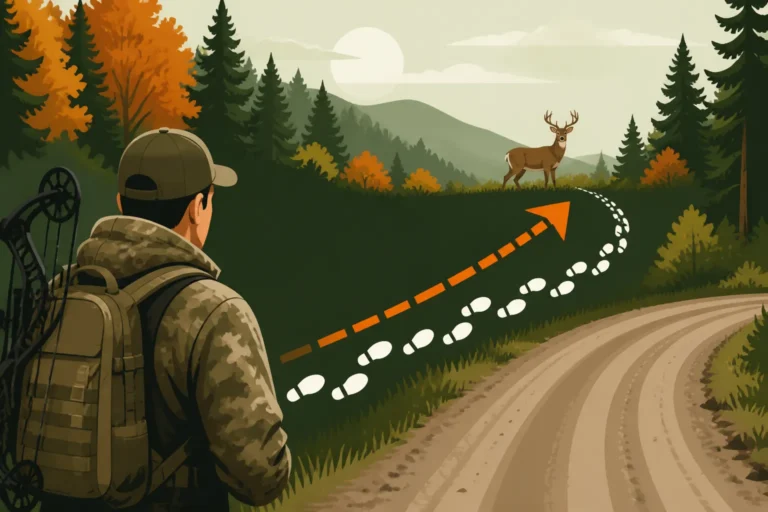
Once you have a few promising spots identified on your map, it's time for boots on the ground. Visit these areas before the season opens. Look for fresh turkey sign: tracks in muddy areas, droppings, feather piles, and dusting bowls. Listen for gobblers at first light. Focus on finding those crucial roosting trees and strut zones. The more time you spend scouting, the better your chances will be, especially on lands like the GMNF where the sheer size can be overwhelming without a plan. Don't be afraid to walk a mile or two in off the road; many hunters stop at the first sign of thick woods. Scouting Vermont Public Land Before Season is crucial for pinpointing those untouched areas.
Adapting to Hunting Pressure
Hunting pressure is a reality on many public lands. Turkeys quickly learn to associate human presence with danger. When birds are pressured, they become quieter, more prone to "gobbling on the limb" without coming down, or they might just shut up and slip away. Your strategy needs to adapt.
One of the most effective ways to mitigate pressure is to simply walk further. Many hunters don't venture more than a quarter to half-mile from their vehicle. If you're willing to put in the effort to get a mile or two back, you'll often find less pressured birds. Another tactic is to hunt mid-week, avoiding the heavy weekend traffic. When you do encounter other hunters, be respectful, and if you realize someone is already working a bird, back out quietly and find a different area.
Consider using less aggressive calling. Pressured birds can get "called out." Sometimes subtle clucks and purrs are more effective than loud yelps and cutts. If you know a bird is pressured, setting up quickly and being patient, letting the bird come to you, can be more successful than trying to coax it across open ground with aggressive calls. Remember that Hunting Pressure on Vermont Public Land means the birds are educated, so subtle moves are often the best plays.
Effective Calling and Decoy Tactics for Public Land
Your calling and decoy strategy will depend heavily on the specific situation and the pressure level of the birds. For less pressured birds, often found deeper in the GMNF or less accessible WMAs, you might get away with more aggressive calling. A series of yelps and cutts can often draw a response and bring a bird in. However, for most public land scenarios, subtlety is key.
Start with soft tree yelps and clucks at dawn to mimic a bird waking up. Once off the roost, switch to a mix of clucks, purrs, and soft yelps. Don't overcall. Listen for the bird's response and let him work towards you. If he hangs up, a little silence or a subtle put may be all it takes to convince him to close the distance.
Decoys can be a powerful tool, but they need to be used wisely on public land. A single hen decoy or a jake and hen setup can be very effective in open fields or clear-cuts where they are highly visible. However, in thick timber, decoys might not be seen, or they might give away your position. Always consider your setup location carefully. For Decoy Placement for Pressured Spring Birds, ensure your decoy is visible but not easily seen from all angles by approaching hunters. In fall, a less common but effective tactic, especially for bowhunters, can be to Working a Fall Flock Apart Statewide With a Bow by busting up a flock and then calling them back in individually. This requires no decoys and plays on the bird's natural social instincts.
Navigating Access and Regulations on Vermont Public Lands
Successfully hunting public land in Vermont isn't just about finding the birds; it's also about understanding where you can go, what tools to use, and what rules to follow. Good navigation and adherence to regulations will keep you safe and legal.
Essential Mapping Tools for Public Land Hunters
In today's hunting world, digital mapping apps are non-negotiable, especially on vast public lands. onX Hunt is a premier choice for Vermont hunters, offering highly detailed property line information, topographic maps, and aerial imagery. With onX Hunt, you can instantly see public and private land boundaries, which is crucial to avoiding accidental trespassing. It allows you to drop pins for scouting discoveries, track your movements, and navigate confidently, even in areas without cell service (by downloading maps beforehand). GoHunt is another excellent resource, offering similar mapping capabilities and often integrating harvest data and other state-specific information that can help you target productive areas.
Beyond simply showing property lines, these apps allow you to:
- Identify potential food sources like old apple orchards or beech groves.
- Locate critical features like saddles, ridges, and creek bottoms that turkeys might use.
- Determine the quickest and quietest entry and exit routes.
- Understand the terrain and elevation changes.
While the Vermont Fish and Wildlife Department offers helpful resources, pairing that with a robust app like onX is a game-changer. For a deeper dive into these tools, check out Scouting With the Vermont Fish and Wildlife App and onX Layers for Vermont Land Status.
Understanding Public Land Rules and Etiquette
Hunting on public land comes with a set of responsibilities. It's vital to know and follow the specific rules for each type of land you're on, whether it's a WMA, State Forest, or the GMNF. Rules can vary regarding things like camping, ATV use, or even the placement of trail cameras and treestands. For instance, many public lands have specific guidelines for Treestand Rules on Vermont Public Land, often requiring stands to be removed within a certain timeframe after the season closes.
Always practice good etiquette. Be mindful of other users, whether they are hikers, bird watchers, or other hunters. Parking responsibly, picking up your trash, and leaving no trace are essential. Blaze orange requirements are also critical, even during archery-only seasons if you're on public land during an overlap period or if other hunting seasons are open. Make sure you understand How Much Blaze Orange Vermont Requires and wear it accordingly, especially when moving through the woods.
Getting Permission for Adjoining Private Land
Sometimes the best public land turkey spots are those that border private land, especially agricultural fields that turkeys love to feed in. While you can't hunt on private land without permission, it doesn't hurt to ask if you notice turkeys moving between public woods and a private field. Approaching landowners respectfully, well in advance of the season, and offering to share some of your harvest can sometimes open up new opportunities. Always be prepared for a "no," but a polite "yes" can expand your hunting opportunities significantly. For more on this, you might find Getting Private Land Permission in Vermont helpful. Respecting boundaries and asking permission is not just good manners, it's the law, and it helps maintain a positive image for all hunters.
Disclaimer
This article is for general informational purposes only and does not constitute professional advice. Laws, prices and regulations vary by location and change over time. Consult a qualified professional for guidance on your specific situation.