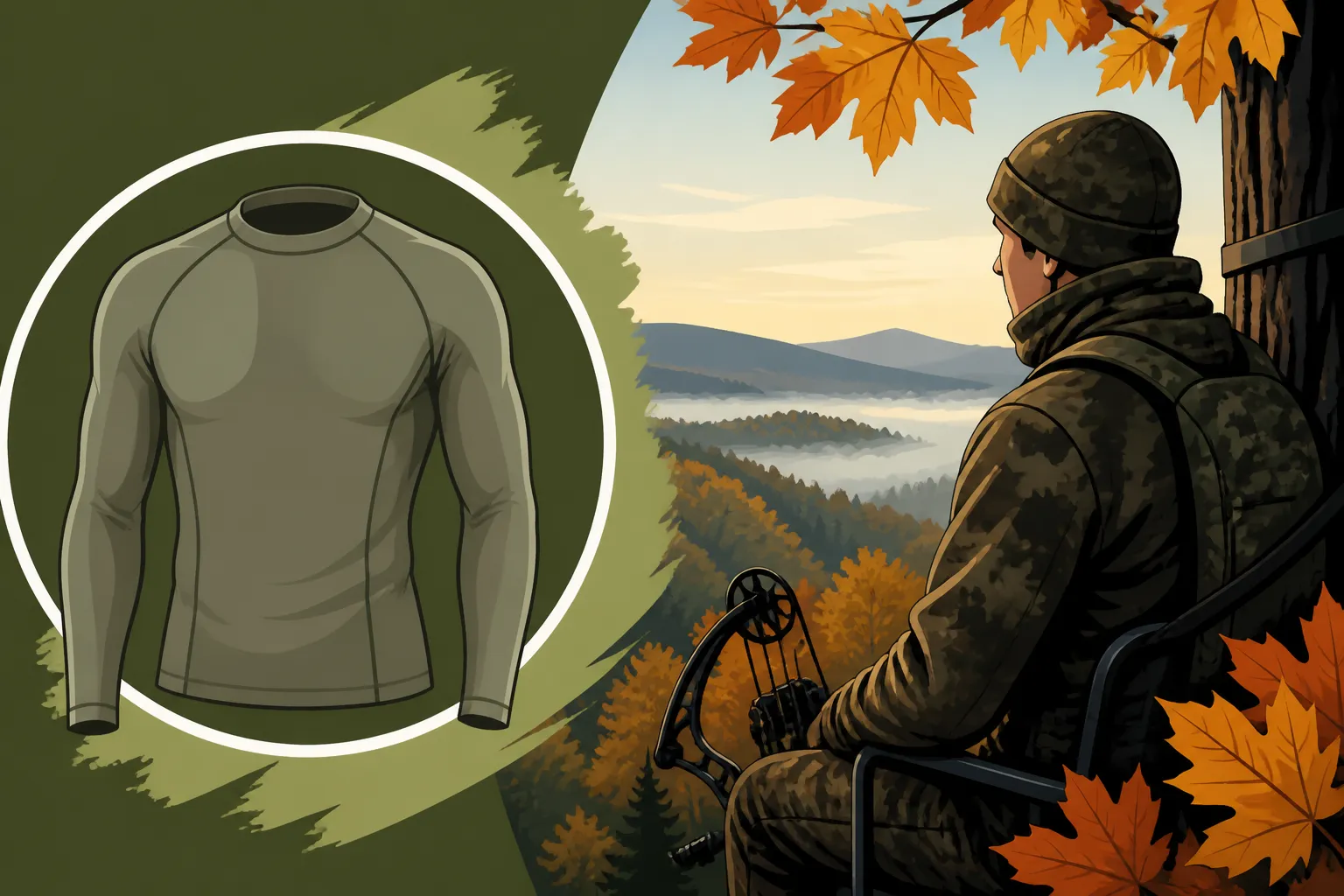
Base Layers for a Cold September Sit
Oh, the crisp air of a Vermont September morning! It's one of the most beautiful times to be in the woods, whether you're chasing an early-season buck or just soaking it all in. But let's be real, those glorious mornings can start with a biting chill that quickly gives way to a warm, sunny afternoon, leaving many a hunter sweating on the hike in, then shivering on stand. This guide is all about mastering those wild temperature swings, specifically by choosing the perfect base layers, so you can stay comfortable, focused, and ready for whatever the Green Mountain state throws at you.
Understanding Vermont's September Weather Swings
Vermont's September is a season of beautiful contradictions. You get brilliant foliage, the scent of woodsmoke in the air, and an undeniable pull to the woods. Yet, it's also a time when the weather can play tricks on even the most seasoned hunter, making proper layering absolutely critical for comfort and success on those long sits.
The Deceptive Warmth of Early Fall Days
You wake up, check the forecast, and see a daytime high pushing into the 60s or even low 70s. Sounds mild, right? You might be tempted to just throw on a flannel and a light jacket. But that's where the deception lies. The midday sun, especially when it's directly on you in an open field or a south-facing slope, can feel incredibly warm. It lulls you into thinking the whole day will be that pleasant.
However, once you step into the deep, shaded timber, or the sun dips below the ridge, that warmth vanishes quickly. You might be hiking into your stand in what feels like pleasant shirt-sleeve weather, only to have a sudden cloud cover or a shift in the breeze make you regret not having dressed more wisely. This constant fluctuation is what makes September hunting in Vermont such a unique challenge for your gear choices.
The Chill of Pre-Dawn and Post-Sunset Hours
While the middle of the day might warm up, those crucial hunting hours – before dawn and after sunset – tell a completely different story. It’s not uncommon for temperatures to dip into the 30s or low 40s during these times, especially as the month progresses. Imagine sitting in your treestand, 20 feet up, waiting for first light. The air is still, but a damp chill seems to seep into your bones.
The dew point often plays a significant role here, too. Even if the air temperature isn't brutally cold, the moisture in the air can make it feel much colder, penetrating your clothes and robbing you of precious body heat. This is especially true if you’ve worked up a sweat on the walk in, and then you’re sitting motionless. That sweat, if not managed, quickly turns into a chilling enemy. A long sit in a stand during these low-light periods absolutely demands a thoughtful approach to your first layer of clothing.
Elevation and Microclimates in Green Mountain Terrain
Vermont's topography isn't just scenic; it's a major factor in local weather patterns. A valley bottom or a river corridor can hold dense, cold air and moisture, feeling significantly colder than a ridge top just a few hundred feet higher. You might hike from a damp, chilly hollow where the fog still clings to the ground up to a sun-drenched bench, and experience a 10-15 degree temperature swing in a matter of minutes.
These microclimates are part of the challenge and the beauty of hunting in Vermont. Understanding that the conditions at your truck might not be the same as your stand site is paramount. If you're setting up on a Green Mountains High Country bench, the wind and thermals will dictate not only deer movement but also how effectively your layers keep you warm. A strong thermal current rushing down a ravine at dawn will feel much different than a protected pocket in a thick spruce stand.
Why Base Layers Are Your First Line of Defense
Think of your hunting clothing system as a defensive line, protecting you from the elements. Your base layer isn't just the first player on the field; it's your absolute most critical one. It's the layer that directly interacts with your skin, and its performance dictates the effectiveness of every other layer you put on top.
Wicking Away Moisture: The Core Function
This is the single most important job of a base layer. When you're hiking into your spot, maybe up a steep incline to a blind or stand, you're going to sweat. It's inevitable. If that sweat stays on your skin, it cools rapidly once you stop moving, drawing heat away from your body at an alarming rate. This is how you get chilled to the bone, even on a day that isn't extremely cold.
A good base layer works by actively pulling that moisture away from your skin and transferring it to the outer surface of the fabric, where it can then evaporate or be pushed through subsequent layers. This process, known as wicking, keeps your skin dry and significantly reduces the chilling effect of sweat. It's the difference between being miserably cold and staying comfortably warm for the duration of your sit.
Insulating for Warmth, Not Bulk
While wicking is its primary role, a base layer also provides crucial insulation. It's not about being thick and bulky; rather, it's about trapping a thin layer of warm air close to your body. This trapped air acts as an insulating barrier, preventing your body heat from escaping too quickly.
The beauty of a well-chosen base layer is that it offers significant warmth without hindering your mobility or adding unnecessary bulk. This is especially important for bowhunters who need a full range of motion for drawing and shooting. A good base layer allows you to stay agile while adding a vital thermal barrier, setting the stage for your mid-layers and outer shells to do their jobs effectively.
Odor Control: A Hunter's Essential Benefit
Let's face it: as hunters, we're keenly aware of scent. Our own body odor, amplified by sweat, can be a major giveaway to game animals. While no garment can make you entirely scent-proof, certain base layer materials are significantly better at mitigating odor than others.
Merino wool, for instance, has natural antimicrobial properties that resist the growth of odor-causing bacteria. Many synthetic base layers are now treated with special antimicrobial finishes to achieve a similar effect. This isn't just about being pleasant to be around after a long hunt; it's a tactical advantage. Reducing your human odor profile, even if it's just by a small margin, can be the difference between a deer hanging up at 60 yards and one walking into your shooting lane. It's one less thing for a keen nose to pick up. For those looking to optimize every aspect of their hunt, even planning for scent management, using a comprehensive planning tool like GoHunt can help integrate these considerations into your overall strategy.
Choosing the Right Material: Natural vs. Synthetic
When you're staring at a wall of base layers, one of the biggest decisions you'll make is the material. Both natural fibers, like merino wool, and advanced synthetics have their champions, and both offer distinct advantages and disadvantages for the Vermont hunter.
Merino Wool: Nature's Performance Fabric
Merino wool has become incredibly popular in hunting circles, and for good reason. It's derived from merino sheep and boasts a fine, soft fiber that is far less itchy than traditional wool. It's truly a marvel of natural engineering.
The primary advantage of merino wool for September hunting is its ability to insulate even when damp. If you sweat on the hike in, merino will still provide warmth while it's drying, which is a huge comfort factor. It also excels at natural odor resistance, meaning you can wear it for multiple days without it smelling like a locker room, a significant benefit on extended hunting trips. Plus, it's naturally quiet, which is vital when you're trying to move stealthily through the woods. The soft hand of the fabric reduces any rustling sounds that might spook game.
However, merino wool can be more expensive than synthetic options, and while durable for its weight, it can be more susceptible to snags and tears from briars or sharp branches if not treated carefully. It also tends to dry a bit slower than many synthetics. Imagine you've just climbed a steep ridge to get to your favorite stand, perhaps deep in the Green Mountain National Forest, and you're sweating profusely. While merino will keep you warm, it will take longer to fully dry out once you're sitting still compared to a synthetic.
Synthetic Fabrics: Quick-Drying and Durable
Synthetic base layers, typically made from polyester or polypropylene, are the workhorses of the performance apparel world. They've been around for a while and continue to evolve with new fabric technologies.
Their biggest selling point for hunting is their incredible wicking ability and rapid drying time. Synthetics are engineered to pull moisture away from your skin with remarkable efficiency, and once that moisture is on the surface, it evaporates very quickly. This makes them ideal for high-exertion activities where you expect to sweat a lot, as they get you dry fast once you stop moving. They also tend to be very durable, standing up to repeated washing and rugged use, and are often more affordable than merino wool.
The main drawback of traditional synthetics is their propensity to retain odor. While many modern synthetics are treated with antimicrobial agents to combat this, the effect can wear off over time or with repeated washing. If you're on a multi-day hunt and don't have access to laundry, odor can become an issue. Additionally, some hunters find that certain synthetic fabrics can feel a bit clammy or less comfortable against the skin than merino, particularly if they are not high-quality blends. If you're hunting a Champlain Valley Dairy Farm Edge on a particularly humid September morning, a synthetic might get you dry faster, but a lower-quality one might not feel as comfortable against your skin.
Blends and Hybrid Options
Recognizing the strengths of both merino wool and synthetics, many manufacturers now offer blends or hybrid base layers. These aim to combine the best attributes of both materials to create an even more versatile garment.
A common blend might feature merino wool for its warmth, softness, and odor resistance, combined with synthetic fibers like polyester for enhanced durability, quicker drying times, and improved shape retention. Some designs even use different fabrics in different zones of the garment, placing more durable or faster-drying synthetics in high-wear areas, and merino in areas where warmth and odor control are paramount. These blends can offer an excellent compromise, providing much of merino's comfort and odor resistance with some of the quick-drying and durability benefits of synthetics. This versatility makes them a fantastic choice for Vermont's variable September conditions, offering a balanced approach to managing temperature and moisture.
Understanding Base Layer Weights for September
Just like you wouldn't wear a winter coat in July, you need to think about the "weight" of your base layer. This refers to the thickness of the fabric and, consequently, its insulating capacity. For Vermont's September, you'll find different weights are better suited for different parts of the month and varying activity levels.
Lightweight Base Layers: The Early September Sweet Spot
Lightweight base layers are typically the thinnest options available, designed to be worn closest to the skin for maximum wicking efficiency with minimal added warmth. They feel almost like a second skin.
These are absolutely ideal for the warmer days of early September, especially if your hunt involves a significant amount of strenuous activity. Think about a long, uphill hike to reach a remote stand location, where you'll be actively moving for an hour or more before settling in. A lightweight base layer will pull sweat away rapidly, preventing you from getting soaked, but won't overheat you during the exertion. It acts as a perfect first layer under a midweight fleece or a softshell jacket. They're also great for those times when you expect to sit in the direct sun for a good portion of the day, but still need protection from a cool breeze or a sudden temperature drop.
Midweight Base Layers: The Versatile Workhorse
If there's a "go-to" base layer for Vermont's entire September archery season, it's often a midweight option. These layers strike an excellent balance between warmth and breathability, making them incredibly versatile for the month's fluctuating conditions.
Midweight base layers provide more insulation than their lightweight counterparts, making them suitable for cooler mornings and evenings that are typical in mid to late September. They still excel at wicking moisture, so you won't get clammy, but they offer that extra bit of warmth when you're sitting still for extended periods. For many hunters, a midweight merino wool or a high-performance synthetic midweight layer forms the core of their early-to-mid-season layering system. It's warm enough for most static situations but won't completely cook you during moderate activity. A well-planned layering system, which you might map out using resources like GoHunt, will often feature a midweight base as its foundation for September.
Mixing Weights for Specific Needs
Sometimes, a one-size-fits-all approach just doesn't cut it. The beauty of a modular layering system is that you can mix and match components to perfectly suit the conditions and your personal physiology. This often means combining different weights of base layers.
For example, if you tend to get really warm on your upper body during a hike but have cold legs when sitting, you might opt for a lightweight base layer top paired with midweight base layer bottoms. Conversely, if you're doing a lot of glassing from a stationary position and your core gets cold, but your legs are active from short walks, you could wear a midweight top with lightweight bottoms. This strategic combination allows you to fine-tune your thermal regulation, addressing specific needs and ensuring maximum comfort. It's all about understanding where you generate and lose heat most and tailoring your layers accordingly.
| Feature | Merino Wool Base Layer | Synthetic Base Layer |
|---|---|---|
| Material | Natural fiber from Merino sheep | Polyester, polypropylene, or blends |
| Wicking Ability | Good; pulls moisture away from skin | Excellent; very fast and efficient |
| Drying Time | Moderate; slower than most synthetics | Very fast; quick evaporation |
| Insulation | Excellent; insulates well even when damp | Good; effective when dry, less so when wet |
| Odor Resistance | Excellent; natural antimicrobial properties | Varies; often treated, but can wear off over time |
| Comfort | Very soft, not itchy, natural feel | Smooth, can feel a bit clammy if low quality |
| Durability | Good, but can be susceptible to snags | Excellent; very resistant to wear and tear |
| Noise | Very quiet, minimal rustle | Generally quiet, but can vary by fabric texture |
| Cost | Typically higher | Generally lower, but high-performance options vary |
| Ideal Use | Long sits, multi-day hunts, varied temps, scent concern | High exertion, wet conditions, fast drying a priority |
Fit and Features: Getting the Most Out of Your Base Layers
Once you've decided on material and weight, don't overlook the importance of fit and thoughtful design features. These elements can drastically impact your comfort, the layer's performance, and ultimately, your ability to stay out in the woods longer.
The Importance of Snug, Skin-Contact Fit
This is non-negotiable for any base layer worth its salt. For a base layer to effectively wick moisture away from your skin, it absolutely must be in close contact with it. If your base layer is baggy, there will be air gaps between the fabric and your skin, which disrupts the wicking process and prevents the fabric from efficiently drawing moisture outwards.
A snug fit also optimizes the insulating properties of the base layer. By trapping that thin layer of warm air close to your body, it creates a more efficient thermal barrier. Think of it like a second skin; it should move with you, not bunch up or hang loosely. This doesn't mean it should be constricting, but rather form-fitting, allowing maximum surface area contact for both wicking and insulation.
Seams, Zippers, and Thumbholes
Beyond the basic fit, small design details can make a big difference in a base layer's functionality and comfort. Flatlock seams, for example, are a game-changer. These seams are constructed so that they lie flat against the fabric, minimizing bulk and friction. This reduces chafing, especially important when you're wearing multiple layers or carrying a pack for a Bowhunting Vermont's Expanded Archery Season.
Quarter-zip collars are another excellent feature. They allow for quick ventilation if you start to overheat during a hike, and can be zipped up tight to seal in warmth when you stop moving. This simple feature offers tremendous versatility in managing your core temperature throughout a changing September day. And don't underestimate the utility of thumbholes! They help keep your sleeves down and in place, which is invaluable when pulling on outer layers, preventing cold drafts, and adding a bit of extra warmth to your wrists and hands. These are often overlooked but can greatly enhance comfort on a chilly morning sit.
Camouflage vs. Solid Colors
Many hunting brands offer base layers in camouflage patterns, and while they certainly look "hunter-appropriate," their practical value in a base layer is often debated. Since your base layer is typically worn under other layers – a mid-layer and an outer shell – its visible pattern isn't usually a critical factor for concealment.
For most hunters, solid earth tones or natural colors like grey, brown, green, or black are perfectly functional for base layers. They often come at a slightly lower price point than camo options, and they offer the same performance features. However, if you're planning on shedding your mid-layer during a particularly warm midday hunt, or if your outer layers are open, a camo base layer might offer a psychological edge or simply blend in better if exposed. Ultimately, prioritize function, material, and fit over the pattern when it comes to your base layer, as its primary job is thermal regulation, not concealment.
Layering Beyond the Base: Integrating Your System
Your base layer is foundational, but it's just one piece of the puzzle. To truly master Vermont's ever-changing September conditions, you need to understand how your base layer integrates with the rest of your hunting clothing system. Think of it as a team effort, where each layer has a specific, vital role.
The Mid-Layer: Insulation for Static Periods
Once your base layer is doing its job of wicking moisture and providing initial warmth, the mid-layer steps in to provide the bulk of your insulation. This is typically where you'll find fleeces, puffy jackets, or even heavier wool garments. The mid-layer is designed to trap a significant amount of warm air, building on the heat retention started by your base layer.
For a September sit, you might be hiking in with just your base layer and a light outer shell to avoid overheating. But once you reach your stand, whether it's for Hunting Vermont's Expanded Archery Zones in September or just scouting, that mid-layer becomes crucial. You'll pull it out of your pack and put it on, adding a vital barrier against the chill that sets in when you're sitting motionless for hours. The thickness of your mid-layer will depend heavily on how cold you expect it to be during your sit and your personal tolerance for cold.
The Outer Layer: Protection from Elements
The outer layer, often called the shell, is your shield against the elements. Its primary job is to protect you from wind, rain, and snow, preventing these external factors from compromising the insulating capabilities of your inner layers. While your base layer manages internal moisture, your outer layer keeps external moisture and wind out.
For September in Vermont, your outer layer might be a quiet softshell jacket that offers wind resistance and some water repellency, or it could be a full waterproof rain jacket if showers are in the forecast. The key is that it should be breathable enough to allow moisture vapor (wicked by your base layer) to escape, but robust enough to block whatever the weather throws at it. A truly effective layering system means your outer layer doesn't negate the performance of your base and mid-layers.
Adapting Your Layers During a Sit
The ability to adapt your layers on the fly is what truly separates comfortable hunters from miserable ones. Vermont's September demands this flexibility. You might start your hike in the pre-dawn darkness, needing minimal insulation because of the exertion. As you climb a steep hill, you'll likely shed your mid-layer and potentially even your outer shell, letting your base layer work its magic by wicking away sweat.
Once you reach your Hanging a Stand on a Champlain Valley Field Edge and settle in, your activity level plummets. This is when the cold begins to creep in. You'll pull your mid-layer back on, zip up your outer shell, and perhaps even put on a warm hat or gloves. As the sun rises and the temperature climbs, you might find yourself peeling back layers again to avoid overheating. This constant adjustment, often requiring a bit of foresight and planning, is essential for maintaining a stable body temperature. It ensures you're never too hot or too cold, allowing you to stay focused on the hunt rather than your discomfort, which is key to a successful Cold-Weather Sitting Strategy in the Northeast Kingdom. Having a well-organized pack to quickly access and store layers is vital for this adaptive strategy.
Disclaimer
This article is for general informational purposes only and does not constitute professional advice. Laws, prices and regulations vary by location and change over time. Consult a qualified professional for guidance on your specific situation.