Blaze Orange Requirements for Bowhunting the Overlap
The crisp, cool air of late October and early November in Vermont often brings a familiar mix of anticipation and a touch of anxiety for bowhunters. While the regular archery season allows for stealth and camouflage, the minute rifle season opens, everything changes. Many archers find themselves scratching their heads, wondering how to maintain their bowhunting effectiveness while suddenly being required to don blaze orange. This guide will meticulously break down Vermont's blaze orange regulations specifically for bowhunters during the archery-rifle overlap, helping you navigate these rules with confidence and, most importantly, safety.
Understanding Vermont's Blaze Orange Mandate
Vermont's hunting regulations are designed with safety first and foremost. When the woods fill with more hunters carrying powerful firearms, visibility becomes absolutely paramount. It’s not about spotting game, but about ensuring every hunter can clearly see and identify other hunters. This is a critical distinction that sometimes gets lost in the shuffle of season dates and permit requirements.
The Core Regulation and Its Purpose
At its heart, the blaze orange regulation is a simple, yet incredibly effective, safety measure. During specified periods, anyone hunting in Vermont is required to wear a certain amount of hunter orange. The intent is straightforward: to prevent hunting accidents caused by mistaken identity. Imagine walking through thick timber on a cloudy November day; without bright orange, another hunter might mistake movement, a flash of brown, or even a sound for game. That's a scenario no one wants to be a part of. By making blaze orange mandatory, the state drastically reduces the chances of such tragic errors. It's a proactive step to create a safer environment for everyone enjoying Vermont's beautiful wild spaces.
The rule applies broadly, meaning it’s not just for those actively pursuing deer with a rifle. If you are in the woods hunting during a period when blaze orange is required, you must wear it, regardless of your weapon choice. This often comes as a surprise to bowhunters who are used to blending seamlessly into their surroundings during the early archery season. However, once the rifle season begins, the landscape of hunter presence changes dramatically, and the rules adapt to that increased activity and the types of weapons being used.
Who Needs to Wear It, and When
The Vermont Fish and Wildlife Department clearly outlines when and by whom blaze orange must be worn. Generally, during the regular deer rifle season, all hunters—whether pursuing deer, bear, coyote, or small game—must wear blaze orange. This includes anyone afield during the specific Vermont Rifle Season Dates. This means if you're a bowhunter out chasing a late-season buck, or even if you're squirrel hunting in the hardwoods, you're expected to comply with the blaze orange rule during this two-week window. The "who" is essentially any hunter, and the "when" is the official rifle season.
This universal application is key. It eliminates ambiguity and ensures that every human in the hunting woods during this critical time is highly visible. For example, a grouse hunter with a shotgun might feel they don't need blaze orange if they're not deer hunting, but if they are afield during the rifle season, the rule still applies to them. It’s about creating a blanket of safety for all participants, acknowledging that in a busy hunting season, anyone can be mistaken for game if they're not clearly identifiable as a person. It’s a collective responsibility that enhances the safety of the entire hunting community.
Minimum Coverage Requirements
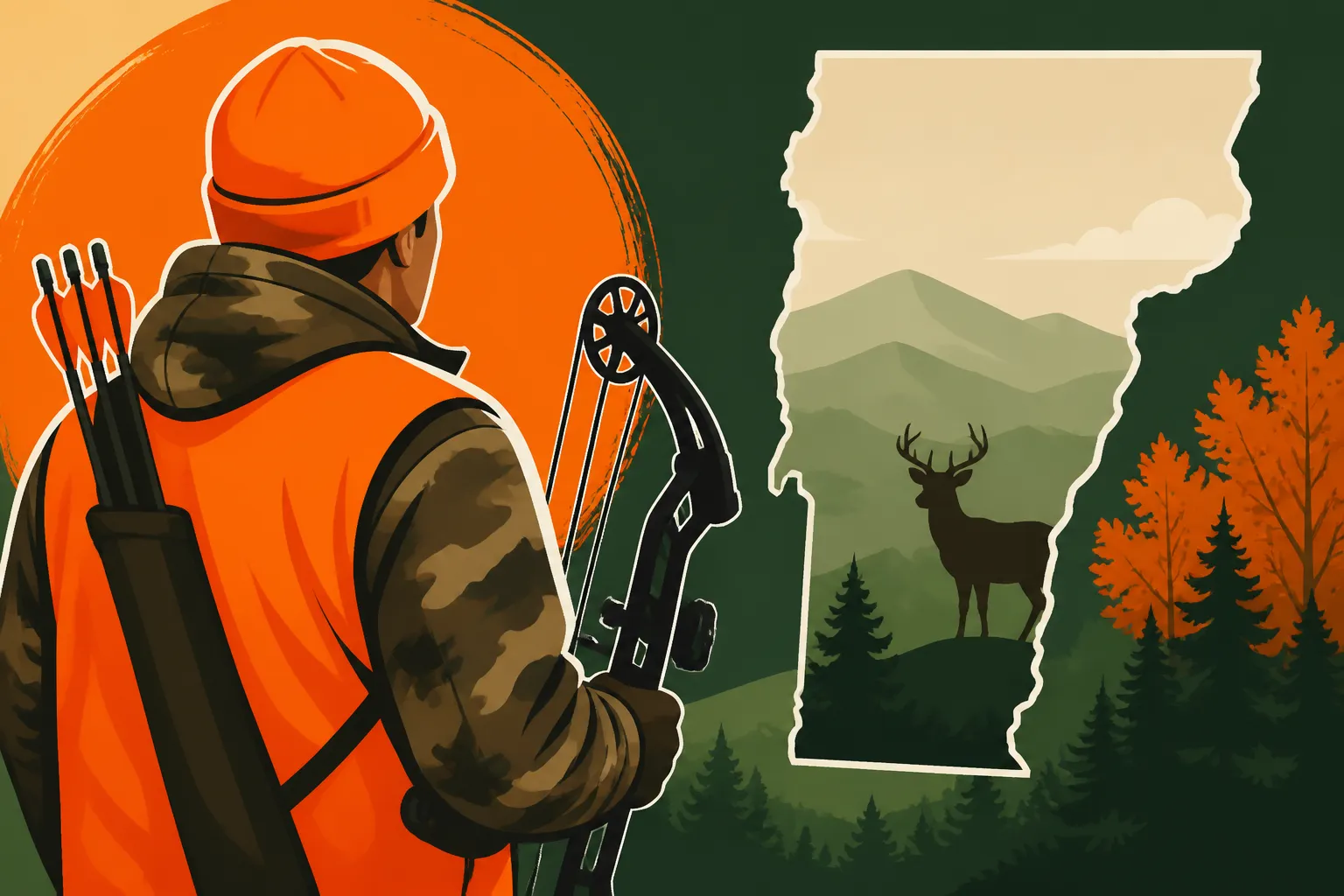
Vermont's regulations are quite specific about how much blaze orange is required. Generally, hunters must wear at least 500 square inches of hunter orange above the waist, which must be visible from all sides (360 degrees). This includes a blaze orange hat. It's not enough to just have a small patch; the intent is for you to be seen as a human figure from any angle. Think of it as a moving billboard announcing "I am a hunter!" to everyone else out there.
This minimum acreage ensures that even if you're partially obscured by a tree or brush, a significant portion of your body remains visible. A blaze orange vest combined with a hat is often the simplest way to meet this requirement. Some hunters opt for full blaze orange coats or even specialized pants, though the regulation primarily focuses on the upper body. The key is that circular visibility—no matter which way another hunter looks, they should see a clear, bright patch of orange. Always double-check your gear before heading out to ensure you meet or exceed these minimums. It's not just about avoiding a fine; it's about protecting your life and the lives of others.
Specifics for Bowhunters During the Overlap
For years, bowhunters in Vermont operated in a world separate from rifle season. We had our own windows, our own strategies for camouflage, and our own rhythm in the woods. But times change, and regulations evolve to meet new demands and management goals. The introduction of an archery-rifle overlap period certainly shook things up for many of us who prefer to draw a bow.
The Archery-Rifle Overlap: A New Dynamic
The recent rule allowing bowhunting during Vermont's rifle season was a significant shift, offering archers an extended opportunity to pursue deer. You can learn more about this specific season in Vermont's New Archery-During-Rifle Overlap Rule. While it provides exciting new possibilities, it also ushers in a new dynamic in the deer woods. Suddenly, bowhunters, accustomed to the quiet stealth of early fall, find themselves sharing the woods with rifle hunters during what is arguably the busiest two weeks of the hunting calendar. This overlap creates a unique challenge: how do you remain an effective bowhunter when you're required to wear highly visible blaze orange?
Many bowhunters initially reacted with a mix of excitement for the extended season and apprehension about losing their camouflage advantage. The thought of wearing blaze orange while trying to slip silently through the timber, or waiting patiently in a stand for a wary buck, felt counterintuitive to the very essence of archery hunting. However, the rule is clear: if you're hunting with a bow during the rifle season, you must comply with the blaze orange requirements. It’s a necessary trade-off for the expanded hunting opportunity, putting collective safety above individual camouflage preference during this specific window.
Bowhunting While Wearing Blaze Orange: Adaptations
The good news for bowhunters is that deer don't see colors the same way humans do. While we perceive hunter orange as a vibrant, almost glowing color, deer typically see it as a dull gray or brownish hue. This is a critical piece of information that can help alleviate some of the concerns about blaze orange "spooking" deer. Their vision is optimized for detecting movement and contrast in low light, rather than distinguishing vibrant colors. So, while you might feel like a traffic cone in the woods, the deer probably just see you as part of the background, albeit a slightly different shade.
The real challenge for bowhunters is adapting their technique. You'll need to be even more mindful of your movement and scent control, as these are the primary factors that will alert a deer to your presence, not your blaze orange. Consider wearing a quiet blaze orange vest over your existing camo layers. Ensure your arm movement for drawing your bow isn't restricted by bulky orange clothing. Many hunters find that a simple orange hat and a lightweight vest are sufficient to meet the legal requirements without impeding their shot. Check out Bowhunting During Vermont's Rifle Season for more on how to adapt your strategy.
Legal Minimums vs. Best Practices for Visibility
While Vermont's regulations provide clear minimums for blaze orange coverage, many experienced hunters will tell you that meeting the minimum is just a starting point. Best practices often involve exceeding those minimums, especially if you're hunting in areas known for high hunter density, or in difficult visibility conditions like thick brush, dense softwoods, or during foggy or snowy weather. Imagine tracking a deer in fresh snow; anything that makes you stand out more could be a lifesaver.
For a bowhunter operating in the woods during rifle season, it's wise to consider an extra layer of visibility. Perhaps that means a full blaze orange jacket rather than just a vest, or even blaze orange leg bands if you're still-hunting. The goal isn't just to be "legal," but to be unequivocally identifiable as a human hunter from a significant distance and from all angles. Utilizing mapping tools, such as those often found on platforms like GoHunt, can also help you identify areas with higher hunter pressure, prompting you to consider enhanced visibility. Remember, the investment in extra orange is a small price to pay for peace of mind and enhanced safety for yourself and others in the field.
Choosing the Right Blaze Orange Gear
Selecting the right blaze orange gear isn't just about meeting the legal requirement; it's about comfort, functionality, and maximizing your visibility in the field. As a bowhunter, you're looking for gear that integrates seamlessly with your existing setup, won't hinder your shot, and can withstand the rigors of a Vermont hunt.
Vests, Hats, and Full Coverage Garments
When it comes to blaze orange, you have a few main options. The most common choice is a vest, often worn over your regular hunting jacket. Vests are lightweight, easy to put on and take off, and offer a good amount of coverage. Pair this with a blaze orange hat, which is often mandatory and provides crucial visibility for your head, an easily overlooked area. For ultimate visibility, some hunters opt for full blaze orange jackets or even two-piece suits. These offer maximum coverage, though they can sometimes be bulkier or louder than a simple vest.
For bowhunters, the "quiet factor" is paramount. A rustling, noisy jacket could easily spook a deer at close range. Look for vests and hats made from quiet, soft materials like brushed fleece or silent polyester. Many companies now make bowhunter-specific blaze orange vests that are designed to be thin, lightweight, and quiet, ensuring they don't interfere with your drawing motion or add unnecessary bulk. You can find excellent options by exploring companies that focus on hunting apparel, and platforms like GoHunt often feature reviews and comparisons of different gear.
Material Quality and Visibility in Different Conditions
The quality of your blaze orange material matters. Over time, cheaper fabrics can fade, reducing their effectiveness. A faded orange garment is simply not as visible as a new, vibrant one. It's a good idea to inspect your blaze orange gear annually and replace it if it looks dull or worn. Moreover, consider how different materials perform in varying weather. A lightweight mesh vest is great for mild days, but for a damp, cold November hunt, you might want a water-resistant, insulated blaze orange outer layer.
Reflectivity is another aspect to consider, especially if you anticipate walking to or from your stand in low-light conditions. While not always required, reflective strips on your blaze orange gear can dramatically increase your visibility to other hunters carrying headlamps or flashlights during pre-dawn or post-dusk movements. This is a subtle but significant safety feature that goes beyond the basic mandate. Think about how the material performs in rain or snow – does it absorb water and become heavy, or does it shed moisture, keeping you comfortable and visible? For more on layering effectively, check out Blaze Orange Layering Options.
Integrating Blaze Orange with Your Existing Bowhunting Setup
Successfully integrating blaze orange into your bowhunting attire is about smart layering. The goal is to meet the legal requirements without compromising your comfort, warmth, or ability to execute a shot. A common approach is to wear your regular camouflage base and mid-layers, and then put your blaze orange vest or jacket on top as your outermost layer. This ensures that the orange is fully exposed while your functional layers keep you warm and dry.
Consider the fit. A blaze orange garment that is too baggy might catch on your bowstring or interfere with your anchor point. One that is too tight could restrict your movement. Aim for a fit that allows a full range of motion for drawing and shooting your bow. Also, remember that Vermont law now provides for Blaze Pink Options Under Vermont Law as an alternative to blaze orange, which can offer another choice for hunters seeking highly visible apparel. Whatever color you choose, ensure it's clean, bright, and meets the square inch requirements for 360-degree visibility.
Common Misconceptions and FAQs
Despite clear regulations, there are always lingering questions and myths surrounding blaze orange. As hunters, we tend to develop strong opinions about gear and tactics, and sometimes these personal preferences can overshadow the official guidelines or the science behind them.
"Does Blaze Orange Spook Deer?"
This is perhaps the most persistent question among bowhunters required to wear blaze orange, and it stems from a natural desire for concealment. The simple answer is: no, not in the way humans perceive color. Deer are dichromatic, meaning they primarily see in two colors, similar to someone with red-green color blindness. They distinguish blue from yellow, but lack the ability to differentiate between reds, oranges, and greens. To a deer, bright hunter orange likely appears as a dull gray, brown, or possibly a muted yellow against the greens and browns of the forest.
What does spook deer is movement, scent, and sound. If you're fidgeting in your stand, your scent is blowing directly to them, or you're making noise, a deer will pick up on that long before it notices the color of your jacket. So, while wearing blaze orange might feel unnatural for a stealthy bowhunter, rest assured that it's highly unlikely to be the factor that blows your cover. Focus your energy on remaining still, playing the wind, and moving quietly, and let the blaze orange do its job of keeping you safe from other hunters. Understanding concepts like Vermont Deer Antler Growth Timeline might help you understand deer biology better, including their vision.
"Do I Need It If I'm On Private Land?"
Another common point of confusion is whether blaze orange requirements apply only to public land. The answer is a resounding yes, the regulations apply uniformly across all hunting grounds in Vermont, whether public or private. This means if you're bowhunting on your own property, a friend's farm, or a leased parcel during the official rifle season dates, you are still legally required to wear the specified amount of blaze orange.
The reasoning behind this is simple: safety doesn't discriminate between property lines. A bullet doesn't stop at a "No Trespassing" sign, and a hunter can mistakenly identify another person regardless of whose land they're on. The blaze orange mandate is a statewide safety protocol designed to protect all individuals in the field during high-activity hunting seasons. So, always remember that even if you have permission to hunt a small private tract, like those you might find information about on GoHunt, you still need to adhere to the statewide safety requirements. You can learn more about general property access in Vermont Trespass and Permission Law.
"What If I'm Just Walking to My Stand Before Daylight?"
This is a really important question that touches on a common scenario. Technically, the blaze orange requirement applies during legal hunting hours. However, it is an absolute best practice to wear your blaze orange, including your hat, even when you're walking to your stand in the pre-dawn darkness or walking out after legal shooting light. Why? Because other hunters might be doing the same, or they might be setting up earlier/staying later. Visibility is at its absolute lowest during these twilight hours.
Imagine slipping through the woods with a headlamp on, dressed in dark camo, only to encounter another hunter doing the same. Without blaze orange, the potential for a dangerous misunderstanding is dramatically higher. By wearing your blaze orange during these transition periods, you are actively increasing your visibility to anyone else who might be out there, whether they are hunting or just enjoying the woods. It's a simple, proactive step that can prevent an accident before legal hunting hours even begin. When planning your routes, using tools like the Using the Fish and Wildlife App Without Cell Service can help you map out safe paths.
Staying Safe Beyond Blaze Orange
While blaze orange is an indispensable safety tool, it's just one piece of the puzzle. True hunting safety is a holistic approach that combines proper gear, situational awareness, and adherence to fundamental rules of responsible hunting. Especially during the archery-rifle overlap, taking extra precautions can make all the difference.
Communication and Awareness
In a busy woods, especially during the rifle season, communication and awareness are your best friends. If you're hunting with a group, ensure everyone knows each other's planned locations and routes. If you're hunting public land, it's virtually impossible to know everyone else's exact location, but you can still practice heightened awareness. Pay attention to vehicle parked on logging roads or at trailheads – they indicate other hunters are nearby.
Utilize mapping applications to understand property boundaries, terrain features, and potential access points for other hunters. Platforms like GoHunt often integrate various mapping layers that show public land boundaries, roads, and even topographic features, which can help you anticipate where other hunters might be. Reading Aerial Photos for Green Mountain Deer can also help you identify areas of high and low hunter pressure. Listening for distant shots, even if they aren't close, can give you a sense of where activity is concentrated. The more information you have about your surroundings and the presence of others, the better you can make informed decisions to enhance your safety.
Proper Identification of Target and Background
This is perhaps the most fundamental rule of firearm safety, and it applies just as much, if not more, during the rifle season overlap. Even though you're carrying a bow, other hunters in the woods might be carrying rifles. Always, and I mean always, positively identify your target and be absolutely certain of what is beyond it. This means not just seeing a patch of brown, but clearly identifying antlers (if it's a buck-only season), seeing the entire animal, and confirming that there are no roads, houses, or other hunters in the background.
The presence of blaze orange is designed to help you identify other humans, but you must still do your part by verifying your target. Never shoot at sound or movement alone. This principle is paramount for all hunters, but in an environment where different weapons are in play, and hunter density might be higher, it becomes an even more critical discipline. Your focus should be on ethical hunting and responsible shot placement, ensuring that every arrow released is targeted at legal game with a safe backdrop.
Treestand Safety and Other General Precautions
Even with all the focus on blaze orange and visibility, never forget the foundational safety practices of hunting. Treestand safety, for example, remains critically important. Falls from treestands are a leading cause of serious hunting injuries. Always use a full-body harness, stay connected from the moment your feet leave the ground until they return, and inspect your stand and ropes thoroughly before each season. These practices are as crucial during the rifle season overlap as they are during the early archery season.
Beyond that, general preparedness is key. Always let someone know where you're going and when you expect to return. Carry a well-stocked Best First Aid Kit for a Remote Hunt, a fully charged phone (and maybe a power bank), and navigation tools. Understand the weather forecast and dress appropriately, perhaps consulting resources like Best Base Layer for a Cold September Sit. The woods are unpredictable, and being prepared for minor emergencies can prevent them from becoming major crises. Staying Safe Bowhunting Alongside Rifle Hunters provides further important insights into navigating the overlap safely.
Blaze Orange Gear Comparison Table
To help you visualize your options and ensure you meet Vermont's blaze orange requirements during the rifle season overlap, here's a quick comparison of common gear choices:
| Gear Type | Pros | Cons | Minimum Square Inches (Approx.) | Suitability for Bowhunting |
|---|---|---|---|---|
| Blaze Orange Vest | Lightweight, affordable, easy to layer over camo, good 360-degree visibility. | Can snag on brush, less warmth/weather protection. | 300-500 sq. in. | Excellent |
| Blaze Orange Hat | Essential for head visibility, small profile. | Only covers head, must be worn with other orange. | 50-100 sq. in. | Essential |
| Full Blaze Orange Jacket | Maximum visibility, offers warmth/weather protection, integrated design. | Can be bulky/noisy, more expensive, may restrict movement for bow. | 600-1000+ sq. in. | Good, with quiet material |
| Blaze Orange Gaiters/Bands | Adds lower leg visibility, good for still-hunting/tracking. | Not a primary source of coverage, must be paired with upper body orange. | 100-200 sq. in. | Supplemental |
| Blaze Orange Backpack Cover | Convenient, protects pack, adds rear visibility. | Only visible from one direction, not primary coverage. | 200-400 sq. in. | Supplemental |
This table highlights that a combination of items, typically a vest and a hat, is the most common and practical way for bowhunters to meet the blaze orange requirements in Vermont while still maintaining functionality in the field.
Disclaimer
This article is for general informational purposes only and does not constitute professional advice. Laws, prices and regulations vary by location and change over time. Consult a qualified professional for guidance on your specific situation.