Hunting Vermont’s December Muzzleloader Season
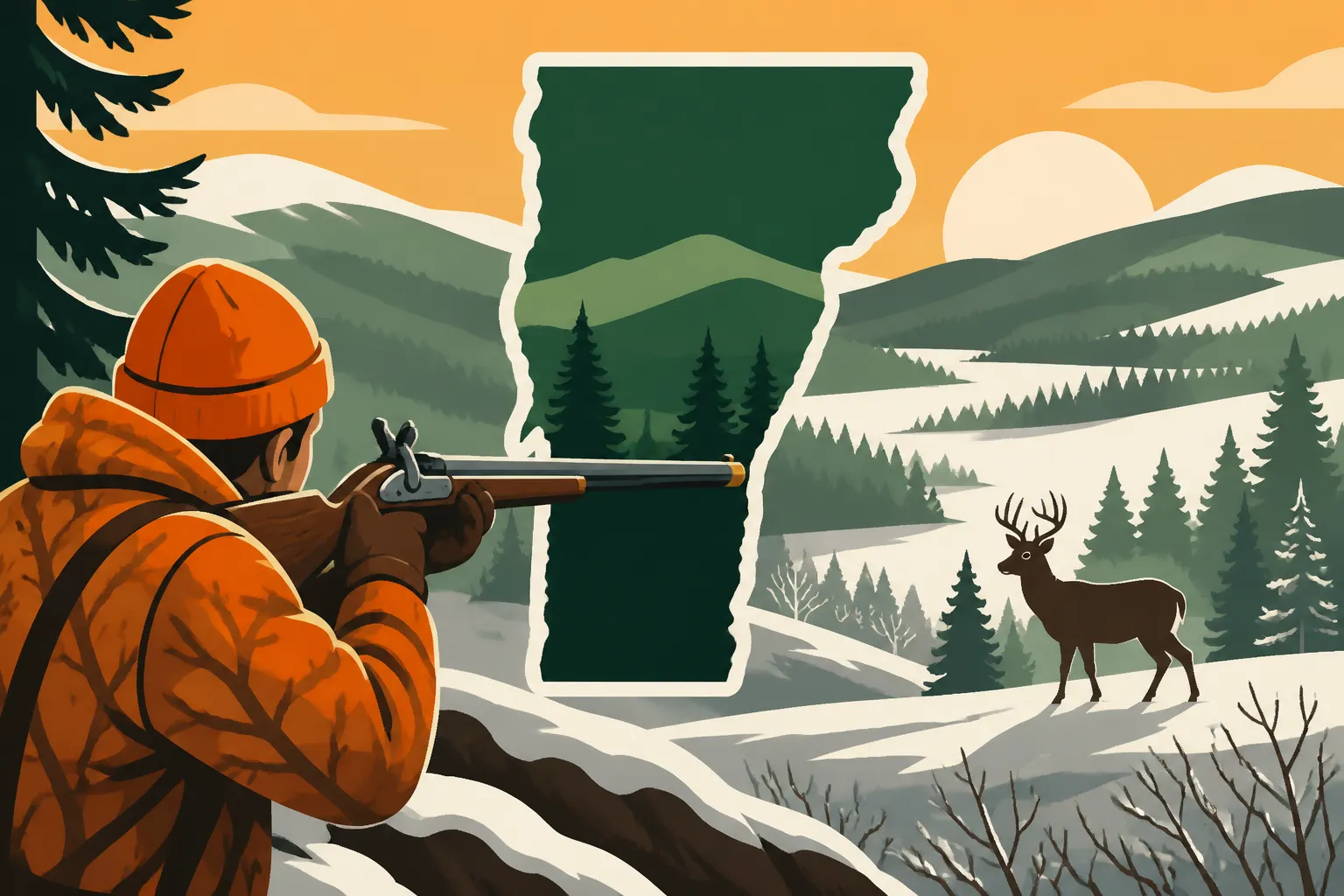
The biting chill of December in Vermont can make you want to hunker down by the fire, but for many deer hunters, it signals one last, incredible opportunity. The December muzzleloader season offers a unique challenge, pushing your skills and resilience against the elements. This guide will walk you through the nuances of this late-season hunt, from essential gear and tracking strategies to navigating the deep woods and caring for your hard-earned venison in the cold.
Understanding Vermont's December Muzzleloader Season
When the regular rifle season closes, many hunters hang up their gear, but Vermont offers a special window that rewards persistence: the December muzzleloader season. This isn't just an extension; it's a completely different hunt, defined by colder temperatures, potential snow cover, and deer behavior that has shifted significantly since the rut.
Key Dates and Regulations
The Vermont December Muzzleloader Season Dates typically run for about nine days in the first half of December. It's a prime opportunity for those who love the challenge of black powder and are willing to brave the winter elements. To participate, you'll need a valid Vermont hunting license and a muzzleloader endorsement. While the early October muzzleloader season is typically antlerless-only, the December season usually allows for "any-deer" harvesting, provided you have the appropriate tag. This means you can pursue either a buck or an antlerless deer, depending on your permit and the specific regulations for the Wildlife Management Unit (WMU) you're hunting.
It's crucial to consult the Vermont Fish & Wildlife Department's most current regulations each year, as dates, bag limits, and specific WMU rules can change. For instance, while generally an "any-deer" season, there might be specific WMUs with antlerless-only restrictions depending on deer population goals. Regardless of what you're hunting, remember that blaze orange requirements are still very much in effect. You'll need to wear at least 500 square inches of solid fluorescent orange above the waist, visible from all sides. This is non-negotiable for safety, especially if you're on public land where other hunters might be out.
The "Why" Behind the December Season
This late-season muzzleloader opportunity isn't just a treat for dedicated hunters; it's an important part of Vermont's deer management strategy. The primary goal is often to provide an additional opportunity for antlerless harvest. By taking does, the department aims to help manage deer populations, ensuring herd health and balancing deer numbers with habitat capacity. This is particularly important in areas where deer numbers are robust and additional harvest helps prevent overbrowsing or reduce potential for disease transmission.
From a hunter's perspective, the December season presents a distinct set of challenges and rewards. The leaves are down, offering increased visibility, but the cold can be brutal, and snow cover, while helpful for tracking, can also hinder movement. Deer have been pressured for months by bow and rifle hunters, making them warier and more nocturnal. However, as winter truly sets in, deer become heavily focused on food sources to build fat reserves, often leading to more predictable movement patterns between bedding and feeding areas. This shift can be a huge advantage if you know what to look for, offering a unique chance to connect with a late-season whitetail that has survived the earlier pushes.
Essential Gear for Cold-Weather Muzzleloading
Hunting in Vermont's December muzzleloader season isn't just about throwing on an extra layer; it requires a thoughtful approach to gear, especially when facing deep snow, biting winds, and freezing rain. Your equipment needs to be reliable, warm, and capable of performing in truly harsh conditions.
Muzzleloader and Ammunition Choices
When choosing your muzzleloader for the December hunt, reliability in cold and potentially wet conditions is paramount. In-line muzzleloaders tend to be more popular than traditional side-lock rifles for this reason. Their sealed breach designs better protect the powder charge from moisture, which is a major concern when temperatures hover around freezing and precipitation can turn from snow to sleet in an instant. A good in-line, like those from CVA, Traditions, or Thompson/Center, can make a world of difference when a shot opportunity arises and your rifle needs to fire without fail. Consider a model with a stainless steel barrel for better corrosion resistance.
For ammunition, focusing on heavier projectiles that retain energy and offer good penetration is key. Deer in December are often carrying more fat and thicker coats, so you want a bullet that will punch through. Sabots loaded with modern, expanding bullets are an excellent choice, offering accuracy and terminal performance. However, if you're hunting in particularly dense cover or want maximum penetration, traditional conical bullets can also be very effective. Whatever you choose, practice extensively with your chosen load in cold weather conditions. Cold can affect powder burn rates and bullet performance, so knowing how your specific setup performs is critical. When thinking about the Best Muzzleloader for the December Season, prioritize weather resistance and accuracy.
| Muzzleloader Type | Pros for December Hunting | Cons for December Hunting | Ammunition Considerations |
|---|---|---|---|
| In-Line | Better weather resistance, easier to load, more accurate, often scoped. | Modern appearance, can be heavier. | Sabots with modern bullets (e.g., Barnes Expander, Hornady SST). |
| Traditional | Authentic experience, classic look, simpler mechanism. | Very susceptible to moisture, slower loading, less accurate at longer range, open sights common. | Conical bullets (e.g., Maxi-Ball, PowerBelt). |
Layering for Extreme Cold
Staying warm and dry is arguably the most important aspect of a successful and enjoyable December muzzleloader hunt. Vermont winters are no joke, and temperatures can plummet, especially at dawn and dusk. The key to warmth is a good layering system, allowing you to adapt to changing activity levels and conditions. Start with a moisture-wicking base layer made from merino wool or synthetic materials. This is crucial for pulling sweat away from your skin, preventing that dangerous clammy chill. For your mid-layers, think fleece or down insulation, which trap warm air efficiently. This is where your Insulated Layers for a December Muzzleloader Hunt really shine.
Your outer layer needs to be windproof and waterproof, capable of shedding snow, sleet, or freezing rain while providing an additional layer of insulation. Look for quality Gore-Tex or similar materials. Don't forget extremities: a warm hat that covers your ears, insulated gloves or mittens (with fingerless options for shooting), and insulated, waterproof boots are essential. Many experienced hunters also bring along hand warmers and foot warmers, strategically placing them in gloves, boots, or even inside pocket pouches to maintain core warmth during long sits. Remember, staying warm isn't just about comfort; it's about safety and maintaining focus when that deer finally appears.
Navigation and Safety Tools
When you're out in the deep woods of Vermont in December, often alone or with a small group, navigation and safety become paramount. Snow can obscure trails, and the dense evergreens can quickly disorient even experienced hunters. A reliable GPS unit or a smartphone with a robust mapping app like GoHunt is indispensable. Make sure to download offline maps before you head out, as cell service is notoriously spotty in many parts of the Green Mountains and Northeast Kingdom. Knowing how to use these tools to mark your stand location, track your path, and find your way back to your vehicle is critical.
Beyond navigation, a comprehensive safety kit is a must. This should include a powerful headlamp with extra batteries (it gets dark early in December!), a fire-starting kit, a whistle, a first-aid kit, and a personal locator beacon (PLB) or satellite messenger (like a Garmin inReach or Zoleo) for truly remote hunts. The ability to communicate your location in an emergency, especially with colder temperatures increasing the risk of hypothermia, could literally save your life. Dress in your required How Much Blaze Orange Vermont Requires and tell someone your hunting plans, including where you'll be and when you expect to return. Being overprepared for safety is never a bad thing in the winter woods.
Deciphering Late-Season Deer Movement and Behavior
The deer you encounter in December are not the same deer you hunted in October. The rut is largely over, the weather has turned bitter, and their priorities have shifted dramatically. Understanding these changes is critical to finding success during the muzzleloader season.
Food Source Priorities
By December, the abundant acorns and lush green fields of early fall are often long gone or buried under snow. Deer are now in survival mode, prioritizing calorie-rich food sources that are still accessible. Their primary focus is on consuming as many calories as possible to fuel their metabolism and build up crucial fat reserves for the leanest part of winter.
Key late-season food sources include standing corn or bean fields, particularly those adjacent to thick cover. Farmers often leave small strips of corn standing, or spilled grain can become a major draw. Look for tracks leading into and out of these fields, especially during low-light hours. Another critical food source is woody browse. While less calorie-dense than agricultural crops, young saplings, twigs, and bark become increasingly important as other options dwindle. Areas that have been recently timbered or clear-cut can be goldmines, as they offer abundant new growth and sunlight penetration. Beech nuts and oak acorns, if they were plentiful and not completely consumed or buried by early snow, can still attract deer. Understanding Late-Season Food Sources for Vermont Whitetails is essential for predicting where deer will concentrate their efforts. Scouting these areas thoroughly, looking for fresh tracks and droppings, will be your best strategy.
Bedding and Thermal Cover
As temperatures drop and winds pick up, thermal cover becomes as important as food. Deer seek out areas that provide respite from the cold and protection from the elements. South-facing slopes are prime locations because they receive more direct sunlight throughout the day, warming the ground and providing a few precious degrees of relief. Look for areas with dense evergreen growth, such as hemlock, spruce, or pine stands. These conifers act like natural insulation, trapping heat and blocking wind, creating ideal bedding sites.
These dense patches of softwoods are often referred to as "deer yards" or "wintering areas." Deer will begin to congregate in these sheltered locations as winter progresses, especially after significant snowfall. They create intricate trail networks within these yards, making it easier for them to move and conserve energy. Learning to read a Reading a Green Mountain Deer Yard can reveal a lot about deer movement patterns in deep winter. You'll often find these yards on slopes or in low-lying areas that offer natural protection from prevailing winds. Hunting the fringes of these areas, or the travel corridors leading into and out of them, can be very productive, but be careful not to push deer too hard within their critical winter habitat.
The Impact of Snow and Cold
Snow changes everything. While it makes travel more challenging for hunters, it also offers an invaluable advantage: tracking. Fresh snow lays down a pristine canvas, revealing every deer movement. You can easily identify fresh tracks, discern direction of travel, and even estimate the size of the deer. This is where Tracking a Deer in Fresh Green Mountain Snow becomes a highly effective hunting method. Look for larger, deeper tracks, often paired with drag marks from a heavy body, indicating a mature deer.
Extreme cold also influences deer behavior significantly. Deer will conserve energy by moving less and sticking to thicker cover during the day. However, they will still need to feed, often leading to predictable movements between bedding areas and food sources, particularly during the first and last hours of daylight. Hunting during or immediately after a cold front can be excellent, as deer will often move more actively to feed in preparation for, or recovery from, severe weather. Pay close attention to wind direction, as deer will almost always approach food or bedding with the wind in their favor, using their sense of smell to detect danger.
Strategic Approaches for December Muzzleloader Success
Success during Vermont's December muzzleloader season often hinges on adapting your hunting strategies to the unique conditions and deer behavior. This isn't a "sit and wait" season everywhere; sometimes, a more proactive approach is needed.
Still-Hunting and Tracking
With snow on the ground, still-hunting transforms into an art form, especially in Vermont's diverse terrain. This method involves moving incredibly slowly and deliberately, stopping frequently to scan your surroundings, listen, and glass for deer. The fresh snow highlights every track, allowing you to follow a trail and potentially intercept a deer. This is where a robust mapping tool like GoHunt can help you keep track of your movements and mark fresh sign.
When tracking, focus on fresh sign – tracks with sharp edges, clear dewclaw impressions, and signs of recent browsing. The colder it is, the more active the deer might be seeking food, making tracking more productive. As you follow tracks, constantly be aware of wind direction. Deer will often circle back on their tracks or move into the wind to detect predators. Anticipate where the deer might be heading – a thick bedding area, a transition zone, or a secluded food source – and move quietly towards it. The quiet nature of snow can muffle your steps, but also means deer can hear sounds more clearly. Pay close attention to sudden changes in terrain or cover, as deer often bed just over a ridge or on the edge of a thicket. This slow, patient method, especially when combined with a Cold-Weather Sitting Strategy in the Northeast Kingdom on a productive track, can be incredibly rewarding.
Stand Hunting Food Sources
Despite the effectiveness of tracking, stand hunting remains a highly viable strategy, particularly when focusing on late-season food sources. Deer are driven by hunger in December, making predictable patterns around these critical calorie zones. Look for areas with heavy feeding sign, such as recently browsed brush, dug-up ground for acorns, or tracks leading into standing cornfields.
Setting up an elevated stand (tree stand or ground blind) on the edge of these food sources, or along primary travel corridors leading to them, can be very productive. Remember, deer will be warier after months of hunting pressure, so scent control is paramount. Playing the wind correctly is non-negotiable. With the leaves down, visibility can be excellent, but it also means deer have a better chance of spotting you. A well-brushed-in ground blind or a strategically placed tree stand can provide the necessary concealment. Be prepared for long, cold sits, utilizing your Insulated Layers for a December Muzzleloader Hunt to stay comfortable and motionless. Early morning and late afternoon are typically the best times, as deer move between bedding and feeding, but in severe cold, they might feed more sporadically throughout the day.
Small Drives and Pushing Cover
When deer become especially tight-lipped and hold up in thick cover, small, coordinated drives can be an effective tactic. This is not about a huge group of hunters making a lot of noise. Instead, it involves a small number of hunters (three or four is often ideal) working together to gently push deer out of dense bedding areas towards waiting "posters" or "standers."
The key to successful Deer Drives With Three or Four Hunters is planning. Identify a thick piece of cover where deer are likely to be bedded – a dense pine thicket, a steep ravine, or a cluster of blowdowns. Position your standers along known escape routes or natural funnels that deer are likely to use when pushed. The "drivers" then move slowly and quietly through the cover, making just enough noise to encourage deer to move, rather than spooking them into an uncontrolled sprint. The goal is to nudge deer along predictable paths, giving the standers a controlled, ethical shot opportunity. Communication between the group is vital, especially regarding positions and safety zones. This method is particularly effective in larger, contiguous blocks of woods where deer can hold up in specific areas.
Post-Harvest Considerations in Winter
Taking a deer in December comes with its own set of challenges once the shot is fired. The cold weather, while helpful for meat preservation, also adds urgency and logistical hurdles to the field dressing, recovery, and transport process.
Field Dressing in Freezing Temperatures
The moment you harvest a deer in December, the clock starts ticking, but in a different way than in warmer months. While the cold temperatures are excellent for preserving the meat, you still need to act quickly to field dress the animal. Removing the internal organs allows the carcass to cool down rapidly, preventing bacterial growth and the risk of "bone sour," where the internal muscle tissues spoil before the exterior cools.
Working in freezing temperatures can be tough on your hands. Keep a pair of thin, latex gloves on underneath heavier, insulated gloves or mitts to protect your hands and maintain dexterity. Have a sharp, reliable knife and a small bone saw ready. If you can, position the deer so it's on a slight incline to help drain blood. Be thorough but efficient. Once field dressed, you might be tempted to leave the deer out in the elements, but it's important to protect the carcass from scavengers like coyotes, ravens, or even bobcats, which are very active in winter. Covering the cavity with snow or placing branches over it can offer some protection if you can't move it immediately. For more detailed guidance, refer to Field Dressing a Deer in Cold Weather.
Dragging and Recovery Challenges
The excitement of a successful hunt quickly gives way to the reality of recovery. Dragging a deer, especially a large buck, through deep snow or over icy terrain can be incredibly exhausting. Snow can be both a blessing and a curse. A light, fresh snowfall can make dragging surprisingly easy, acting like natural lubricant. However, deep, heavy snow or crusty snow can make every step a monumental effort.
Consider investing in a deer sled or a game cart with large, all-terrain wheels. A sled is particularly effective in snowy conditions, allowing you to pull a deer with less resistance than dragging it directly on the ground. If you're hunting in particularly steep or rugged areas, getting a deer out of a deep ravine can be a true test of grit and planning. Quartering the animal in the field and packing it out in game bags using a pack frame is often the most practical solution in such situations. This is especially true if you are hunting alone or far from a vehicle. Planning your extraction route beforehand using tools like GPS and Mapping Apps for Vermont Public Land can save you a lot of time and effort. If you have to track a wounded deer, especially after dark, the combination of cold and fading light can be dangerous. Knowing how to perform Blood Trailing After Dark in Vermont is a critical skill, but always prioritize safety and bring adequate lighting. If the tracking becomes too difficult, it's sometimes best to back out and return at first light if the temperatures are low enough to preserve the meat. Sometimes, recovering a deer from a Recovering a Deer From a Steep Ravine will be one of the hardest physical tests of your hunting career.
Meat Care and Storage
Once you've successfully recovered your deer, proper meat care is paramount, even in cold weather. While the ambient temperature helps, you still need to ensure the meat cools completely and evenly. If you can, hang the deer in a garage or shed where it's cold but protected from direct sun, rain, or snow. Allowing it to hang for a few days (known as aging) can improve tenderness and flavor, but closely monitor the temperature to ensure it stays consistently cold (ideally 35-40°F / 2-4°C) to prevent spoilage.
When it comes time to butcher, work quickly and keep your workspace clean. Remove all fat, silver skin, and any blood-shot areas. Package your venison in freezer-safe bags or vacuum-seal it to prevent freezer burn. Label everything clearly with the cut of meat and the date. While December offers natural refrigeration, vigilance is still key to ensuring your hard-earned venison makes it to your table in prime condition, providing delicious meals long after the season closes. Remember, you must also adhere to Vermont's CWD Prevention Rules, which include carcass import restrictions if you're bringing a deer in from out of state, and generally advise against transporting specific high-risk parts across state lines.
Disclaimer
The information provided in this guide is for general informational purposes only and does not constitute legal advice. Hunting regulations and laws are subject to change. Always consult the official Vermont Fish & Wildlife Department regulations and local ordinances before engaging in any hunting activities. It is the hunter's responsibility to know and follow all applicable laws.