Best Binoculars for a Northeast Kingdom Bog
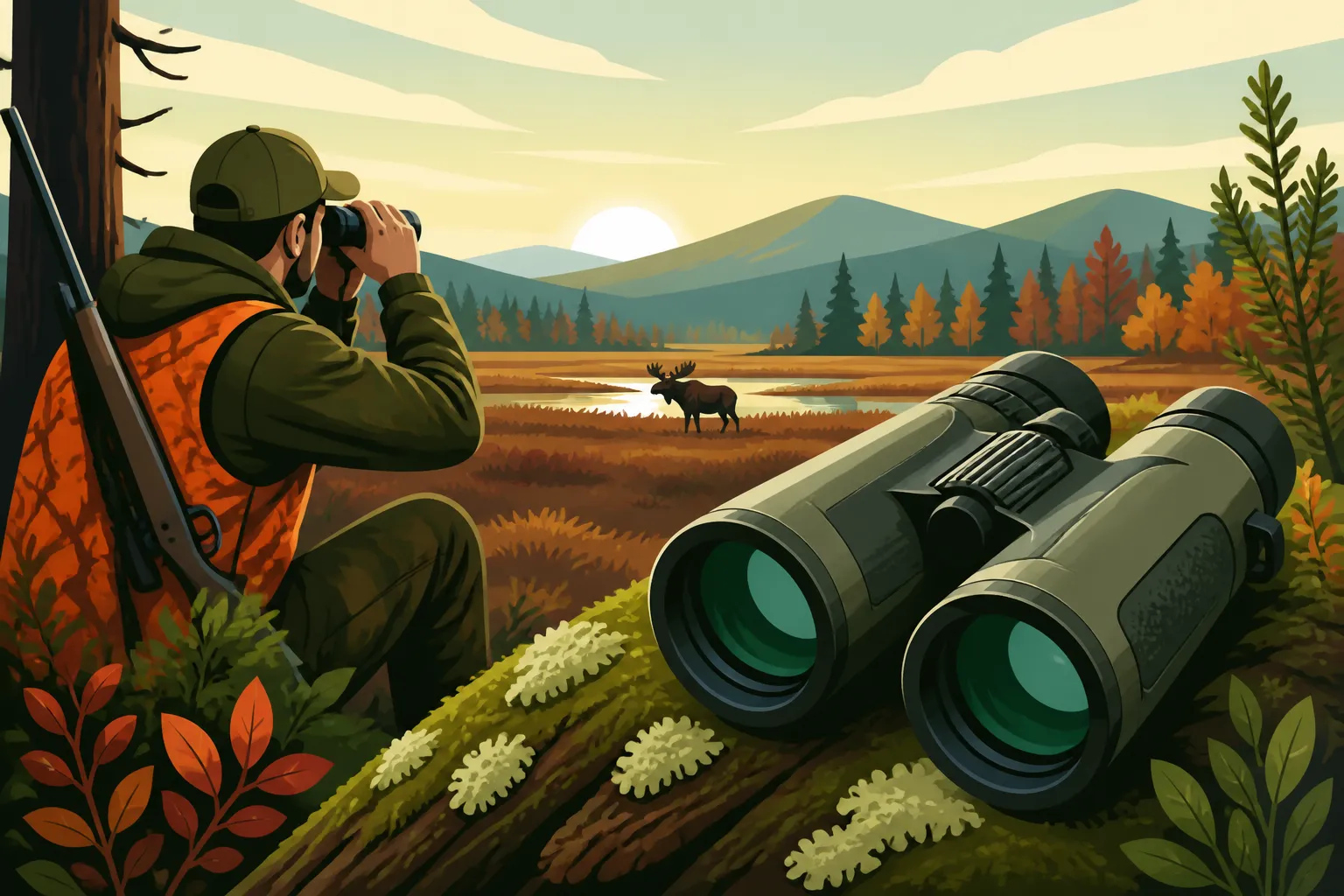
There’s a wild, untamed beauty to hunting the Northeast Kingdom of Vermont, particularly when you find yourself navigating its unique and often challenging bog environments. These aren't your manicured farm fields; we're talking about vast expanses of spruce, cedar, and tamarack, interspersed with open pockets of marsh grass, sphagnum moss, and stagnant water. It’s a place where light struggles to penetrate, distances can be deceiving, and moisture is a constant companion. Successfully spotting game, whether it's a browsing whitetail or a lurking black bear, in these conditions demands the right tools, and few are as critical as a quality pair of binoculars. This guide is all about helping you understand what makes a binocular truly excel when you're deep in a Northeast Kingdom bog, and how to choose the best set for your adventures.
The Unique Visual Gauntlet of a Northeast Kingdom Bog
Hunting in a Vermont bog isn't like glassing open prairies or hardwood ridges. The environment itself presents a unique set of challenges that directly impact how well your optics perform. Understanding these specific visual hurdles is the first step in selecting the right binoculars.
Navigating Low Light and Dense Cover
Picture yourself at dawn, deep in a bog. The towering evergreens, thick underbrush, and persistent canopy overhead act like a natural diffuser, filtering out a significant amount of light. Even in the middle of a sunny day, pockets of the bog can remain deeply shadowed. This pervasive low light makes it incredibly difficult to discern details, judge distances, or even clearly identify the outline of an animal tucked away in the shadows. Your eyes alone will struggle to pick apart the subtle nuances of brown fur against dark bark or the slight twitch of an ear amidst swaying reeds.
The dense cover also means that when you do get a glimpse of an animal, it's often fleeting and obstructed. You might only see a small section of a deer's body through a narrow lane of trees, or catch the glint of an antler through a screen of cedars. This isn't about wide-open country where you have minutes to study a animal; it's about quick identification in fragmented views. Your binoculars need to be exceptional at gathering whatever ambient light is available and presenting a bright, clear image with high contrast to cut through the visual clutter.
Battling Constant Moisture and Harsh Conditions
Let's be honest, the Northeast Kingdom isn't exactly known for its dry, arid climate, and bogs are the epitome of wet. From the damp morning mist that clings to everything, to sudden, torrential downpours, and the ever-present threat of accidental drops into muddy water or bog muck, your binoculars are going to get wet. And they're going to get dirty. This isn't a "maybe they'll get wet" scenario; it's a "they will get wet, and possibly submerged" situation.
Beyond the water, you're dealing with temperature fluctuations. A cold morning can quickly warm up, causing internal fogging in lesser optics as the air inside expands and contracts. The terrain itself is treacherous—uneven, root-strewn, and often requiring you to push through thickets or scramble over obstacles. This means bumps, scrapes, and potential drops are par for the course. Your binoculars must be built like a tank, completely sealed against moisture and dust, and armored enough to shrug off the inevitable knocks and jostles of a demanding hunt. Durability here isn't a luxury; it's a necessity for continued function when you’re miles from the truck.
Mastering Varying Distances and Swift Identification
One moment you might be scanning a narrow opening in the trees just fifty yards away, trying to confirm if that dark shape is a stump or a bedded bear. The next, you could be peering across a wider bog opening, trying to ascertain if the indistinct movement a couple hundred yards out is a legal buck or a doe. The range of distances you'll be glassing in a bog is incredibly diverse, and the speed at which you need to make accurate identifications can be critical, especially during a season like Hunting Vermont's New Archery-Rifle Overlap where rules on what you can harvest might change.
This dynamic environment demands binoculars that can quickly focus, provide a wide enough field of view to scan effectively, yet still offer enough magnification to pull in crucial details when needed. You need to be able to pick up subtle cues—the angle of an antler, the distinct color of a hide, the way an animal moves its head—to avoid mistakes or to make the call to take a shot. The optical clarity needs to be superb, preventing eye strain and delivering a true-to-life image that aids in confident decision-making, even when the light is failing and the clock is ticking.
Essential Binocular Features for Bog Hunting Dominance
Given the demanding conditions of a Northeast Kingdom bog, not just any pair of binoculars will do. You need specific features that are optimized for brightness, durability, and clarity in challenging environments. Let’s dive into what truly matters.
Magnification, Objective Lens, and Optical Quality
When choosing binoculars for a bog, it’s all about finding the sweet spot between magnification and light-gathering capability. Too much magnification (like a 12x or 15x) can be a hindrance in dense cover; it narrows your field of view considerably, making it harder to find an animal quickly and often exacerbating handshake, especially if you're not using a tripod. For the thick, often close-quarters nature of a bog, an 8x or 10x magnification is usually ideal. An 8x offers a wider field of view and is more forgiving of natural hand movement, making it excellent for scanning dense areas. A 10x gives you a bit more reach for those slightly longer shots across an open bog pocket, without sacrificing too much stability.
The objective lens, which is the large lens at the front of the binocular, is crucial for light gathering. For low-light situations like those found in a bog, you want a larger objective lens—think 42mm or 50mm. An 8×42 or 10×42 binocular strikes a fantastic balance, offering ample light transmission without making the binoculars overly bulky or heavy. For even more low-light performance, a 10×50 can be a game-changer, though it will naturally be a bit heavier.
However, size isn't everything. The true magic happens with optical quality and coatings. Look for binoculars that boast ED (Extra-low Dispersion) glass. This special glass helps to reduce chromatic aberration, which is that annoying color fringing you sometimes see around high-contrast objects. In a bog, where you're often looking for dark outlines against bright moss or sky, this reduction in aberration translates to a much sharper, clearer, and more color-accurate image. Beyond the glass itself, multi-coatings on all air-to-glass surfaces are paramount. These coatings maximize light transmission and minimize glare, ensuring that every photon of available light reaches your eye, giving you the brightest and most contrast-rich image possible. Some manufacturers also use dielectric prism coatings, which further enhance light reflection and color fidelity. When researching options, a site like GoHunt can be a great place to compare the technical specifications and user reviews to find optics that prioritize these critical optical elements.
Uncompromising Waterproofing, Fogproofing, and Exterior Armor
As we've discussed, a bog is a wet place. Period. So, having binoculars that are truly waterproof and fogproof isn't just a nice-to-have feature; it's absolutely non-negotiable. Look for binoculars that are "O-ring sealed" and "nitrogen-purged" or "argon-purged." The O-rings create a watertight seal, preventing moisture and dust from entering the internal housing. Nitrogen or argon gas fills the inside of the binoculars, creating an inert environment that prevents internal fogging when you move between different temperature extremes, such as stepping out of a warm truck into a frigid, damp bog. Without this, your internal lenses would likely fog up, rendering your optics useless at the exact moment you need them most.
Beyond internal protection, the exterior needs to be just as robust. A durable, non-slip rubber armor coating is essential. This armor does several things: it provides a secure grip, even when your hands are cold, wet, or muddy; it protects the delicate internal components from impacts and drops (which are bound to happen when you're traversing uneven, slippery terrain); and it helps to dampen noise if they bump against your treestand or gear. You want something that feels solid, well-built, and inspires confidence that it can withstand the rigors of a multi-day hunt in a challenging environment. This robust construction is particularly important if you plan on long periods in the backcountry where replacement isn't an option, such as during a Moose Hunting Vermont's Northeast Kingdom expedition.
Field of View, Eye Relief, and Ergonomics
The "field of view" (FOV) refers to the width of the area you can see through the binoculars at a specified distance (usually 1,000 yards). In the dense, close-quarters environment of a bog, a wide field of view is incredibly beneficial. It allows you to scan a larger area more quickly, making it easier to pick up on subtle movements or to follow an animal that's moving through heavy cover. An 8x magnification will naturally offer a wider FOV than a 10x, which is why many hunters find them preferable in thick timber.
"Eye relief" is the distance your eye can be from the ocular lens and still see the entire field of view. This is especially important for hunters who wear eyeglasses. If you wear glasses, look for binoculars with at least 15mm of eye relief, and adjustable eyecups that can be twisted up or down to find the perfect viewing distance. Good eye relief prevents uncomfortable black rings or "tunnel vision" around the edges of your view.
Finally, "ergonomics" covers how the binoculars feel in your hands. Are they comfortable to hold for extended periods? Is the focus wheel smooth and easy to manipulate, even with gloves on? Is the weight well-balanced? A lightweight design is always a plus when you're humping through a bog, as every ounce can add up, especially if you're Packing for a Northeast Kingdom Moose Hunt. Consider factors like texture, balance, and how easily they can be manipulated with one hand, or quickly brought to your eyes. The best binoculars are an extension of your senses, and that means they need to feel right in your hands.
Practical Considerations for Field Use in the Northeast Kingdom
Beyond the technical specifications, there are practical aspects of using and owning binoculars that are particularly relevant when hunting in a Vermont bog. These considerations can make a significant difference in your overall hunting experience and the longevity of your investment.
Choosing the Right Size and Weight for Backcountry Trekking
When you're slogging through knee-deep sphagnum moss, navigating beaver dams, or pushing through dense cedar swamps in the Northeast Kingdom, every ounce of gear counts. Heavy, bulky binoculars can quickly become a burden, especially on long, all-day hunts or multi-day excursions. While a larger objective lens (like a 50mm) offers superior low-light performance, it also adds weight and bulk.
This is where you need to weigh your priorities. An 8×42 or 10×42 binocular often presents the best compromise, offering excellent optical performance in a package that’s reasonably lightweight and compact. Many manufacturers are now using advanced materials to keep weight down without sacrificing durability. Before committing, try holding different models, if possible, to get a feel for their balance and comfort. Consider how they'll sit on your chest in a harness—a comfortable harness system is absolutely essential to prevent fatigue and keep your optics readily accessible. A good binocular harness will distribute the weight across your shoulders and chest, keeping the binoculars secure and preventing them from bouncing around as you walk. This is crucial for staying comfortable whether you're Still-Hunting Green Mountain National Forest Timber or just picking your way through a particularly nasty patch of bog.
Balancing Budget with Performance: A Realistic Approach
Let's face it, top-tier optics can come with a hefty price tag. It’s easy to get caught up in the allure of the absolute best, but for many hunters, finding the sweet spot between performance and budget is key. The good news is that the mid-range optics market has exploded in recent years, offering incredibly capable binoculars that don't require you to take out a second mortgage.
When considering your budget, think about how often you hunt, the conditions you typically face, and what your priorities are. For bog hunting, you absolutely cannot compromise on waterproofing, fogproofing, and durability. Good light transmission and optical clarity are also high on the list. If you have to make trade-offs, perhaps go with an 8x magnification instead of a 10x to save some money, as 8x often offers a wider field of view and is less demanding on optical perfection at the same price point. Sites like GoHunt provide excellent comparative tools and detailed reviews that can help you understand the value proposition of various models across different price points, often highlighting where certain brands excel without breaking the bank. Remember, investing in quality optics is a long-term play; a good pair will last you many seasons.
| Feature | Budget-Friendly ($) | Mid-Range ($$) | High-End ($$$) |
|---|---|---|---|
| Optical Quality | Fully Multi-Coated, Standard Glass | ED Glass, Dielectric Coatings, Phase-Corrected Prisms | Premium ED/HD Glass, Advanced Coatings, Perfect Prisms |
| Light Gathering | Good for daytime, fair low light | Excellent in low light | Exceptional in low light |
| Water/Fog Proof | Usually O-ring sealed, Nitrogen Purged | Always O-ring sealed, Argon/Nitrogen Purged | Uncompromising, long-term reliability |
| Durability | Decent rubber armor, robust housing | Excellent rubber armor, reinforced chassis | Heavy-duty armor, magnesium/aluminum alloy |
| Ergonomics | Comfortable but sometimes basic | Very comfortable, good balance | Perfect balance, exceptional comfort |
| Field of View | Adequate | Very Good | Excellent, wide, and crisp |
| Eye Relief | Usually sufficient | Good for glasses wearers | Excellent, very comfortable for all |
| Weight | Can vary, sometimes a bit heavier | Often optimized for lighter weight | Often lightweight for the performance |
Essential Maintenance and Care in a Wet Environment
Your binoculars are an investment, and proper care, especially in a demanding bog environment, will ensure they perform reliably for years to come. After every hunt, especially in wet or muddy conditions, follow a few key steps. First, if they are muddy or very dirty, do not wipe them dry. Use a soft brush or a can of compressed air to remove loose debris, then gently rinse them under running water (since they are waterproof, this is fine!).
Once rinsed, use a clean, lint-free microfiber cloth specifically designed for optics to gently dry the lenses. Breathe on the lenses to fog them slightly, then wipe again to ensure there are no streaks. Never use paper towels or your shirt, as these can scratch the delicate lens coatings. Pay attention to the housing as well, wiping off any mud or grime.
Allow your binoculars to air dry completely before storing them in a sealed case. If you've been out in freezing conditions, bring them inside and let them acclimate slowly to room temperature to prevent condensation. Store them in a dry place, ideally in their padded case or a binocular harness pouch, to protect them from dust and accidental impacts. Regularly check the lens caps and eyecups for any wear and tear. A little proactive maintenance goes a long way in ensuring your optics are always ready for the next adventure, whether it's Hunting Vermont's Regular Archery Season Into December or just a weekend scouting trip.
Integrating Binoculars into Your Northeast Kingdom Hunting Strategy
Having the right binoculars is only half the battle; knowing how to use them effectively within the unique context of a Northeast Kingdom bog is where they truly become a force multiplier.
Strategic Scanning for Subtle Movement and Hidden Game
Bogs are all about subtle details. Unlike open country where an animal might stick out, here, deer, bear, and other game are masters of blending into the tapestry of spruce, cedar, and undergrowth. Your binoculars are your best tool for systematically dissecting this cover. Don't just glance; actively scan.
Start by breaking down a section of cover into smaller, manageable grids. Look for anything that seems out of place: a horizontal line in a vertical world, a patch of color that doesn't quite match the surrounding vegetation, a subtle flick of an ear, or the glint of an eye. Pay close attention to edges—the interface between thick evergreens and a more open marsh, or the line where high ground meets the wet bog. These are natural travel corridors and bedding areas. When a deer beds down, it often pulls its legs in, appearing as a dark mound. A careful scan with good optics can turn that "mound" into a bedded deer. You might be Reading a Green Mountain Deer Yard with your naked eye, but your binoculars will confirm that movement on the edge of the thicket.
Don't rush. Slow, deliberate sweeps are far more effective than quick, haphazard glances. Good optics will reduce eye strain, allowing you to glass for longer periods, which is often what it takes to find game that’s either still or moving slowly through the dense environment.
Leveraging Optics for Pre-Season Scouting and Sign Identification
Binoculars aren't just for hunting season; they're indispensable tools for pre-season scouting, too. Before the season even opens, I'm out there in the Northeast Kingdom, often with my trusty binoculars, long before the first leaves start to fall. From an elevated position overlooking a bog, perhaps a small knoll or a logging road, you can use your binoculars to spot rub lines, scrape areas, or faint game trails that might be missed with the naked eye. This is especially true for identifying Scrape Lines Along a Logging Road or subtle changes in vegetation that indicate heavy browse.
You can pick apart a distant cedar thicket for signs of bedding, or glass across a bog opening to identify potential entry and exit points. When you're trying to locate Late-Season Food Sources for Vermont Whitetails like lingering apples or acorns, your binoculars can help you check distant trees without having to physically bushwhack to each one. This allows you to cover more ground more efficiently and identify high-potential areas before the hunting pressure begins. For broader scouting strategies and understanding game movement, platforms like GoHunt can offer useful insights and mapping tools, helping you pinpoint areas worthy of a closer look with your binoculars.
Enhancing Safety and Situational Awareness in Remote Terrain
Beyond finding game, binoculars play a crucial role in safety and situational awareness, especially in the remote and often disorienting landscape of a Northeast Kingdom bog. Imagine you’ve taken a shot and are now trying to locate your animal in fading light. Good binoculars are invaluable for Blood Trailing After Dark in Vermont, helping you pick up subtle signs of blood or disturbed vegetation. They can also help you confirm shot placement, ensuring you know exactly where to begin your recovery efforts.
In terrain that can be tricky to navigate, binoculars help you plan your route. You can use them to scout ahead, identifying clearer paths through thick brush, spotting hazardous terrain features like hidden water crossings or steep ravines, and generally making your movements safer and more efficient. They also serve as a critical tool for identifying other hunters in the area, especially important during a popular season like Vermont's November Rifle Season. Spotting a patch of blaze orange in the distance before you get too close is always a good practice. In these remote areas, where cell service can be spotty at best, every piece of gear that aids in decision-making and awareness is a lifeline.
Disclaimer
This article is for general informational purposes only and does not constitute professional advice. Laws, prices and regulations vary by location and change over time. Consult a qualified professional for guidance on your specific situation.