Squirrel Hunting Vermont Hardwoods
Hunting small game in Vermont can sometimes feel like a forgotten art, overshadowed by the pursuit of big bucks and bears. But for many of us, especially those just starting out or looking to sharpen our skills, squirrel hunting offers an incredibly rewarding experience that connects us intimately with the hardwood forests. If you've ever felt overwhelmed by the vastness of the woods or unsure how to even begin pursuing these wily critters, you're in the right place. This guide will walk you through everything you need to know to successfully hunt squirrels in Vermont's beautiful hardwood stands, transforming those frustrations into fruitful outings.
Understanding Vermont Squirrels and Their Habitat
Before you even think about shouldering a rifle or shotgun, it's crucial to understand the very creatures you're pursuing. Squirrels aren't just "squirrels" here in Vermont; knowing their species, habits, and what drives them will make you a much more effective hunter.
Species of Squirrels in Vermont Hardwoods
When you're out in the Vermont woods, you're primarily going to encounter two main species of squirrels that are legal game: the gray squirrel and the red squirrel. While there are other types, these are your bread and butter for hunting.
Gray Squirrels: The Forest Acrobats
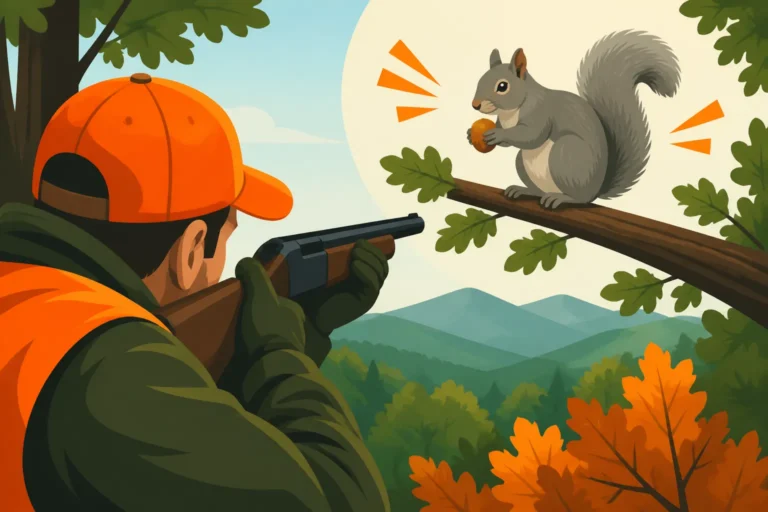
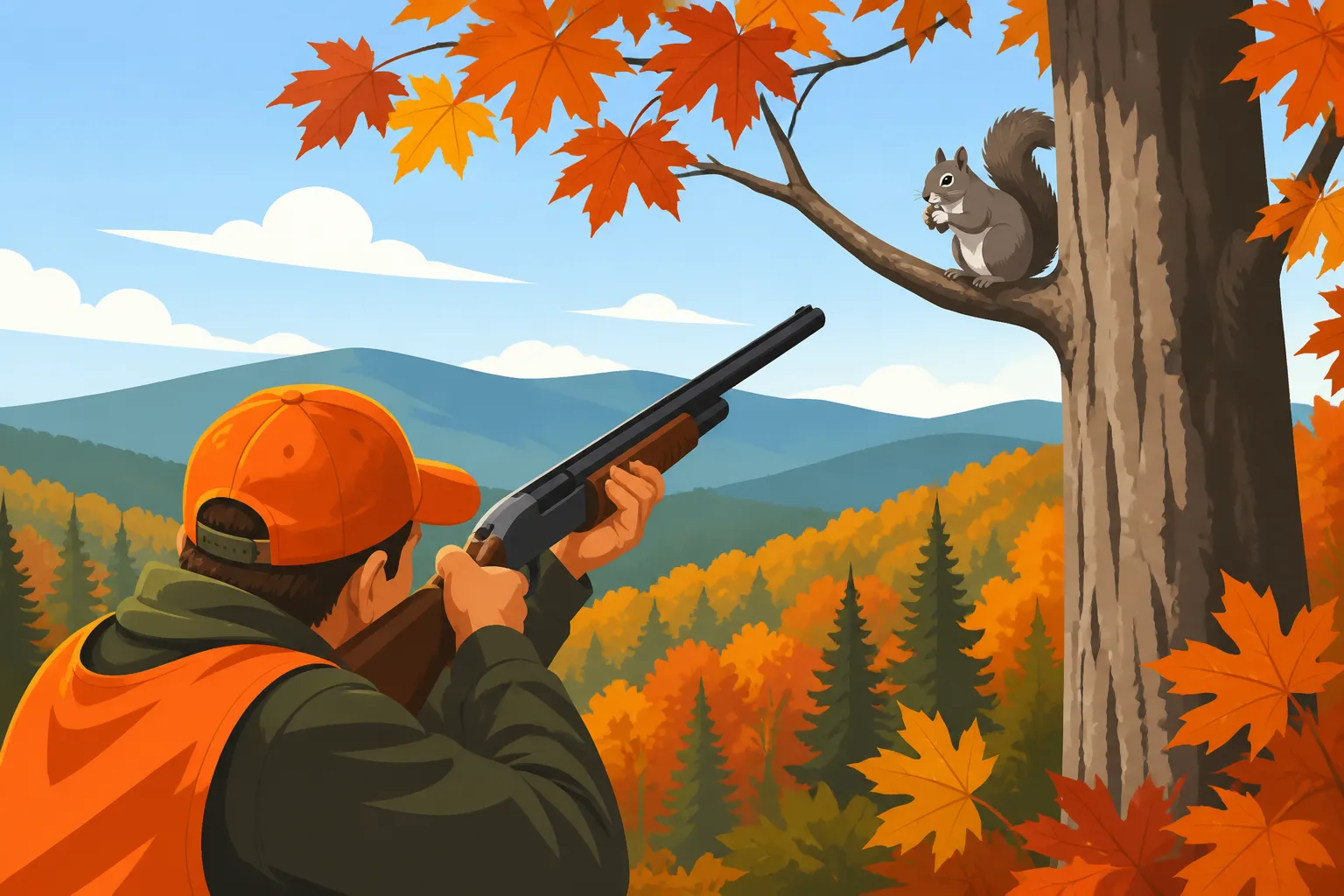
The eastern gray squirrel is probably what most people picture when they think of a squirrel. These adaptable creatures are quite common throughout Vermont's hardwood forests, particularly where there's a good mix of oak, beech, and other mast-producing trees. They're larger than their red cousins, with a beautiful salt-and-pepper gray coat, a white belly, and a big, bushy tail that serves as a counterbalance, a blanket, and even a signaling device. Gray squirrels are active during the day, especially at dawn and dusk, though you'll see them scurrying about throughout the daylight hours. They're known for their incredible agility, leaping between tree branches with astounding grace. When alarmed, they'll often flatten themselves against a tree trunk on the side opposite you, making them incredibly frustrating to spot. Their diet is broad, but they absolutely thrive on acorns, hickory nuts, and beechnuts, which are abundant in many Vermont hardwoods.
Red Squirrels: The Chatterboxes of the Conifers (and Hardwood Edges)
Red squirrels, also known as pine squirrels or chickarees, are smaller, more feisty, and usually have a reddish-brown coat with a white ring around their eyes and a noticeably smaller, less bushy tail than a gray. While they are often associated with coniferous forests (and you'll certainly find them there!), they also frequent hardwood forests, especially on the edges or where there's a mix of tree types. You'll recognize them by their distinct, rapid-fire chattering and scolding calls, which can either give away their presence or, ironically, alert every other animal in the woods to yours. Red squirrels primarily eat conifer seeds, but they're opportunistic and will readily munch on hardwood nuts, mushrooms, and even bird eggs. They're incredibly industrious, often creating large "middens" – piles of discarded cone scales and nut shells – which can be a great indicator of their activity. Their smaller size and often faster movements make them a different challenge to hunt compared to grays.
Preferred Hardwood Habitats and Food Sources
Understanding where squirrels find their food and shelter is the cornerstone of successful squirrel hunting. Vermont's hardwood forests offer a smorgasbord of options for these critters, and knowing what to look for will put you in the prime locations.
Mast-Producing Trees: The Squirrel Supermarkets
The most critical factor in finding squirrels is locating stands of mast-producing trees. "Mast" refers to the nuts, seeds, buds, or fruits of forest trees and shrubs, which are a primary food source for many wildlife species, including squirrels. In Vermont, that means looking for:
- Oak trees: Both red and white oaks are squirrel magnets. Their acorns are a high-energy food source. White oaks drop their acorns earlier and are sweeter, often consumed quickly, while red oak acorns mature later and are sometimes cached for winter.
- Beech trees: While not as widespread as oaks, mature beech stands, especially those with good mast production, will draw squirrels in like a siren's call. Beechnuts are small but incredibly nutritious.
- Hickory trees: Shagbark and pignut hickories offer large, rich nuts that squirrels adore. These are often found in warmer, more fertile valley floors or along river bottoms.
- Maple trees: While their seeds aren't as calorically dense as nuts, squirrels will feed on maple seeds, buds, and even sap, especially in early spring or when other mast crops are scarce.
- Other options: Don't overlook wild apple trees, cherry trees, and even certain conifers if you're in a mixed forest setting. Squirrels are adaptable eaters!
The success of a hunting season for many species, including squirrels, is heavily influenced by the mast crop. If you've experienced Hunting After a Poor Acorn Year, you know how challenging it can be to find game. In such years, squirrels will travel more widely to find alternative food sources, or concentrate heavily on the few areas that did produce.
Shelter and Escape Routes
Beyond food, squirrels need shelter and a way to escape predators. Look for mature timber with plenty of den trees – trees with natural cavities or old woodpecker holes. These provide safe havens, especially during cold weather or when raising young. Thick undergrowth, brush piles, and fallen logs also offer cover and places to hide or build dreys (squirrel nests made of leaves and twigs). Hardwood forests with a varied age structure, offering both mature trees for mast and younger trees for cover, tend to be the most productive.
Reading Squirrel Sign and Behavior
You don't need to be a seasoned tracker to find squirrel sign. These busy critters leave plenty of clues if you know what to look for. Learning to interpret these signs will help you pinpoint their activity centers and increase your chances of success.
Cuttings: The Dinner Debris
The most obvious sign of active squirrels is "cuttings." These are the discarded pieces of nuts, seeds, or cones that squirrels have been eating. You'll find them on logs, stumps, rocks, or even under specific feeding trees. Fresh cuttings will be lighter in color and still have a bit of moisture, while older cuttings will be dry and weathered. Look for small piles of shell fragments, particularly around the base of oak, hickory, or beech trees. If you find a spot with a lot of fresh cuttings, you've likely found a current squirrel dining area.
Dreys: The Leafy Nests
Squirrels build two types of nests: den nests in tree cavities and dreys, which are spherical nests made of leaves, twigs, and other plant material, usually high in the branches. While not necessarily an active feeding sign, numerous dreys in an area indicate a healthy squirrel population. They use these for shelter, particularly in warmer months, or as temporary sleeping spots.
Chattering and Barking: Auditory Clues
As mentioned, red squirrels are notorious chatterboxes, but gray squirrels also vocalize. Their barks, chattering, and scolding calls often give away their presence. Learn to differentiate between a squirrel just going about its business and one that's alarmed. An alarmed squirrel might continuously bark or chatter, often indicating it has spotted you or another predator. Use these sounds to pinpoint their general location, but approach cautiously, as they're also excellent at freezing or slipping around the back of a tree. Sometimes, How Early Season Squirrels Give Themselves Away isn't just about their physical presence, but the noisy clues they leave.
Tracks and Trails (Especially in Snow)
While harder to spot on bare ground, fresh snow can turn the forest floor into an open book. Squirrel tracks are distinctive, showing four toes in front and five in back, often with the hind feet landing ahead of the front feet during a bounding gait. They also leave tail drags in fresh, light snow. Following these tracks can lead you directly to their feeding spots or den trees.
Best Times and Seasons for Squirrel Hunting
Vermont offers a generous season for squirrels, but not all days or times are created equal. Understanding the regulations and knowing when squirrels are most active can significantly impact your hunting success.
Vermont's Squirrel Season Dates and Regulations
Before heading out, always double-check the latest Vermont Fish and Wildlife Department regulations. Seasons and bag limits can change, and staying compliant is paramount. Generally, the season for gray and red squirrels in Vermont is quite long, often opening in September and running through a good portion of the winter. This provides ample opportunity, allowing hunters to experience different squirrel behaviors as the fall progresses.
Current Regulations Snapshot (Always Verify!):
- Season Dates: Typically, the squirrel season opens in early September and extends through December or even into the next year. For precise dates, such as Vermont Squirrel Season Dates, you should consult the official Vermont Fish & Wildlife Department website or their printed hunting guide.
- Bag Limit: There is usually a generous daily bag limit, often quite high, like 5 per day. This allows for a good harvest, especially when targeting gray squirrels, which often gather in groups.
- Legal Methods: Rimfire rifles (like a .22), shotguns, air rifles, and archery equipment are all generally legal for squirrel hunting. Always check for specific restrictions on public lands or if you're hunting during an overlap with other seasons.
- Hunter Education: All hunters born after January 1, 1970, must complete a hunter education course to hunt in Vermont.
- Licensing: A valid Vermont hunting license is required.
These regulations are designed to manage the squirrel population sustainably, which remains robust across the state. Remember, hunting is a privilege, and ethical compliance ensures we all get to enjoy it for years to come.
Early Season Opportunities: September and October
The early season for squirrel hunting, typically September and October, presents a unique set of challenges and advantages. This is when the leaves are still mostly on the trees, providing dense cover for squirrels, but also making it harder for you to spot them.
Challenges of Full Foliage
The biggest hurdle in early season is the sheer amount of foliage. Squirrels can disappear into the canopy with surprising speed, and spotting them through a thick curtain of green can be incredibly difficult. This means you need to slow down, scan diligently, and rely more on sound than visual confirmation. Binoculars become your best friend in these conditions, helping you pick out movement or a small patch of fur that might be obscured to the naked eye.
Squirrel Activity and Behavior
During September and October, squirrels are in high gear, busily feeding and caching nuts for the upcoming winter. They're often less wary than they will be later in the season because hunting pressure hasn't fully ramped up yet. You'll find them actively foraging on the forest floor, scampering up trees with nuts, and generally making a lot of noise. This is an excellent time for still-hunting – moving slowly and deliberately through the woods, stopping frequently to listen and observe. Look for the "cut zone" – areas with a lot of fresh nut cuttings – as these indicate current feeding activity. The cooler mornings and evenings are often the best times, as squirrels tend to be most active then, but they'll be out throughout the day on their foraging missions.
Late Season Challenges and Rewards: November and December
As autumn progresses into late fall and early winter, squirrel hunting in Vermont undergoes a significant transformation. The challenges shift, but so do the opportunities, offering a different, often more rewarding, experience.
Bare Trees and Increased Visibility
Once the leaves have fallen, typically by early November, visibility in the hardwoods dramatically improves. This is a game-changer. You can spot squirrels from a much greater distance, and they have fewer places to hide. This makes still-hunting more productive, as you can often see squirrels moving through the branches or on the forest floor before they detect you. However, this also means they can spot you more easily, so stealth and camouflage remain important. This improved visibility is often what many hunters look forward to, making it easier to locate active populations.
Colder Weather and Snow Tracking
With late fall comes colder temperatures, and often, the first snows. While sitting still can be bone-chilling without proper layering, the snow can be an incredible asset. Fresh snow reveals every track and trail, making it much easier to locate squirrel activity. Following fresh tracks can lead you directly to their feeding areas or den trees. The squirrels themselves become more focused on staying warm and accessing cached food. You might find them spending more time in den trees or sunning themselves on branches during midday. Hunting after a cold front can be incredibly productive, as squirrels will often be ravenous after hunkering down, providing a surge in activity. Dressing warmly and knowing Cold-Weather Sitting Strategy in the Northeast Kingdom will be essential for enduring long waits or slow stalks.
Squirrel Behavior in Winter
In the colder months, squirrels are still active but may have slightly altered routines. They might emerge later in the morning and retreat earlier in the afternoon, especially on very cold days. They'll rely heavily on their cached food supplies, so targeting areas with known caches or good den trees can be effective. They may also "hole up" for periods during severe weather, but they don't truly hibernate, meaning there are always opportunities to find them. The late season can be particularly rewarding for bagging grays, as they often gather in larger groups to feed before and after cold snaps.
Essential Gear and Tactics for Hardwoods
Successful squirrel hunting isn't about having the fanciest gear, but having the right gear and knowing how to use it effectively in Vermont's hardwood environments. From your choice of firearm to how you move through the woods, every detail plays a role.
Firearms and Ammunition Choices
The beauty of squirrel hunting is its accessibility. You don't need a high-powered rifle; precision and stealth are far more important than raw stopping power.
The .22 Rimfire Rifle: The Classic Choice
For many, the .22 long rifle is the quintessential squirrel gun. Its advantages are numerous:
- Accuracy: With practice, a good .22 rifle can be incredibly accurate, allowing for precise headshots, which is ideal for maximum meat yield and ethical hunting.
- Low Noise: Compared to a shotgun or centerfire rifle, the .22 is relatively quiet, meaning you might not spook every other squirrel in the vicinity with your first shot. This is huge for getting multiple squirrels from a single location.
- Affordability: Both the rifles and the ammunition are inexpensive, making it a budget-friendly option for new hunters or those looking for a lot of trigger time.
- Ammunition: Standard .22LR rounds are perfectly sufficient. Some hunters prefer hollow-points for a bit more knockdown power, but solid lead rounds work just fine for headshots.
Shotguns: For Fast-Moving Targets
If squirrels are proving particularly elusive or if you prefer a wider margin of error, a shotgun is an excellent choice.
- .410, 20-gauge, or 12-gauge: A .410 or 20-gauge is often ideal, as they offer less recoil and still provide plenty of patterning for squirrels. A 12-gauge works too, but can be a bit overkill and destructive to the meat if used at close range.
- Shot Size: Small shot, like #6 or #7.5, is perfect for squirrels. It provides a dense pattern without carrying too much energy to damage the meat excessively.
- Advantages: Shotguns are great for flushing squirrels or for quick, close-range shots at moving targets. They're also effective when foliage is heavy in the early season, as a shot pattern can cut through light cover better than a single bullet.
Air Rifles: The Stealth Option
High-powered air rifles (.177, .22, or .25 caliber) have gained popularity for small game.
- Silence: They are incredibly quiet, often even more so than a .22, making them ideal for urban edges or areas where noise is a concern.
- Accuracy: Modern air rifles can be incredibly accurate, offering precision comparable to a .22.
- Ammunition: Pellets are generally affordable.
When choosing a firearm, consider your skill level, the hunting conditions, and personal preference. The goal is a quick, ethical kill.
Optics and Other Key Equipment
Beyond your firearm, a few key pieces of equipment can significantly improve your squirrel hunting experience and success rate.
Binoculars: Your Second Set of Eyes
A good pair of binoculars, even a compact 8x or 10x model, is indispensable, especially during the early season with full foliage. They allow you to meticulously scan tree trunks, branches, and the forest floor for any tell-tale twitch of an ear, flick of a tail, or the outline of a squirrel flattened against bark. They also help confirm if what you're seeing is actually a squirrel and not just a knot on a tree.
Mapping Apps: Know Your Location
In Vermont's expansive public lands, knowing exactly where you are and what the land features are can be a huge advantage. This is where modern mapping applications really shine. Apps like GoHunt provide detailed topographic maps, aerial imagery, and crucial public/private land boundary overlays. You can mark potential hunting spots, track your movement, and avoid accidentally trespassing. These apps are invaluable for scouting and navigating unfamiliar territory, especially when looking for specific hardwood stands on onX Layers for Vermont Land Status. Having an offline map capability is essential, as cell service can be spotty in the Green Mountains.
Small Game Vest/Pouch:
A simple small game vest with multiple pockets or a dedicated pouch makes carrying squirrels, extra ammo, a snack, and water much easier. Some vests even have an integrated game bag in the back.
Other Essentials:
- Comfortable Boots: You'll be doing a lot of walking and standing. Good ankle support and waterproofing are key, especially in damp Vermont woods.
- Knife: For field dressing, if you choose to do it in the field.
- Compass/GPS: Even with mapping apps, a backup navigation tool is always a good idea.
- Blaze Orange: While not always required for small game, wearing blaze orange or blaze pink is a smart safety practice, especially during overlapping big game seasons. Check the regulations carefully for specific requirements, particularly if you're Bowhunting During Vermont's Rifle Season.
Still-Hunting and Sit-and-Wait Strategies
These are the two primary tactics for squirrel hunting, and often, a combination of both will yield the best results.
Still-Hunting: The Art of Slow Movement
Still-hunting is not about standing still; it's about moving slowly and deliberately, stopping frequently to scan, listen, and observe.
- Move, Stop, Look, Listen: Take a few slow, quiet steps, then stop for several minutes. During this pause, scan every branch, every tree trunk, and the ground. Use your binoculars. Listen intently for chattering, the rustle of leaves, or the subtle thump of a nut falling. This stop-and-go cadence mimics how predators move and gives squirrels a chance to forget you're there or reveal themselves.
- Use Cover: Stay in the shadows as much as possible, break up your silhouette, and use trees or brush for concealment.
- Wind and Thermals: While less critical than for deer, paying attention to wind direction can help prevent squirrels from scenting you, though their vision and hearing are usually their primary defenses against human hunters.
- Target Productive Areas: Focus your still-hunting efforts on known mast-producing areas, especially where you've seen fresh cuttings or dreys. Moving quietly through a funnel between two woodlots can be particularly productive.
This method is incredibly rewarding, forcing you to engage all your senses and truly become part of the forest. If you're looking to refine your Still-Hunting Green Mountain National Forest Timber skills, squirrel hunting is excellent practice.
Sit-and-Wait: Patience is a Virtue
Sometimes, the best approach is to find a good spot and simply wait.
- Choose Your Spot Wisely: Select an area with clear evidence of squirrel activity (cuttings, abundant mast trees, den trees). Position yourself where you have good visibility but are also concealed. A comfortable seat against a large tree trunk can be perfect.
- Ground Blinds: For extended waits, especially in areas with limited natural cover, a ground blind can be incredibly effective. While often used for deer, a simple pop-up blind can keep you hidden from keen squirrel eyes, allowing for more movement and comfort. If you're interested in Using a Ground Blind on Public Land, squirrels make excellent practice targets before deer season.
- Be Still and Patient: The key here is absolute stillness. After settling in, give the woods about 15-20 minutes to calm down. Squirrels, being naturally curious and busy, will often resume their activities if they perceive the threat has passed. This is where your binoculars come in handy again, allowing you to scan without moving your head.
- Call Them In (Occasionally): While not as common as with turkeys or deer, a few soft "barking" calls can sometimes pique a squirrel's curiosity and bring it into view, especially a gray squirrel.
Combining these methods often works best. Still-hunt until you find an active area, then settle in for a sit-and-wait to pick off multiple squirrels.
Finding the Best Hardwood Hunting Spots
One of the biggest hurdles for any hunter, especially in a state with diverse topography like Vermont, is figuring out where to hunt. For squirrels, it's all about locating prime hardwood habitat, whether on public or private land.
Public Lands and Wildlife Management Areas
Vermont boasts a good amount of public land, much of it covered in exactly the kind of hardwood forests squirrels call home. These areas are open to all licensed hunters and offer fantastic opportunities.
Green Mountain National Forest: A Vast Resource
The Green Mountain National Forest (GMNF) is a treasure trove for squirrel hunters. Spanning nearly 400,000 acres across central and southern Vermont, it offers vast tracts of diverse forest. The GMNF is divided into two main districts, the Manchester Ranger District and the Rochester/Middlebury Ranger District, each offering unique hunting experiences. You'll find extensive oak and beech ridges, especially in the southern portions, that can hold incredible numbers of squirrels. Access usually involves hiking in from designated parking areas, often along old logging roads or hiking trails. This means getting away from roads usually means finding less pressured areas. Utilizing mapping apps like GoHunt here is crucial to navigate the terrain and identify potential food sources. It allows you to scope out likely areas with mature mast trees from your couch.
Vermont Wildlife Management Areas (WMAs): Managed for Wildlife
Vermont's Wildlife Management Areas (WMAs) are specifically managed by the Vermont Fish and Wildlife Department to enhance wildlife habitat and provide public recreation, including hunting. These areas are typically smaller than the GMNF but are often intensely managed for species like deer, turkey, and yes, squirrels. Many WMAs contain excellent hardwood stands. To locate Finding a Vermont WMA Near You, consult the Fish & Wildlife Department's website or hunting guide. Each WMA might have slightly different regulations or access points, so always check the specifics. For example, smaller WMAs might be easier to hunt thoroughly in a day, while larger ones like Victory Basin or Steam Mill Brook offer more expansive backcountry experiences, where you'll find plenty of hardwood diversity to attract squirrels.
State Forests and Reservations:
Beyond the GMNF and WMAs, Vermont also has numerous state forests and reservations. While these might have different management objectives, many still offer excellent public hunting opportunities for squirrels. Always check the Vermont Department of Forests, Parks and Recreation website for specific rules and boundaries for hunting in these areas. Some may have higher recreational use, so plan your hunts during off-peak times if possible.
Gaining Private Land Access
While public lands are abundant, don't overlook the incredible opportunities on private land, especially in agricultural areas interspersed with woodlots. Gaining permission to hunt private land requires respect, good communication, and adherence to landowner rules.
The Importance of Asking Permission
Vermont law dictates that you must have permission to hunt on private land, whether posted or unposted. Simply put, if it's not explicitly public, assume it's private and seek permission. This is often a point of frustration for hunters new to the state or those used to "implied consent" laws elsewhere. However, by asking, you build relationships, and often find less pressured hunting grounds.
How to Approach Landowners
- Be Respectful and Polite: Your first impression is everything. Dress neatly, speak clearly, and be courteous.
- Timing: Don't show up opening day of rifle season. Approach landowners well in advance of squirrel season, ideally in late summer or early fall.
- Be Prepared: Have your hunting license, insurance information (if you have it), and a simple written permission slip (though not legally required in VT, it's a good practice) ready to show them.
- Start Small: Begin by asking if you can hunt squirrels. This is often less intimidating for a landowner than asking to hunt deer. Squirrel hunting is generally seen as low-impact.
- Offer Help: Offer to help with chores around the property, such as stacking wood, mending fences, or even helping with crops. Many farmers would appreciate the assistance.
- Leave Your Contact Info: Provide your phone number and ask for theirs.
- Follow Up and Say Thank You: If granted permission, always follow through. After your hunt, thank the landowner, perhaps offer some cleaned squirrels, and share any observations about their property (e.g., "I saw some great deer sign on the back woodlot"). This builds trust and rapport, increasing your chances for future access, or even for Knocking on Doors in Champlain Valley Farm Country for deer.
Private land, especially smaller woodlots adjacent to agricultural fields, can be squirrel heaven, offering abundant food sources and often less hunting pressure than public areas.
Identifying Productive Hardwood Stands
Once you've identified potential public or private land, the next step is to pinpoint the specific hardwood stands that will hold squirrels. This involves a bit of armchair scouting and on-the-ground investigation.
Mast Production: The Key Indicator
As discussed earlier, mast production is paramount. When scouting, look for mature oak, beech, and hickory trees. In late summer or early fall, you can literally see the nuts developing. Pay attention to stands that show evidence of a good mast crop. A strong mast crop year means squirrels will be concentrated in those areas. You can use aerial photos on GoHunt to identify areas of mature hardwoods, often distinguishable by tree crown size and shape.
Diverse Canopy and Understory
The best squirrel woods usually aren't uniform. Look for areas with a mix of tree ages and species, which provides both food and cover. A diverse canopy ensures a varied food supply, while a healthy understory provides escape cover and nesting sites. Old, gnarly trees with cavities are always good signs of den trees.
Edges and Transitions
Squirrels, like many other game animals, love edges. Look for where a hardwood forest transitions into a field, a pine stand, or a wetland. These transition zones often offer a wider variety of food sources and thicker cover. Logging roads, old stone walls, and creek bottoms can also act as natural funnels or travel corridors for squirrels.
Water Sources
While squirrels don't need a huge lake, proximity to small streams, seeps, or ponds can be beneficial, especially during dry spells. However, mast production remains the dominant factor.
By combining aerial scouting with mapping tools, walking the woods before the season, and learning to read the subtle signs, you'll dramatically increase your chances of finding those prime squirrel spots.
Processing and Utilizing Your Harvest
The hunt doesn't end when you pull the trigger. Ethical hunting includes taking care of your harvest, and squirrel meat, though small, is incredibly delicious and versatile.
Field Dressing and Cooling Techniques
Proper field care is essential to ensure the meat is clean and palatable. Squirrels, being small, are relatively easy to process.
Quick Skinning Method
There are several methods for skinning a squirrel quickly, but a common one involves making a small cut across the squirrel's back, then using your feet to hold the squirrel down while pulling the hide off both ways.
- Initial Cut: Lay the squirrel on its belly. Make a shallow, circumferential cut through the skin (but not into the muscle) around the mid-back, between the front and hind legs.
- Pulling the Skin: Stand on the squirrel's head and front legs (or tail and back legs, depending on your preferred starting point) with your boots. Grab the skin on one side of the cut and pull firmly. The skin should peel off like a jacket. Repeat for the other side.
- Head and Feet Removal: Once the main body is skinned, twist or cut off the head and feet.
- Evisceration (Gutting): Make a small cut in the lower abdomen and carefully open the body cavity. Remove all internal organs. Be careful not to puncture the intestines or bladder.
- Clean-Up: Wipe the cavity clean with grass, leaves, or a paper towel if you have one.
Why Field Dress Quickly?
Getting the hide off and gutting the squirrel quickly allows the meat to cool down, especially on warmer early-season days. This prevents bacteria growth and ensures the best flavor. If it's very cold, you can afford a little more time, but swift processing is always best.
Cooling Your Harvest
Once processed, get your squirrels into a cooler with ice as soon as possible. If you're planning a longer hunt, bring a small insulated bag or cooler backpack. At home, refrigerate them promptly. They can be cooked fresh or frozen for later use.
Recipes and Culinary Uses for Squirrel Meat
Don't let the size fool you; squirrel meat is lean, flavorful, and incredibly versatile in the kitchen. It's often compared to rabbit or the dark meat of chicken, with a slightly gamier, nuttier flavor depending on their diet.
Stewed or Braised Squirrel: Tender and Rich
Squirrel meat can be a bit tough if not cooked properly, especially from older animals. Slow cooking methods, like stewing or braising, are fantastic for tenderizing the meat and drawing out its rich flavors.
- Classic Squirrel Stew: Brown the pieces of squirrel meat, then add vegetables like carrots, potatoes, onions, celery, and a savory broth. Simmer for several hours until the meat is fall-off-the-bone tender. This is a quintessential wild game dish and perfect for a cold Vermont evening.
- Squirrel and Dumplings: Similar to the stew, but with fluffy dumplings cooked right in the pot.
- Braised Squirrel: Slowly cook squirrel pieces in a flavorful liquid (wine, broth, or even hard cider) with herbs and aromatics until tender.
Fried Squirrel: Crispy Goodness
For a quicker, classic preparation, fried squirrel is hard to beat.
- Preparation: Cut the squirrel into manageable pieces (legs, backstraps). Soak them in buttermilk for a few hours or overnight to tenderize slightly and remove any gamey taste if desired.
- Dredging: Dredge the pieces in seasoned flour (salt, pepper, garlic powder, paprika are good starts).
- Frying: Fry in hot oil (cast iron skillet is best!) until golden brown and cooked through. Serve with gravy, mashed potatoes, or biscuits.
Other Creative Uses:
- Squirrel Gravy: Use the pan drippings from fried squirrel to make a rich gravy.
- Squirrel Pot Pie: A comforting dish, using shredded squirrel meat in a creamy sauce with vegetables, topped with a pastry crust.
- Grilled Squirrel: Marinate squirrel pieces and grill them, though this requires careful attention to avoid drying out the lean meat.
Squirrel meat is truly one of the Best-Eating Game in Vermont, and incorporating it into your diet is a fantastic way to honor your harvest and connect with the food you procure.
Ethical Hunting and Conservation Practices
Hunting squirrels, like all forms of hunting, comes with a responsibility. Practicing ethical hunting and supporting conservation efforts ensures the health of wildlife populations for future generations.
Clean Kills and Respect for the Animal
Always strive for a clean, humane kill. This means taking responsible shots, knowing your firearm's limitations and your own, and waiting for the right opportunity. A well-placed shot minimizes suffering and respects the animal. If a squirrel is wounded, make every effort to recover it quickly. This dedication to ethical hunting is a cornerstone of our community.
Adhering to Regulations
Strictly follow Vermont's hunting regulations regarding season dates, bag limits, and legal methods. These rules are established by wildlife biologists to maintain healthy squirrel populations. Poaching or over-harvesting undermines these efforts and reflects poorly on all hunters. Remember to report your harvest if required by the state.
Habitat Stewardship
Supporting organizations like the Vermont Fish and Wildlife Department through license purchases and donations helps fund vital habitat management and research. As hunters, we are often the first line of defense for conservation, advocating for healthy forests and ecosystems that benefit not only squirrels but all wildlife. By enjoying and respecting Vermont's hardwoods, you play a direct role in their preservation.
Disclaimer
Please note that hunting regulations, season dates, and license requirements can change. Always consult the official Vermont Fish and Wildlife Department website or the current year's hunting regulations guide before planning any hunting activity. This article is for informational purposes only and does not supersede official state regulations.