Hunting the Youth and Novice Turkey Weekend
Bringing new hunters into the fold can feel daunting, especially when you're trying to navigate all the regulations and logistics while also focusing on their experience. It’s easy to get overwhelmed, wondering if you're setting them up for success or just a cold, frustrating morning in the woods. This comprehensive guide is designed to walk you through everything you need to know about Vermont’s special Youth and Novice Turkey Weekend, ensuring a safe, fun, and educational experience for your aspiring hunter.
Understanding Vermont's Youth and Novice Turkey Weekend
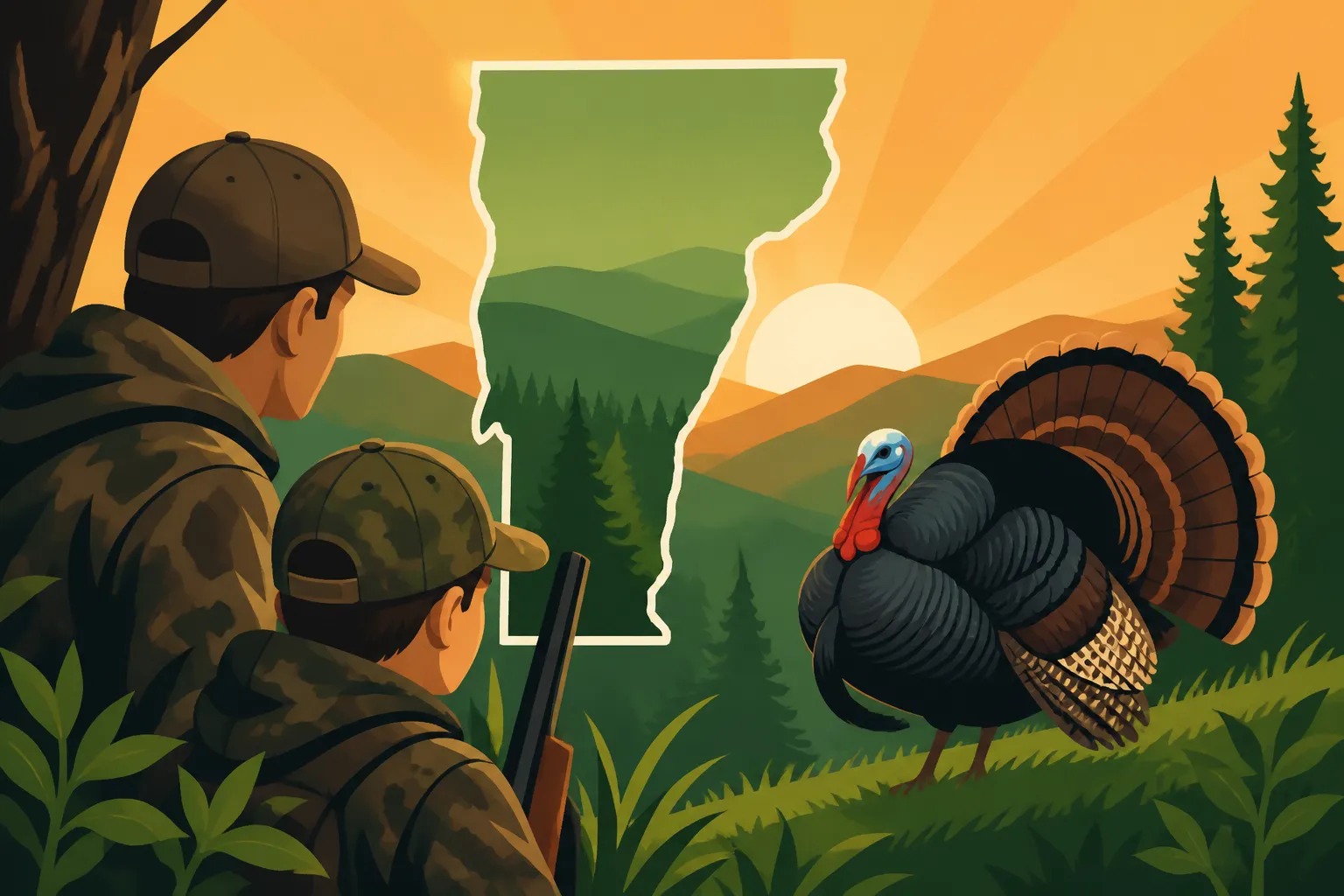
Vermont’s Youth and Novice Turkey Weekend is truly a gift to the hunting community, specifically crafted to provide a less pressured, more focused environment for new hunters. It’s a dedicated period, typically falling just before the general spring turkey season opens, where only eligible youth and novice hunters, accompanied by a mentor, are allowed to pursue wild turkeys. This initiative by the Vermont Fish and Wildlife Department aims to foster a love for hunting, teach ethical practices, and ensure the continuation of our hunting heritage by removing some of the competitive pressures of the regular season.
Who Qualifies for This Special Opportunity
The "Youth" part of the weekend is straightforward: it's for hunters aged 15 and under. However, the "Novice" designation is crucial and often misunderstood. A novice hunter in Vermont is someone who is 16 years of age or older, but who has not yet successfully completed a hunter education course. This means an adult who is just getting started in hunting can also participate, as long as they meet the criteria and are accompanied by an experienced mentor. Both youth and novice hunters must possess the appropriate Vermont hunting licenses and turkey permits, and they must be accompanied by a properly licensed and qualified mentor.
The mentor's role is absolutely vital here. They must be 18 years of age or older, a licensed hunter, and have completed a hunter education course themselves. Crucially, the mentor cannot carry a firearm or bow, nor can they attempt to harvest a turkey during this special weekend. Their sole responsibility is to guide, teach, and supervise the youth or novice hunter, ensuring safety and compliance with all regulations. This dedicated mentorship ensures a rich learning experience, focusing on everything from firearm safety to calling techniques and ethical shot placement. For more specifics on these guidelines, you can always refer to the official Vermont Youth and Novice Weekend Rules on the Fish and Wildlife website.
Key Dates and Regulations for the Weekend
The specific dates for Vermont’s Youth and Novice Turkey Weekend are established annually by the Vermont Fish and Wildlife Department, but they consistently occur during the last weekend in April, providing a fantastic head start on the broader spring season. This timing is strategic, often coinciding with peak gobbling activity before the birds become more pressured. It's always a good idea to double-check the current year's dates on the official Vermont Fish and Wildlife website, but generally, you can plan for this special window.
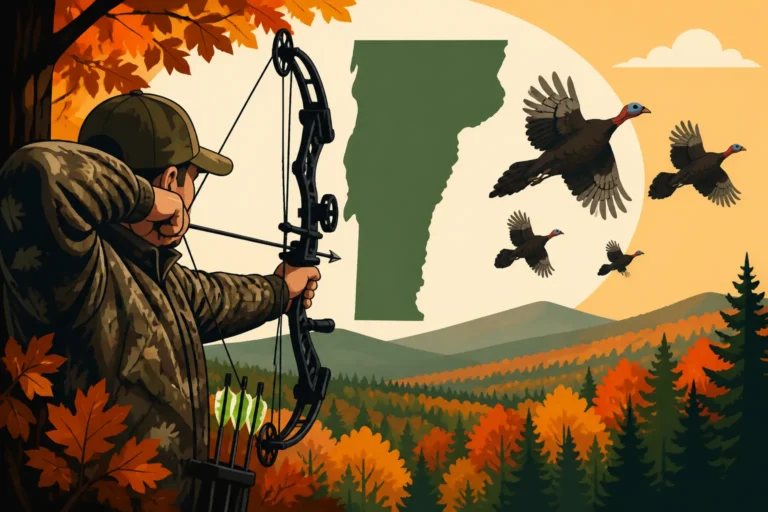
During this two-day period, the legal hunting hours typically run from one-half hour before sunrise until 12:00 PM (noon) each day. This mid-day closure is common for spring turkey hunting in Vermont, helping to reduce pressure on the birds and allow them to return to their normal routines later in the day. The bag limit for this weekend is one bearded turkey. While hunters may be able to tag a second bird during the regular spring season as a resident, this weekend is strictly a one-bird limit for youth and novice participants. Legal weapons include shotguns (20 gauge or larger, using shot sizes 2 through 7.5) or archery equipment (bows with a draw weight of 40 pounds or more, or crossbows). Remember, strict adherence to these regulations is paramount, and mentors play a key role in ensuring their student understands and follows every rule. You can find the precise dates and any other specific regulations for the current year by looking up Vermont Youth and Novice Weekend Dates.
Essential Preparations for a Successful Hunt
A successful hunt, especially for new hunters, isn't just about bagging a bird; it's about the entire experience—the planning, the anticipation, the learning, and the time spent outdoors. Proper preparation removes unnecessary stress and allows everyone to focus on the joy of the pursuit. This means taking care of the paperwork, knowing where you're going, and having the right gear.
Licensing and Permits: Getting Everything in Order
Before anyone steps foot into the Vermont woods for the Youth and Novice Turkey Weekend, the proper licenses and permits must be secured. For the youth hunter (under 16), they will need a Youth Hunting License and a Spring Turkey Permit. For the novice hunter (16+ and not hunter-ed certified), they'll need an Apprentice Hunter License and a Spring Turkey Permit. The mentor, as mentioned, must have their own valid hunting license and have completed hunter education, but they do not need a turkey permit for this specific weekend as they are not allowed to hunt. It’s also wise to check if a Vermont Migratory Bird Certification is required, although typically this is for waterfowl and not spring turkey.
Purchasing these can be done easily online through the Vermont Fish and Wildlife Department's portal, or at various license agents across the state. I always recommend getting these well in advance to avoid any last-minute rushes or technical glitches. Think of it like a checklist before a big trip – you wouldn’t want to realize you forgot your passport at the airport! Many hunters find it helpful to use digital tools like those found on GoHunt to keep track of deadlines and license requirements, ensuring everything is squared away. For residents, understanding your options, such as the Vermont Resident License Options, is key to a smooth process.
Scouting and Location Selection: Finding Those Turkeys
Scouting is, without a doubt, one of the most critical steps to a successful turkey hunt. You can have the best caller and the fanciest shotgun, but if you're not where the birds are, it's all for naught. For the Youth and Novice Turkey Weekend, pre-season scouting is even more important because it helps minimize the time spent wandering aimlessly, which can quickly lead to boredom for a new hunter. Start by identifying potential public lands, such as Wildlife Management Areas (WMAs) or sections of the Green Mountain National Forest. These areas are specifically managed for wildlife and usually offer good access.
What are you looking for during scouting? Turkey sign! Roosting areas (large trees with droppings underneath), strut zones (open areas with tracks and wing drags), feeding areas (fields, orchards, areas with acorns or other mast crops), and travel corridors between these locations. Listen for gobbling at dawn in the weeks leading up to the season. Modern mapping applications, like GoHunt or onX Hunt, are invaluable for this. You can mark potential roosts, travel routes, and setup locations from the comfort of your home, then verify them in the field. Don’t forget to consider access points, parking, and potential hunting pressure. Remember, a major part of Scouting Vermont Public Land Before Season is not just finding birds, but finding accessible birds that are less likely to be disturbed. If considering private land, always secure permission well in advance; a polite knock on a farmhouse door can open up some fantastic opportunities.
Gear Up: What to Bring for Comfort and Success
Hunting, especially in Vermont’s often unpredictable spring weather, requires thoughtful gear selection. For a youth or novice hunter, comfort is king. An uncomfortable hunter is a miserable hunter, regardless of the action. Start with layering for clothes. Vermont springs can go from chilly mornings to surprisingly warm afternoons, or drench you with a sudden rain shower. A good base layer, a fleece mid-layer, and a waterproof, breathable outer layer are essential. Don't forget comfortable, waterproof boots that are broken in. You might be sitting for a while, so a portable seat or cushion is a game-changer. Learning about Layering for Vermont's Long Hunting Season will serve you well.
Beyond clothing, a 12- or 20-gauge shotgun (properly fitted to the hunter) or a suitable bow, along with appropriate ammunition or arrows, is obvious. But think about the extras: a good set of turkey calls (box, slate, diaphragm – practice beforehand!), a decoy or two to draw birds in, and a backpack with snacks, water, and a small first-aid kit. Blaze orange isn't required while actively hunting turkey during daylight, but it's highly recommended for walking in and out of the woods, especially if sharing public land. A headlamp for pre-dawn walks is also crucial. Remember, the goal is to make the experience as enjoyable and safe as possible, and having the right gear plays a huge role in that.
Strategies for Hunting During the Youth and Novice Weekend
Turkey hunting is often described as a chess match, and for a new hunter, understanding these strategies can be the most exciting part of the learning process. It’s about more than just pulling a trigger; it’s about reading the landscape, understanding bird behavior, and communicating effectively with your mentor.
Morning Roost Setups and Calling Tactics
Many spring turkey hunts begin in the pre-dawn darkness, with hunters positioning themselves within earshot of a known roost. This is where your scouting pays off. Approach stealthily, using the cover of darkness and natural terrain features. For youth and novice hunters, setting up a ground blind can provide excellent concealment, allows for more movement, and generally creates a more comfortable experience. Alternatively, using large trees for back cover, like a venerable sugar maple, offers good concealment and safety. If you're interested in specific positioning, learning about Setting Up Against a Big Sugar Maple can provide valuable insights.
Once set, the calling game begins. Your first calls should be soft tree yelps as light begins to break, mimicking a hen waking on the roost. As birds fly down, a fly-down cackle can be very effective. Then, transition into clucks and purrs, mixing in some yelps. The key is to gauge the bird's response. Is the gobbler coming in hot? Calling less might be better. Is he hanging up? Try different calls or increase urgency. Decoys can be incredibly effective during these morning setups. A jake and a hen decoy strategically placed within shooting range (15-20 yards) can often seal the deal, drawing in curious gobblers. Understanding Decoy Placement for Pressured Spring Birds can be the difference between a close encounter and a bird that hangs up just out of range.
Mid-Day Tactics and Locating Reluctant Birds
Not every turkey hunt ends with a bird strutting into your setup within the first hour. In fact, many don’t. When the initial morning gobbling activity fades, it’s time to switch gears. Mid-day hunting often involves more movement, or "run-and-gun" tactics. This means slowly walking through likely turkey habitat, stopping every 100-200 yards to make a series of calls – perhaps a loud cut and yelp sequence – and then listening intently for a response. Focus on areas turkeys might use after the morning breeding frenzy subsides: open fields where they might feed, wooded creek bottoms, or benches along ridges.
It's crucial to understand that turkeys often "go quiet" after the initial flurry of morning activity. They might still be around, but less vocal. This is where patience and observation become key. Look for fresh tracks, droppings, and dusting bowls. If you get a distant gobble, try to get closer without spooking the bird, then set up and call again. Remember, the goal is to elicit a response and then work your way into position. If you're wondering why the woods can suddenly fall silent, a deeper dive into When Vermont Gobblers Go Quiet in Late May might provide more context. This part of the hunt is a fantastic learning opportunity for new hunters about persistence and reading subtle signs.
Safety First: Prioritizing a Positive Experience
Above all else, the Youth and Novice Turkey Weekend is about safety and education. This is not just a regulatory requirement but a moral imperative for every mentor. Before heading into the field, review all firearm or bow safety rules with your hunter. Emphasize target identification: always be 100% certain of your target and what is beyond it. Turkeys are masters of camouflage, and movement can be misinterpreted. Stress the importance of knowing your zone of fire, especially if hunting with others.
The mentor's unwavering vigilance is non-negotiable. They must maintain constant supervision, guiding every decision, from when to raise the gun to when to call. If the new hunter gets discouraged, remind them that just being out in the woods, observing wildlife, and learning the ropes is a success in itself. The harvest is a bonus, not the sole measure of a good hunt. This weekend should instill a lifelong passion for hunting, and that starts with positive, safe, and memorable experiences. Revisiting foundational knowledge like Vermont Hunter Education Requirements can ensure you're both on the same page regarding best practices.
Post-Harvest: Reporting and Beyond
The moment a youth or novice hunter successfully harvests a turkey is truly unforgettable, a blend of excitement, pride, and perhaps a touch of awe. But the hunt doesn’t end there. There are important responsibilities after the shot, and these are crucial lessons for any new hunter.
The Importance of Reporting Your Harvest
Vermont, like most states, requires all harvested game to be reported. This isn't just bureaucratic red tape; it's a vital part of wildlife management. The data collected from hunter reports helps the Vermont Fish and Wildlife Department monitor turkey populations, assess harvest rates, and make informed decisions about future seasons and bag limits. It directly impacts the health and sustainability of the turkey resource for generations to come.
For spring turkeys, you must report your harvest within 48 hours of taking the bird. The easiest way to do this is online through the Vermont Fish and Wildlife Department's website or via their official mobile app. You'll need information like your license number, the date and time of harvest, the Wildlife Management Unit (WMU) where the bird was taken, and whether it was a male or female, along with its beard and spur length. Teaching a new hunter this responsibility instills a sense of accountability and connection to conservation efforts. If you need a refresher on the process, Vermont Turkey Checking Requirements will have the most up-to-date information.
Field Care and Making Memories
After the harvest is reported, attention turns to field care. In Vermont’s spring temperatures, it’s important to cool the bird down quickly. Field dressing a turkey, which involves removing the entrails, is a good first step to prevent spoilage and reduce weight for the carry out. This is another excellent teaching moment about respect for the animal and proper food handling. Show your new hunter how to do it efficiently and cleanly.
But perhaps most importantly, celebrate the moment! Take plenty of photos. Talk about the experience – the calls, the approach, the setup, the wait. This is a memory that will last a lifetime, far beyond the specifics of the hunt itself. Whether you’re planning to roast the bird whole, or turn it into delicious cutlets, the process of preparing wild game for the table is the ultimate culmination of the hunt. Finding new ways to enjoy the bounty, such as learning how to prepare Cooking a Wild Turkey Breast, completes the cycle and further connects the hunter to their food. This entire journey, from preparation to plate, reinforces the value of hunting as a sustainable, tradition-rich activity that builds character and provides delicious, wild-harvested food.
Vermont Youth and Novice Turkey Weekend Summary
| Aspect | Details |
|---|---|
| Eligibility | Youth Hunters: 15 years old and under, must have a Youth Hunting License and Spring Turkey Permit. |
| Novice Hunters: 16 years or older, not yet completed Hunter Education, must have an Apprentice Hunter License and Spring Turkey Permit. | |
| Mentor Role | Required for all youth and novice hunters. Must be 18+, hunter-ed certified, licensed hunter. Cannot carry a firearm/bow or attempt to harvest. Solely guides and supervises. |
| Season Dates | Annually in the last weekend of April (verify current year's exact dates with VT Fish & Wildlife). |
| Hunting Hours | One-half hour before sunrise until 12:00 PM (noon) daily. |
| Bag Limit | One (1) bearded turkey. |
| Legal Weapons | Shotguns (20 gauge or larger, shot sizes 2-7.5) or Archery equipment (bows 40lb+ draw, crossbows). |
| Reporting | Mandatory within 48 hours of harvest. Can be done online via VT Fish & Wildlife website or mobile app. Data is crucial for wildlife management. |
| Focus | Safety, education, ethical hunting practices, positive outdoor experience for new hunters, and fostering a connection to conservation. |
Disclaimer
The information provided in this guide is for general informational purposes only and is not intended as legal advice. Hunting regulations, seasons, and licensing requirements can change. Always consult the official Vermont Fish and Wildlife Department regulations and current year guides before participating in any hunting activity. It is the responsibility of each hunter to know and abide by all applicable laws and regulations.