Vermont Resident Base License Cost
Hunting in Vermont, especially when you're just starting or coming back after a break, can feel like navigating a maze of regulations and costs. One of the first and most fundamental questions every resident hunter faces is, "What's the deal with the base license, and how much does it actually cost?" This guide is here to cut through the confusion, lay out the current costs for Vermont residents, and explain why understanding these initial fees is crucial for a successful and legal hunting season.
Understanding the Foundation: What is the Vermont Resident Base Hunting License?
Let's be real, diving into hunting regulations can sometimes feel like trying to read a legal document in a foreign language. But understanding your license is the absolute first step. The Vermont Resident Base Hunting License isn't just a piece of paper; it's your fundamental permission slip from the state to participate in hunting activities as a resident. Think of it as the bedrock upon which all your other hunting aspirations in Vermont are built. Without this base license, you can't even consider purchasing the specific permits for deer, bear, or turkey.
The Essential Gateway to Vermont's Outdoors
For many of us who grew up with hunting woven into the fabric of our lives here in the Green Mountain State, getting that first license felt like a rite of passage. For newcomers, it’s the entry ticket. This base license confirms your residency status, ensures you meet the minimum age requirements, and, crucially, that you’ve completed your hunter education certification. The Vermont Fish and Wildlife Department uses this base license system to manage wildlife populations, fund conservation efforts, and ensure that hunters operating within the state are properly identified and educated. It’s not just a fee; it's an investment in the health of Vermont's wild places and the future of our hunting traditions.
It's also important to remember that this isn't a "one-and-done" deal for all game. The base license gets your foot in the door, allowing you to pursue certain small game species without further tags. But for the big stuff — the deer, the bear, the turkey — you'll need additional stamps or permits layered on top of this foundational license. It can be a little daunting to figure out precisely what you need, especially with various season structures and species-specific rules. Consulting resources like the GoHunt platform or the official Vermont Fish and Wildlife website can really help clarify what you'll need for your specific hunting pursuits.
Why the "Base" License is Just the Beginning
This is where many new hunters, or even those returning after a long hiatus, can get tripped up. The "base" in Vermont Resident Base Hunting License is a critical qualifier. It means it's the bare minimum, the starting point. It grants you the privilege to hunt small game like squirrels, rabbits, or even coyotes during their respective seasons. But if your heart is set on tagging a whitetail buck in November, calling in a spring gobbler, or filling your tag on a black bear, you’ll quickly realize that additional permits are required.
For instance, after securing your base hunting license, you'll need to purchase a separate archery deer permit, a rifle deer permit, or a muzzleloader deer permit, depending on how you plan to hunt. The same goes for bear and turkey, which often require their own specific stamps or permits. This layered approach allows the state to manage harvest quotas for different species more precisely, which is essential for maintaining healthy game populations across different Wildlife Management Units (WMUs). So, while the base license is your entry point, consider it less of a full meal ticket and more like the appetizer – you’ll need to order more to get to the main course.
Breaking Down the Numbers: Current Costs for Vermont Residents
Alright, let's get down to brass tacks: what does this essential piece of plastic actually cost a Vermont resident? Prices can shift over time, so it's always wise to double-check the Vermont Fish and Wildlife Department's official website or a trusted source like GoHunt before you buy.
The Current Resident Base License Fee
As of the most recent available information, a Vermont Resident Base Hunting License typically costs $28.00. Now, this is just for the adult resident hunting license. There are, of course, other categories:
- Junior Hunting License: For residents aged 16-17, the fee is a very reasonable $5.00, encouraging younger generations to get involved.
- Youth Hunting License: This is specifically for those aged 15 and under, and it's free. This is a fantastic initiative to foster hunting as a family activity and introduce kids to the outdoors early on, often through programs like the Vermont Youth and Novice Weekend.
- Senior Hunting License: Residents aged 65 and older can often get a discounted rate.
This $28.00 is a relatively small investment for the access it grants, especially when you consider the quality of hunting opportunities here in Vermont. It's a fee that goes directly back into wildlife management, habitat restoration, and enforcement, so your dollars are contributing to the very resources you're enjoying.
Additional Permits and Stamps You'll Likely Need
As we touched on earlier, the base hunting license is just the starting gun. To hunt most big game or migratory birds, you'll need more. Here's a quick rundown of some common additions and their typical costs for residents:
- Archery Deer Permit: Around $20.00. This is essential if you plan on participating in Vermont's Expanded Archery Season or the regular archery season.
- Rifle Deer Permit: Also around $20.00. Crucial for Vermont's November Rifle Season.
- Muzzleloader Deer Permit: Roughly $20.00. This covers both the October antlerless window and the Vermont's December Muzzleloader Season.
- Bear Permit: Around $20.00. Necessary for Bear Hunting Vermont's Long September-to-November Season.
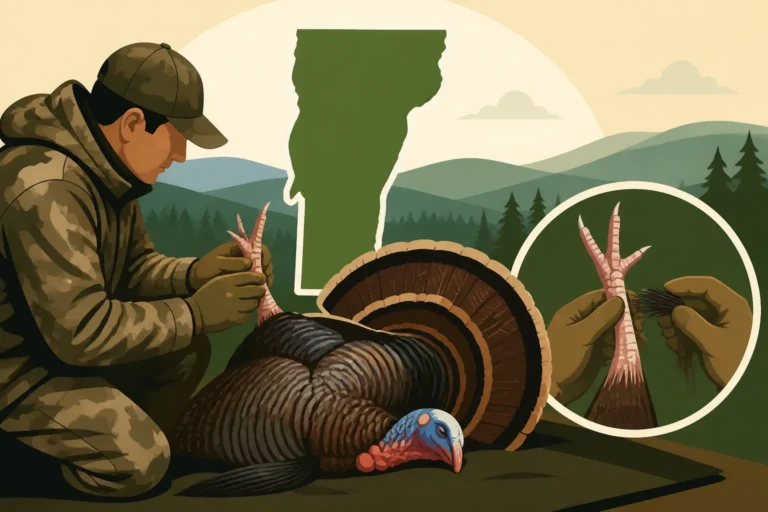
- Turkey Permit: Around $10.00 for residents. You'll need this for either Spring Turkey Hunting in Vermont or Fall Turkey Hunting Vermont's Statewide Archery Window. Remember, residents get a fantastic Vermont's Resident-Only Two-Bird Turkey Limit in the spring!
- Vermont Migratory Waterfowl Tag: A specific permit (around $7.50) required for hunting ducks and geese, in addition to the federal duck stamp. This is vital if you're planning on Waterfowl Hunting Vermont's Three Zones.
- Federal Duck Stamp: This isn't a state permit but is federally mandated for waterfowl hunting and typically costs $25.00.
It’s easy to see how these costs can add up, but each one serves a specific purpose in funding the management of these particular species. It's a small price to pay for the privilege and responsibility of hunting in a state like Vermont, which boasts incredible natural beauty and abundant wildlife. Make sure you check the exact dates and costs each year, as they can sometimes change, especially regarding different seasons and zones.
Here's a simplified table comparing common Vermont Resident hunting licenses and permits:
| License/Permit Type | Approximate Resident Cost | Purpose |
|---|---|---|
| Base Hunting License (Adult) | $28.00 | Required for all hunting; allows small game hunting. |
| Junior Hunting License (16-17) | $5.00 | Base license for junior resident hunters. |
| Youth Hunting License (<=15) | Free | Base license for youth resident hunters. |
| Archery Deer Permit | $20.00 | Required to hunt deer with a bow during archery seasons. |
| Rifle Deer Permit | $20.00 | Required to hunt deer with a rifle during rifle season. |
| Muzzleloader Deer Permit | $20.00 | Required to hunt deer with a muzzleloader during muzzleloader seasons. |
| Bear Permit | $20.00 | Required to hunt black bear. |
| Turkey Permit | $10.00 | Required to hunt wild turkey (spring and fall). |
| VT Migratory Waterfowl Tag | $7.50 | Required for all migratory bird hunting (ducks, geese, etc.). |
| Federal Duck Stamp | $25.00 | Federal requirement for waterfowl hunting (in addition to state tag). |
Note: Prices are approximate and subject to change. Always verify current fees with the Vermont Fish and Wildlife Department.
Exploring Your Options: Beyond the Base License
While the base hunting license is non-negotiable for most resident hunters, Vermont does offer a few other options that can simplify your life or even save you a few bucks if you plan to hunt multiple species or commit to hunting for several years. It's all about finding what fits your personal hunting style and budget best.
Combination Licenses: Convenience and Savings
For many dedicated Vermont hunters, purchasing individual licenses and permits each year can become a bit of a routine chore, not to mention a higher cumulative cost. That's where combination licenses come in handy. These licenses bundle your basic hunting privilege with other popular permits, often at a slightly reduced overall price compared to buying each component separately.
For example, a common offering is a "Combination Hunting and Fishing License." This is a fantastic deal for those who enjoy both pursuits, allowing you to seamlessly transition from deer hunting to casting a line in Lake Champlain. Another popular option for deer hunters might combine the base hunting license with specific deer permits (archery, rifle, or muzzleloader) into one package. While the exact combinations and pricing can vary, the principle remains: convenience and often a little bit of savings. It streamlines your purchasing process, meaning less paperwork and more time scouting that perfect stand location or practicing your calling techniques. When you're planning your season, consider if a combination license makes more sense for your specific activities. Using a tool like GoHunt to track season dates and license requirements can help you decide which combination is right for you. You can find more details on these packages in guides like Vermont Resident License Options.
Long-Term Value: The Five-Year Resident License
For those of us who know we're in this for the long haul, Vermont offers an intriguing option: the five-year resident license. This is a commitment, for sure, but it comes with some significant benefits. Instead of renewing your base hunting license every single year, you can purchase a license that's valid for five consecutive years.
The most obvious advantage is financial stability. You lock in the price for five years, protecting yourself from potential annual price increases. While the upfront cost is higher than a single year's license, over the long term, it almost always works out to be a better value. Beyond the money, there's the sheer convenience. Imagine not having to worry about renewing your base license annually – one less thing to remember when you're busy with work, family, and prepping for opening day. It ensures you're always legal and ready to purchase those species-specific permits whenever you need them throughout those five years. This is especially useful if you're a consistent hunter who participates in multiple seasons, from the early expanded archery right through Hunting Into the December Muzzleloader Close. It truly takes the hassle out of annual renewals, letting you focus on the hunt itself.
Navigating the Purchase Process: Getting Your Vermont License
So, you've done your research, decided which licenses and permits you need, and you're ready to make the purchase. The good news is that Vermont has made the process relatively straightforward, offering several avenues to acquire your licenses. No more needing to drive miles out of your way just to get a piece of paper!
Online, Phone, or In-Person: Your Buying Choices
The Vermont Fish and Wildlife Department understands that hunters live busy lives, so they provide flexibility in how you can get licensed:
- Online Portal: This is, without a doubt, the most popular and convenient method for many. Vermont offers a robust online licensing portal where you can purchase your base license, various permits, and even migratory bird stamps from the comfort of your home, 24/7. It's user-friendly, secure, and allows you to print your licenses instantly or save them to your mobile device. This is often the quickest way to get squared away before a hunt. If you've got an upcoming trip, say for Hunting the Rut in Early-to-Mid November, getting your licenses online well in advance is a smart move. You can learn more about this process through articles like Buying a License Through Vermont's Online Portal.
- By Phone: If you prefer to talk to a real person, you can usually call the Vermont Fish and Wildlife Department's licensing division during business hours. They can guide you through the options and process your purchase over the phone. This can be helpful if you have specific questions or prefer human interaction.
- In-Person (Authorized Agents): For those who like the traditional approach, you can still visit an authorized license agent. These agents are typically found in sporting goods stores, bait shops, and some general stores across the state. They're often fellow outdoors enthusiasts who can offer local advice along with your licenses. It's a great way to support local businesses and get a feel for the local hunting scene.
No matter which method you choose, make sure you have all your necessary information handy, including your Vermont driver's license number (for residency verification) and, if applicable, your hunter education certification details.
Ensuring You Have Proof of License When in the Field
This might seem obvious, but it's critically important: you must have proof of your valid licenses and permits with you at all times while hunting. Game wardens conduct checks, and being caught without your paperwork can lead to fines and a ruined day afield.
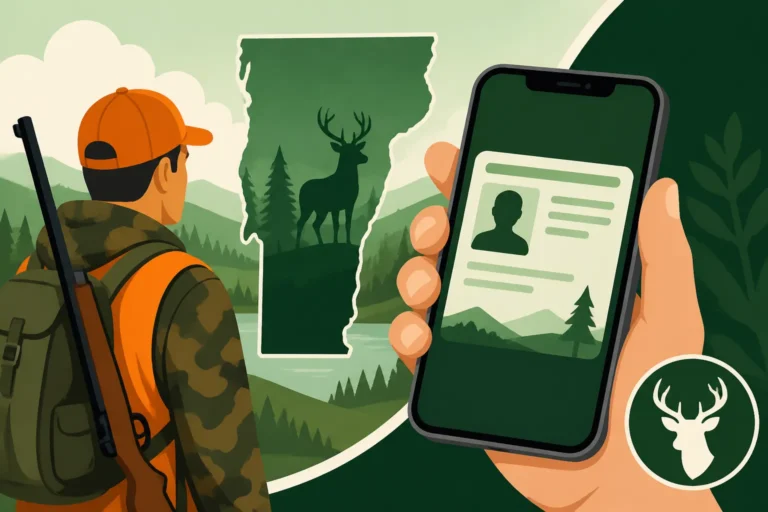
While carrying physical copies of your paper licenses is always a safe bet, Vermont also allows for electronic proof of license. This means you can often have your licenses saved as a PDF or accessible through an official app on your smartphone. However, be mindful of battery life and cell service, especially if you're venturing into remote areas like the Green Mountain National Forest or the Northeast Kingdom, where signal can be spotty at best.
Many hunters will print a physical copy and also keep an electronic version on their phone as a backup. It's a small step that can save a lot of headaches. Always ensure that the information on your license is current and accurate. Double-checking your permits before heading out the door, especially when you're geared up for an early start on a cold morning, is a habit every responsible hunter should cultivate. Remember, having your permits readily available isn't just a legal requirement; it's part of being a prepared and respectful hunter in Vermont. You can find more tips on this in Carrying Proof of License on Your Phone.
Disclaimer
Please note that hunting regulations, license costs, and season dates in Vermont can change. While every effort has been made to provide accurate and up-to-date information, it is the hunter's responsibility to consult the official Vermont Fish and Wildlife Department website or their official regulations guide for the most current and authoritative information before engaging in any hunting activities.