Vermont Captive Cervid Oversight
The world of hunting is constantly evolving, and one topic that often raises eyebrows and sparks debate, especially among those of us who cherish Vermont's incredible wild spaces, is the presence of captive cervids. It’s a complex issue, often misunderstood, and many folks worry about the implications for our healthy wild deer and moose populations. This guide is here to untangle the intricacies of Vermont's approach to captive cervid oversight, explaining the regulations, the concerns, and what it all means for the future of hunting in the Green Mountain State.
Understanding Captive Cervids and Their Place in Vermont's Landscape
When we talk about "captive cervids," we're generally referring to deer, elk, and other members of the deer family that are raised in enclosures, often on private property, rather than living freely in the wild. This isn't just an abstract concept; it has real implications for our wild herds and the hunting experiences we value. It's totally understandable to feel a bit uneasy about this, especially when you think about the potential for diseases to spread.
What Exactly Are Captive Cervids?
In Vermont, captive cervids primarily include white-tailed deer and elk, though technically, the definition can extend to other species. These animals are typically raised for various reasons: sometimes for venison production, antler growing operations, or even as pets or exotic livestock. Unlike domestic animals like cattle or sheep, cervids are wild animals by nature, which presents unique challenges when they are kept in a confined, managed setting. They retain many of their wild instincts and characteristics, but their environment is entirely controlled by humans. This dichotomy is at the heart of much of the debate surrounding them.
Why Captive Cervids Raise Concerns for Wild Populations
The biggest, most pressing concern for many hunters and wildlife managers regarding captive cervids is the potential for disease transmission to wild deer and moose. Let's be honest, nobody wants to see our robust, CWD-free herd compromised. Diseases like Chronic Wasting Disease (CWD), tuberculosis, and brucellosis, while not currently found in Vermont's wild cervid populations, are always on the radar. A facility with captive cervids, if not managed with stringent biosecurity, could theoretically act as a bridge for pathogens to cross from captive animals to their wild counterparts, whether through direct contact across fences, shared water sources, or even through contaminated soil and feed. This risk is precisely why states like Vermont have implemented strict rules, and why organizations dedicated to hunter education, like those supported by platforms like GoHunt, often highlight the importance of understanding these regulations.
Beyond disease, there's also the concern about genetic integrity. While less common, the escape of captive cervids could introduce non-native genetics into local wild populations, potentially weakening the hardiness or adaptability of our native deer to Vermont's unique environment. This isn't just about preserving a "pure" genetic line; it's about ensuring the long-term health and resilience of the wild herd against environmental changes, harsh winters, and predation.
Vermont's Regulatory Framework for Captive Cervids
Given these significant concerns, Vermont has established a robust framework to regulate captive cervid operations. It's not a free-for-all; rather, it’s a system designed to mitigate risks and protect the state's invaluable wild resources. This involves multiple agencies working in concert, from agricultural departments to fish and wildlife. Understanding these regulations is key for anyone involved with or concerned about captive cervids.
Licensing and Permitting Requirements
In Vermont, owning and raising captive cervids is not something you can just decide to do overnight. It requires specific licenses and permits, primarily overseen by the Vermont Agency of Agriculture, Food & Markets (VAAFM). These permits are designed to ensure that operators meet certain standards for animal care, enclosure security, and disease prevention. The application process typically involves submitting detailed plans for the facility, including fence designs, animal health protocols, and emergency procedures. This isn't just bureaucratic red tape; it's a critical first line of defense to ensure that any captive cervid operation starts with a commitment to responsible management. For instance, new operators would need to demonstrate how they intend to prevent escapes or commingling with wild deer.
Moreover, these permits are usually not one-time affairs. They often require annual renewals, allowing state agencies to regularly review operations and ensure ongoing compliance with evolving standards and regulations. This continuous oversight helps maintain accountability and allows for adjustments as new information about disease management or animal welfare emerges.
Facility Standards and Biosecurity Measures
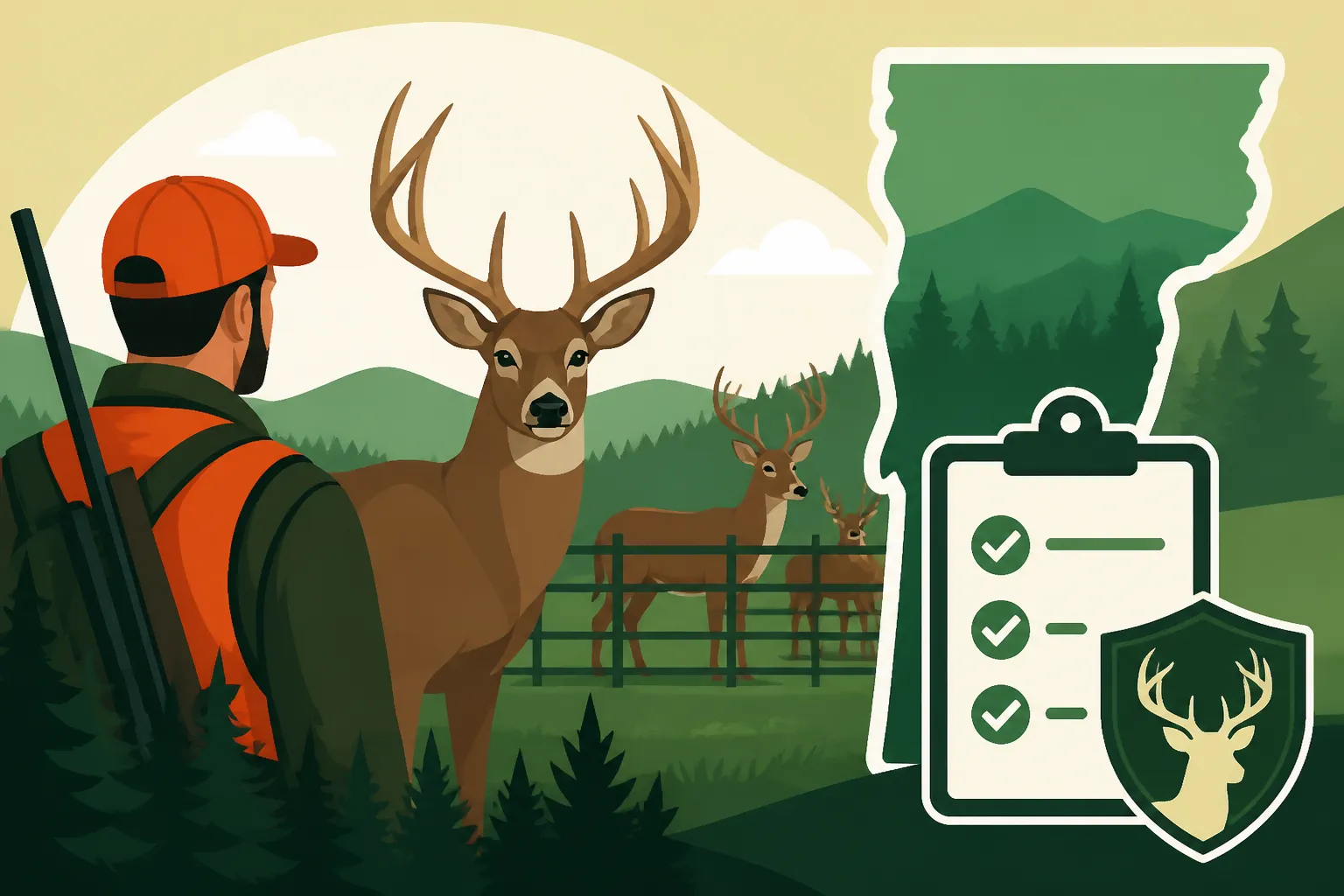
Vermont's regulations also stipulate strict standards for the physical facilities housing captive cervids. Fence height and strength are paramount to prevent escapes and to keep wild deer from entering the enclosures. You can imagine the frustration if a high-dollar captive animal gets out or if wild deer get in and then possibly contract a disease. Double-fencing, for example, is often a requirement, creating a buffer zone that further reduces the chance of direct contact between captive and wild cervids. This physical separation is a cornerstone of preventing disease transmission.
Beyond physical barriers, biosecurity measures are critical. This includes protocols for inspecting new animals for disease, managing feed and water sources to prevent contamination, and controlling access to the facility by outside visitors or vehicles that could inadvertently introduce pathogens. Regular veterinary inspections and health monitoring programs are also usually mandated, providing ongoing surveillance for any signs of illness within the captive herd. These rigorous standards are in place to ensure that Vermont's Vermont's CWD-Free Deer Herd remains exactly that.
Here's a quick look at some key aspects of captive cervid oversight:
| Aspect | Description | Primary Agency Involved | Importance |
|---|---|---|---|
| Licensing/Permitting | Required for all captive cervid operations, outlining scope and responsibilities. | VAAFM | Establishes legal basis for operation, ensures initial compliance. |
| Facility Security | Mandates high, sturdy, often double-fencing to prevent escape/commingling. | VAAFM, VT Fish & Wildlife Dept. | Critical for physical separation, preventing genetic mixing and disease spread. |
| Disease Testing | Regular testing for CWD, TB, brucellosis in captive animals (especially during transport/death). | VAAFM, VT Fish & Wildlife Dept., USDA | Early detection and containment of diseases. |
| Movement Restrictions | Strict rules on importing/exporting captive cervids and carcass parts. | VAAFM, VT Fish & Wildlife Dept. | Prevents introduction of diseases from other states/provinces. |
| Record Keeping | Detailed records of animal health, movements, and facility maintenance. | VAAFM | Essential for tracing origins/spread of disease and ensuring accountability. |
| Carcass Disposal | Regulations for safe and effective disposal of deceased cervids to prevent disease spread. | VAAFM, VT Dept. of Environmental Cons. | Prevents environmental contamination and scavengers from spreading pathogens. |
Disease Prevention and Monitoring: Keeping Vermont's Wild Herd Safe
The specter of Chronic Wasting Disease (CWD) looms large in any discussion about cervids, wild or captive. Vermont has remained CWD-free, a status we all want to protect fiercely. This status is a testament to the proactive measures taken, and the captive cervid oversight plays a significant role in this ongoing effort.
Chronic Wasting Disease Surveillance
Vermont has a comprehensive CWD surveillance program for both wild and captive cervids. For captive operations, this means mandatory testing. Any cervid that dies within a facility, regardless of the cause, typically must be tested for CWD. This rigorous testing regime acts as an early warning system, allowing authorities to detect the disease promptly if it ever appears in a captive herd. If a positive case were to be found, swift action could then be taken to contain and eradicate it, preventing its spread to the wild. This diligent monitoring is a cornerstone of Vermont's CWD Prevention Rules.
This isn't just about CWD. Vermont Deer and Moose Disease Monitoring extends to other potential threats as well, ensuring a holistic approach to wildlife health. It’s a proactive stance that helps maintain the overall health of our native populations. For hunters who travel, it's also why Vermont has rules about Moving a Deer Carcass Into Vermont from other states, further solidifying our defensive perimeter against diseases.
The Ban on Urine-Based Lures
Another critical component of Vermont's CWD prevention strategy, directly related to potential disease pathways, is the ban on natural urine-based deer lures. While not exclusively about captive cervids, this rule acknowledges that CWD prions can be present in urine and other bodily fluids. Many commercial deer lures are made from the urine of captive deer, and even if those deer are supposedly CWD-free, the risk of contamination cannot be entirely eliminated.
By prohibiting these lures, Vermont is further closing potential avenues for the introduction or spread of CWD into its wild deer population. It's an example of how the state takes a cautious approach, prioritizing the health of the wild herd above all else. This regulation is a topic of frequent discussion among hunters, but its intent is clear: to safeguard our deer. You can learn more about Vermont's Rule Against Urine-Based Deer Lures to understand the specifics.
Challenges and the Future of Captive Cervid Oversight
The oversight of captive cervids in Vermont isn't without its challenges, both for regulators and for the operators themselves. It's a dynamic field where scientific understanding, economic realities, and public sentiment constantly intersect.
Balancing Agriculture and Conservation Interests
One of the primary challenges is finding the right balance between supporting agricultural endeavors that might involve cervid farming and protecting the conservation interests of the state's wild populations. Farmers and landowners who raise captive cervids often see them as a legitimate form of agriculture, contributing to the rural economy. They invest significant resources into their operations and follow the established rules. On the other hand, wildlife advocates and hunters are fiercely protective of the wild herd and view any potential risk as too high. This tension requires careful navigation by state agencies, ensuring that regulations are fair, scientifically sound, and protective of public resources. It's a constant dialogue that evolves with new information and experiences.
Furthermore, enforcement of these regulations can be resource-intensive. Regular inspections, disease testing, and responding to potential incidents like escapes require dedicated staff and funding. It's a continuous commitment to oversight. Platforms like GoHunt can help hunters understand the landscape of these regulations, allowing them to participate in informed discussions and support sound wildlife management.
Evolving Science and Adaptive Management
The science behind diseases like CWD is constantly evolving. What we know about prion transmission, disease progression, and environmental persistence changes over time. This means that Vermont's oversight framework for captive cervids must also be adaptive. Regulations that were sufficient ten years ago might need updating today based on new research. This process of adaptive management requires ongoing collaboration between scientists, state agencies, and stakeholders.
Future challenges may include developing even more sensitive and rapid disease diagnostic tests, improving biosecurity protocols for new or existing operations, and addressing any potential gaps in cross-state cooperation regarding cervid movement. Ultimately, the goal is to create a system that is robust enough to protect our wild deer and moose, ensuring that future generations of Vermonters can continue to enjoy the incredible hunting opportunities that our state offers, from Bowhunting Vermont's Expanded Archery Season to Muzzleloader Deer Hunting in Vermont. The health of our wild herds is paramount.
Disclaimer
This article is for general informational purposes only and does not constitute professional advice. Laws, prices and regulations vary by location and change over time. Consult a qualified professional for guidance on your specific situation.