Vermont Turkey Population Trends
It can feel a little disheartening sometimes, hitting the woods and not hearing those booming gobblers like you used to, or seeing fewer birds scratching in the fields. The wild turkey population in Vermont, like many game species, experiences its fair share of ups and downs, and understanding these shifts can be crucial for a successful season. This guide is going to peel back the layers on these trends, helping you grasp the bigger picture of our feathered friends in the Green Mountain State.
The Remarkable Resurgence of Vermont's Wild Turkeys
If you've been hunting Vermont for a while, you know that wild turkeys haven't always been the relatively common sight they are today. Their story here is one of incredible resilience and dedicated conservation, a true testament to what can be achieved when wildlife management is taken seriously.
A Look Back: From Absence to Abundance
It’s hard to imagine now, but by the mid-1800s, wild turkeys were completely gone from Vermont. Forest clearing for agriculture, coupled with unregulated market hunting, led to their extirpation from the state. For well over a century, the hills and valleys that now echo with gobbling in the spring were silent of this magnificent bird. It’s a sobering reminder of how quickly we can lose what we cherish if we’re not careful.
The real turnaround began in the 1960s and 70s, as forests started to reclaim old farmlands, providing critical habitat once again. The Vermont Fish and Wildlife Department, seeing the potential, began a reintroduction program. This wasn't a simple task; it involved trapping wild turkeys in other states, like New York, and carefully releasing them into suitable habitats here in Vermont. These initial populations were small, fragile, and closely monitored.
These early restoration efforts were painstaking. Imagine the dedication required to trap wild birds in one state and transport them, ensuring their health and survival, before releasing them into a new, yet historically familiar, landscape. It truly laid the groundwork for the robust turkey populations we enjoy today, proving that with strategic intervention and community support, wildlife can indeed make a comeback. You can learn more about this incredible journey in our article on How Turkeys Were Restored to Vermont.
Key Factors Driving Early Success
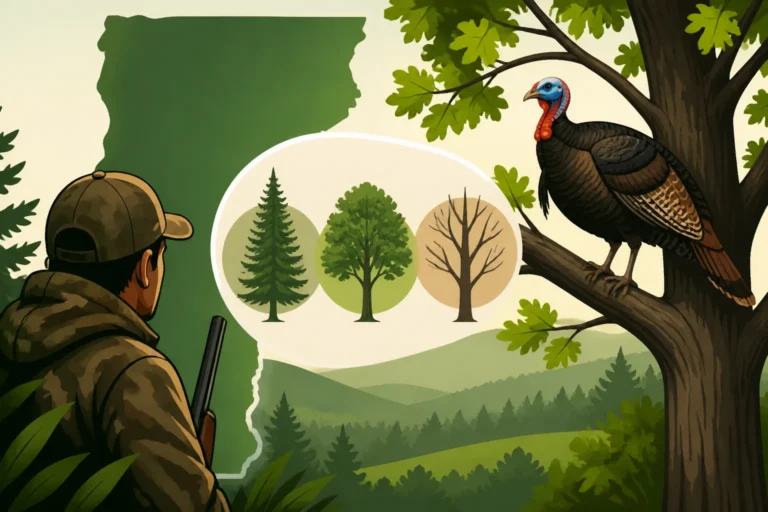
The success of Vermont's turkey restoration wasn't just about dropping birds in the woods; it was a complex interplay of environmental factors and smart management. Improved forest cover was paramount, offering the turkeys the diverse habitat they need for roosting, foraging, and nesting. The patchwork of mature hardwoods, softwoods, and regenerating clear-cuts provided ample mast crops, insects, and protective cover.
Beyond habitat, the careful management of hunting seasons played a huge role. Early seasons were either closed or extremely limited, allowing the new populations to grow and expand their range. This cautious approach, combined with favorable weather patterns during crucial nesting and brooding periods, allowed poult survival rates to climb, leading to rapid population growth. Within a few decades, what was once a ghost species had returned to much of the state.
Another often-overlooked factor was the decline of small farms and the reforestation of much of Vermont. This created vast tracts of contiguous forestland, ideal for turkeys. As their numbers grew, they naturally spread from these initial release sites, establishing new flocks and colonizing new territories across the state, a natural expansion that management efforts were keen to support rather than hinder.
Current Status and Regional Variations in Vermont's Turkey Population
While the overall story of turkeys in Vermont is a success, their presence isn't uniform. Just like deer, moose, or bear, turkey populations fluctuate and vary significantly from one region to another. Understanding these nuances is key to being a consistently successful turkey hunter.
Statewide Population Estimates and Trends
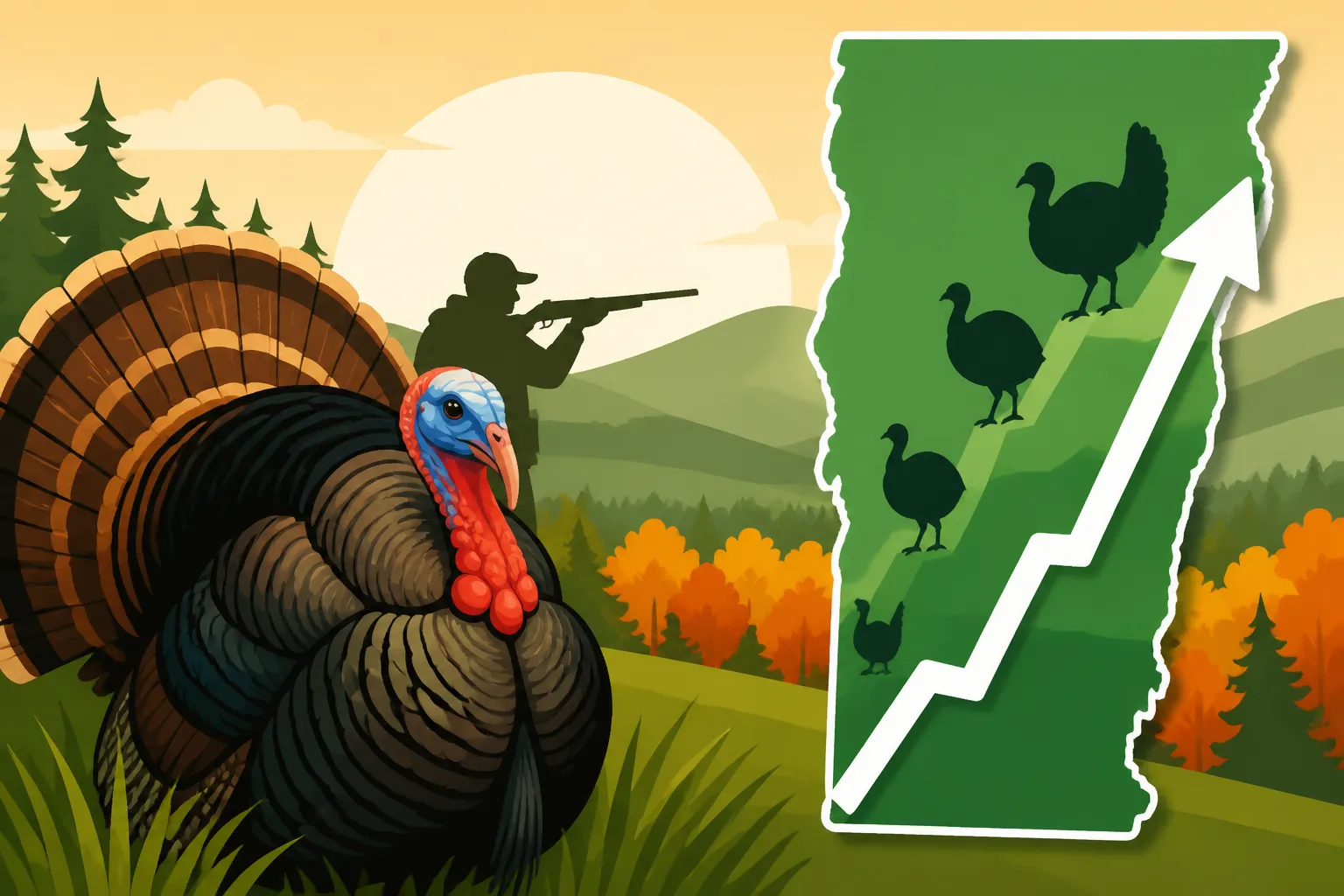
Over the last few decades, Vermont's wild turkey population has seen steady growth, peaking in the early 2010s before experiencing some regional dips. Currently, the Vermont Fish and Wildlife Department estimates the statewide population to be robust, though subject to annual fluctuations based on factors like winter severity, spring weather during nesting, and predator numbers. We've seen periods where numbers were exceptionally high, and then slight corrections as nature balances itself out.
For example, a harsh winter with deep, persistent snow can stress birds, especially if mast crops were poor the previous fall. Similarly, a cold, wet spring can devastate poult survival, leading to a noticeable drop in juvenile birds the following year. The biologists monitor these trends closely through various surveys, including volunteer brood surveys which track hen and poult sightings throughout the summer. This data helps inform season lengths and bag limits, ensuring we maintain a healthy, sustainable population for future generations of hunters. For a more detailed look, you can check out Vermont Turkey Population Estimate.
| Year | Spring Harvest (Gobblers) | Fall Harvest (Any Turkey) | Total Harvest | Population Trend Observation |
|---|---|---|---|---|
| 2020 | 4,200 | 1,450 | 5,650 | Stable, good spring |
| 2021 | 4,050 | 1,300 | 5,350 | Slight dip, possibly due to prior year's conditions |
| 2022 | 4,350 | 1,500 | 5,850 | Rebound, strong poult recruitment |
| 2023 | 4,100 | 1,400 | 5,500 | Stable with minor fluctuations |
| 2024 (projected) | – | – | – | Expected similar to recent years, pending weather |
Note: Harvest numbers are approximate and based on recent Vermont Fish and Wildlife data. Actual numbers may vary slightly.
Understanding WMU-Specific Densities
If you just look at the statewide numbers, you might miss the bigger picture. Turkey densities vary considerably across Vermont's Wildlife Management Units (WMUs). Areas with extensive agricultural lands, especially those interspersed with mature hardwood forests, often hold higher concentrations of birds. These regions offer a prime combination of open feeding areas (fields of corn, soybeans, hay) and protected roosting/nesting cover. Take the Champlain Valley, for instance, with its mix of fertile farmlands and woodlots – it's a known hotspot for strong turkey numbers. You can find excellent information about where birds are most common in our article on Where Vermont Turkeys Are Densest.
Conversely, WMUs dominated by continuous, high-elevation coniferous forests or those with less diverse habitat may support fewer turkeys. While turkeys are adaptable, they thrive in edge habitats and areas with consistent food sources. Factors like human population density and hunting pressure also play a role; some WMUs simply see more hunters, which can influence local bird behavior and apparent density, even if the overall population remains healthy. When you're scouting, tools like GoHunt can be invaluable for analyzing satellite imagery to identify these prime habitat areas, showing you exactly where the food plots, field edges, and mature timber connect.
These regional differences mean that your hunting strategy needs to be adaptive. What works in the agricultural landscape of Addison County might not be as effective in the more rugged, timbered terrain of the Northeast Kingdom. Understanding the specific characteristics of your chosen WMU, including its land use, forest types, and historical turkey harvests, will give you a significant advantage. Our guide on Vermont Turkey Harvest Numbers by WMU provides excellent data to help pinpoint these areas.
Challenges and Factors Influencing Turkey Numbers Today
Even with a successful reintroduction story, wild turkey populations are constantly facing environmental pressures. It’s not a static environment, and understanding these ongoing challenges helps us appreciate the work of wildlife managers and the resilience of the birds themselves.
Predation, Habitat, and Weather Impacts
Predation is a natural and constant pressure on turkey populations, particularly on nests and poults. Common predators like raccoons, skunks, opossums, and even coyotes can have a significant impact on nesting success, especially in fragmented habitats where nests are more exposed. While adult turkeys are formidable, young poults are vulnerable, and a high rate of poult mortality can suppress population growth, even if adult numbers remain stable.
Habitat degradation and loss continue to be concerns. While Vermont has seen reforestation, development pressures, especially in valley floors and desirable rural areas, can fragment vital turkey habitat. Loss of mature mast-producing trees (oaks, beeches) and quality nesting cover can reduce a flock's ability to thrive. Even subtle changes in forest management or agricultural practices can have cascading effects on local turkey numbers, making consistent access to food and cover more challenging.
Finally, weather remains a huge, unpredictable factor. Severe winters with deep snow can make foraging difficult, leading to weaker birds in the spring. More critically, cold, wet springs during the nesting and brooding period can be devastating for poult survival. Young turkeys are highly susceptible to hypothermia, and prolonged periods of rain and cold can wipe out entire broods, directly impacting the number of juvenile birds available for fall and subsequent spring hunting seasons.
Disease and Human-Related Pressures
While perhaps less talked about than predation or weather, disease can also play a role in turkey population dynamics. Avian diseases can spread through dense populations, particularly at communal roost sites. While widespread epidemics are rare, localized outbreaks can affect specific flocks. Wildlife biologists continuously monitor for signs of disease, but it's another reminder that wild populations are always teetering on a delicate balance.
Human-related pressures extend beyond habitat loss. While hunting is a well-regulated and sustainable activity in Vermont, ensuring ethical practices and responsible harvest is crucial. Over-harvesting of hens or taking too many gobblers from a localized area could theoretically impact reproductive potential, though Vermont's current regulations are designed to prevent this. Our article on Vermont Spring Turkey Permit Rules details how these regulations work. Also, non-hunting human activities, such as increased recreational use of public lands during nesting season, can inadvertently disturb birds and nests, adding subtle pressures to their survival.
It’s about finding a balance where humans and wildlife can coexist. The careful regulation of seasons, combined with public education about responsible outdoor recreation, helps to minimize negative impacts. Hunters, in particular, have a vested interest in healthy populations and often serve as the first line of defense in observing and reporting any unusual animal behavior that might indicate disease or other issues.
Management Strategies for a Healthy Future
Maintaining a healthy, huntable turkey population in Vermont is no accident. It’s the direct result of thoughtful, science-based management by the Vermont Fish and Wildlife Department, supported by conservation-minded individuals and hunters.
Vermont Fish and Wildlife's Role in Conservation
The Vermont Fish and Wildlife Department employs a multi-faceted approach to turkey conservation. At its core are rigorous data collection methods, such as the annual brood surveys mentioned earlier. These surveys, often aided by volunteer citizens, track the ratio of hens to poults, giving biologists critical insights into reproductive success and overall population health. This data directly informs management decisions, ensuring that regulations are adaptive and responsive to current conditions on the ground.
Beyond data, the department actively engages in habitat enhancement projects. This might involve working with landowners to manage forests for diverse age structures, promoting mast-producing trees, or creating more favorable edge habitats that turkeys utilize heavily. While often subtle, these efforts contribute to a more robust and resilient turkey population by ensuring consistent access to food, water, and protective cover, which are essential for survival and reproduction.
Hunting regulations themselves are a primary tool for population management. By setting appropriate season lengths, bag limits, and legal methods, the department can influence harvest rates and maintain population stability. For instance, Vermont's two-bird spring limit for residents is carefully calculated to allow for sustainable harvest while ensuring plenty of breeding gobblers remain. Details on this can be found in Vermont's Resident-Only Two-Bird Turkey Limit. These regulations are not arbitrary; they are the product of extensive research and a deep understanding of turkey biology and local environmental factors.
How Hunters Contribute to Population Management
As hunters, we are not just consumers of the resource; we are active participants and critical stakeholders in conservation. Our contributions are essential to the ongoing health of Vermont’s wild turkey population. The most direct way we contribute is through ethical hunting practices. This means knowing and following all regulations, making clean shots, and respecting the animals we pursue. Responsible hunting ensures that harvest numbers remain within sustainable limits, preventing localized over-harvest and promoting a healthy age structure within flocks.
Secondly, our participation in reporting harvests is invaluable. When you register your turkey, whether online or at a check station, that data becomes a vital piece of the population puzzle for the Vermont Fish and Wildlife Department. This information helps biologists track harvest rates, monitor trends across different WMUs, and assess the effectiveness of current management strategies. It’s a direct way for every hunter to contribute to the scientific understanding that underpins future conservation efforts. Remember, accurate data makes for better management, which ultimately means better hunting opportunities for all of us. You can read more about reporting requirements in The Vermont Deer Reporting Deadline.
Perhaps most importantly, every hunting license and permit purchased contributes financially to conservation. A significant portion of these funds goes directly to wildlife agencies, funding habitat projects, research, enforcement, and educational programs – all of which benefit wild turkeys and countless other species. So, every time you buy your permit for Spring Turkey Hunting in Vermont, you're not just buying a tag; you're investing in the future of wildlife. This funding mechanism, often referred to as the "user-pays, user-benefits" model, is the backbone of wildlife conservation across North America.
What Hunters Can Expect and How to Adapt
Given that turkey populations can fluctuate due to a variety of factors, a successful hunter isn't just someone with a good call; it's someone who can adapt and understand the dynamics at play. It's about being informed and flexible in your approach.
Interpreting Annual Harvest Reports
Harvest reports, published annually by the Vermont Fish and Wildlife Department, are more than just raw numbers; they tell a story if you know how to read them. These reports detail the number of birds taken during both the spring and fall seasons, often broken down by WMU and sometimes even by hunter success rates. A sudden dip in spring gobbler harvest in a particular WMU, for example, might indicate lower over-winter survival or poor recruitment from the previous year, prompting you to adjust your expectations or scout new areas.
Don't just look at the total numbers. Pay attention to trends over several years. Is the spring harvest steadily increasing or decreasing? How does the fall harvest (which often includes hens and jakes) compare? These trends, when combined with your own scouting observations, can give you a clearer picture of local population health. While numbers are important, always remember they are estimates. Anecdotal evidence from local hunters, combined with official data, provides the most holistic view. When using resources like GoHunt, look for layers that incorporate these harvest statistics, as they can guide your initial scouting efforts.
For example, if the latest report shows a strong spring harvest but a slightly lower fall harvest in the previous year, it might suggest good over-wintering conditions but perhaps average poult production. This could mean fewer jakes in the spring, but a healthy number of mature gobblers. Conversely, a poor spring combined with a good fall could mean robust poult survival from the previous year, signaling more jakes to target the following season. Being able to interpret these nuances will significantly enhance your understanding of the local turkey dynamics.
Scouting and Strategy in Fluctuating Populations
When turkey populations are stable or growing, finding birds can feel relatively straightforward. But when numbers dip, or when local conditions shift, your scouting and hunting strategy needs to evolve. This means being more thorough in your pre-season scouting. Instead of just looking for general turkey sign, focus on identifying specific, high-quality habitat features that turkeys absolutely need: reliable food sources (mast crops, agricultural fields), good roosting timber (tall pines or hardwoods near water), and dense nesting cover.
Flexibility in your hunting methods is also key. If gobblers are quiet and pressured, perhaps a more aggressive calling strategy isn't the best approach. Instead, consider still-hunting through prime feeding areas or setting up on travel corridors between roosts and feeding zones. Pay close attention to subtle signs like tracks, droppings, and scratch marks, and use mapping apps like GoHunt to mark these observations and build a comprehensive picture of turkey movement. A smart hunter adapts to the birds, rather than expecting the birds to always perform on cue.
Ultimately, successful turkey hunting, especially in a dynamic environment like Vermont, boils down to diligence, observation, and an open mind. The birds are there, but their patterns and densities can shift. By staying informed about Vermont Turkey Population Trends and adapting your approach, you can increase your odds of punching that tag and enjoying the rich tradition of turkey hunting in the Green Mountains, whether you're Calling a May Gobbler Off the Roost or Working a Fall Flock Apart Statewide With a Bow.
Disclaimer
Please remember that hunting regulations and wildlife populations are subject to change. Always consult the official Vermont Fish and Wildlife Department website or their printed regulations booklet for the most current and accurate information before planning your hunt. This article is intended for informational purposes only.