When Vermont Bucks Shed Antlers
It can be incredibly frustrating to head out for a late-season hunt, or even just a post-season scouting trip, and wonder if the bucks you're seeing still have their headgear or if they've already dropped them for the year. This uncertainty often leaves us wondering when exactly those precious antlers hit the forest floor in Vermont, and what factors truly play a role in this annual phenomenon. This comprehensive guide aims to demystify the timing of antler shedding in Vermont bucks, giving you a deeper understanding of this natural cycle and what to look for when you're out in the woods.
The Rhythmic Cycle: Understanding Antler Shedding Biology
Antler shedding isn't some random event; it's a meticulously timed biological process driven by hormones and the changing seasons. For Vermont's white-tailed deer, the cycle begins long before the antlers actually fall off, and understanding it is key to anticipating when those sheds will appear.
The Hormonal Dance of Antler Growth and Drop
The entire antler cycle, from growth to shedding, is primarily regulated by testosterone. In the spring, as daylight hours increase, a buck's testosterone levels begin to rise, triggering antler growth. This growth continues through the summer and into early fall, with antlers reaching their full size and hardening as velvet is shed, typically around late August or early September, just in time for the breeding season.
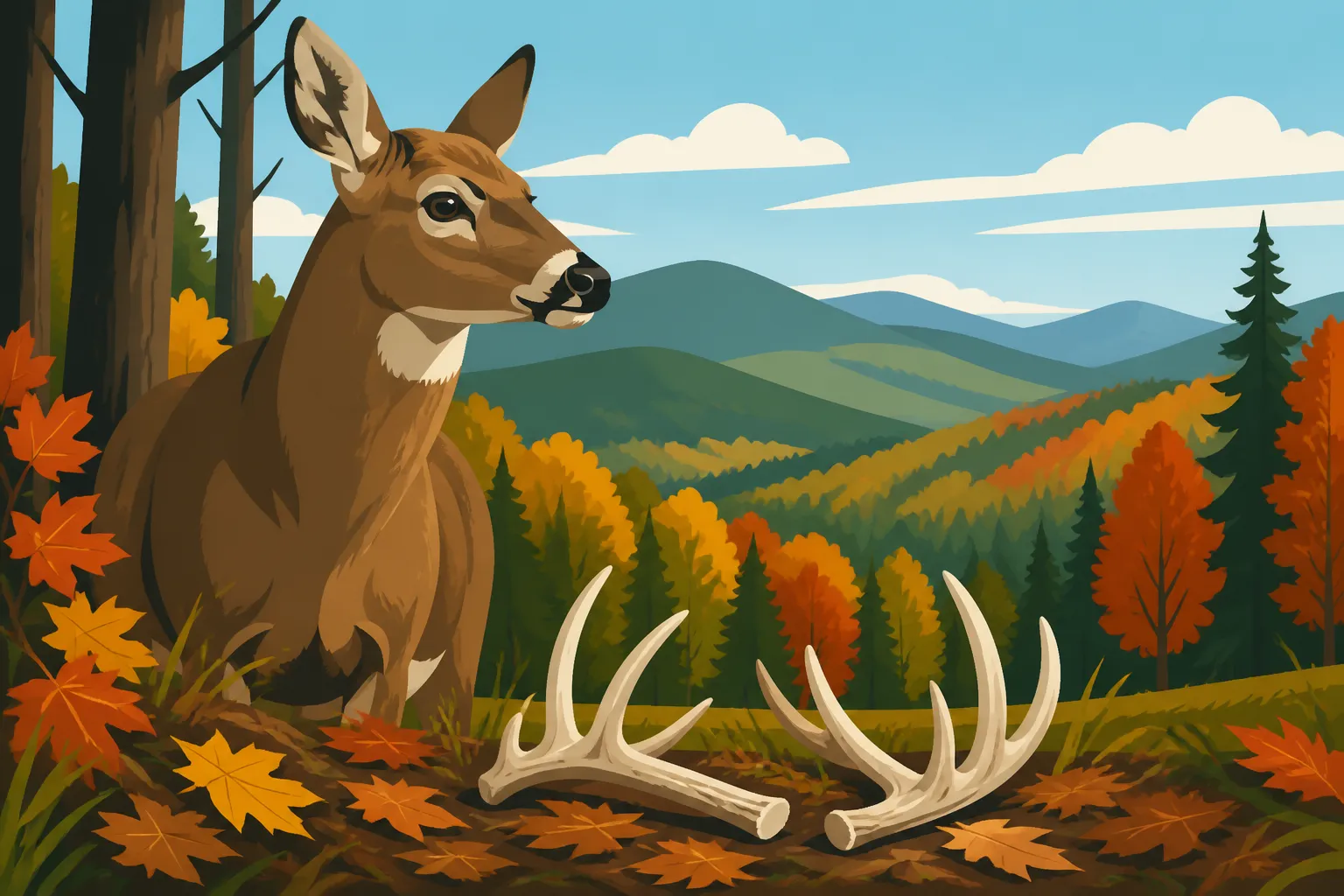
Once the rut, or breeding season, is over, usually by late November or early December in Vermont, a buck's testosterone levels begin to plummet. This significant drop in testosterone is the crucial trigger for antler shedding. Without sufficient testosterone, a specialized layer of cells forms at the pedicle (the bony base on the skull where the antler attaches), which gradually weakens the bond between the antler and the skull. This process, called "osteoclastic activity," essentially dissolves the bone connection, making the antlers loose and eventually causing them to fall off. It's a fascinating natural process, and one that often catches hunters by surprise if they don't know what to expect.
The Evolutionary Advantage of Antler Shedding
From an evolutionary standpoint, shedding antlers makes perfect sense for a buck. Antlers are metabolically expensive to grow, requiring significant energy and nutrients. Once their primary purpose of attracting mates and fighting rival bucks during the rut is over, they become a liability. Carrying a heavy rack through the harsh Vermont winter, especially with deep snow, can hinder a buck's ability to navigate dense cover, escape predators, or even access vital food sources.
Imagine a big 8-point buck trying to slip through a thick spruce stand with a heavy snow load. Those antlers can get tangled, slow him down, and even break off prematurely in a painful way if he's not careful. By shedding them, bucks become lighter, more agile, and better equipped to conserve energy and survive the lean winter months. It's nature's way of ensuring the strongest deer make it to the next breeding season, ready to grow a new, potentially even larger, set of antlers.
What Makes a Vermont Buck Drop His Rack? Key Influencing Factors
While the hormonal shift is the primary driver, several external and internal factors can significantly influence the precise timing of when Vermont bucks shed their antlers. These aren't isolated elements but rather a complex interplay that can vary from one buck to another, and even from one year to the next.
Nutrition and Overall Health
This is arguably the most critical factor. Bucks that enter the post-rut period in excellent physical condition, having had access to abundant food sources throughout the year, tend to hold their antlers longer. Their bodies have the reserves to maintain the antlers a bit longer, even with declining testosterone. Conversely, bucks that are stressed, injured, or have poor nutritional intake—perhaps due to a poor acorn year or a tough summer drought—will often shed their antlers earlier. Their bodies prioritize survival, shunting resources away from non-essential structures like antlers.
Consider a buck that has run himself ragged during the rut, chasing does for weeks on end. If he started the rut a bit on the thin side, or if food becomes scarce quickly after, his body will be under immense stress. His testosterone levels might drop more rapidly, or his body simply won't have the resources to sustain the antlers, leading to an earlier drop. This is why you'll often see young, healthy bucks holding their antlers longer than older, run-down deer, or those in areas with less abundant late-season forage.
Severity of the Winter Weather
Vermont winters can be brutal, and the weather absolutely plays a role. Early, prolonged periods of extreme cold and deep snow can hasten antler shedding. When bucks are expending extra energy simply to stay warm and move through heavy snow, their metabolic demands increase dramatically. This stress, combined with already declining testosterone, can push them to shed earlier than in a milder winter.
Think about a year with an unseasonably warm December followed by a sudden, severe cold snap and heavy snowfall in January. You might see bucks holding onto their antlers longer through the mild spell, only to drop them quickly once the real winter hits. The need to conserve energy and reduce physical burden becomes paramount. This is a common pattern observed across the state, from the Champlain Valley to the higher elevations of the Green Mountains, impacting how long How Deep Snow Affects Vermont Deer Survival is sustained.
Age of the Buck
Generally speaking, older, more mature bucks tend to shed their antlers earlier than younger deer. While this might seem counterintuitive since they often grow larger racks, it relates back to their participation in the rut and their overall physical condition afterward. Older bucks are typically more dominant and invest more energy in breeding activities, exhausting themselves more thoroughly during the rut.
Younger bucks, especially those 1.5 to 2.5 years old, may not participate as intensely in the rut and therefore don't expend as much energy. Their bodies aren't as depleted, and their testosterone levels may not decline as sharply or quickly, allowing them to hold their antlers for a longer period. It's not uncommon to see a healthy yearling still carrying small spikes or fork-horns well into late winter when older, larger bucks have long since gone bare.
Rut Intensity and Timing
The intensity and timing of When the Vermont Rut Peaks can also have an indirect effect. A prolonged, high-intensity rut means bucks are more active, more stressed, and burning more calories. This can lead to a more significant post-rut depletion of energy and a quicker drop in testosterone, potentially leading to earlier shedding. Conversely, a shorter, less intense rut might allow bucks to recover more quickly and hold their antlers longer.
Of course, the rut is a natural event and varies from year to year based on factors like weather, doe receptivity, and the Vermont Deer Herd Size. But observing the general intensity of the rut in a particular season can give you a clue as to whether bucks might be shedding earlier or later that year.
Population Density and Stress
In areas with higher deer densities, resources can be more strained. More competition for food, especially during the lean winter months, can lead to increased stress and poorer nutritional intake for individual deer. This environmental stress can contribute to earlier antler shedding across the population in those specific areas. Conversely, in areas with lower deer density and ample resources, bucks might exhibit later shedding patterns.
It’s worth remembering that deer are highly social animals, and competition for resources, even outside the rut, can create stress that impacts their physiological processes, including antler retention.
Regional Variations and Scouting for Sheds
Vermont is a diverse state, ranging from the agricultural lands of the Champlain Valley to the rugged peaks of the Green Mountains and the vast timberlands of the Northeast Kingdom. It stands to reason that antler shedding isn't a perfectly uniform event across all these varied landscapes.
Shedding Timelines Across Vermont's Regions
While general trends exist, specific regions of Vermont can see slight variations in antler drop timing.
- Champlain Valley: With its often milder winters and more abundant agricultural food sources, bucks in the Champlain Valley might, on average, hold their antlers a bit longer than their counterparts in more northern or mountainous regions. This isn't a hard and fast rule, but better nutrition and less severe winter stress can contribute to it.
- Green Mountains: Bucks living at higher elevations or in the deep woods of the Green Mountains often face harsher winter conditions earlier. Deep snow, colder temperatures, and sometimes more limited food sources can lead to earlier shedding here. If you're Still-Hunting Green Mountain National Forest Timber in January, you might find sheds sooner than in the valley.
- Northeast Kingdom: The NEK is renowned for its harsh, long winters. Bucks here are often subjected to significant cold and snow for extended periods. Consequently, you might observe earlier shedding in the Northeast Kingdom compared to other parts of the state. Bucks here need every advantage to survive the Cold-Weather Sitting Strategy in the Northeast Kingdom and beyond.
These are general observations, of course, and individual buck differences will always be present. But understanding these regional nuances can help you calibrate your expectations when planning a shed hunting trip.
Best Times and Places to Look for Sheds
Once bucks start dropping, the race is on! Shed hunting can be a rewarding way to extend your time in the woods and gather insights into the deer herd. The prime shed hunting window in Vermont typically runs from late December through March, with the peak usually occurring in January and February.
Where to Focus Your Search:
- South-Facing Slopes: Deer will often bed on south-facing slopes to catch the warmth of the sun during cold winter days. These areas can be shed hotspots.
- Food Sources: Pay close attention to late-season food sources. This includes unharvested agricultural fields, browse lines in clear-cuts, and even remnants of apple orchards. Deer will spend a lot of time feeding here, increasing the chances of an antler dropping. Late-Season Food Sources for Vermont Whitetails are critical.
- Deer Yards and Wintering Areas: As winter progresses, deer often congregate in traditional deer yards, usually dense softwood stands that offer thermal cover from snow and wind. These areas are goldmines for sheds. Learning to identify and understand Reading a Green Mountain Deer Yard is vital for shed hunting success.
- Travel Corridors: Deer follow established trails between bedding and feeding areas. Look for sheds along these well-worn paths, especially where deer might jump over obstacles like fences or fallen logs, which can jar loose an already loose antler.
- Water Sources: Even in winter, deer need water. Check around unfrozen springs, creeks, and other water sources.
Using a mapping app like GoHunt can be invaluable for pinpointing these types of features and marking potential areas to search. You can highlight south-facing slopes, identify dense cover, and mark historical deer activity to maximize your shed hunting efforts. The more you understand deer behavior, the more successful your shed hunting will be. For more specific advice, check out Shed Hunting on Vermont Public Land.
Implications for Hunters and Wildlife
Understanding when Vermont bucks shed their antlers isn't just for shed hunters; it has broader implications for how we perceive the deer herd and even how we plan our hunting seasons.
Impact on Late-Season Hunting
For hunters participating in Vermont's late archery or muzzleloader seasons, knowing the shedding timeline is crucial. If you're still out Hunting Into the December Muzzleloader Close, you might encounter bucks that have already dropped one or even both antlers. This can certainly make judging a buck difficult, especially if you're trying to determine if it's an "antlered" or "antlerless" deer based on visible antlers.
It's a frustrating scenario when you've been sitting for hours, and a deer steps out, but you can't quite tell if it's an antlered buck or if it's already shed. Always be sure of your target before taking a shot, and remember that game wardens generally consider a deer to be "antlered" if it has at least one antler three inches or longer, regardless of whether it's still attached or has just recently dropped one.
Antlers as Indicators of Herd Health
The general antler shedding patterns of a local deer herd can offer valuable insights into its overall health and condition. If you observe that most mature bucks in a particular area are shedding very early (say, consistently by mid-December), it could be a signal of nutritional stress or a particularly harsh environment. Conversely, a herd where bucks are holding their antlers well into January and even February often indicates a healthy population with good food availability and robust deer.
Wildlife biologists monitor antler data as part of their broader Vermont Wildlife Disease Monitoring Program and overall herd management strategies. Unusual or widespread early shedding can prompt further investigation into habitat quality or other environmental factors impacting the deer. The condition of the antlers themselves, including their size and mass, can also tell a story about the health and age structure of the herd.
The Role of Predators and Scavengers
Once an antler drops, it becomes a valuable resource in the ecosystem. Rodents like mice, squirrels, and porcupines, along with other scavengers, will gnaw on antlers for their calcium, phosphorus, and other minerals. This natural recycling of nutrients is an important part of the forest ecosystem.
This scavenging activity is why, if you're shed hunting, finding antlers can sometimes be challenging; they don't stay pristine forever. Knowing that animals are quickly consuming them adds another layer of urgency to getting out into the woods shortly after the drop. It's a reminder that every part of the deer, from its body to its antlers, contributes to the intricate web of life in the Vermont woods.
Table: Factors Influencing Antler Shedding Timing in Vermont
| Factor | Effect on Shedding Timing | Common Vermont Scenario |
|---|---|---|
| Testosterone Levels | Primary trigger; drop causes shedding | Declines naturally after the rut (late Nov-Dec) |
| Nutrition/Health | Good health = later drop; poor = earlier | Abundant forage (mast, agriculture) = later; poor forage, injury = earlier |
| Winter Severity | Harsh winter (cold/snow) = earlier drop | Early, heavy snow and deep cold (Green Mountains, NEK) = earlier |
| Buck Age | Older bucks = often earlier; younger = later | Dominant older bucks more depleted post-rut; younger bucks less so |
| Rut Intensity | Intense rut = earlier drop; mild = later | Prolonged, high-activity rut = more energy depletion, potentially earlier shedding |
| Population Density | High density = potential for earlier drop | Overpopulated areas with strained resources = earlier shedding due to stress |
| Individual Variation | Always present | Even under similar conditions, some bucks simply drop earlier or later than others |
Beyond the Calendar: Other Antler Insights
While the precise date an individual buck sheds his antlers is a mystery until you find them (or see him without them!), we can glean a lot about the deer herd from observing these patterns. Shed antlers themselves can provide clues about a buck's age, health, and potential future antler growth, tying into insights like Vermont Deer Antler Growth Timeline. Each shed is a unique trophy, representing a year of life and a glimpse into the individual animal that once carried it.
As the snow melts and spring approaches, getting out to scout for sheds is not just a treasure hunt; it's an opportunity to connect with the landscape, understand the rhythms of nature, and deepen your appreciation for Vermont's incredible wildlife. Whether you're using a mapping tool like GoHunt to analyze terrain features or simply walking familiar deer trails, every outing brings you closer to the pulse of the forest.
Disclaimer
This article is for general informational purposes only and does not constitute professional advice. Laws, prices and regulations vary by location and change over time. Consult a qualified professional for guidance on your specific situation.