How Many Ticks Infest a Vermont Moose Calf
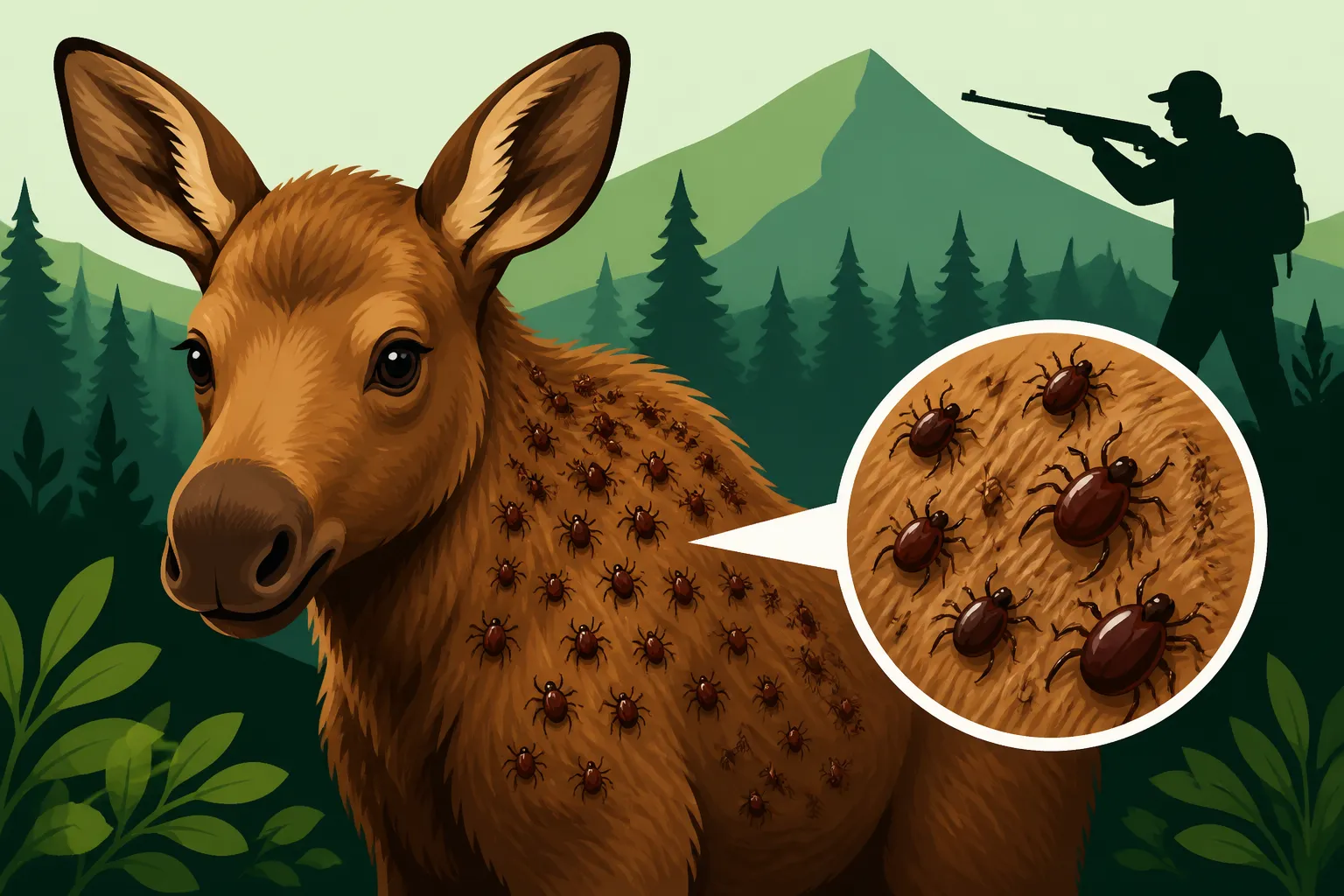
It’s a heartbreaking sight for anyone who loves Vermont’s wild creatures: a moose calf, struggling through late winter or early spring, its coat rubbed raw and patchy, its movements sluggish. This isn't just a sign of a tough winter; it's often a direct consequence of a silent, microscopic army attacking from within. We're talking about winter ticks, and their impact on our youngest moose can be absolutely devastating, sometimes leading to hundreds of thousands of these tiny parasites literally sucking the life out of a calf.
Understanding the Winter Tick Threat in Vermont
The winter tick, or Dermacentor albipictus, isn't your typical deer tick that might give you Lyme disease. While all ticks are parasitic, the winter tick has a unique life cycle that makes it particularly insidious for moose, especially the calves. Unlike other ticks that feed on multiple hosts throughout their lives, the winter tick spends its entire parasitic existence on a single animal. This means that once a calf picks up these ticks, they're stuck with them, enduring months of constant blood loss. It's a relentless drain on their system, weakening them day by day as the long Vermont winter drags on.
Why Moose Calves Are Especially Vulnerable
Moose calves are born in the spring, typically around May or June. By the time late summer rolls around and winter tick larvae are questing (waiting to attach to a host), these calves are still relatively small and inexperienced. They haven't had a full year to build up their body mass, hone their survival instincts, or develop the thicker hide of an adult. This makes them prime targets for tick infestations. A calf might follow its mother through brush, inadvertently picking up thousands of tick larvae without a second thought. Their smaller size also means that the sheer volume of blood loss from even a moderate tick load represents a much larger percentage of their total blood volume compared to an adult moose.
It's a tragic cycle where the most vulnerable individuals in the herd face the greatest threat. Imagine trying to grow, evade predators, and simply survive while constantly battling thousands of tiny vampires. The energy expenditure is immense, leaving them emaciated and susceptible to other environmental stressors. This vulnerability highlights why understanding this issue is so crucial for anyone invested in the health of Vermont's wild populations.
The Role of Moose Population Density
The density of the moose population plays a direct and significant role in the severity of winter tick infestations. When moose numbers are high in a particular area, there are more potential hosts for ticks. This means that a greater number of tick larvae find a host in the fall, leading to an increased tick population the following year. It creates a self-perpetuating problem: more moose mean more ticks, and more ticks mean more dead or weakened moose, particularly calves. This is why wildlife managers sometimes consider Vermont's Moose Permits as a Density Management Tool – to help control population numbers to a level that the ecosystem, including tick loads, can better sustain.
Think of it like a crowded apartment building: the more people living close together, the easier it is for a common cold to spread. For moose and ticks, it's the same principle. Areas with higher moose concentrations, especially in places like the Northeast Kingdom where moose thrive, can become hotbeds for tick transmission. This challenge is a major reason behind the Vermont Moose Population Decline Since the 1990s, as biologists try to find a balance where moose can still flourish without succumbing to overwhelming tick pressure.
The Life Cycle of the Winter Tick and Moose Vulnerability
To truly grasp the scale of a winter tick infestation, we need to understand their unique life cycle. Unlike deer ticks which drop off and reattach to different hosts throughout the year, winter ticks are "one-host ticks." They hatch in the late summer/early fall, quest, attach to a host (usually a moose), and stay there until the following spring. This means the moose carries the full burden of the ticks through months of harsh weather, often when food is scarce and energy is critical for survival.
From Larva to Adult: A Winter-Long Feast
The tick's journey begins as tiny larvae, barely visible to the naked eye, climbing vegetation in late August and September. They form "clumps" or "nests," waiting for a passing animal. When a moose calf brushes by, thousands of these larvae can attach in a matter of seconds. Once on the host, they begin their first blood meal, molting into nymphs as the season progresses. As winter sets in, these nymphs continue to feed, growing larger and eventually molting into adults around late February or March.
It's during this adult stage that they take their final, most substantial blood meal, often swelling to the size of a grape. Imagine thousands of these engorged parasites clinging to your body, constantly feeding. This non-stop feeding cycle, lasting from fall until spring, is precisely what makes them so lethal to moose calves, who are already struggling with the demands of a first winter. The cumulative blood loss and constant irritation push them to their absolute limits.
Why Winter is the Ticks' Prime Time
Winter is a critical period for these ticks, and unfortunately, for the moose. As the days shorten and temperatures drop, the ticks are insulated by the moose's thick winter coat, feasting away. The moose, meanwhile, is trying to conserve energy, forage for scarce food, and navigate deep snow. The continuous irritation from thousands of ticks causes the moose to rub, scratch, and lick themselves constantly, often rubbing off large patches of their protective winter fur. This "ghost moose" appearance, with large bald spots and pale skin, is a tell-tale sign of severe tick infestation.
The lost fur exacerbates their energy crisis. Without their insulating coat, they burn more calories trying to stay warm, further depleting their already strained fat reserves. This leads to a vicious cycle: more rubbing means more hair loss, more energy spent on warmth, less energy for foraging or escaping predators, and ultimately, a higher chance of mortality. This is the tragic reason Why Moose Calves Die From Winter Ticks, leading to significant concerns about the long-term health of the Moose in Vermont's Northeast Kingdom.
Quantifying the Infestation: How Many Ticks Are We Talking About?
This is where the numbers become truly staggering and frankly, a bit horrifying. When biologists talk about heavy winter tick infestations on moose calves, they are not talking about dozens or even hundreds of ticks. They are talking about numbers that defy easy comprehension.
The Sheer Volume of Parasites
Studies and observations from wildlife biologists in Vermont and other northern states have documented moose calves carrying truly astronomical numbers of winter ticks. While an exact average is hard to pin down due to year-to-year variations and individual differences, it's not uncommon for a single moose calf to be infested with tens of thousands of ticks. In severe cases, counts have reached well over 100,000, and sometimes even up to 150,000 individual ticks on one calf.
Imagine a living creature, roughly the size of a small cow, with over one hundred thousand parasites attached to its body, all feeding simultaneously for months on end. That level of parasitic load is almost unimaginable and underscores the immense challenge these young animals face. Each tick, while small, takes a measurable amount of blood, and when multiplied by tens of thousands, the cumulative effect is lethal. It's a key factor in how How Many Ticks Infest a Vermont Moose Calf can lead to such severe health declines.
Here's a generalized look at the range of tick loads and their typical impact:
| Tick Load Category | Estimated Number of Ticks | Calf Survival Prognosis | Observed Effects |
|---|---|---|---|
| Light | < 10,000 | Good | Minimal to no visible hair loss; slight irritation. |
| Moderate | 10,000 – 40,000 | Fair to Guarded | Patchy hair loss (especially neck/shoulders); some emaciation; increased rubbing. |
| Severe | 40,000 – 80,000 | Poor | Significant hair loss ("ghost moose"); severe emaciation; lethargy; very high mortality risk. |
| Extreme | 80,000 – 150,000+ | Extremely Poor | Extensive hair loss over entire body; severe anemia; profound weakness; near 100% mortality. |
It's important to remember that these are estimates based on observational studies and post-mortem examinations. The precise count can vary, but the sheer scale of the problem is consistent.
The "Ghost Moose" Phenomenon
The term "ghost moose" isn't just a catchy phrase; it's a stark visual representation of a calf that is literally being drained of life. These calves, typically seen in late winter or early spring, have rubbed off so much of their hair that their pale undercoat or even bare skin is exposed. They look sickly, often move slowly, and may show little fear of humans, indicating their weakened state. This phenomenon is a direct result of the frantic, desperate attempts by the moose to rid themselves of the intense itching and irritation caused by the tens of thousands of ticks.
When you see a ghost moose, you're looking at an animal that is likely carrying a severe to extreme tick load. Their energy reserves are depleted, their immune system is compromised by constant stress, and they are suffering from anemia due to massive blood loss. It's a powerful and tragic indicator of the silent epidemic affecting Vermont's moose population. Hunters and hikers, perhaps using tools like GoHunt to scout and understand habitat, often report these sad sightings, contributing to the broader understanding of the issue.
Impacts and Management Strategies for Vermont's Moose
The profound impact of winter ticks on moose calves goes beyond individual suffering; it affects the entire population dynamic and long-term health of the species in Vermont. This isn't just an animal welfare issue; it's an ecological challenge that demands careful management and ongoing research.
Population-Level Consequences
The high mortality rates among moose calves due to winter ticks have a direct and significant impact on the overall moose population. If a large percentage of calves die before reaching breeding age, the population's ability to grow or even maintain stable numbers is severely compromised. This leads to a reduced number of adult moose in the future, which can then affect genetic diversity, predator-prey relationships, and even local ecosystems. It's a complex web where one small parasite can unravel larger ecological balances. Understanding these trends helps wildlife agencies plan for sustainable moose numbers, even considering approaches like Vermont's New Archery-Rifle Overlap Rule to manage deer populations which can also host winter ticks, albeit typically with less severe impact than on moose.
Furthermore, even calves that survive a heavy infestation are often weakened. They might be smaller, less robust, and more susceptible to other diseases or environmental challenges in subsequent years. This long-term health deficit can affect their reproductive success and overall longevity, creating a ripple effect through the entire herd. Biologists track these trends meticulously, and tools like the Vermont Fish and Wildlife App can provide valuable data on sightings and health reports, aiding their research.
Research and Monitoring Efforts
Vermont, along with other northern states and Canadian provinces, is actively engaged in researching winter ticks and their effects on moose. This includes tracking moose populations, performing aerial surveys to estimate numbers, and conducting post-mortem examinations on deceased moose to determine tick loads and causes of death. These efforts provide crucial data that informs management decisions. Scientists are also exploring various avenues to mitigate the tick problem, from studying moose behavior to understanding environmental factors that influence tick survival.
For instance, understanding How Fish and Wildlife Counts the Deer Herd gives context to how moose populations are also monitored, providing critical data for conservation efforts. The information gathered helps agencies refine their strategies for maintaining a healthy moose population in the face of this persistent threat. Citizen science, through reporting sightings and observations, also plays a vital role in augmenting these professional efforts.
Management Strategies and the Future
Given the widespread nature of winter ticks and the challenges of directly treating wild animals, management strategies largely focus on habitat management and population control. Reducing moose density in areas heavily impacted by ticks can help break the cycle of high tick loads by limiting host availability. This is why discussions around Vermont's Winter-Tick-Driven Moose Permit Strategy are so important. By carefully allocating moose permits, the state aims to maintain a moose population at a level that is healthier and more resilient to tick infestations.
Other strategies include promoting healthy forest habitats that support diverse wildlife, which might indirectly benefit moose by reducing tick concentrations or enhancing their overall health. It's a long game, without easy answers, but with dedicated research and adaptive management, there's hope for a more resilient future for Vermont's majestic moose. Anyone interested in contributing to wildlife health can stay informed through resources like the Vermont Fish & Wildlife Department website, or by exploring platforms like GoHunt for broader ecological data, enabling a more informed understanding of the challenges facing our wild game species. When planning a trip, whether it's for Moose Hunting Vermont's Northeast Kingdom or simply observing wildlife, being aware of these issues helps us appreciate the delicate balance of nature.
Disclaimer
This article is for general informational purposes only and does not constitute professional advice. Laws, prices and regulations vary by location and change over time. Consult a qualified professional for guidance on your specific situation.