Vermont’s Ban on Natural Deer Lures Explained
It’s tough to keep up with all the hunting regulations these days, especially when you've been doing things a certain way for years, only to find the rules changing under your feet. One area that causes a lot of confusion and even frustration for many Vermont deer hunters is the use of natural deer lures. This guide aims to clear up the confusion surrounding Vermont's stance on these lures, helping you understand why these regulations are in place and how you can adapt your hunting strategies to stay compliant and successful.
Understanding Vermont's Deer Lure Ban: Why It Matters
Let's face it, for generations, deer hunters have relied on various attractants to draw in that wary buck or curious doe. From mock scrapes to strategic scent dispersal, these lures have been a staple in many hunters' arsenals. So, when states start implementing bans, it can feel like another tool is being taken out of your hands, leaving you to wonder why. In Vermont, the ban on natural deer lures isn't about making hunting harder; it's a critical measure to protect our beloved deer herd from a truly devastating disease.
The Threat of Chronic Wasting Disease CWD
The primary driver behind Vermont's ban on natural deer lures is the looming threat of Chronic Wasting Disease (CWD). CWD is a neurological disease that affects cervids – deer, elk, and moose – and is always fatal. It's caused by abnormal proteins called prions, which can persist in the environment for years, even after an infected animal is gone. Imagine a disease that slowly degrades the brain of a deer, leading to emaciation, abnormal behavior, and eventually death. That's CWD, and it's a nightmare scenario for wildlife managers and hunters alike.
The scary part about CWD is how easily it can spread. Prions are shed through saliva, urine, feces, and even decaying carcasses. If a deer carries CWD, these prions can contaminate the soil, plants, and water in its environment. Other deer then come along, ingest these prions, and the cycle continues. There is currently no vaccine and no cure for CWD. Once it takes hold in a population, it is incredibly difficult to eradicate, leading to long-term population declines and severely impacting hunting opportunities. Protecting our herd from this menace is paramount, and the lure ban is a proactive step in that defense. You can learn more about Vermont's CWD Prevention Rules and the broader efforts to keep our herd healthy.
How Lures Can Facilitate CWD Spread
Now, how do deer lures fit into this terrifying picture? Many traditional "natural" deer lures are made from biological fluids of deer, like urine or glandular secretions, collected from deer farms across the country. The problem is, if deer on these farms are infected with CWD, even if they don't show symptoms yet, their bodily fluids can contain the infectious prions. When a hunter uses these contaminated lures in the field, they are inadvertently introducing prions directly into Vermont's environment.
Picture this: you buy a bottle of "doe in estrus" urine from a state where CWD is present, perhaps unknowingly sourced from an infected farm. You spray it on a wick or pour it on the ground to create a mock scrape. A local Vermont buck comes along, sniffs the lure, maybe licks the ground, and now, if that lure was contaminated, the prions are in our ecosystem. This creates a direct pathway for CWD to enter our state, even if no infected live animals are directly imported. It’s a silent, invisible threat carried in a bottle, and that's why the ban is so crucial for maintaining Why Vermont Has Stayed CWD-Free.
What Constitutes a "Natural" Deer Lure in Vermont?
The language around deer lure bans can sometimes be a bit opaque, leaving hunters scratching their heads about what's actually allowed and what isn't. In Vermont, the ban is specifically aimed at products derived from cervids that could carry CWD prions. It's not about all scents, but rather those with a biological origin from a deer, elk, or moose.
The Specifics of the Ban: Biological Fluids
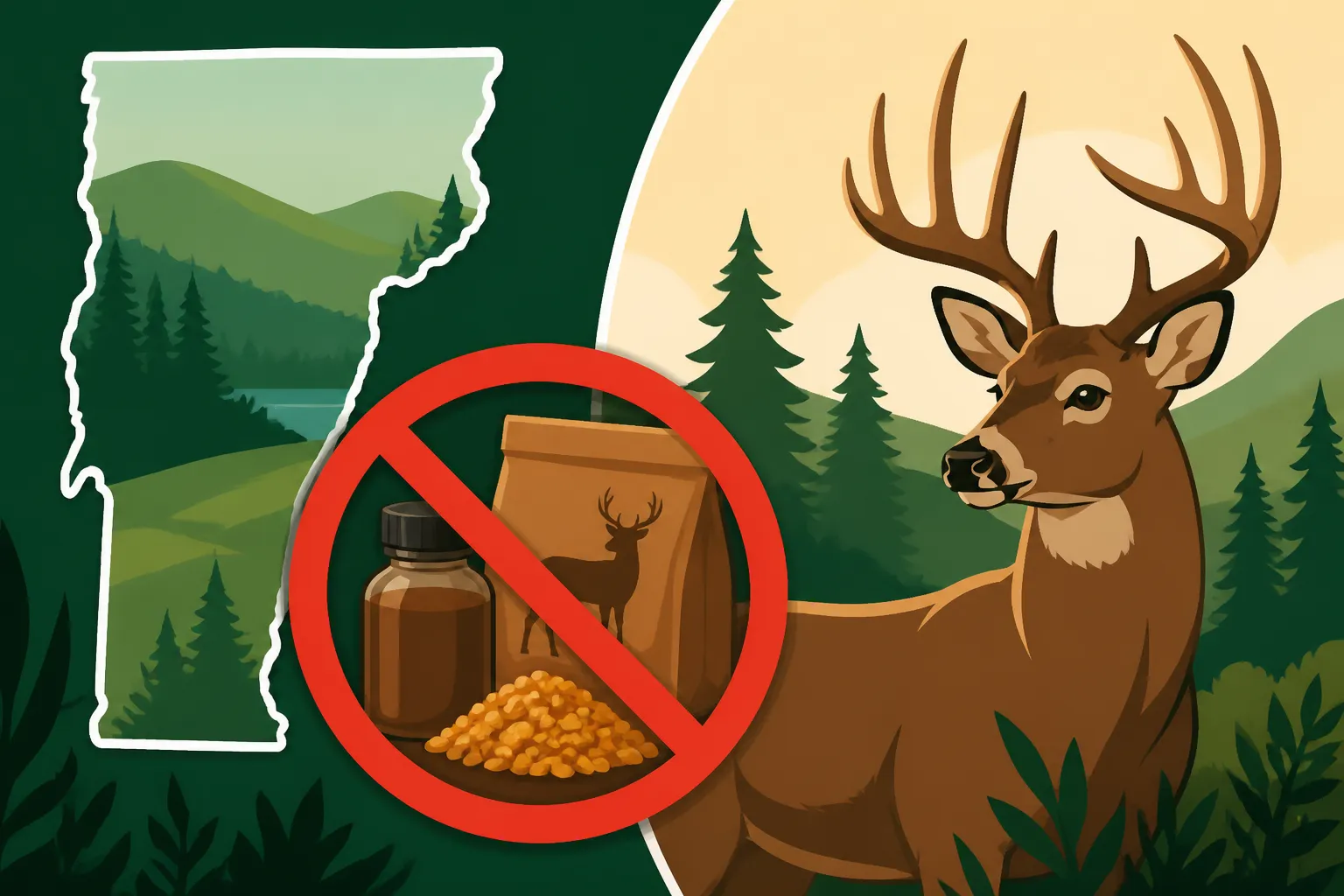
When the regulations talk about "natural deer lures," they are primarily referring to products that contain urine, blood, gland secretions, or other bodily fluids collected from deer, elk, or moose. These are the very materials that can harbor CWD prions. It doesn't matter if the bottle claims it's "100% natural" or "freshly collected"; if it came from a cervid, it's generally off-limits because of the risk of prion contamination. This includes, but isn't limited to, estrus urine, tarsal gland scents, interdigital gland scents, or any product purporting to be "natural deer musk" derived from an animal.
It's a really important distinction, because not all "scents" are banned. A cover scent derived from pine needles, acorns, or other plant matter, for example, is perfectly fine. The key is the origin of the scent. Is it an animal product from a cervid? If so, Vermont considers it a potential CWD vector and prohibits its use. The goal is to eliminate any possible pathway for prions to enter the state and infect our wildlife. This is part of the extensive Vermont's CWD Surveillance Program to ensure the health of our deer herd.
Distinguishing Legal from Illegal Lures
To make things clearer, let's break down what's generally considered acceptable versus prohibited in Vermont's deer woods.
| Lure Type | Description | Vermont Status | Rationale |
|---|---|---|---|
| Natural Deer Urine/Glandular | Derived directly from deer/elk/moose urine, tarsal, or interdigital glands. | BANNED | High risk of CWD prion transmission if collected from infected animals. |
| Synthetic Deer Scents | Chemically engineered to mimic deer scents, but contain no biological cervid material. | LEGAL | No biological material, therefore no risk of CWD prion transmission. |
| Natural Food Attractants | Scents like apple, acorn, persimmon, corn, or plant extracts. | LEGAL | Not derived from cervids; no CWD risk. (Check baiting regulations separately). |
| Cover Scents | Scents like pine, cedar, earth, or other non-cervid natural odors. | LEGAL | Not derived from cervids; no CWD risk. |
| Cervid-Based Products | Any other product containing blood, saliva, or tissue from deer/elk/moose. | BANNED | High risk of CWD prion transmission. |
As you can see, the critical factor is whether the product originates from a cervid's bodily fluids or tissues. If it does, Vermont has taken a firm stance against it. This table isn't exhaustive, of course, but it gives you a solid framework for understanding what to look for when you're stocking up for the season. When in doubt, always err on the side of caution and opt for synthetic or plant-based attractants.
Adapting Your Hunting Strategies Without Natural Lures
Okay, so the natural deer urine is out. For many hunters, this feels like losing a piece of their tradition, a secret weapon. But I promise you, it doesn't mean your hunting days are over or that success is impossible. In fact, many successful hunters never relied heavily on these types of lures to begin with. This ban is an excellent opportunity to refine your skills, dive deeper into deer behavior, and become an even more observant and strategic hunter.
Focusing on Evasion, Terrain, and Natural Funnels
Instead of trying to pull deer to you with scent, focus on putting yourself in places deer naturally want to be, or where they have to be. This means becoming a master of reading terrain, understanding deer travel patterns, and identifying natural funnels. Deer are creatures of habit and efficiency. They'll use the path of least resistance, follow cover, and seek out vital resources.
Think about saddles between ridges, thick creek bottoms, or narrow strips of timber connecting two larger woodlots. These are natural pinch points where deer movements are concentrated. Using mapping tools, like what you can find through services such as GoHunt, allows you to scout these areas virtually before you even step foot in the woods. Look for changes in elevation, different habitat types, and natural barriers that might force deer into predictable travel lanes. This is especially effective when you're Still-Hunting Green Mountain National Forest Timber or navigating other dense areas. A good understanding of Wind and Thermals in Steep Green Mountain Terrain will also be invaluable, as deer will use these air currents to their advantage.
Scouting and Food Source Identification
Another incredibly effective way to attract deer, without any artificial lures, is by identifying and hunting natural food sources. Deer have to eat every day, and if you can pinpoint where they're consistently feeding, you've found a gold mine. This requires diligent scouting, both before the season and throughout. Look for mast crops like acorns and beechnuts, browse lines on saplings, and active agricultural fields.
Early season often finds deer hitting green fields and soft mast, while later in the fall, they'll key in on hard mast or standing crops like corn. Knowing what's available in your hunting area and when deer prefer certain foods gives you a huge advantage. Don't just look for tracks; look for actual feeding sign – chewed branches, fresh droppings, and rubbed bark. Observing deer movement around these natural food sources is far more powerful than any bottled scent. This deep knowledge is something a tool like GoHunt can help you cultivate by helping you analyze terrain and habitat types. Don't forget to investigate Late-Season Food Sources for Vermont Whitetails as the season progresses.
Using Calls and Decoys Responsibly
While urine-based lures are out, many other forms of communication are still perfectly legal and highly effective. Deer calls, when used sparingly and appropriately, can be incredibly persuasive. Grunt tubes, doe bleats, and fawn distress calls mimic the sounds deer naturally make and can pique their curiosity or even provoke a territorial response from a buck. Just remember that less is often more with calling; you're trying to sound like a deer, not a carnival barker.
Decoys, particularly deer decoys, can also be a game-changer, especially during the rut. A well-placed buck or doe decoy can draw in a curious or challenging deer, giving you a shot opportunity you might not have otherwise had. Just be sure to always place decoys where you have a clear line of sight, and always be aware of your surroundings, especially on public land, to ensure safety. Combining these strategies with a thorough understanding of deer behavior, like during Hunting the Rut in Early-to-Mid November, can lead to great success. And remember, understanding deer sign, like Reading Vermont Mud for Fresh Deer Movement, will always be your most reliable indicator.
Staying Compliant and Protecting Vermont's Herd
The ban on natural deer lures is a critical step in Vermont's ongoing efforts to protect its deer herd from Chronic Wasting Disease. While it might require a shift in tactics for some, it's a small price to pay to safeguard our hunting heritage for generations to come. Staying informed and compliant is every hunter's responsibility.
Know Before You Go: Resources and Regulations
The best way to ensure you're always on the right side of the law is to regularly consult the official Vermont Fish & Wildlife Department regulations. These regulations are updated annually, and sometimes even within a season, so what was true last year might have changed. Don't rely on what you heard at the diner or what your buddy told you. Take the time to read the official rulebook or check the Vermont Fish & Wildlife website directly.
If you ever have a question about a specific product or hunting practice, don't hesitate to contact the Vermont Fish & Wildlife Department. Their wardens and biologists are there to help clarify any ambiguities and ensure everyone is playing by the rules. It's much better to ask a question beforehand than to face a potential violation in the field. Understanding regulations like Vermont Hunter Education Requirements or Vermont Deer Reporting Requirements is part of being a responsible hunter.
The Hunter's Role in CWD Prevention
As hunters, we are the front lines in wildlife conservation. Our passion for the outdoors and the animals we pursue means we have a vested interest in their health and longevity. Adhering to the natural deer lure ban is just one way we contribute to the greater good of Vermont's deer herd. Beyond the lure ban, there are other crucial CWD prevention measures that every hunter should be aware of and practice:
- Proper Carcass Disposal: If you hunt out of state, be aware of rules regarding bringing carcasses back into Vermont. Generally, only deboned meat, clean skull plates, and taxidermy-ready hides are allowed. This prevents prions from potentially entering Vermont from infected areas.
- Report Sick Deer: If you ever observe a deer that appears sick, lethargic, or exhibiting unusual behavior, report it immediately to the Vermont Fish & Wildlife Department. Early detection is key in managing potential disease outbreaks.
- Support CWD Surveillance: Participate in voluntary CWD testing programs if they are offered in your hunting area. The more samples collected, the better understanding biologists have of the health of the herd.
- Clean Your Gear: Always clean your boots, clothing, and equipment thoroughly after hunting, especially if you've hunted in areas where CWD is known to exist. This prevents the accidental transport of prions.
By taking these steps, you're not just following the rules; you're actively participating in the health and future of Vermont's cherished wildlife resources. Our collective vigilance is the best defense against threats like CWD, ensuring that future generations can enjoy the thrill of Hunting Vermont's New Archery-Rifle Overlap and all the other rich hunting traditions our state has to offer.
Disclaimer
This article is for general informational purposes only and does not constitute professional advice. Laws, prices and regulations vary by location and change over time. Consult a qualified professional for guidance on your specific situation.