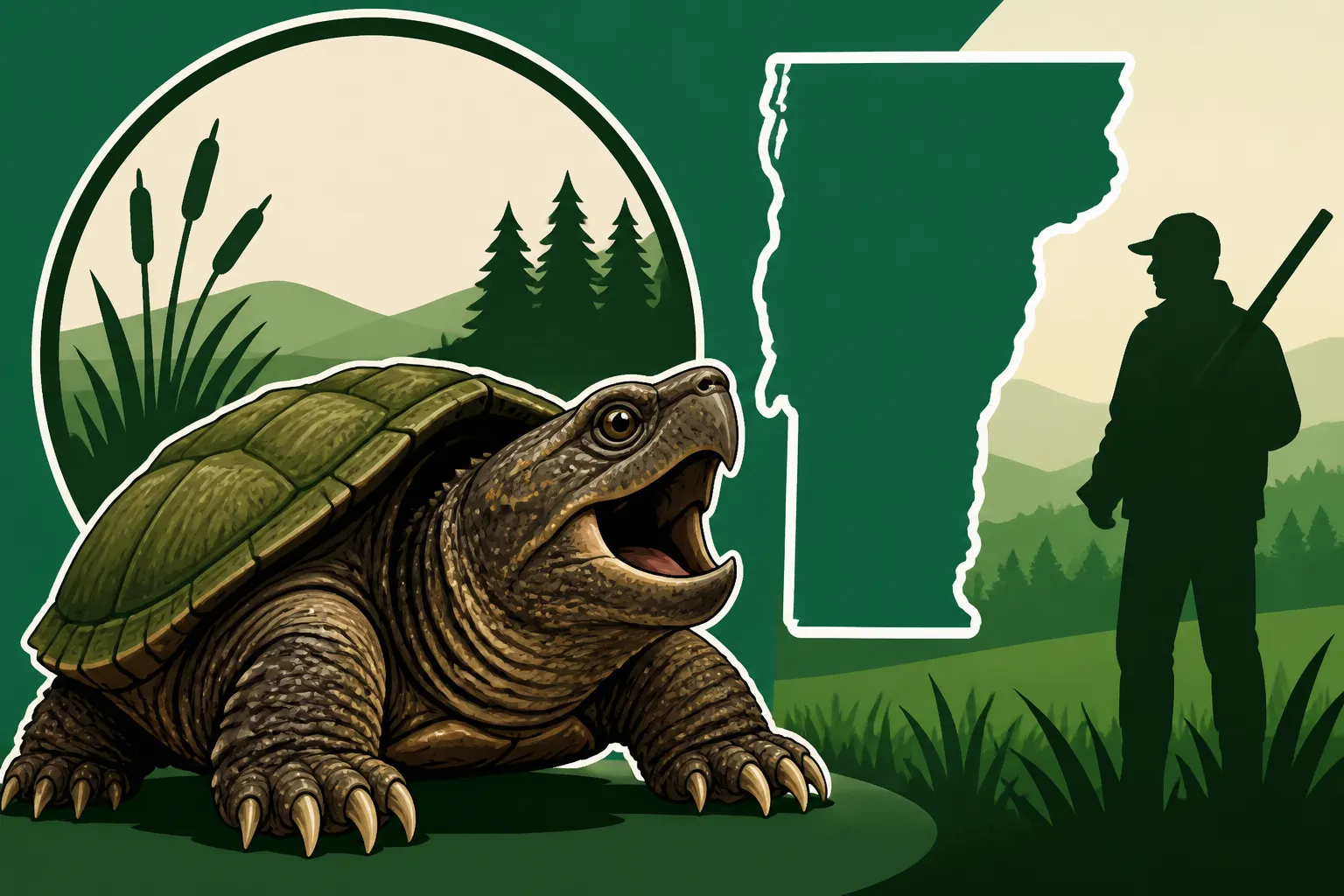
Vermont Snapping Turtle Harvest Rules
There's something uniquely Vermont about being out on the water, seeing a large snapping turtle, and then wondering, "Can I actually harvest that?" For many folks, the idea of hunting or fishing for something beyond deer, turkey, or fish is a bit novel, but snapping turtles are a legitimate, if often overlooked, game species here in the Green Mountain State. If you've been curious about adding these ancient reptiles to your table, or simply want to understand the regulations surrounding them, you've come to the right place. This guide will walk you through the specifics of Vermont's snapping turtle harvest rules, from licensing to ethical considerations.
Understanding Vermont's Snapping Turtle Regulations
When it comes to harvesting any wild creature in Vermont, the first thing you absolutely need to grasp is that there are rules. These aren't just suggestions; they're legal requirements designed to manage wildlife populations responsibly and ensure sustainable practices. Snapping turtles, while resilient, are no exception. They play a vital role in our wetland ecosystems, and the state works hard to balance harvest opportunities with conservation. Don't let the idea of regulations intimidate you, though; once you understand the framework, it's pretty straightforward.
The Vermont Fish and Wildlife Department is the agency responsible for setting and enforcing these rules. They base their decisions on biological data, population surveys, and public input, all aimed at maintaining healthy wildlife populations for future generations. For a long-tail hunt like snapping turtles, you might not see the same level of annual discussion as for, say, Vermont Deer Population Estimate, but the principles of sound wildlife management are always at play.
Licensing Requirements and Season Dates
Before you even think about setting foot in a marsh or pond with the intention of harvesting a snapping turtle, you need to ensure you're properly licensed. In Vermont, taking snapping turtles typically requires a valid hunting or fishing license. Most people already have one or the other, but it’s crucial to double-check that your license covers the activity. This isn't a "free-for-all" kind of harvest; it's a regulated activity, just like pursuing a whitetail or casting a line for trout.
The harvest season itself is usually quite specific, designed to align with periods when snapping turtles are most accessible and when harvesting will have the least impact on their breeding cycles. Generally, you'll find the season open during the warmer months, often starting in late spring and extending through summer and into early fall. These dates can shift from year to year, so always, always, consult the most current Vermont Fish and Wildlife regulations. Don't rely on information from a few seasons ago. A quick check of the official department website or a call to a local game warden will clarify the exact start and end dates for the current year. Think of it like knowing Vermont Expanded Archery Season Dates – precision matters.
Legal Harvest Methods
Vermont law specifies how you can legally harvest snapping turtles. You can't just show up with any old tool and expect it to be acceptable. The methods are typically designed to be humane, selective, and to minimize disturbance to other aquatic life.
Commonly, the legal methods include:
- By hand: Yes, you read that right. If you're brave and quick enough, and you know how to safely handle a snapping turtle, direct capture by hand is often permitted. This usually involves grabbing the turtle from the rear of the shell, keeping clear of its powerful jaws. This method requires a significant amount of caution and experience, as these animals can inflict a serious bite.
- Set hooks (trotlines or limb lines): These are lines set with baited hooks, typically left unattended for a period. There are strict rules on how these must be set, marked, and checked. For instance, you usually need to mark your lines with your name and address or conservation ID number, and check them within a specific timeframe (e.g., every 24 hours). The bait used also often has restrictions, usually limiting it to non-game fish or other natural baits.
- Traps: Certain types of traps, often specifically designed for turtles, may be permitted. These traps are usually non-lethal, designed to capture the turtle alive so you can inspect it for size or species before keeping it. Similar to set hooks, traps often require proper marking and regular checking.
- Spearing or gigging: In some contexts, and during specific seasons, spearing or gigging from a boat or shore might be allowed. This method requires precision to ensure a clean, humane kill.
What's typically not allowed? Methods that are indiscriminate, inhumane, or cause undue harm to the environment. This often includes firearms, explosives, or methods that would damage their habitat excessively. Always refer to the official digest, which you can usually find through the Vermont Hunter Education Requirements portal or the Fish and Wildlife Department website. Knowing your methods is just as important as knowing your season.
Bag Limits, Size Restrictions, and Ethical Handling
Just like with deer, bear, or turkey, Vermont implements bag limits and often size restrictions for snapping turtles. These rules are in place to prevent overharvesting and protect younger, breeding-age turtles, ensuring that enough individuals remain in the population to reproduce and maintain healthy numbers. It's all part of the state's broader strategy for Vermont Wildlife Disease Monitoring Program and overall species health.
Daily and Seasonal Limits
You won't be able to just go out and collect as many snapping turtles as you want. There are typically clear limits on how many you can harvest per day, and sometimes a seasonal limit as well. For example, the regulation might state "X turtles per day" or "a total of Y turtles per season." These numbers are dynamic and are influenced by current population assessments, so what was allowed a few years ago might not be the case today.
These limits are enforced strictly, and exceeding them can lead to fines and other penalties. It’s a good practice to keep a mental tally, or even a physical one, especially if you're out multiple times over the season. The intent of these limits isn't to frustrate hunters but to ensure a sustainable resource for everyone. This responsible approach is why Vermont continues to offer diverse hunting opportunities, from Spring Turkey Hunting in Vermont to lesser-known pursuits like turtle harvesting.
Size Restrictions and Humane Care
Often, there will be minimum or sometimes even maximum size restrictions. These are usually based on the length of the carapace (the top shell). The purpose of a minimum size limit is to allow younger turtles to mature and reproduce at least once before being harvested. This is a critical component of sustainable management. A maximum size limit, if present, might be aimed at protecting particularly large, old breeding individuals that contribute significantly to the genetic diversity of the population.
When you harvest a snapping turtle, ethical and humane care is paramount. These are wild animals, and they deserve respect. If you plan to harvest, be prepared for immediate and humane dispatch. This is not the time to "figure it out" after the fact. Research proper methods for dispatching and processing a turtle beforehand. Many resources are available online, and some experienced hunters or trappers might be willing to share their knowledge.
Consider the transportation of your harvested turtles as well. They should be handled in a way that is safe for both you and the animal, minimizing stress and ensuring they remain contained. This often means sturdy containers that prevent escape and provide adequate ventilation.
Utilizing Your Harvest
Once harvested, a snapping turtle offers a surprising amount of meat. It’s often described as tasting like a mix of chicken, pork, and even fish, with different cuts having distinct textures and flavors. Preparing a snapping turtle can be a bit of a process, as their anatomy is quite different from other game animals. However, for those willing to put in the effort, it's a unique and rewarding culinary experience.
Many people utilize the meat for stews, soups, or fried dishes. The shell, too, can be cleaned and preserved as a unique trophy or educational piece. Fully utilizing your harvest is a key part of ethical hunting and fishing, reflecting respect for the animal and the resource it provides. Just like with a deer, you want to make sure no part goes to waste.
Where to Find Snapping Turtles in Vermont and Access Considerations
Snapping turtles are fairly widespread in Vermont, especially in areas with suitable habitat. However, knowing where to look legally and responsibly is just as important as knowing how to harvest them. Finding good spots often requires a bit of scouting and an understanding of their preferred environments.
Preferred Habitats
Snapping turtles, true to their name, are creatures of the water, though they do venture onto land, particularly females looking for nesting sites in late spring and early summer. You'll primarily find them in:
- Ponds and lakes: Especially those with muddy bottoms, plenty of aquatic vegetation, and slow-moving water. They love to lie submerged in the mud or tangled weeds.
- Slow-moving rivers and streams: Areas with oxbows, backwaters, and deep pools are prime locations.
- Marshes and wetlands: These are ideal habitats, offering abundant food sources and cover. Look for areas with reeds, cattails, and lily pads.
They're opportunistic feeders, so areas rich in fish, frogs, insects, and aquatic plants will often hold good populations. When you're scouting, look for signs like disturbed mud at the bottom, or even the turtles themselves basking on logs or emergent vegetation. Remember, if you’re using an app like GoHunt for scouting, you can often overlay wetland maps and water features to identify potential hotspots.
Public vs. Private Land Access
Access is always a big consideration for any hunting or harvesting activity in Vermont. Just because there's a good-looking pond doesn't mean you can just waltz in and start harvesting.
- Public Lands: Vermont boasts a good amount of public land, including Vermont Wildlife Management Areas, State Forests, and even some municipal lands. Many of these areas contain ponds, rivers, and wetlands that are open to public hunting and fishing. Always confirm that the specific body of water or land you're interested in is indeed open for public access and that snapping turtle harvesting is permitted. Some areas might have specific restrictions or be managed for other purposes. Using mapping tools like those integrated into platforms such as GoHunt can help you understand public land boundaries.
- Private Lands: The vast majority of Vermont is privately owned. If you intend to harvest snapping turtles on private land, you must obtain explicit permission from the landowner beforehand. This is not just common courtesy; it's the law. Trespassing for any hunting or harvesting activity can lead to serious legal repercussions. A simple conversation, explaining your intentions and offering to share some of your harvest, can often open doors to fantastic opportunities. Respecting private property rights is foundational to maintaining good relationships between hunters and landowners in Vermont, whether you're after deer or snapping turtles. Knowing What Vermont Trespass Law Requires is key.
Remember to be mindful of state park rules as well; not all state parks permit hunting or trapping activities, even if they contain suitable habitat. Always check the specific regulations for any area you plan to visit.
Conservation and Responsible Harvesting Practices
While snapping turtles are a robust species, responsible harvesting is crucial for their long-term health in Vermont. As a veteran lifestyle blogger focused on Vermont hunting, I've seen firsthand how thoughtful management and ethical practices benefit both wildlife and those who enjoy the outdoors.
Identifying Species and Avoiding Protected Turtles
One of the most important aspects of responsible snapping turtle harvesting is being absolutely sure you've identified the correct species. Vermont is home to several species of turtles, many of which are protected and cannot be harvested. The common snapping turtle (Chelydra serpentina) is generally the only species that can be legally harvested.
Other native turtles in Vermont, like the Wood Turtle, Painted Turtle, Spotted Turtle, or Blanding's Turtle, are protected by state law and harvesting them is illegal. They can often be found in similar habitats, so proper identification is critical. Learn the distinguishing features:
- Common Snapping Turtle: Large, rough, ridged shell, long tail often with keels, small plastron (bottom shell) that doesn't cover much of the body, and a formidable beak.
- Protected Species: Generally have smoother, dome-shaped shells, often more colorful patterns, and proportionally larger plastrons.
If you are ever in doubt, do not harvest. It's better to let a turtle go than to accidentally harvest a protected species and face penalties. There are excellent field guides and online resources from the Vermont Fish and Wildlife Department that can help with identification.
Respecting the Ecosystem
When you're out harvesting snapping turtles, remember that you're just one part of a much larger ecosystem. Your actions have an impact.
- Minimize disturbance: Try to minimize your impact on the habitat. Avoid trampling sensitive vegetation, don't leave trash behind, and be mindful of other wildlife.
- Leave habitat intact: Don't remove logs, rocks, or excessive aquatic vegetation unless it's specifically part of a permitted management activity. These features provide crucial cover and basking spots for turtles and other wildlife.
- Consider population dynamics: If you notice a particular pond or wetland seems to have a very low number of turtles, even if the season is open, consider moving on. While the state sets overall limits, local populations can vary. Responsible hunters often practice self-restraint to ensure future opportunities. This kind of mindful engagement with the environment is a hallmark of good stewardship, much like careful scouting for Finding Sign in Green Mountain Timber.
Harvesting snapping turtles can be a unique and rewarding experience for the Vermont outdoors person. By understanding and adhering to the regulations, practicing ethical harvesting methods, and respecting the wildlife and their habitats, you can enjoy this unique pursuit while contributing to the sustainable management of Vermont's natural resources.
| Aspect of Harvest | Key Considerations | Where to Find Current Info |
|---|---|---|
| License | Valid Vermont hunting or fishing license required. | Vermont Fish & Wildlife Department website, Vermont Hunting Licenses and What They Cost |
| Season | Specific open dates, typically in warmer months. Dates can change annually. | Current Hunting & Fishing Regulations Digest, Vermont Fish & Wildlife Department website. |
| Methods | Legal methods often include hand capture, set hooks, and certain traps. Prohibited methods usually include firearms or explosives. | Current Hunting & Fishing Regulations Digest. |
| Bag Limits | Daily and/or seasonal limits on the number of turtles that can be harvested. | Current Hunting & Fishing Regulations Digest. |
| Size Limits | Minimum (and sometimes maximum) carapace length often required. | Current Hunting & Fishing Regulations Digest. |
| Identification | Crucial to correctly identify common snapping turtles and avoid protected species. | Vermont Fish & Wildlife Department field guides, online resources. |
| Access | Public lands generally open, but always verify specific area rules. Private land requires landowner permission. | Vermont Fish & Wildlife Department website, Public Hunting Land in Vermont, mapping apps like GoHunt. |
| Humane Care | Plan for immediate and humane dispatch and proper handling/transportation. | Ethical hunting guides, experienced mentors. |
| Utilization | Make the most of your harvest; utilize the meat and consider preserving the shell. | Wild game cookbooks, online recipes. |
Disclaimer
This article is for general informational purposes only and does not constitute professional advice. Laws, prices and regulations vary by location and change over time. Consult a qualified professional for guidance on your specific situation.