Hunting a Logging Company Access Road
It can be incredibly frustrating to feel like all the prime hunting spots are either locked up on private land or pounded by pressure on public ground. You spend hours poring over maps, trying to find that overlooked gem, only to come up empty. But what if I told you that some of the most productive, least-pressured areas are often found right off logging company access roads? This guide will dive deep into how to identify, gain access to, and effectively hunt these often-underutilized highways into the backcountry here in Vermont.
Understanding Logging Company Land and Access
Before you even think about lacing up your boots, you need to understand the unique nature of land owned by timber companies. These aren't your typical mom-and-pop woodlots; we're talking about vast tracts, sometimes thousands of acres, managed specifically for timber production. This means the land use changes over time—areas are clear-cut, thinned, or replanted—and with that, the access points and even the hunting dynamics shift.
The Business of Timber and Hunting Access
Logging companies purchase and manage forests as a long-term investment. Their primary goal is timber harvest, which involves ongoing operations like felling trees, skidding logs, and transporting them out. This commercial activity means they have specific concerns, such as liability, equipment security, and ensuring their operations aren't disrupted. This also means that, unlike some private landowners who might simply deny access out of hand, timber companies often have a more structured approach to land use, including recreational access.
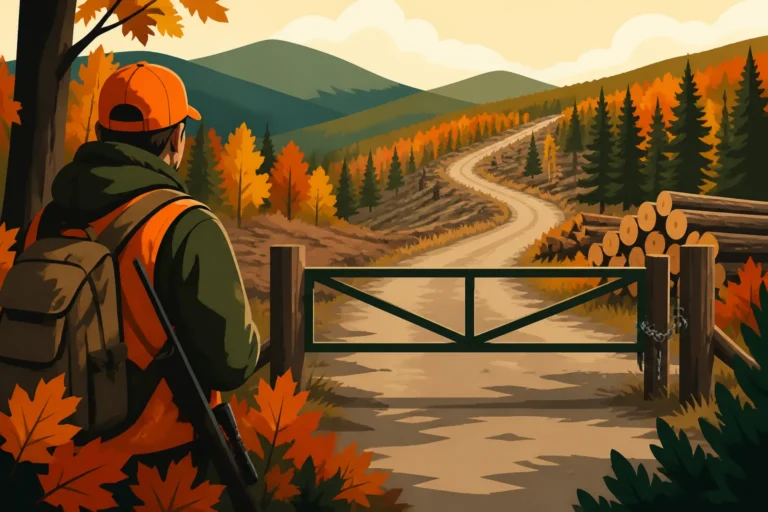
It’s crucial to distinguish between active logging operations and old, disused roads. An active site will have heavy machinery, constant truck traffic, and potentially dangerous work being done. Approaching these areas without permission is not only unsafe but can put you in serious legal trouble for trespassing and interfering with operations. Old logging roads, on the other hand, might be overgrown and less frequently used, but still fall under the same ownership. The key takeaway here is: never assume access. Just because a gate is open, or a road looks abandoned, doesn't mean you have the right to be there. Always do your homework first.
Identifying Potential Logging Company Tracts
So, how do you even find these elusive logging company lands? This is where modern mapping technology becomes your best friend. Gone are the days of guessing with paper maps. Services like onX Hunt and even government GIS mapping portals allow you to view land ownership layers with incredible detail. You can zoom in on areas of interest, often seeing the boundaries of large timber holdings clearly marked. Look for vast, unbroken sections of privately owned timberland, especially in less populated regions of Vermont like the Northeast Kingdom or parts of the Green Mountains. These large parcels are often managed by timber companies or large investment groups that specialize in forestry.
Once you’ve identified a potential tract, you’ll want to research the specific company or landowner. A quick online search for the name listed on the property map can often lead you to their website or contact information. Many timber companies have dedicated sections on their sites about public access policies, or at least a general contact for inquiries. This proactive research is the foundation of gaining legitimate access. Without knowing who owns the land, you can't even begin to ask for permission. This initial reconnaissance helps you target your efforts instead of knocking on random doors or blindly venturing into restricted areas.
Gaining Permission for Access
This is often the most challenging, yet most critical, step. Many hunters shy away from private land because they dread the thought of asking for permission, but with logging companies, it's often a more formal and professional process, which can actually be easier to navigate if you approach it correctly.
The Formal Approach to Asking Permission
Forget just showing up at a gate; timber companies operate on a different scale. Your best bet is to reach out through official channels. Start with a polite phone call or a well-composed email. Introduce yourself, explain that you are a responsible hunter interested in accessing their land, and specifically mention the general area or road you're interested in. Emphasize that you understand it's private property and respect their operations. Be clear about your intentions – are you looking to bowhunt for deer, chase bear, or maybe squirrel hunt? Different companies might have different policies depending on the game animal or the season.
Many timber companies in Vermont, knowing the local hunting culture, have formal agreements or even lease programs. Don't be surprised if they have an application process, require you to sign a liability waiver, or even charge a fee. This isn't them trying to be difficult; it's about managing risk and ensuring consistent access for everyone involved. If they do offer access, make sure you understand every condition: where you can park, which roads are off-limits, whether ATVs are allowed, and what to do if you encounter active logging. Get everything in writing if possible, even if it's just an email confirmation. This protects both you and the landowner. Remember that forging good relationships can lead to long-term access, so always be respectful and follow all rules to the letter. Do You Need Written Permission in Vermont? is a crucial read here.
Navigating Different Company Policies
Not all logging companies are created equal when it comes to granting access. Some companies, especially those that own vast tracts across multiple states, might have very strict, corporate-level policies that make recreational access difficult. They might only allow access through a hunting club lease, or not at all. Others, particularly smaller, local operations, might be more flexible and willing to grant permission to a responsible individual. This is why that initial research into the specific company is so important.
Don't get discouraged if one company says no. Politely thank them for their time and move on to the next prospect. Some companies might only allow access during specific seasons (e.g., prohibiting hunting during active timber harvest periods), or they might have different rules for different types of hunting. For instance, they might allow bowhunting but restrict firearm hunting for safety reasons. Be prepared to adapt your plans. Your goal is to find common ground where your desire to hunt aligns with their land management objectives. Sometimes, offering to help with a small task, like picking up trash or reporting unusual activity, can go a long way in building trust. Just like when you're Knocking on Doors in Champlain Valley Farm Country, a polite, respectful approach is key.
Here’s a quick overview of potential access scenarios:
| Access Type | Description | Considerations |
|---|---|---|
| No Public Access | Landowner explicitly denies any recreational access. | Respect their decision, move on. |
| Permission Required | Individual permission granted, often with specific rules (e.g., dates, areas). | Best chance for individual hunters. Requires direct contact and good rapport. |
| Lease Only | Access granted through a hunting club or paid lease agreement, often for larger groups or longer terms. | Higher cost, less individual control, but secures long-term access. |
| Walk-In Access Only | Access allowed, but no vehicles permitted on internal roads. | Great for backcountry hunters, reduces pressure. |
| Designated Access | Specific roads or areas open to the public for certain activities, clearly marked by the company. | Rarest but easiest, often found on timberland that borders existing public lands. |
Scouting and Interpreting Logging Road Sign
Once you've secured permission, the real fun begins: scouting! Logging roads are often fantastic corridors for game, but they also offer unique challenges and opportunities compared to typical public land.
Reading the Landscape Created by Logging
Logging operations, while sometimes unsightly initially, create incredible habitat diversity. Clear-cuts, for example, quickly grow into dense thickets of young trees, briars, and browse that deer absolutely love for bedding and feeding. These areas offer incredible cover and nutrition. Old skidder trails and logging roads themselves become natural travel routes for deer, bear, and other wildlife. They're like highways through dense woods.
When scouting these roads, pay close attention to the edges of different habitat types. A logging road running between a mature hardwood stand and a young clear-cut is a goldmine. Deer will use that road to transition between feeding in the clear-cut and bedding in the mature timber, or vice-versa. Look for fresh tracks, droppings, rubs, and scrapes along the edges of the road. Don't just walk the road itself; constantly scan the surrounding timber and thickets for signs of movement. Remember, game often feels safe just inside the cover, watching the road, rather than walking openly on it during daylight hours. Reading a Green Mountain Deer Yard can help you understand these cover dynamics.
Another key sign is new growth. After timber is harvested, the sunlight hitting the forest floor spurs a flush of tender new growth – saplings, forbs, and shrubs. This creates incredible forage. Deer, in particular, will gravitate towards these areas. Look for browse lines on young trees and bushes. If you see areas where deer are consistently nibbling on new shoots, you've found a food source. This can be especially potent in areas that have been recently logged within the last 1-5 years.
Utilizing Technology for Efficient Scouting
Modern technology isn't just for getting permission; it's invaluable for scouting logging company roads. As mentioned, onX Hunt allows you to overlay aerial imagery with property boundaries. This is essential for understanding the layout of the land. You can identify historical logging roads that might not be visible on standard topographic maps, spot clear-cuts, identify mature timber stands, and even pick out potential pinch points or funnels where deer might cross. Being able to see the contours and cover types from above saves you countless miles of walking.
Beyond just property lines, mapping apps allow you to mark potential stand locations, game trails you discover, rub lines, and food sources. This creates a detailed digital map of your hunting area. If you're looking at a new area, particularly in a vast tract, you can even use satellite imagery to identify recent logging activity—freshly disturbed ground, bright green regrowth, or areas with distinct straight lines where timber was removed. This helps you narrow down where to focus your boots-on-the-ground efforts. Scouting With the Vermont Fish and Wildlife App is a great companion to these tools.
Consider also how GoHunt might contribute to your broader understanding of game populations and harvest trends in the general area. While it's not specific to access roads, knowing regional success rates or population densities can inform your overall hunting strategy for the timber company land. Combining this broader intelligence with hyper-local mapping allows for a truly efficient scouting strategy.
Hunting Strategies for Logging Access Roads
Once you've got access and have done your scouting, it's time to put a plan into action. Hunting logging roads isn't always like hunting dense woods or open fields; it requires a unique approach.
Still-Hunting and Stand Placement Along Roads
Logging roads naturally lend themselves to two primary hunting strategies: still-hunting and stand placement.
Still-Hunting: When still-hunting, you're essentially walking very slowly and deliberately along the road or just inside the timber edge, stopping frequently to glass and listen. These roads are often relatively quiet walking surfaces compared to crunchy leaves in the woods, especially if they've been graveled or packed down by vehicle traffic. However, the key is to stay vigilant. Deer and bear often cross these roads, use them as travel corridors, or even bed just off their edges. Walk into the wind, use binoculars to pick apart thick cover that abuts the road, and be ready to stop and set up quickly if you spot movement. Focus on areas where the road makes a bend, crosses a small drainage, or goes through a natural saddle. These are all high-traffic areas for wildlife. Sometimes, simply walking a disused logging road can feel like you're Still-Hunting Green Mountain National Forest Timber.
Stand Placement: If you've identified a consistent travel corridor or feeding area along a logging road, setting up a treestand or ground blind can be incredibly effective. Look for locations where the road acts as a funnel between two distinct habitat types, or where a well-used game trail intersects the road. A stand overlooking a clear-cut where deer are browsing the new growth, with the logging road providing an easy travel route, is a classic setup. Consider the prevailing wind direction and your entry/exit routes. You want to be able to get to and from your stand without disturbing the area you plan to hunt. Placing a stand 20-30 yards off the road, but with a clear view of it and the surrounding cover, can be a great tactic, as it keeps you out of sight of anything walking the main thoroughfare.
Timing Your Hunts and Understanding Game Movement
Timing is paramount when hunting logging roads. Generally, early morning and late afternoon are your best bets. Deer are often moving between bedding and feeding areas during these low-light hours, and logging roads provide an efficient path. They might be less inclined to walk openly on roads during midday, especially if there's human activity or heavy hunting pressure.
However, consider the "off-season" aspects too. If there's active logging, deer might avoid those specific roads during work hours but will often use them once the heavy equipment shuts down for the evening. If the roads are relatively quiet, without human disturbance, deer and bear might use them throughout the day, particularly on cloudy or rainy days when they feel less exposed.
Also, think about the time of year. During the rut, bucks will often cruise logging roads, scent-checking for does that might be moving through. Hunting the Rut in Early-to-Mid November can be especially productive on these routes. In the late season, after crops are harvested, deer might use the cleared areas alongside logging roads to find remaining forage. Understanding these seasonal movements and daily patterns will significantly increase your odds.
Safety and Ethical Considerations
Hunting logging company access roads comes with a unique set of safety and ethical responsibilities that extend beyond typical public land hunting. Being a good steward not only keeps you safe but can ensure these access opportunities remain open for all of us.
Active Logging Operations and Hunter Safety
This is non-negotiable: never, ever enter an active logging site without explicit instruction and escort from the company. Heavy machinery, falling trees, and moving logs are extremely dangerous. The noise of chainsaws and skidders can easily mask your presence, and equipment operators might not see you. It's not worth risking your life for a deer.
If you are granted access to a property where logging operations are underway, clarify with the company exactly where and when you can hunt. They might provide maps showing active zones or restrict access to certain times of day or specific blocks of timber. Always wear plenty of blaze orange, even if it's not legally required for the specific season you're in, to maximize your visibility to other hunters and potential logging crews. Being How Much Blaze Orange Vermont Requires is a bare minimum; consider adding more. Be aware of your surroundings, listen for equipment, and respect any signage or temporary closures the company puts up.
Respecting Property and Maintaining Access
Your behavior on logging company land directly impacts the likelihood of continued access for yourself and other hunters. Treat the property as if it were your own, and then some. This means:
- Staying on designated roads/areas: Do not wander into off-limits zones.
- Leaving no trace: Pack out all trash, including spent shell casings, food wrappers, and anything else you brought in.
- Respecting equipment: Do not tamper with, climb on, or approach logging equipment. It's expensive and crucial to their livelihood.
- Closing gates: If you open a gate, close it behind you unless instructed otherwise. This is critical for preventing livestock from escaping or keeping unauthorized vehicles out.
- Reporting issues: If you see illegal dumping, vandalism, or other unauthorized activity, report it to the timber company. This shows you're a responsible user and helps them protect their assets.
In short, be a good ambassador for hunters. If you show respect and responsibility, timber companies are more likely to continue granting access. Word travels fast, and a few irresponsible hunters can ruin it for everyone. Maintaining this access is a shared responsibility.
Disclaimer
This article is for general informational purposes only and does not constitute professional advice. Laws, prices and regulations vary by location and change over time. Consult a qualified professional for guidance on your specific situation.