Boots for Northeast Kingdom Bog Hunting
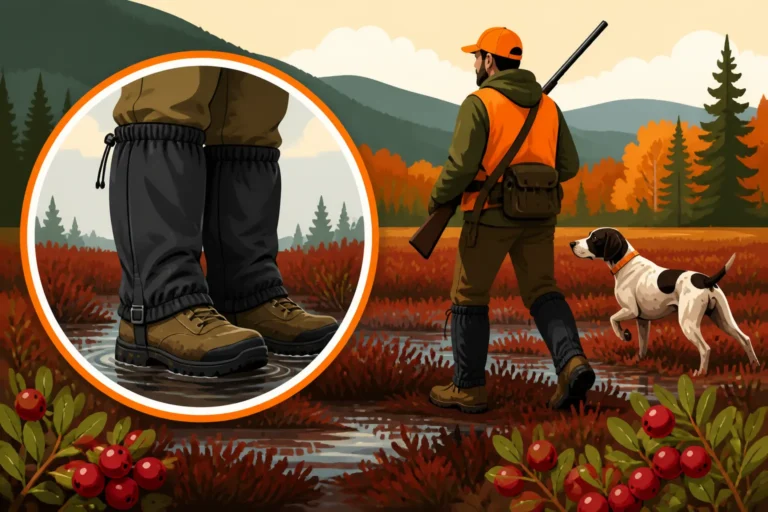
There's nothing quite like the unique challenge of hunting Vermont's Northeast Kingdom, especially when you find yourself navigating its infamous bogs. You know the feeling: one minute, you're on seemingly solid ground, the next your foot has plunged into a murky, cold, and often surprisingly deep abyss. Standard hunting boots just don't cut it in these waterlogged, unforgiving environments, leading to soaked socks, frozen toes, and a miserable end to your hunt. This guide is here to walk you through exactly what kind of footwear you need to conquer the bogs, keeping your feet dry, warm, and ready for whatever the wild throws your way.
Understanding the Northeast Kingdom Bog Environment
Before we dive into the specifics of footwear, let's really understand what we're up against in a Northeast Kingdom bog. These aren't just puddles; they're complex, often ancient ecosystems of saturated peat, sphagnum moss, standing water, and treacherous hidden obstacles. Hunters who venture into these areas for deer, moose, or bear often underestimate the sheer sogginess and the unique challenges this presents to their gear.
The Inherent Wetness and Cold
Imagine wading through ankle-deep water that suddenly drops to your knee, or even your hip, with little to no warning. That's the reality of many NEK bogs. This constant, pervasive wetness is the number one enemy of unprepared footwear. It's not just about a boot being "water-resistant"; it needs to be absolutely waterproof, with no compromises. Even a tiny pinhole leak that might be a minor inconvenience in a regular hunting scenario can quickly lead to painful blisters, numbing cold, and even the early stages of hypothermia when you're miles from your truck. The water isn't just cold; it's often stagnant and can draw heat from your feet rapidly, especially during the shoulder seasons or late fall hunts for Moose in Vermont's Northeast Kingdom.
Beyond the water itself, the ground beneath is often a spongy, saturated matrix of organic matter. It acts like a giant, cold sponge, constantly trying to wick heat away from your feet. This means that even when you're not standing directly in open water, your boots are fighting a constant battle against moisture and cold transfer. For success in these areas, you need a boot that creates an impenetrable barrier, not just against direct water entry, but also against the chilling effect of sustained contact with cold, wet ground.
Hidden Obstacles and Uneven Terrain
The deceptively flat appearance of many bogs hides a labyrinth of hazards beneath the surface. You might encounter submerged logs, tangled root systems, sharp broken branches, and surprisingly hard, uneven ground that contrasts sharply with the soft, yielding moss. Stepping blindly into these unseen hazards can lead to painful twists, falls, or even punctures to your footwear. A flimsy boot with poor ankle support or a thin sole is a recipe for disaster.
Picture this: you're quietly still-hunting along the edge of a bog, trying to pick your way through a mix of stunted spruce and tamarack. Suddenly, your foot drops into a hidden void, catching your ankle on a submerged log. Without adequate support, a sprain is almost inevitable. Or, you might step directly onto a sharp snag, and if your boot isn't durable enough, you'll feel that cold water rush in. The terrain demands robust construction, excellent torsional rigidity, and a sole that can protect your foot from impacts and punctures while still offering enough flexibility for comfortable walking. This isn't just about comfort; it's about preventing injury and ensuring you can keep moving through challenging conditions.
Essential Features for Bog Hunting Boots
When tackling the unforgiving bogs of the Northeast Kingdom, your boots aren't just an accessory; they're a critical piece of safety and performance gear. Skimping here will inevitably lead to discomfort, potential injury, and a ruined hunt. Let's break down the non-negotiable features every bog-worthy boot must possess.
Absolute Waterproofing
This is not a suggestion; it's a fundamental requirement. We're talking about boots that are impervious to water from the ground up. In a bog, water isn't just something you might encounter; it's the dominant feature of the landscape. Your boots must be designed to withstand prolonged submersion without a single drop penetrating the interior. This usually means a construction that is either entirely molded rubber or a thick neoprene shell with fully sealed seams.
Traditional leather or even many "waterproof" fabric boots, which rely on membranes, often fail in true bog conditions. While a membrane might handle rain or splashing, the hydrostatic pressure of standing in water for extended periods, or repeatedly plunging into deep pockets, can overwhelm them. The seams are often the weakest point, and even tiny manufacturing flaws can become significant leaks under pressure. For serious bog hunting, you need a boot where waterproofing is inherent to its very structure, preventing water intrusion at every conceivable point. Look for designs that feature gusseted tongues if they have laces, or solid, one-piece lower construction if they are pull-on styles. Remember, if your feet get wet and cold, your hunt is effectively over, and you could face real health risks.
Superior Traction and Support
Navigating the slick, uneven, and often unstable surfaces of a bog demands exceptional grip. The bottom of a bog can be a mix of slick mud, slimy submerged roots, and loose organic matter, all conspiring to send you sprawling. A boot with an aggressive, self-cleaning outsole tread pattern is paramount. We're talking deep lugs, multi-directional patterns, and often a somewhat softer rubber compound that can grip wet surfaces effectively.
Beyond traction, robust ankle and arch support are crucial for stability and safety. As we discussed, hidden obstacles are everywhere. A boot that cradles your foot and stabilizes your ankle can prevent sprains and twists when you step into an unexpected hole or slip on a submerged log. This support often comes from a stiff shank within the sole and a well-structured upper that extends high enough to provide lateral stability. Don't confuse comfort with lack of support; a well-designed bog boot will feel secure and supportive without being overly rigid to the point of hindering your movement. When you're carrying a pack, or potentially even game, through this challenging terrain, the stability provided by excellent traction and support cannot be overstated. Consider what a difference this makes compared to trying to traverse slippery riverbeds or steep, loose scree – the bog demands its own specialized approach.
Durability and Puncture Resistance
Bogs are notorious for tearing up gear. The abrasive nature of peat, the sharpness of broken branches, and the constant friction of movement through thick, gritty mud can quickly degrade inferior materials. Your bog hunting boots need to be built like tanks, capable of shrugging off impacts and resisting punctures. Thick, vulcanized rubber is a common choice for its inherent toughness and ability to withstand snagging and abrasion. Neoprene, when thick and reinforced, also offers excellent resilience.
The integrity of the sole is particularly important. A thin sole can be punctured by sharp sticks or roots, letting in water and compromising the boot's structure. Look for multi-layered soles with a substantial thickness, and ideally, reinforced toe and heel areas where impact and abrasion are most common. Remember, you're not just walking on soft ground; you're often pushing through dense brush, scraping against fallen timber, and potentially kicking through icy puddles. A boot that starts leaking or falling apart midway through a remote hunt in the Northeast Kingdom isn't just frustrating; it's a serious problem that can quickly turn a challenging day into a dangerous one. This rugged construction is often a hallmark of boots designed for extreme environments, much like those you'd need for Hunting a Drawn Moose Zone in the Northeast Kingdom.
Insulation for Cold Water and Air
Even if your feet stay perfectly dry, cold water and cold air will relentlessly try to steal your body heat. Bogs are often shaded, and the stagnant water holds cold well into the fall. Therefore, adequate insulation is absolutely vital. While the exact amount of insulation (measured in grams, e.g., 800g, 1200g, 2000g) will depend on the specific temperatures you anticipate, it's generally better to err on the side of more insulation for bog hunting.
Many quality rubber or neoprene boots will integrate insulation directly into their construction. Neoprene itself provides some inherent insulation, trapping air bubbles within its structure. For colder conditions, additional layers of Thinsulate or similar synthetic insulation are common. The key is that this insulation must perform well even when compressed or when surrounded by cold water, preventing conductive heat loss from your feet to the environment. Without sufficient insulation, even perfectly dry feet will quickly become uncomfortably cold, impacting your focus, dexterity, and overall enjoyment of the hunt. This is a primary consideration, especially during late-season ventures or if you anticipate long periods of static sitting or standing in cold water.
Types of Boots Best Suited for Vermont Bogs
Given the unique challenges of Northeast Kingdom bogs, not just any hunting boot will do. Certain types of footwear rise above the rest due to their construction and inherent capabilities. Let's explore the best options, weighing their pros and cons for true bog-trotting adventures.
Full Rubber Boots
When it comes to pure, unadulterated waterproofing, full rubber boots are often the first choice for bog hunters. These boots are typically constructed from vulcanized rubber, often molded in one piece from the sole up, eliminating seams that could potentially leak. Many models now incorporate neoprene liners for added insulation and comfort, combining the best of both worlds. They offer a simple, effective barrier against water intrusion that is hard to beat.
| Feature | Pros | Cons | Ideal for |
|---|---|---|---|
| Waterproofing | Virtually impenetrable, highly reliable | Can crack over time, especially with poor care | Deep water, prolonged submersion, extreme wetness |
| Insulation | Varies; often comes with neoprene liners | Pure rubber is uninsulated; can be clammy | Cold weather if insulated, shoulder season if uninsulated |
| Durability | Excellent puncture and abrasion resistance | Can be heavy and stiff | Rough terrain, dense brush, repeated impacts |
| Traction | Varies by sole design; generally good | Can be less agile for technical climbing | Mud, slick surfaces, walking through water |
| Comfort/Fit | Simple, often pull-on; can be bulky | Less precise fit than lace-ups, can chafe | Easy on/off, layering thick socks |
The main advantage of full rubber boots is their reliability in the wettest conditions. You can stand in ankle-deep water all day, or plunge into knee-deep muck, and your feet should remain dry. This makes them ideal for environments like the Hunting a Beaver Flowage Edge at Dusk or traversing saturated clear-cuts. However, pure rubber can be heavy and less flexible than other materials, potentially leading to fatigue on long treks. They also don't breathe well, which can lead to sweat build-up if you're hiking hard in warmer conditions, even if the exterior is cold. Look for models with an aggressive outsole pattern, as some entry-level rubber boots can have surprisingly poor grip on slick surfaces. Brands like Lacrosse and Muck Boots are often favorites among those who spend a lot of time in extremely wet environments. If you're going to be in constant contact with standing water, a well-insulated, tall rubber boot is a top contender.
Neoprene Boots
Neoprene boots, often seen in waterfowl hunting circles, are another strong contender for bog environments. Neoprene is a synthetic rubber known for its flexibility, insulation properties, and inherent waterproofness. Many styles combine a rubber foot/sole with a neoprene upper, creating a comfortable and highly functional boot. The thickness of the neoprene (e.g., 5mm, 7mm) dictates its warmth and durability.
Neoprene offers a significant advantage in terms of insulation, as the material itself traps air, providing warmth even when wet (though the boot's interior should remain dry). They are typically lighter and more flexible than full rubber boots, which can reduce fatigue over long distances and make them feel more comfortable for active hunting, like Still-Hunting Green Mountain National Forest Timber adjacent to a bog. The flexibility also allows for a more forgiving fit. However, thinner neoprene can be more susceptible to punctures or tears from sharp sticks or brush than thick vulcanized rubber, though many hunting-specific models feature reinforced areas. Over time, neoprene can also degrade from UV exposure or repeated harsh abrasion. When considering these, pay attention to the seams; ensure they are robustly sealed and reinforced. Neoprene boots strike a good balance between waterproofing, warmth, and comfort for active hunters in cold, wet boggy terrain.
Hybrid and Insulated Waders
For the absolute wettest, deepest bog situations, where you're regularly crossing streams, wading through standing water that might go above your knee, or even venturing into areas that are essentially shallow ponds, insulated chest waders become a serious consideration. While not strictly "boots," many waders integrate heavily insulated rubber or neoprene boots directly into their design, providing seamless waterproof protection up to your chest.
This option is less about standard hiking and more about extreme water crossing. You lose some of the ankle support and agility of a dedicated boot, but you gain unparalleled protection from water intrusion. For activities like setting up waterfowl decoys, or tracking a wounded animal through a truly flooded area, waders are indispensable. However, they are generally not ideal for long, dry traverses or steep, technical terrain due to their bulk and reduced mobility. They can also be quite warm, leading to overheating if you're exerting yourself in milder temperatures. If your bog hunting involves significant and unavoidable deep water, especially in colder temperatures where Best Waders for Vermont Waterfowl Hunting might be appropriate, then a quality pair of insulated waders might be your best — or only — option to stay truly dry. Just remember to layer appropriately underneath to manage sweat and regulate temperature.
Fit, Comfort, and Sizing for Long Days in the Bog
Even the most technologically advanced, waterproof, and insulated boot is worthless if it doesn't fit properly. In the demanding environment of a Northeast Kingdom bog, poor fit doesn't just mean discomfort; it can lead to debilitating blisters, cold feet, and even an increased risk of injury. Getting this right is paramount.
Prioritizing Proper Fit Over "Break-In" Time
Unlike traditional leather hiking boots that often require a significant "break-in" period, many modern rubber and neoprene hunting boots are designed to be comfortable right out of the box. This is largely due to their more flexible materials. However, this doesn't mean you can skip trying them on carefully. The goal is a snug, secure fit that prevents your foot from sliding around inside the boot, especially in the heel, but without any pinch points or excessive pressure anywhere.
When trying on boots, always wear the type of socks you intend to hunt in. For bog hunting, this often means thick, moisture-wicking wool or synthetic socks, and sometimes even a thin liner sock underneath. These socks take up space, and failing to account for them will result in a boot that's too tight. Walk around in the boots for a good 10-15 minutes, if possible, simulating the kind of movements you'd make while hunting. Pay close attention to any hot spots, rubbing, or areas where your toes feel jammed. Your toes should have enough room to wiggle freely, but your heel should lift minimally as you walk. Too much heel lift is a recipe for blisters, especially when navigating uneven ground or slogging through mud. Remember, a boot that feels just a little too tight in the store will feel excruciating after a few hours of slogging through a bog.
Accounting for Layering and Foot Swelling
When we talk about fit, we also need to consider what else will be going inside that boot. In cold bog conditions, layering your socks is a common and effective strategy to regulate temperature and manage moisture. A thin liner sock can help wick sweat away from your skin, while a thicker wool sock provides insulation. Your boots need to accommodate this layering without becoming too constrictive. If your boots are too tight with multiple layers of socks, they will restrict blood flow, paradoxically making your feet colder.
Furthermore, remember that your feet naturally swell throughout the day, especially after periods of activity. A boot that feels perfectly snug in the morning might feel uncomfortably tight by the afternoon. This is another reason to ensure there's a little bit of wiggle room in the toe box and that the overall fit isn't overly restrictive. If you're between sizes, it's often better to go with the slightly larger size, as you can always add a thicker sock or an aftermarket insole to fine-tune the fit. GoHunt often has detailed sizing guides for various boot brands, which can be a real help when trying to order online. Ultimately, comfort in a bog directly translates to endurance and focus, so don't rush this critical step.
Insoles and Arch Support Customization
Many factory insoles provided with hunting boots are fairly basic. For the kind of sustained abuse and uneven ground you'll encounter in a Northeast Kingdom bog, upgrading to a high-quality aftermarket insole can make a world of difference. These insoles can provide enhanced arch support, better cushioning, and improved shock absorption, all of which contribute to reduced foot fatigue and increased comfort over long periods.
If you have specific arch needs, such as high arches or flat feet, an orthotic insole specifically designed for your foot type can be a game-changer. It ensures your foot is properly aligned and supported, distributing pressure more evenly and preventing common issues like plantar fasciitis or arch pain. Before you decide to return a pair of boots that feel "almost right," consider trying them with a premium insole. Sometimes, that small adjustment is all it takes to transform a decent boot into a truly comfortable one. However, remember that adding an insole will take up additional space inside the boot, so factor this into your sizing considerations. You don't want to make an already snug boot too tight. Proper foot support is crucial for anyone engaging in strenuous activities, much like Boots for Green Mountain Ridge Terrain demand stability for navigating steep ascents and descents.
Care and Maintenance for Longevity in Harsh Conditions
Investing in a quality pair of bog hunting boots is a significant commitment, and to make them last through many seasons of abuse in the Northeast Kingdom, proper care and maintenance are absolutely essential. Neglect will quickly degrade even the toughest footwear.
Cleaning After Every Hunt
This might sound obvious, but it's often overlooked, especially after a long, exhausting day in the field. Bogs are full of corrosive elements: mud, stagnant water, acidic peat, and various organic debris. Allowing these materials to dry and crust onto your boots can degrade the rubber, neoprene, and stitching over time. As soon as you get back, or at least before storing them, take the time to thoroughly clean your boots.
Start by rinsing off all visible mud and debris with a hose or brush. Pay close attention to the sole and the crevices of the tread pattern, as mud can pack in there and be surprisingly difficult to remove once dry. For more stubborn grime, a stiff brush and some mild soap can be used. Ensure you clean the entire exterior, not just the parts that were muddy. If your boots have any fabric elements or laces, ensure those are cleaned as well. A clean boot isn't just aesthetically pleasing; it allows you to inspect for any damage more easily and prevents long-term degradation of the materials. This kind of diligent care is something you also practice when preparing for a Moose Hunting Vermont's Northeast Kingdom trip, ensuring all your gear is in top shape.
Proper Drying and Storage
Once your boots are clean, the next critical step is proper drying. Never store wet boots. Moisture trapped inside or outside can lead to mildew, bacterial growth, unpleasant odors, and accelerate the breakdown of materials. If water did manage to get inside (hey, it happens to the best of us in a bog!), remove the insoles and stuff the boots with newspaper or a dedicated boot dryer. Avoid using direct, high heat sources like radiators or open flames, as extreme heat can dry out rubber, making it brittle and prone to cracking, and can delaminate glues. Air drying in a well-ventilated area, preferably out of direct sunlight, is ideal.
Once completely dry, store your boots in a cool, dry place away from direct sunlight and extreme temperatures. UV light is particularly damaging to rubber and neoprene, causing them to break down and become brittle over time. If your boots have an integrated liner, ensure it's also thoroughly dry. Some hunters like to use boot trees or stuff their boots with crumpled newspaper to help them retain their shape during storage, which can prevent creasing that might lead to cracks. Consistent drying and thoughtful storage will significantly extend the life of your expensive bog-hunting footwear.
Inspecting for Damage and Timely Repairs
After every few hunts, or at least at the end of the season, give your boots a thorough inspection. Look for any small cracks, punctures, thinning spots, or areas where the sole might be starting to separate from the upper. Pay particular attention to seams and flex points. Catching minor damage early can often save your boots from complete failure.
Small punctures or cracks in rubber or neoprene can sometimes be patched with appropriate repair kits designed for waders or rubber boots. If the damage is more extensive, or if the sole is delaminating, it might be time to consider professional repair or replacement. Don't wait until you're halfway through a remote hunt for Bear Hunting Vermont's Long September-to-November Season and discover a major leak. Being proactive with inspections and repairs will ensure your boots are always ready to perform when you need them most, keeping your feet dry and you focused on the hunt. This attention to detail is as important as checking your Trail Camera Placement on Public Land before a hunt.
Making Your Choice: Brands and Where to Find Them
Choosing the right pair of bog hunting boots can feel like a big decision, especially with so many options out there. It’s not just about what looks good; it’s about what will genuinely perform in the unique, challenging environment of Vermont’s Northeast Kingdom bogs.
Top Brands and What They Offer
When you start looking for serious bog-worthy boots, a few brands consistently rise to the top of hunters' recommendations. These companies have built their reputations on creating durable, waterproof, and comfortable footwear designed for demanding outdoor conditions.
Muck Boots: This brand is almost synonymous with rubber boots. They specialize in comfortable, waterproof footwear, often featuring a rubber exterior bonded to an insulating neoprene shaft. Muck Boots are known for their comfort, flexibility, and warmth. They offer various insulation levels, making them suitable for everything from early fall to deep winter. Many hunters appreciate their easy pull-on design and their often generous fit, which accommodates thick socks. The soles are generally aggressive and perform well in mud and snow. Their Wetlands or Woody Max series are popular choices for serious bog use.
LaCrosse: Another powerhouse in the rubber boot market, LaCrosse has a long history of producing high-quality hunting and work boots. Their Alpha Series, which combines premium rubber with insulating neoprene, is particularly well-regarded for its durability and comfort. LaCrosse boots tend to have excellent arch support and a more structured fit than some other brands, which can be beneficial on uneven terrain. They often feature robust outsoles designed for aggressive traction. The AlphaBurly Pro or Grange models are often cited by hunters as reliable choices for wet, muddy conditions.
Bogs Footwear: While perhaps better known for their general outdoor and work boots, Bogs also produces lines of insulated, waterproof rubber boots that can stand up to bog conditions. They often focus on comfort and ease of wear, with some unique features like scent-fighting technologies. Their construction is typically a seamless rubber shell with an insulated liner, offering good protection against cold and wet.
When considering these brands, think about the specific features that matter most to you. Do you prioritize maximum insulation, or do you need something more breathable if you're covering a lot of ground? Do you prefer a tighter, more athletic fit, or a roomier boot for easy on/off?
Researching and Purchasing Your Boots
Once you have a few brands and models in mind, it's time to do your homework. Online resources are invaluable here. Read user reviews on reputable outdoor gear sites and hunting forums. Pay attention to feedback regarding waterproofing integrity, durability over time, and how they perform in conditions similar to what you'd find in a NEK bog. A lot of hunters share their real-world experiences, and those insights can be incredibly helpful.
One excellent resource for researching gear and finding deals is GoHunt. While often associated with Western big game, GoHunt's gear reviews and product recommendations extend to many types of hunting and gear, including boots. They often provide detailed breakdowns of features, performance metrics, and comparisons that can help you narrow down your choices. Using platforms like GoHunt for your research allows you to leverage collective knowledge and find unbiased opinions.
Wherever you decide to buy, whether online or at a local sporting goods store, remember the importance of proper fit. If purchasing online, always check the brand's specific sizing chart, and consider ordering a couple of sizes if return policies allow, to ensure you get the absolute best fit. Don't hesitate to contact customer service with sizing questions, especially if you plan to wear thick socks or add aftermarket insoles. Investing in the right boots is an investment in your comfort, safety, and ultimately, your success and enjoyment of Hunting the Northeast Kingdom.
Disclaimer
This article is for general informational purposes only and does not constitute professional advice. Laws, prices and regulations vary by location and change over time. Consult a qualified professional for guidance on your specific situation.