Bear Bait Site Gear and Containers
There's nothing quite like the thrill of pursuing a black bear in the Vermont woods, but let's be honest, setting up a successful bear bait site can feel like trying to solve a complex puzzle. From figuring out what's legal to choosing the right gear that can withstand the power of a hungry bear and the unpredictable Green Mountain weather, it's a lot to unpack. This guide is here to walk you through the essential gear and container choices for your bear bait site, helping you set up an effective, ethical, and legal operation that brings those bruins in.
Understanding Vermont's Legal Framework for Bear Baiting
Before you even think about dragging a single doughnut into the woods, it's absolutely crucial to understand Vermont's specific regulations regarding bear baiting. Unlike some other states, Vermont has clear, well-defined rules, and straying from them can lead to serious consequences, not to mention a wasted effort. There's nothing more frustrating than putting in all that work only to find out you're not compliant.
Key Regulations on Baiting Location and Quantity
Vermont isn't a free-for-all when it comes to bear baiting, and for good reason. The state wants to ensure public safety, minimize conflicts, and maintain ethical hunting practices. One of the primary concerns is where you can actually establish a bait site. You can't just set up shop anywhere; there are specific distances you need to maintain from residences, public roads, and certain water bodies. Imagine the headache of getting a call from a local game warden because your bait pile is too close to a hiking trail or someone's camp. Always check the current regulations, but generally, there are minimum setbacks to ensure bait sites aren't easily accessible or a nuisance to the general public or other wildlife users.
Beyond location, the type and quantity of bait are also strictly controlled. You might envision dumping a truckload of sweets, but that's simply not allowed. Vermont prohibits certain bait materials entirely, often those that are non-biodegradable or could be considered litter, and also sets limits on the total amount of bait you can have at a site at any given time. This is to prevent over-concentrating bears and to manage the environmental impact. It's not just about what lures them in, but what does so responsibly. You’ll also need to be aware of the exact dates when baiting is permitted, as it's not a year-round activity. To dive deeper into the specific rules, check out Baiting Bears Legally in Vermont.
The Importance of Bear Bait Permits and Reporting
This is where many well-intentioned hunters sometimes miss a critical step: the permit. In Vermont, you absolutely need a specific permit to establish a bear bait site. It's not enough to just have your hunting license; this is an additional step that registers your site with the state. This permit helps the Vermont Fish and Wildlife Department monitor baiting activity, understand bear movements, and manage the overall bear population effectively. Failing to secure the proper permit is a suester-fire way to get yourself into trouble, and it's a completely avoidable mistake.
Once you have your permit, the responsibility doesn't end there. Vermont often has reporting requirements for bait sites. This might include notifying the state of your site's location, and sometimes even reporting your baiting activity or success. These details are crucial for wildlife management, providing valuable data that helps protect the bear population and ensure sustainable hunting opportunities for everyone. It's a small task that contributes to the bigger picture of conservation. Beyond the legalities, there's an ethical component too. When we bait bears, we're interacting with powerful wild animals in a very direct way. Ensuring we're following all rules and regulations, and doing so with respect for the animal and the environment, is paramount. This includes responsible site cleanup and minimizing impact, ensuring the woods remain wild for future generations.
Essential Gear for Establishing a Bear Bait Site
Alright, with the legalities firmly in mind, let's talk brass tacks: what actual stuff do you need to make this happen? Setting up a bear bait site isn't just about tossing out some treats; it requires thoughtful selection of gear designed to withstand the elements, the bears themselves, and keep your bait fresh and appealing for as long as possible.
Durable Containers for Sustained Attraction
The cornerstone of any effective bear bait site is the right container. You're not just looking for something to hold bait; you need something that can protect it from the weather, keep it contained against raccoons and other scavengers for a while, and, most importantly, stand up to a persistent bear. A bear's strength is incredible, and a flimsy container will be ripped apart in minutes, scattering your bait and making a mess.
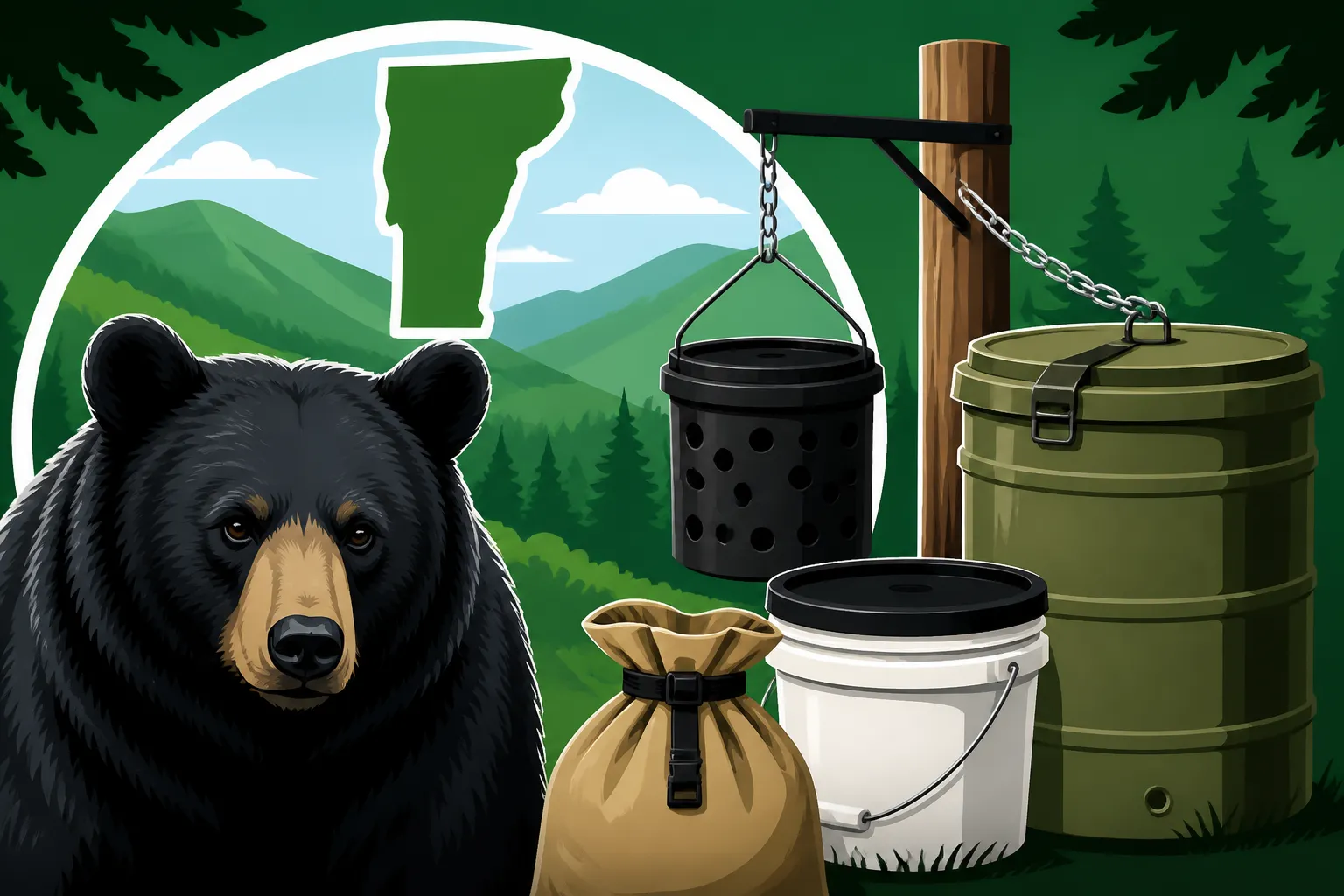
Many hunters swear by reinforced 55-gallon steel drums. These are heavy-duty, can hold a substantial amount of bait, and with proper securing, can give a bear a real challenge. You'll often see them lying on their side, chained to a tree, with a small opening or a hinged lid that forces the bear to work for its reward. This interaction keeps them coming back, extending their time at the site. Other options include specialized bear-proof feeders or even extremely robust coolers, sometimes reinforced with metal strapping or heavy-duty latches. The key is structural integrity and a design that makes it difficult for the bear to simply clean out all the bait in one visit. Think about the long game – you want them to keep returning for a few morsels, not just one big feast.
| Container Type | Pros | Cons | Ideal Use Case |
|---|---|---|---|
| 55-Gallon Steel Drum | Highly durable, large capacity, weather-resistant | Heavy to transport, requires modification/securing, can be noisy | Long-term, established sites in remote areas |
| Reinforced Cooler | Portable, good insulation for some baits, scent containment | Smaller capacity, still vulnerable if not heavily secured | Shorter duration sites, or for specific scent baits |
| Specialized Bear Feeder | Designed for bear resilience, controlled bait dispensing | Can be expensive, may require specific assembly/maintenance | Dedicated baiting operations, managed properties |
| Heavy-Duty Plastic Drum | Lighter than steel, still decent capacity | Less durable than steel, bears can chew through if not reinforced | Easier transport to remote sites, less aggressive bears |
When you're choosing your container, consider not just its strength but also how it will help with scent dispersal. A little bit of bait scent constantly wafting through the woods is far more effective than a buried treasure. A drum with a small opening or a lid that a bear has to work at will release scent over time, pulling bears from a greater distance. You also need to think about how you'll secure it – thick chains, heavy-duty locks, and solid anchor points like mature trees or buried concrete blocks are crucial. A clever bear will just drag your drum off if it's not well anchored, and that's an experience you definitely don't want to have. To choose the right container for your specific needs, you might find some useful insights in Choosing a Bear Bait Container.
Tools for Site Preparation and Maintenance
Setting up a bait site is more than just dropping a drum; it's about preparing the area to be effective, safe, and easy to maintain. This requires a few key tools in your arsenal. First, you'll need tools for clearing the site itself. A shovel, rake, and perhaps even a chainsaw (if allowed and you're properly trained and equipped for safety) can be invaluable for clearing brush, leveling a spot for your container, and creating a clear shooting lane or viewing area from your stand. You want a site that feels natural, yet allows you to safely place your stand and observe the bears without hindrance.
Beyond site clearing, you'll need tools for securing your chosen container. This often means heavy-duty chains, cables, or even rebar to stake down drums or feeders. A good set of bolt cutters or a sturdy pry bar for opening older drums can also come in handy, along with a drill for creating attachment points or small dispensing holes if your container needs modifications. Don't forget high-quality locks for securing your containers – a simple padlock won't cut it. You need something robust enough to deter curious passersby and certainly a bear if it decides to try to jimmy it open. Regularly checking your site means checking these security measures. A bear can bend metal, break chains, and snap cables if they're not up to snuff. These tools are also essential for maintaining your site over the season, ensuring chains haven't frayed, locks aren't rusted, and the general area remains tidy and free of excessive human presence. For a more detailed look at the initial setup, consider reading Baiting a Bear Site in Late Summer.
Optimizing Bait Presentation and Scent Dispersal
Once you have your legalities sorted and your durable container secured, the next challenge is making your bait irresistible and ensuring its tempting aroma carries far and wide through the Vermont woods. This is where strategy comes into play, making your site stand out to every hungry bear within a mile.
Choosing and Deploying Effective Bait Types
The old saying "you are what you eat" applies to bears too, in a way. They're driven by scent and calories, and the right bait can make all the difference. While regulations dictate what you can't use, there's a wide world of legal bait that bears absolutely love. High-calorie, high-scent items are your best friends here. Think about what a bear needs to pack on fat before winter: energy.
Pastries, doughnuts, and other baked goods are classic for a reason. Their strong, sweet smell carries well, and they're packed with calories. Grease, often collected from restaurants, is another powerhouse attractant. It smells strongly, sticks to fur and paws, and is a rich source of fat. Mixing in some high-protein items like dog food or old meat scraps (again, check local regulations on meat!) can create a more balanced and appealing offering. Some hunters also use corn or oats, often mixed with molasses or oil to boost calorie count and scent. The trick is to create a diverse buffet that appeals to a bear's natural opportunistic feeding habits and keeps them coming back for more. Don't just dump one type of bait; experiment with a mix to see what works best in your area and for the local bears. For tips on managing your bait for early season success, read Filling an Early-Season Bear Permit.
Enhancing Scent Trails and Attractants
Even the best bait is useless if bears don't know it's there. Scent is your primary advertising medium. You want to create a compelling "scent trail" that leads bears directly to your site. This often involves more than just the bait itself. Many hunters use liquid attractants, often highly concentrated anises, cherries, or other sweet and pungent smells. These can be sprayed directly on trees around the bait site, dripped along access trails, or soaked into absorbent wicks and hung from branches.
Some hunters even grease trees directly with bacon grease or other potent fats, creating a rub post that bears can't resist investigating. The idea is to make the entire area around your bait site a beacon of deliciousness. When it comes to pinpointing the best spots for maximizing scent dispersal, especially considering wind and thermals, modern hunting tools can be incredibly helpful. You might consider using a mapping application like GoHunt to analyze prevailing winds and thermal currents in your chosen area. Understanding how scent travels through the Green Mountain terrain, particularly on ridges and in valleys, is critical for drawing bears in from a distance. GoHunt can help you visualize these factors, guiding you to place your scent wicks and bait barrels where the aroma will travel furthest and hit the most likely travel corridors. Thinking about how the air moves, especially when you're hunting in varied terrain, is a game-changer for successful bear baiting, much like when you're trying to figure out Spot-and-Stalk Bear Hunting Vermont Ridges.
Surveillance and Monitoring Strategies
Once your bait site is established and smelling irresistible, you're not just going to leave it to chance. Monitoring your site is crucial for understanding bear activity, identifying specific animals, and refining your strategy. It’s about being smart and efficient with your time in the woods.
Trail Cameras for Bear Bait Sites
Trail cameras are arguably the most vital piece of technology for a modern bear baiter. They act as your eyes in the woods 24/7, providing invaluable intel without constant human presence. You can get standard trail cameras that require physical retrieval of SD cards, or cellular trail cameras that transmit photos directly to your phone. For remote Vermont sites, especially deep in the Northeast Kingdom where frequent visits might spook bears or be impractical, cellular cameras are a huge advantage. They allow you to monitor activity from afar, seeing exactly when bears are visiting, how often, and even identifying individual bears.
Placement is key with trail cameras. You want to capture clear images of the bears interacting with your bait, so positioning the camera to the side of the bait, rather than directly facing it, can often provide better angles. Consider the sun's path to avoid glare and ensure good lighting. Secure your cameras well to prevent theft or bear damage; a bear can and will investigate anything new in its territory. For instance, using heavy-duty straps or even metal security boxes can protect your investment. Before you head out, GoHunt can be incredibly useful here, not just for mapping out potential bait sites, but also for checking cellular coverage in those remote Vermont locations. Knowing if your cellular trail camera will actually work before you hang it up can save you a lot of frustration. Understanding Trail Camera Placement on Public Land can further enhance your setup. Make sure you set your cameras to take short videos or burst photos; sometimes a single picture just doesn't tell the whole story of what's happening at your site.
Maintaining Secrecy and Minimizing Human Scent
Bears are incredibly sensitive to human presence and scent. One of the biggest mistakes a baiter can make is over-visiting a site or leaving a strong human scent trail. You want bears to feel completely comfortable and undisturbed when they approach your bait. This means planning your access routes carefully. If possible, use trails that aren't typically frequented by bears, or approach downwind when checking your cameras or replenishing bait. Parking your vehicle well away from the site and walking in can also minimize direct human disturbance.
Scent control is paramount. Treat your baiting visits much like a hunting trip. Wear clean clothes, rubber boots to minimize scent transfer from your feet to the ground, and avoid dousing yourself in cologne or strong-smelling bug spray. Handle bait with gloves. The less a bear associates your site with humans, the more comfortable and consistent their visits will be. Over time, frequent, heavy human presence will teach bears to only visit after dark or to avoid the site altogether. It's a delicate balance: you need to check the site and replenish bait, but you also need to do it as discreetly as possible, making yourself a ghost in the woods. Keep detailed records of when you visit and how much bait you put out, as this can help you establish a pattern of the bears' visits and plan your next move.
Safety and Ethical Considerations at Bear Bait Sites
Bear hunting, especially over bait, comes with a unique set of responsibilities. It’s not just about getting a bear; it’s about conducting yourself safely, ethically, and with respect for both the animal and the environment. These powerful creatures deserve our utmost consideration.
Bear Awareness and Encounter Preparedness
When you’re setting up or checking a bear bait site, you must always operate under the assumption that a bear could be present. They are wild animals, and while often shy, they can be unpredictable, especially around a food source they've become accustomed to. Safety should be your number one priority. Make noise as you approach your site – talk loudly, clap your hands – to announce your presence and give any potential bear ample time to move off. You don't want to surprise a bear, particularly a sow with cubs.
Carrying bear spray is a wise precaution, and know how to use it effectively. Make sure it's easily accessible, not buried in your pack. When you're actively hunting, position your treestand or ground blind in a way that gives you a clear shot and a safe vantage point. Never approach a downed bear without being absolutely certain it's deceased and always be prepared for a follow-up shot. Recognizing the difference between a sow and a legal bear, especially if you have a specific permit for a boar, is crucial, and something you should study before the season. Understanding Judging a Legal Bear From a Sow With Cubs is vital for ethical hunting.
Respecting Property and Wildlife
Our actions as hunters reflect on the entire hunting community, and this is especially true with baiting. One of the most important ethical considerations is proper waste disposal. After the season closes, or if you decide to abandon a site, all containers, chains, and any remaining non-biodegradable bait must be removed from the woods. Leaving trash behind is not only illegal in many places but also gives hunters a bad name and can create environmental hazards. We have a responsibility to leave the woods cleaner than we found them.
Beyond physical cleanup, there's the broader issue of habituation. While baiting intentionally draws bears to a specific spot, we want to minimize their habituation to humans themselves. This means avoiding direct interaction with bears, never feeding them by hand, and ensuring your site doesn't become a public spectacle that encourages non-hunters to approach these wild animals. Our goal is to harvest a bear ethically, not to turn them into backyard pets. Responsible baiting contributes to good wildlife management and helps maintain healthy bear populations for future generations of hunters and wildlife enthusiasts alike. It’s all part of upholding the traditions of Bear Hunting Vermont's Long September-to-November Season with integrity.
Disclaimer
This article is for general informational purposes only and does not constitute professional advice. Laws, prices and regulations vary by location and change over time. Consult a qualified professional for guidance on your specific situation.