Hunting a Standing Apple Orchard
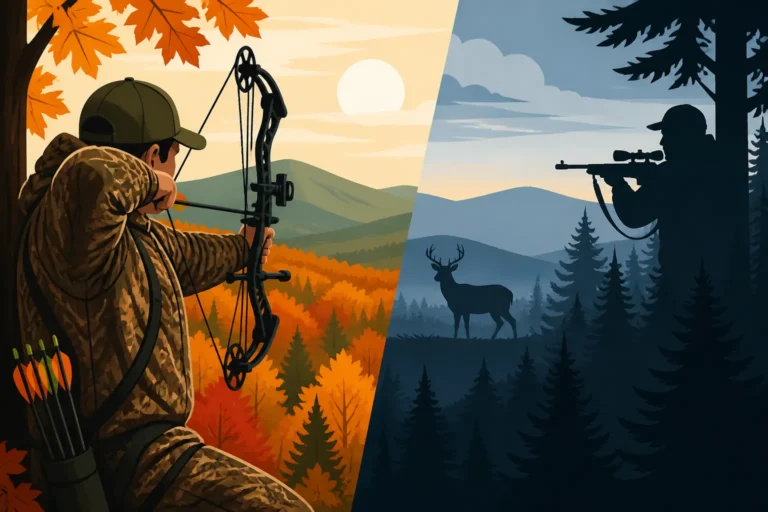
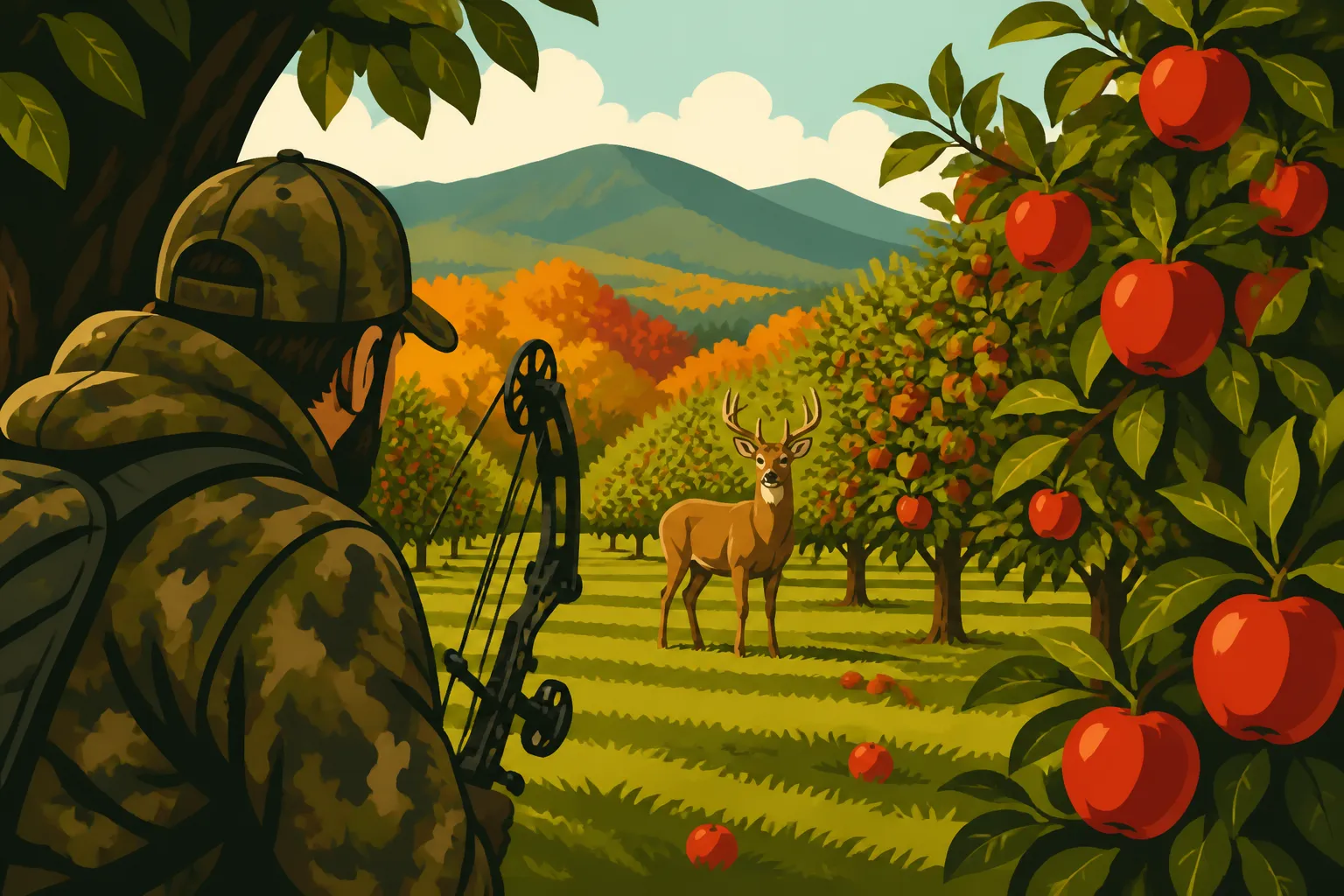
Hunting a standing apple orchard in Vermont can be incredibly rewarding, but it’s far from a guaranteed success. Deer are highly adaptive, and while apples are a prime attractant, their patterns around these sweet treats can be incredibly frustrating to decipher. From pinpointing the exact moment the fruit hits the ground to contending with changing winds and potential hunting pressure, getting it right takes dedication and smart strategy. This guide will help you unpack the nuances of hunting these natural deer magnets, offering detailed insights into how to increase your odds for a successful encounter.
Understanding Deer Behavior in Vermont Apple Orchards
Deer, especially in Vermont, are opportunistic feeders. When acorns, beechnuts, or other hard mast crops are abundant, they might scatter. But when apples start dropping, it’s like ringing the dinner bell. Understanding why and how they utilize these orchards is the first step to hunting them effectively.
Why Apples Are Irresistible to Whitetails
There's no mystery here: apples are a high-energy food source, packed with sugars and nutrients that deer crave, especially as they gear up for the rut and the lean winter months. Think about it – a deer can get a lot of calories from a few mouthfuls of fallen apples, far more easily than browsing on twigs and leaves. This makes orchards, whether small abandoned groves or larger, managed operations, high-value locations. In regions where natural mast crops might be scarce in a given year, perhaps Hunting After a Poor Acorn Year, apples become even more critical, concentrating deer movement significantly. These areas act as a magnet, drawing deer from surrounding timber and creating predictable feeding patterns, at least for a while.
The key is that deer don't just eat any apple. They'll often pass over unripe or fermented apples for fresh, sweet drops. Once a preferred variety starts falling, you'll see intense activity until that food source is depleted or moves past its prime. This brief window of peak attractiveness is what you’re trying to identify and exploit.
Typical Deer Movement Patterns Around Orchards
Deer rarely live in an orchard, especially during daylight hours. They use the cover of surrounding woods for bedding and security, venturing into the open orchard primarily to feed. This means your focus shouldn't just be on the trees themselves, but on the trails leading in and out, and the edge habitat providing transition zones.
During early archery season, especially in September or early October, deer might be less nocturnal, venturing into orchards earlier in the evening or lingering later in the morning. As the season progresses and hunting pressure mounts, deer often become more wary, pushing their feeding times further into the twilight hours or even exclusively under the cover of darkness. They will often approach an orchard from downwind, circling to scent-check the area before committing to feed. Recognizing these travel corridors and understanding how wind dictates their approach is crucial. You might see specific entry points where deer feel safest, often where thicker cover meets the orchard edge, or along a subtle rise that offers a bit more concealment. A robust mapping system like GoHunt can help you visualize these transitions, highlighting potential funnels and bedding areas adjacent to the apple trees.
Scouting an Apple Orchard for Success
Effective scouting is paramount when hunting apple orchards. You’re looking for more than just apples; you’re looking for evidence of consistent deer use and the routes they prefer. Without proper intel, you're just guessing, and deer will usually win that game.
Identifying Active Trees and Fresh Sign
Not all apple trees are created equal, and not all orchards are equally productive year after year. Some varieties drop earlier, some later, and some simply produce more fruit. Your scouting should begin well before the season, identifying which trees are bearing heavily and showing signs of an impending drop. Look for clusters of ripe apples on the branches that are just starting to loosen.
Once apples are on the ground, search for fresh sign. Rubs and scrapes can appear around orchard edges as bucks begin to mark their territory, but the most telling sign will be tracks and droppings. Large, fresh tracks leading into and out of the orchard, especially if they are consistently crossing a specific trail, are gold. Piles of fresh, apple-filled droppings indicate recent and heavy feeding activity. Focus on the areas directly under the most productive trees. If apples have been on the ground for a while, you might notice fermentation, indicated by a strong, sweet, almost alcoholic smell and apples that are starting to break down. Deer will still eat these, but they prefer fresh fruit. Pay attention to how many apples are being eaten versus how many are rotting – this tells you about the intensity of use. Checking these specific spots with a trail camera can confirm daylight activity, helping you decide on your ultimate setup, as discussed in Best Trail Camera Placement on Public Land.
Locating Deer Travel Routes and Entry Points
Deer typically use the path of least resistance, but they also prioritize security. Look for distinct trails leading from bedding areas in thick cover (like pines or dense underbrush) towards the orchard. These trails might be subtle, just worn paths through the grass or leaves, or they might be well-defined runways if the orchard is heavily used. Focus on natural funnels: narrow strips of woods between fields, draws, or fence lines that guide deer movement.
Deer will often stage in thicker cover just outside the orchard before stepping out to feed, especially if the orchard is open or receives pressure. Identify these staging areas – look for beds, additional droppings, or even small rubs and scrapes in the transition zone. Pay close attention to the wind direction relative to these travel routes. Deer almost always approach a feeding area from downwind to scent-check for danger, so understanding Wind and Thermals in Steep Green Mountain Terrain (even if your orchard isn't in steep country, the principle applies to any subtle air movement) is vital for predicting their exact approach. During your scouting, consider using a mapping app, perhaps with the GoHunt platform, to mark these observations. Its satellite imagery can help you identify these subtle terrain features and dense cover areas that might not be obvious from the ground.
Strategic Setup: Treestands, Ground Blinds, and Ambushes
Once you've done your homework and identified where deer are consistently entering and feeding in the orchard, it's time to plan your ambush. The right setup, taking into account wind, cover, and approach, is the difference between a close encounter and a deer busting you.
Choosing Your Stand Location
The most critical factor in choosing a stand location near an apple orchard is the wind. You absolutely must set up so your scent is blowing away from where you expect deer to approach and feed. This often means having multiple stand options for different wind directions. For instance, if deer are entering from the west, you'd want a stand on the east side of their approach, with the wind blowing your scent eastward, away from their path.
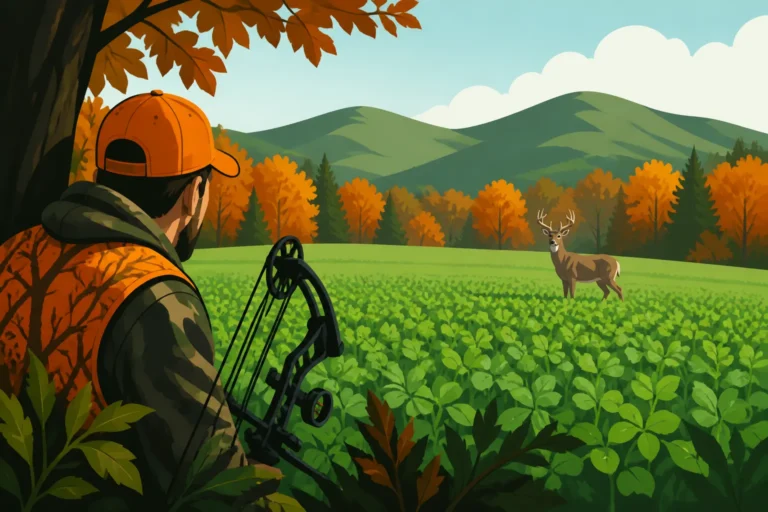
Beyond wind, consider natural cover. A large oak or maple tree on the edge of the orchard, offering good concealment and a clear shot lane, is ideal. You want to be close enough for an ethical shot but far enough not to be silhouetted against the sky or easily picked off by a wary deer. Positioning your stand overlooking a primary travel route, or directly above the hottest dropping apple trees, can pay dividends. If the orchard is on public land, remember that treestand rules might dictate what kind of stand you can use and how long it can stay up. For an early season bowhunt, a mobile setup might be best, allowing you to react quickly to changing deer patterns or apple drops. Consider what it takes for Hanging a Stand on a Champlain Valley Field Edge, applying similar principles to the orchard perimeter.
Effective Use of Ground Blinds
Ground blinds can be an excellent option for hunting apple orchards, particularly if suitable trees for treestands are scarce, or if you prefer a more concealed, comfortable setup. They offer maximum concealment and can be set up quickly. However, placement is key. A ground blind should be brushed in meticulously with natural vegetation to break up its outline and help it blend into the surroundings. Think about how to effectively Brushing In a Blind on a Field Edge, and apply those same principles.
Position your blind along a well-used travel corridor or on the downwind side of a primary feeding area. It's often best to set up your blind a few days or even weeks before you plan to hunt, allowing deer to get accustomed to its presence. This is especially true in areas with higher hunting pressure. Also, consider the background of your shots; you want a clear line of sight, but also a safe backstop. When hunting from a ground blind, be mindful of your entrance and exit routes to avoid spooking deer that might already be in the orchard or staging nearby.
Mastering Entry and Exit Strategies
Your approach and departure from an apple orchard stand or blind are just as crucial as the setup itself. A sloppy entry or exit can ruin a hunt before it even begins, broadcasting your presence to every deer in the vicinity. Always plan a route that minimizes disturbance and keeps you out of known deer travel corridors.
If possible, use terrain features like ditches, creek beds, or dense tree lines to conceal your movement. Walk slowly and quietly, especially in the pre-dawn darkness or evening twilight. Avoid walking directly through the orchard itself, opting for a perimeter approach. If you’re hunting early in the morning, get to your stand well before daylight and wait patiently. For evening hunts, try to exit after dark, giving deer time to filter out of the orchard. This minimizes the risk of spooking deer that might be heading to the orchard for a late-night feast. Using a quiet headlamp with a red-light setting can help you navigate without alarming nocturnal animals. Consider scouting specific routes that allow you to move silently, such as a grassy logging road or a powerline cut that parallels the timber edge. GoHunt's detailed topo and aerial maps can assist immensely in planning these discreet routes, marking waypoints for quiet entry and exit points.
Timing Your Hunt: The Apple Orchard Calendar
The timing of your hunt in a standing apple orchard is everything. Deer patterns around apples are highly seasonal, dictated by the ripeness and availability of the fruit. Missing the peak window means missing out on the best opportunities.
Early Season vs. Late Season Apple Drops
Vermont's apple season generally begins in late August or early September, with some early varieties dropping. This coincides perfectly with the start of Hunting Vermont's Expanded Archery Zones in September. During these early weeks, deer are often still on a relatively consistent summer pattern, and the novelty of fresh apples can draw them in during daylight hours. This is an excellent time for bowhunters to capitalize on predictable feeding. The leaves are still thick on the trees, providing good cover, but also making visibility a challenge.
As October progresses, more apple varieties ripen and drop, often coinciding with the regular archery opener. This is usually the peak apple feeding time. By late October and into November, many apples will have been consumed or rotted. However, some hardy varieties, especially wild apples, can persist well into the later rifle and muzzleloader seasons, sometimes even under a blanket of early snow. These late-season apples, though less numerous, become incredibly valuable as other food sources diminish, making them important Late-Season Food Sources for Vermont Whitetails. Your trail camera footage and scouting observations will be key to determining if a particular orchard is still attracting deer in the later months.
The Impact of Hunting Pressure and Weather
Hunting pressure can drastically alter deer behavior in an apple orchard. An orchard that sees a lot of foot traffic or nearby shooting during the early season will often become a nocturnal feeding ground very quickly. Deer will learn to associate daylight with danger, only venturing into the open after dark. If you're hunting public land, or a private parcel that's heavily hunted, you need to adjust your strategy. This might mean hunting tighter to bedding areas or focusing on smaller, more secluded apple trees that receive less pressure. Knowing where to hunt Finding Ground Others Walk Past can be a game-changer.
Weather also plays a significant role. A sudden cold snap can trigger increased feeding activity as deer try to pack on calories. Rain can wash away human scent, making for a good entry, but heavy rains can also cause apples to rot faster. Snowfall can be a double-edged sword: fresh snow can concentrate deer on remaining food sources, but deep snow can make access to apples difficult, especially for smaller deer. Always check the forecast and adapt your plans accordingly.
Navigating Orchard Challenges and Vermont-Specific Considerations
Hunting an apple orchard in Vermont comes with its own unique set of challenges, from understanding landowner relations to adhering to state regulations. Being prepared for these aspects ensures a smoother, more ethical hunt.
Public Land vs. Private Land Orchards
Vermont boasts a significant amount of public land, including sections of the Green Mountain National Forest and various Wildlife Management Areas. While finding mature apple trees on these public parcels can be challenging, they do exist, often as remnants of old homesteads or abandoned farms within the timber. If you do locate one, be prepared for potential hunting pressure from other hunters. Scouting thoroughly for secluded, less-pressured trees becomes even more important. Using an app like GoHunt can help identify potential public land boundaries and topography that might hold hidden orchards.
However, many prime apple orchards in Vermont are on private land. This means obtaining permission from the landowner is absolutely essential. Showing respect, asking politely, and offering to help with chores or share venison can go a long way. Understanding Getting Private Land Permission in Vermont and the state's specific Vermont Trespass and Permission Law is critical before stepping foot on private property. Always carry written permission if requested by the landowner.
| Aspect | Early Season (Sept-Oct) | Late Season (Nov-Dec) |
|---|---|---|
| Apple Availability | High (fresh drops) | Medium-Low (fermented/eaten) |
| Deer Activity | Often visible in daylight | More nocturnal, wary |
| Cover | Thick foliage | Sparse foliage |
| Hunting Pressure | Moderate | High (rifle season) |
| Preferred Weapon | Archery, Crossbow | Rifle, Muzzleloader, Archery |
| Key Strategy | Patterning specific trees | Locating remaining sources, cover hunting |
Dealing with Competing Food Sources and Pressure
Apple orchards are rarely the only food source for deer in Vermont. Acorns, beechnuts, browse, and agricultural crops like corn or alfalfa can all draw deer away, or at least dilute their focus on apples. If the acorns are dropping heavily in a particular year, deer might prioritize those over apples for a period. Constantly scouting and adapting to what food source is most attractive at any given time is vital.
Additionally, human pressure, whether from hunters, hikers, or even local residents picking apples, can quickly make deer nocturnal or push them out of an orchard entirely. If you notice a particular orchard has become a daylight ghost town, it might be time to change tactics. Instead of waiting in the orchard, try to intercept deer on their way to or from the orchard, particularly along their travel corridors during twilight hours. This might mean setting up further back in the woods, closer to bedding areas, using a ground blind or a well-concealed stand to ambush them as they transition. For those hunting during the rifle season overlap, remember that blaze orange requirements are crucial, as outlined in How Much Blaze Orange Vermont Requires.
Hunting a standing apple orchard in Vermont offers a thrilling challenge and the potential for a memorable hunt. By understanding deer behavior, meticulously scouting, strategically setting up, and timing your approach with the availability of the fruit, you can significantly increase your chances of success. It's a game of patience, observation, and adaptability, but the reward of a hard-earned deer taken over a pile of fallen apples is truly sweet.
Disclaimer
Please remember that hunting regulations and seasons in Vermont can change. Always consult the latest Vermont Fish & Wildlife Department regulations before planning any hunt. This guide is for informational purposes only and does not substitute for official legal guidelines. Respect landowners and follow ethical hunting practices at all times.