Hunting the Statewide Fall Archery Turkey Season
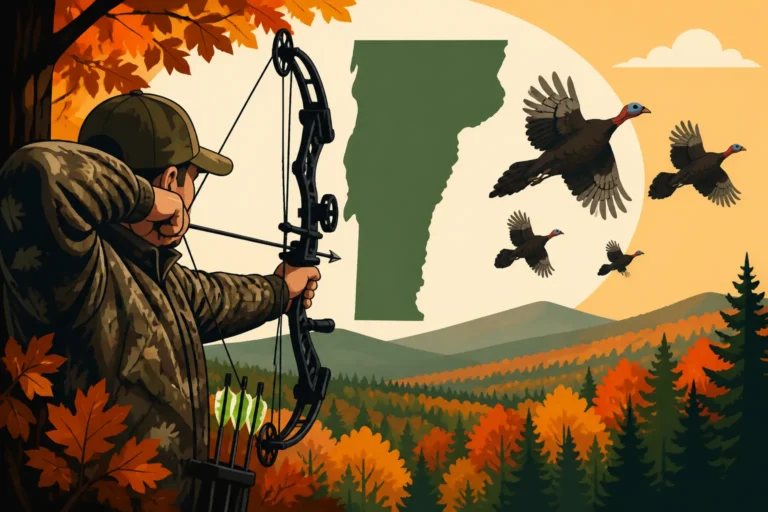
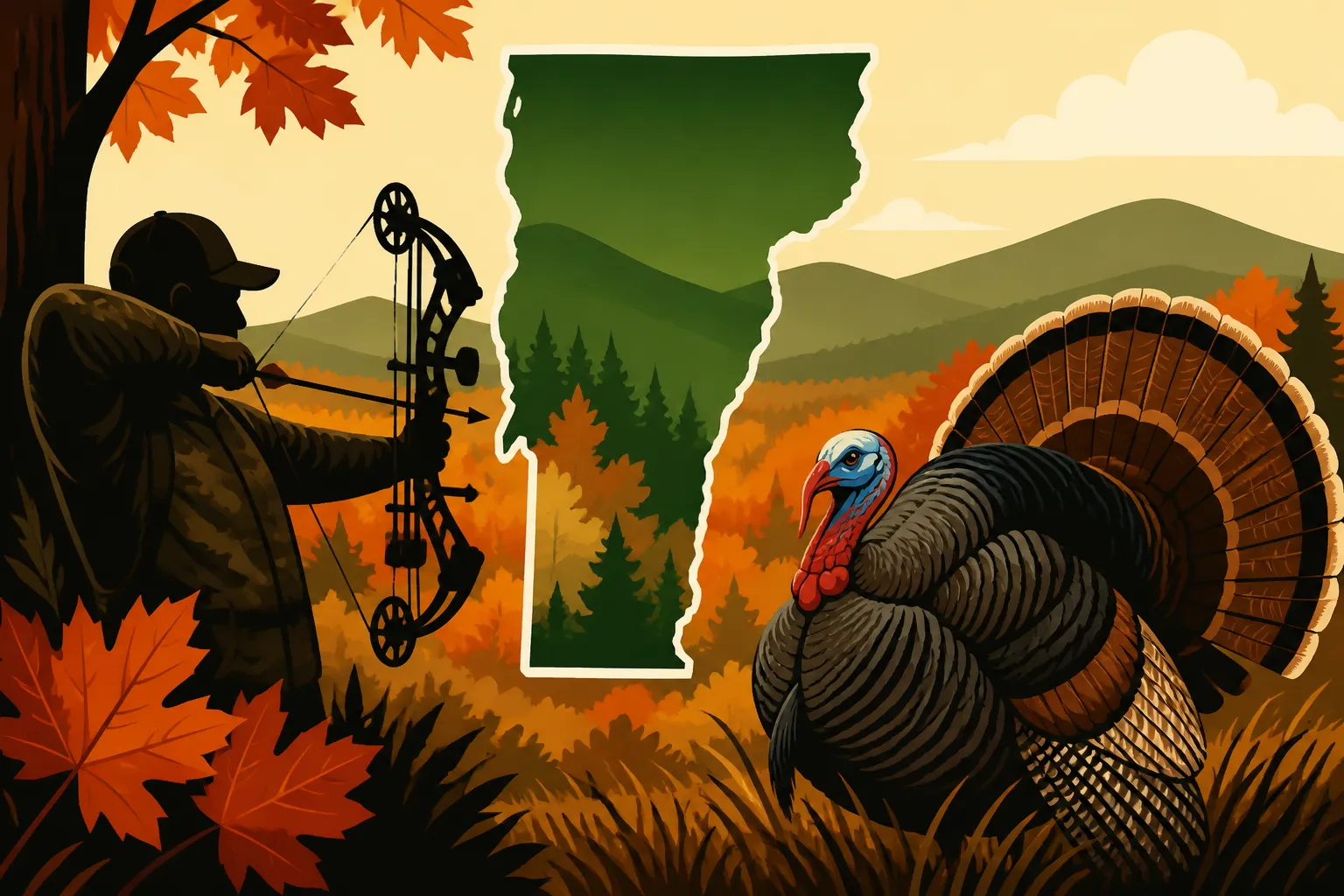
There's something uniquely challenging and incredibly rewarding about pursuing wild turkeys with archery gear, especially during Vermont's statewide fall season. It's a whole different ballgame from the spring gobbler hunts, demanding a significant shift in strategy, more patience, and a deeper understanding of fall turkey behavior. This guide will walk you through the nuances of hunting Vermont's statewide fall archery turkey season, helping you understand the regulations, refine your scouting methods, and master the tactics needed to fill your tag with a bow.
The Unique Challenge of Vermont's Fall Archery Turkey Season
Hunting turkeys with a bow in the fall is a completely different beast than the strutting, gobbling frenzy of spring. In autumn, the woods are quieter, the leaves are falling, and turkeys are typically in large flocks, focused on feeding and survival rather than breeding. This shift demands a more strategic, often more patient, approach from the archer. Forget the run-and-gun tactics of spring; fall archery is about finesse, stealth, and a deep understanding of the birds' daily routines.
Key Season Dates and Permits
Vermont offers a generous statewide fall archery turkey season, providing ample opportunity for dedicated hunters. This season typically runs from early October through mid-November, often overlapping with other popular hunting seasons. It’s critical to double-check the exact dates each year with the Vermont Fish & Wildlife Department, as they can shift slightly. You'll need a valid Vermont hunting license, along with a fall turkey permit. Unlike the spring season's two-bird limit for residents, the fall bag limit for archery is typically one bird of either sex, so you'll want to be sure of your shot.
It's also important to remember that while this article focuses on the statewide archery season, certain WMUs (Wildlife Management Units) also allow Hunting Vermont's Fall Shotgun Turkey WMUs during a specific window, which is separate from the archery season. Always be aware of the specific regulations for your chosen hunting area, and carry all required permits and licenses with you in the field. Understanding the nuances of Vermont Fall Turkey Permit Rules and the Vermont Fall Turkey Bag Limit is your first step to a successful hunt.
Why Fall Archery Hunting is Different
The primary difference in fall turkey hunting is the birds' social structure and their priorities. Instead of lone, testosterone-fueled gobblers, you'll be dealing with flocks that can range from a handful of birds to dozens, often composed of hens, jakes, and sometimes mature gobblers. These flocks are highly organized and incredibly wary. Their collective eyes and ears make getting close a monumental task.
Furthermore, calling strategies differ immensely. While spring is about mimicking a hen to draw in a gobbler, fall is often about "breaking up" a flock and then calling the scattered birds back together. This requires a much different cadence and repertoire of calls, focusing on lost yelps, kee-keess, and assembly calls rather than aggressive gobbling or cutting. The terrain and cover also play a larger role; with falling leaves, concealment becomes even more challenging, making ground blinds or natural cover paramount for close-range archery shots.
Mastering Fall Turkey Scouting and Location
Successful fall archery turkey hunting hinges on meticulous scouting. You can't just wander into the woods hoping to stumble upon a flock; you need a solid plan based on where turkeys are feeding, roosting, and traveling. This involves a combination of pre-season scouting, in-season observation, and utilizing modern tools to narrow down your focus. It's about understanding the land and how the birds use it.
Identifying Prime Food Sources
Turkeys in the fall are driven by food. Their primary goal is to pack on weight before winter, so finding their preferred buffet is key. Hard mast, like acorns and beech nuts, are absolute magnets. If you can locate a ridge dotted with mature oaks or a beech flat, you're likely to find turkeys scratching around. Don't overlook soft mast, either; wild grapes, crabapples, and even lingering cultivated apples in old orchards can draw birds in. Hunting a Standing Apple Orchard can be incredibly productive, especially earlier in the fall season.
Waste grain in agricultural fields, particularly corn, can also be a significant draw, especially later in the season after harvest. Identifying these food sources early and understanding how they're being utilized by flocks is paramount. Pay attention to how long the food source will be viable; acorns drop for a limited time, while corn fields might offer sustenance well into late fall. Keep an eye on local mast reports or historical trends to anticipate where the birds might be concentrated.
Deciphering Turkey Sign and Travel Patterns
Once you've identified potential food sources, it's time to look for tangible turkey sign. This includes tracks, droppings, and scratchings. Fresh scratchings, where turkeys have raked leaves aside to get at fallen nuts, are a sure indicator of recent activity. Look for them in tight patterns, signifying a flock working an area. Tracks are also crucial; differentiate between adult birds and jakes or poults by size. Droppings can tell you about their diet and the recency of their presence.
Beyond feeding areas, you need to locate roosting sites. Turkeys typically roost in tall, mature trees, often near water or on a ridge line. Look for droppings and feathers on the ground beneath these trees. Observing flight paths at dawn and dusk can confirm roosting locations. Identifying travel corridors between roosts, feeding areas, and water sources is also vital. These might be subtle trails through the woods, logging roads, or edges of fields. Using mapping applications can help you visualize these patterns and set up ambushes along key routes.
Utilizing Modern Scouting Tools
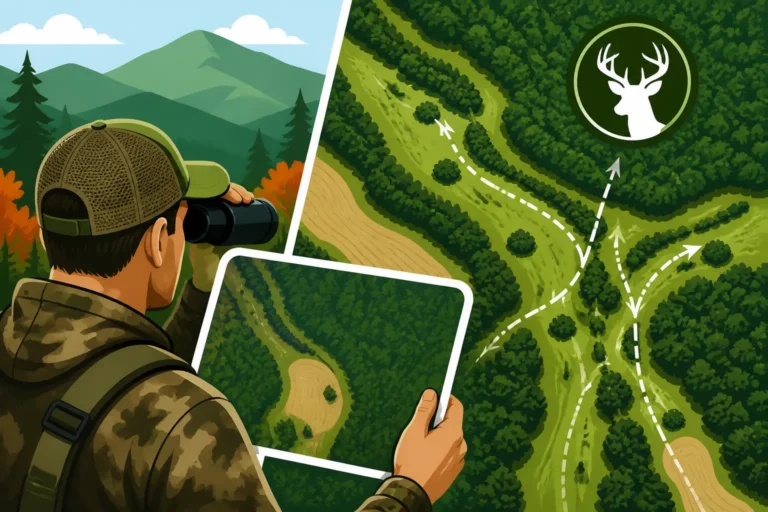
Today's technology offers an incredible advantage for fall turkey scouting. While boots-on-the-ground scouting is irreplaceable, digital tools can save you valuable time and legwork. Satellite imagery and topographic maps are essential for identifying potential food sources like oak ridges or agricultural fields, as well as terrain features that might serve as travel corridors or roosting sites. Platforms like GoHunt provide detailed satellite imagery and property boundaries, helping you identify prime public hunting land or even potential private land opportunities if you plan to Knocking on Doors in Champlain Valley Farm Country.
Moreover, many hunters utilize trail cameras, even for turkeys. Placing cameras along potential travel routes or near identified food sources can provide invaluable intelligence on flock size, composition, and movement patterns. Just be sure to check the specific regulations regarding trail camera use on public land in Vermont. The goal is to build a comprehensive picture of turkey activity before you even shoulder your bow, and tools like GoHunt are excellent for this detailed planning. Taking the time to do this type of pre-season scouting is just as important as Scouting Vermont Public Land Before Season for deer.
Advanced Archery Tactics for Fall Turkeys
The core of fall archery turkey hunting revolves around a few key strategies: breaking up flocks, calling them back together, and utilizing concealment effectively. These tactics require patience, precision, and a good understanding of turkey psychology. Unlike the often aggressive response of spring gobblers, fall birds are much more cautious and prone to circling.
The Art of the Flock Break
This is arguably the most effective and time-honored tactic for fall turkey archery. The idea is simple: locate a flock, move in as close as possible, and then intentionally spook them, sending them scattering in all directions. The more effectively you can break up the flock, the better. Once the birds are separated, their instinct will be to reassemble. This creates calling opportunities.
After you've busted the flock, immediately find a good setup. This means positioning yourself where you have good concealment, a clear shooting lane, and a good vantage point for incoming birds. The scattered birds will often start calling within 15-30 minutes, trying to locate their flock mates. This is your cue to begin calling. Your setup location is critical here; consider using a natural blind or deploying a ground blind quickly. This strategic movement is a classic part of Working a Fall Flock Apart Statewide With a Bow.
Calling Scattered Birds Back In
Once a flock has been broken, the calling strategy shifts dramatically from spring. You're no longer trying to seduce a gobbler; you're playing on the turkeys' strong social instincts to regroup. Start with soft, pleading "lost yelps" and "kee-kees." These calls mimic a young bird or a hen trying to locate the rest of its family. Don't overcall; listen for responses. Turkeys will often respond softly at first, or just appear silently.
As birds get closer, you might transition to more urgent "assembly yelps." Patience is absolutely paramount. Birds may circle, approach from unexpected directions, and take their sweet time. Avoid moving or making any sudden sounds. The key is to sound like a lost bird, not a hunter. If you hear multiple birds, try to identify which one is coming in your direction and focus your attention there. Learning to execute a perfect Breaking Up a Fall Turkey Flock followed by precise calling can be incredibly effective.
Ambushes, Stalking, and Decoy Use
While flock breaking is primary, other tactics can be effective. Ambushes along known travel routes between roosts and feeding areas can work, particularly if you have an idea of their daily routine. Setting up before first light or in the late afternoon near a food source or on a pinch point is a solid strategy. This requires scouting their exact paths.
Stalking, while incredibly difficult with turkeys due to their keen eyesight, can occasionally pay off in specific situations, such as when birds are feeding noisily in thick cover during windy conditions. This requires extreme stealth and slow, deliberate movements. For archery, getting within bow range (typically 20-30 yards) is the biggest challenge.
Decoys can be used, but sparingly and strategically in the fall. A single hen decoy or a jake decoy can sometimes draw in curious birds after a flock break, particularly if you're trying to coax a wary bird into a shooting lane. Placement is crucial; ensure the decoy is visible but doesn't give away your position. Always be mindful of your background and potential sight lines. Using a ground blind or natural cover for concealment when employing decoys is highly recommended.
Essential Gear and Bowhunting Considerations
Bowhunting fall turkeys demands specific gear choices to maximize your chances of success. From the broadhead on your arrow to the camouflage you wear, every piece of equipment plays a role in getting within range and making an ethical shot on these notoriously wary birds.
Choosing the Right Bow and Broadheads
For fall turkey hunting, your compound bow or crossbow should be sighted in precisely for the distances you anticipate shooting. Most turkey shots will be relatively close, often within 30 yards, so practicing at these ranges is critical. Accuracy is far more important than raw power for turkeys.
When it comes to broadheads, many archers opt for large cutting diameter mechanical broadheads. These deliver maximum shock and a quick, humane kill on a bird that doesn't offer a huge vital area. However, fixed-blade broadheads can also be effective if they are razor sharp and placed accurately. The key is to aim for the base of the wing where it connects to the body, or the "pocket" area, to strike vital organs and break bone for maximum shock. Avoid head and neck shots with a bow unless you are incredibly confident and practice specifically for it; the margin for error is simply too small for consistent success. You'll want a broadhead that performs well in timber. When considering options, research for the Best Broadhead for a Vermont Whitetail can often inform choices for turkeys too, as many hunters use similar setups for both.
Camouflage, Concealment, and Blinds
Turkeys have incredible eyesight, often seeing in color and detecting even the slightest movement. This makes camouflage and concealment paramount. Full head-to-toe camo is essential, and a face mask or face paint is non-negotiable. Break up your outline as much as possible. A leafy suit or realistic pattern designed for varied foliage will serve you well. For effective concealment in Vermont's diverse woodlands, consider patterns that blend with the Camo Patterns for Vermont Hardwood Cover or even softer greens if hunting earlier in the season.
Many fall archery turkey hunters utilize ground blinds. These offer excellent concealment, allow for some movement, and help break up your silhouette. Pop-up blinds are portable and quick to set up, making them ideal after a flock break or for ambushing birds along a travel route. Natural ground blinds, constructed from fallen logs, brush, and thick cover, are also highly effective and can be built to perfectly match the surroundings. Whatever your choice, ensure you have clear shooting lanes from your blind while maintaining maximum concealment.
Overcoming Common Challenges in Fall Archery Turkey Hunting
Vermont's fall archery turkey season, while rewarding, presents its own set of frustrations. From wary birds to unpredictable weather, success often comes down to adaptability and perseverance. Knowing what challenges to expect and how to mitigate them can make all the difference between an empty game bag and a successful harvest.
Dealing with Wary Birds and Silent Approaches
Perhaps the biggest hurdle in fall turkey hunting, especially with a bow, is the inherent wariness of the birds. Unlike spring gobblers that can sometimes be drawn in aggressively, fall flocks are highly cautious. They often hang up out of range, circle widely, or come in silently, detecting danger before you even see them. This can be incredibly frustrating when you've done everything right in terms of scouting and calling.
To combat this, patience is your greatest virtue. Resist the urge to call too much or too aggressively. Listen intently for subtle sounds—leaf rustles, soft clucks—that indicate a bird approaching silently. Use your eyes to scan for movement long before you expect to see a full bird. Often, you'll spot a head popping up, or a shadow moving through the undergrowth. Being prepared for a silent approach means having your bow ready, your shooting lanes clear, and minimizing any potential movement from your position. Remember, turkeys trust their eyes more than their ears in the fall.
Weather and Terrain Considerations
Vermont's fall weather can be notoriously unpredictable, ranging from warm, sunny days in early October to cold, damp, or even snowy conditions by mid-November. This directly impacts both turkey behavior and your comfort and effectiveness as a hunter. Turkeys might alter their feeding patterns, seeking shelter in thick softwoods during inclement weather, or concentrating on specific food sources that are more exposed on sunny days.
You'll need to layer your clothing appropriately to stay comfortable and focused throughout your hunt. Don't underestimate the cold when sitting still for extended periods, especially during a late-season sit. Beyond personal comfort, the terrain itself presents challenges. Vermont's varied landscape, from steep Green Mountain ridges to the more open Champlain Valley, means you'll encounter diverse conditions. Navigating these areas silently, especially with a bow, requires practice. Wet leaves can make stealth difficult, while dry leaves can make you sound like a herd of elephants. Plan your approach routes carefully, taking into account the wind and thermals, and remember the importance of Wind and Thermals in Steep Green Mountain Terrain.
Vermont Fall Archery Turkey Season Quick Reference
| Category | Description |
|---|---|
| Season Dates | Typically early October to mid-November (check VT F&W for exact annual dates). |
| Permit Required | Valid Vermont Hunting License + Fall Turkey Permit. |
| Bag Limit | One turkey of either sex. |
| Weapons Allowed | Archery equipment (compound bow, recurve bow, crossbow). |
| Primary Goal | Locate feeding flocks, break them up, and call scattered birds back in. |
| Key Food Sources | Acorns, beech nuts, wild grapes, apples, waste corn. |
| Calling Focus | Lost yelps, kee-kees, assembly yelps (playing on social instincts). |
| Concealment | Full camouflage, face mask, ground blinds (natural or pop-up), minimal movement. |
| Broadhead Choice | Large cutting diameter mechanical broadheads or sharp fixed blades for maximum shock; aim for wing butt/body cavity. |
| Scouting Tools | Topographic maps, satellite imagery (e.g., GoHunt), trail cameras for movement patterns, boots-on-the-ground. |
| Challenges | Wary birds, silent approaches, unpredictable weather, maintaining stealth in varied terrain. |
Mastering the statewide fall archery turkey season in Vermont is a rewarding pursuit that builds character and sharpens your hunting skills. It’s a game of patience, stealth, and a deep respect for the incredible senses of wild turkeys.
Disclaimer
The information provided in this guide is for informational purposes only and is not a substitute for official regulations. Always consult the most current Vermont Fish & Wildlife Department regulations and laws before planning any hunting trip. Hunting regulations can change annually, and it is the hunter's responsibility to be fully aware of and comply with all applicable rules and seasons.