Vermont’s Resident-Only Two-Bird Turkey Limit
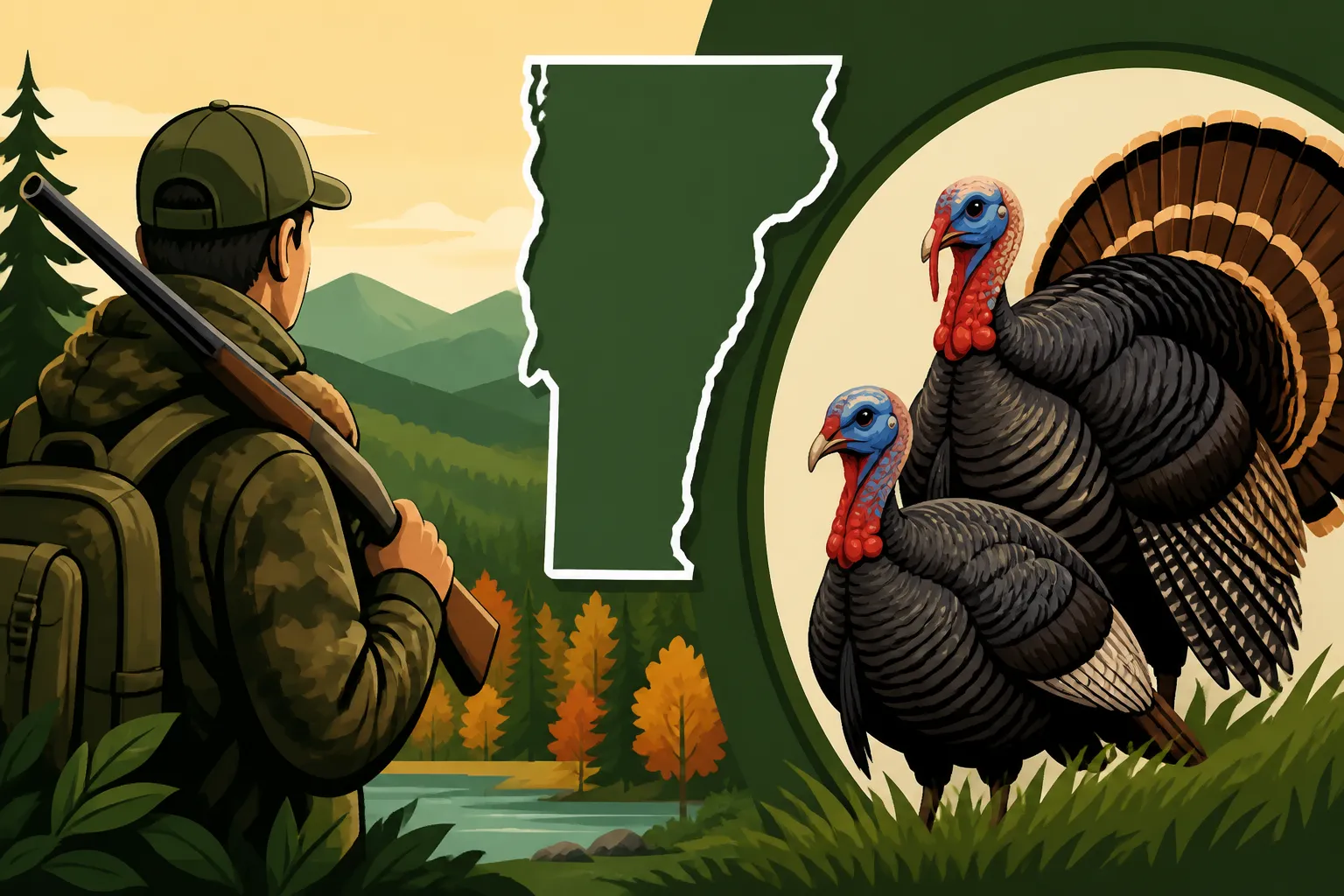
There's nothing quite like the sound of a spring gobbler hammering on the roost in the predawn light, and for Vermont residents, that excitement is amplified by a truly unique opportunity: the chance to harvest not one, but two bearded birds during the spring season. Many hunters, especially those new to the Green Mountain State or coming from areas with different regulations, often find themselves a bit confused by this generous limit. This comprehensive guide is here to untangle all the details, helping you understand, prepare for, and ultimately make the most of Vermont's resident-only two-bird spring turkey limit.
Understanding Vermont's Generous Spring Turkey Season
Spring turkey hunting in Vermont is a cherished tradition, a vibrant ritual that shakes off the last vestiges of winter with the thunderous drumming and gobbling of lovesick Toms. What makes it particularly special for those of us who call Vermont home is the ability to tag a second bird. This isn't just a random perk; it's a carefully considered management strategy that offers incredible opportunity while maintaining a healthy turkey population.
The Resident Advantage: Why Two Birds?
The decision to allow Vermont residents to harvest two bearded turkeys in the spring season is rooted in both wildlife management principles and a desire to foster local hunting participation. The Vermont Fish & Wildlife Department closely monitors turkey populations across the state, and with a robust and thriving wild turkey population, they've determined that allowing residents to take an additional bird doesn't negatively impact the overall health or reproductive success of the flock. In fact, it can be a tool to manage localized populations in areas where numbers are particularly high. This resident-only benefit also serves to encourage Vermonters to get out into the woods, connecting with nature and supporting local conservation efforts through license sales.
When you look at our neighboring states, or even just consider nonresident hunters visiting Vermont, you'll quickly see how unique this is. Nonresidents are typically limited to one bearded bird for the entire spring season. This distinction highlights the value placed on local hunters and their role in the state's wildlife heritage. It means residents often have a little less pressure to make that first bird count, offering a chance to learn, experiment, and enjoy the experience even more before needing to focus on that second tag. It's a testament to how successful the wild turkey restoration efforts have been here in Vermont, allowing for such a generous and sustainable harvest.
Season Dates and Key Windows for Spring
Vermont's spring turkey season typically kicks off in early May and runs for a little over three weeks, often concluding around the end of the month. This window provides ample opportunity, but it’s important to understand that turkey behavior changes significantly from the opening day to the final hours. Early in the season, gobblers are often still grouped up, highly vocal, and actively seeking hens. This can be a fantastic time to locate birds on the roost and get them to commit. The first week or two are often the most action-packed, as the birds are less pressured and more eager to respond to calls.
As the season progresses into mid-May, hens begin to nest, and gobblers might become a bit more "henned up," meaning they're focused on breeding with live hens and can be tougher to pull away. This is where patience and persistence truly pay off. Towards the end of May, many hens are on their nests, and gobblers might once again become more responsive as they search for the remaining receptive hens. Additionally, don't forget the special Vermont Youth and Novice Weekend that typically precedes the regular season. This offers a fantastic chance for young or new hunters to get out, often with less competition, and hone their skills under the guidance of a mentor. Understanding these subtle shifts in behavior and timing is crucial for maximizing your chances, especially when you're aiming for that second bird.
Eligibility and Permit Requirements for Residents
Before you can even think about the thrill of a double spring gobbler, you need to make sure all your ducks—or rather, turkeys—are in a row when it comes to licenses and permits. Vermont has a clear, straightforward system, but missing a single step can put a damper on your hunting plans. Understanding the requirements upfront will save you headaches and ensure you're legally pursuing those spring Toms.
Securing Your Vermont Hunting License
First things first: every hunter in Vermont needs a valid hunting license. As a resident, you have several options, but the most common is the annual resident hunting license. You can purchase this conveniently through the Vermont Fish & Wildlife Department's online portal, over the phone, or in person at various license agents throughout the state. It's truly never been easier to get your paperwork sorted. Beyond the base license, you'll also need to purchase a specific turkey permit, which is an add-on to your hunting license. This permit is what grants you the right to hunt turkeys in the state during the designated seasons.
When you're out in the woods, the law requires you to be able to produce proof of your license and permit if requested by a game warden. While carrying a physical copy is always a good idea, the Vermont Fish & Wildlife Department has embraced technology, and you can often carry proof of your license on your phone through their app. This can be a real lifesaver when you're deep in the timber and realize your paper copy might be back at camp. For a full breakdown of options, check out our guide on Vermont Resident License Options to ensure you pick the best fit for your hunting plans.
The Specifics of the Spring Turkey Permit
The spring turkey permit is specifically designed to cover the spring season's regulations, including that coveted two-bearded-bird limit for residents. When you harvest a bird, whether it's your first or your second, it must be immediately tagged with a tag provided with your permit. This tag needs to be securely attached to the bird before you move it from the kill site. This immediate tagging is critical for compliance and transparency, ensuring that each harvested bird is accounted for.
Once tagged, your next crucial step is reporting your harvest. Vermont requires hunters to report their turkeys within 48 hours of harvest. This can typically be done online through the Vermont Fish & Wildlife website or via their mobile app, which is incredibly convenient when you’re out in the field and want to report quickly. This reporting system allows the department to collect vital data on harvest numbers, locations, and success rates, which in turn informs their management decisions for future seasons. It’s not just a bureaucratic step; it’s a direct contribution to the sustainable hunting opportunities we enjoy. Always double-check that you're reporting accurately, as incorrect reporting can lead to unnecessary complications.
Hunter Education and Apprentice Hunter Rules
Safety and responsible hunting are paramount in Vermont. If you were born after January 1, 1970, you are required to complete a hunter education course before you can purchase a hunting license in Vermont. This course covers everything from firearm safety and wildlife identification to ethical hunting practices and game care. It's a foundational requirement that ensures all new hunters have the knowledge and skills to hunt safely and responsibly. The good news is that Vermont offers both in-person and online courses, making it accessible for just about anyone looking to get started. For more details on this requirement, you can refer to our guide on Who Needs Vermont Hunter Education.
For those who are new to hunting or have never completed a hunter education course, Vermont also offers an excellent Apprentice Hunter License program. This allows you to hunt for a specified period under the direct supervision of a licensed, experienced mentor without first completing the full hunter education course. It’s an ideal way to get hands-on experience in the field, learn from a seasoned hunter, and decide if hunting is for you before committing to the full course. There are specific rules regarding how close your mentor must stay and what permissions are required, so it's essential to understand the Vermont Apprentice Hunter License Rules thoroughly before heading out. This program is a fantastic bridge for aspiring hunters to safely and legally enter the sport.
Strategies for Filling Both Spring Turkey Tags
Having two tags in your pocket for spring turkey season is a fantastic opportunity, but it also presents a unique challenge: how do you effectively pursue two birds, especially when turkey behavior can be so dynamic? It’s not just about getting one bird, but adapting your approach for that second chance. This often means adjusting your calling, scouting smarter, and utilizing decoy tactics that keep wary gobblers interested.
Adapting Your Calling Approach Throughout May
The secret to consistently bringing in gobblers throughout the season, especially when you're aiming for a second bird, lies in understanding that their behavior and responsiveness to calls change as May progresses. Early in the season, during the first week or so, gobblers are usually hot off the roost, eager to find hens, and often less wary. This is prime time for aggressive calling – loud yelps, cuts, and fly-down cackles can often bring a gobbler charging in. Locating a bird on the roost and using excited calls as the sun just cracks the horizon can be incredibly effective for Calling an Early May Gobbler Off the Roost. They're looking for company, and you can sound like the most eager hen in the woods.
However, as the month wears on, especially into the second and third weeks, hens start to nest, and gobblers become "henned up." This means they're often with live hens and much less likely to leave them for your calls. During this period, overly aggressive calling can sometimes spook them or simply be ignored. This is when softer, more subtle calling comes into play: purrs, clucks, and soft yelps might pique their interest without raising suspicion. You might have to be incredibly patient, letting a bird gobble on his own terms and only responding with minimal calls. When Vermont Gobblers Go Quiet in Late May, it's a signal to scale back your calling volume and frequency, focusing more on subtle sounds that mimic a comfortable, undisturbed hen. Sometimes, no calling at all, just sitting and waiting, can be the most effective strategy.
Scouting and Location for Your Second Bird
One of the biggest advantages of having two tags is that it encourages a more diverse hunting approach. Instead of putting all your eggs in one basket, you can scout and plan for multiple locations or even different Wildlife Management Units (WMUs). If you fill your first tag on a specific piece of public land or a private farm you have permission for, consider shifting your focus entirely for your second bird. This might mean exploring a completely different habitat type – perhaps moving from open agricultural fields to dense, mountainous timber, or vice versa. Utilize mapping apps like GoHunt or the Vermont Fish & Wildlife app to identify new public parcels or promising areas with limited access. These tools are invaluable for reading aerial photos, understanding topography, and finding those overlooked spots where a gobbler might feel safe.
Effective scouting isn't just about finding birds; it's about understanding their patterns and preferences. Look for fresh tracks, droppings, dusting bowls, and strut marks. Pay attention to food sources, such as areas with last year's leftover acorns or patches of early spring greens. If you've tagged your first bird in a heavily pressured area, your second bird strategy might involve getting deeper into public land, or securing permission on a smaller, less-hunted private parcel. Remember that turkey patterns can shift due to weather, breeding cycles, and hunting pressure. Being flexible and having a "Plan B" (and C!) for your second bird location significantly increases your odds. Thinking about different types of terrain can open up new opportunities, perhaps trying a Hunting a Funnel Between Two Woodlots that might offer a unique advantage.
Decoy Tactics and Setups for Pressured Birds
Decoys can be a game-changer in spring turkey hunting, especially when you're trying to coax a wary gobbler into range for that second tag. The type of decoy and how you set it up can make all the difference. For early season, when gobblers are less pressured, a single hen or a pair of hens can be incredibly effective. As the season progresses and birds become more cautious, adding a jake decoy can often provoke a territorial response from a dominant gobbler, pulling him in for a fight. However, be mindful that highly pressured birds might be wary of full strut gobbler decoys, so sometimes less is more.
When considering Decoy Placement for Pressured Spring Birds, think about visibility and angle. You want the gobbler to see the decoy from a distance, but you also want him to approach in a way that gives you a clear shot. Placing decoys where they are visible from likely travel routes, but also ensuring they're close enough to your shooting lane, is key. Setting up against a large, solid backdrop like Setting Up Against a Big Sugar Maple not only breaks up your outline but also offers vital protection from a sharp-eyed gobbler. Always consider your concealment and the sun's position – you want the sun at your back, shining on the decoy, making it more visible and keeping the gobbler from looking directly into the glare. Experiment with different setups – sometimes a single hen 15-20 yards out is all it takes, other times a jake with a hen might seal the deal.
Legalities, Ethics, and Best Practices
Successful turkey hunting isn't just about filling your tags; it's about doing so legally, ethically, and safely. The Vermont Fish & Wildlife Department has clear guidelines for a reason – to ensure the sustainability of our wild turkey resource and to promote responsible outdoor recreation. Understanding these rules is crucial, especially when you're fortunate enough to be pursuing two birds.
Understanding Bag Limits and Reporting
Vermont's two-bird resident limit for spring turkey applies to bearded birds only, and there's a critical daily bag limit of one bird per day. This means you cannot harvest two turkeys on the same calendar day. You must wait until the next day to attempt to fill your second tag. This rule helps spread out hunting pressure and encourages multiple trips afield, enhancing the overall hunting experience. It’s important to keep this daily limit in mind, especially if you get a quick bird early in the morning; you’ll have to wait to pursue your second.
Once you’ve harvested a bird, the reporting process is mandatory and straightforward. As mentioned before, you have 48 hours to report your turkey. The easiest way to do this is through the Vermont Fish & Wildlife Department’s online game harvest reporting system or their official mobile app. You'll need information from your permit and the bird itself. This quick reporting via the app is incredibly convenient, allowing you to comply with Vermont Turkey Checking Requirements even if you're deep in the woods or far from a traditional check station. Accurate and timely reporting is not just a legal obligation, but a vital part of wildlife management, providing the state with the data it needs to monitor populations and set future seasons.
Responsible Hunting and Ethical Considerations
Beyond the legal requirements, ethical hunting practices are fundamental to the sport. This means always striving for a clean, humane kill. Proper shot placement, aiming for the head or neck of a turkey, is essential to quickly dispatch the bird. Avoid "sky busting" or taking shots at birds beyond your effective range, which often leads to wounded animals and lost game. Understanding your shotgun's pattern with your chosen ammunition at various distances before the season starts is a key part of responsible hunting.
Another ethical consideration is confirming that your target is a legal bird – a bearded turkey. While most spring gobblers are clearly identifiable, sometimes jakes (yearling gobblers) can have small beards, and very rarely, a hen can have a beard. Always positively identify your target and its beard before pulling the trigger. Finally, respect for the land and landowners is paramount. If hunting private land, ensure you have explicit permission. Always leave the land better than you found it, pack out all your trash, and avoid damaging property. These actions uphold the reputation of all hunters and help ensure continued access to prime hunting grounds.
Safety First: Gear and Situational Awareness
Hunting safely means being prepared and constantly aware of your surroundings. While full blaze orange isn't typically required during spring turkey season (unlike deer rifle season), wearing it while walking to and from your hunting spot, especially on public lands where other hunters might be present, is always a smart choice. You can slip it on over your camo vest or jacket and remove it once you're set up. For more details on specific requirements, review the Blaze Orange Requirements. Always practice safe firearm handling, keeping your muzzle pointed in a safe direction and your finger off the trigger until you're ready to shoot.
Understanding your hunting area is also crucial for safety. Using a GPS device or a mapping app like GoHunt can prevent you from getting lost, help you identify property boundaries, and mark your location. These apps often work offline, which is critical in Vermont's sometimes spotty cell service areas. Be aware of other hunters – listen for calls, watch for movement, and never assume you are the only one in an area. Communication is key if you are hunting with a partner. Always tell someone where you are going and when you expect to return. Spring weather in Vermont can also be unpredictable, so dress in layers, carry rain gear, and bring enough water and snacks for your entire outing.
Maximizing Your Vermont Spring Turkey Opportunity
The two-bird limit for residents isn't just a number; it's an invitation to extend your season, refine your skills, and potentially fill your freezer with even more delicious wild game. To truly maximize this opportunity, it pays to have a strategy beyond simply hoping for the best. Thinking proactively about how you'll approach both tags can lead to a more rewarding and successful spring.
Targeting Different WMUs or Properties
One of the smartest ways to approach the two-bird limit is to spread your hunting efforts across different Wildlife Management Units (WMUs) or properties. If you've spent weeks scouting one particular area for your first bird, consider shifting your focus entirely for your second. Different WMUs can have varying turkey densities, hunting pressure, and habitat types. What works in a Champlain Valley agricultural setting might not be the best strategy for the Green Mountain National Forest. By having a few potential locations in mind, you can adapt to where the birds are, or where the pressure is lower, after taking your first gobbler.
This strategy can also help you avoid "burning out" a specific spot. If you continually hunt the same small parcel, the birds there will quickly become call-shy and wary. By moving to a fresh area for your second tag, you're presenting a less-pressured scenario. This flexibility is a huge advantage for residents, allowing you to capitalize on opportunities across the state. Remember, even if you fill your first tag on public land, you might have secured private land permission elsewhere that can now be utilized for your second bird. This kind of versatility is key to Hunting Vermont's Two-Bird Spring Limit as a Resident.
Post-Harvest Care and Meat Processing
Successfully taking one or even two wild turkeys is a fantastic achievement, but the work isn't over when the shot is fired. Proper post-harvest care is crucial for ensuring that the meat is of the highest quality. Immediately after dispatching your bird, remove its entrails to help it cool down quickly, especially if temperatures are mild. If you plan to field dress your bird and carry it out, try to get it out of the direct sun. For those planning on multiple days of hunting, bringing a cooler with ice to camp is essential for chilling your bird quickly.
Once back home, processing your turkey can be a satisfying experience. You can breast out the bird, remove the leg and thigh meat, and even save the wings for stock. There are numerous recipes and methods for preparing wild turkey, from simple fried cutlets to elaborate roasts. The lean, flavorful meat of a wild turkey is a true culinary reward, and knowing how to properly care for it from field to table maximizes your harvest. We have a great resource on Cooking a Wild Turkey Breast that can give you some fantastic ideas for enjoying your spring bounty. Don't let your hard work in the woods go to waste by neglecting proper game care!
Looking Ahead to Fall Turkey Hunting
While spring turkey season is undoubtedly a highlight for many, securing two birds can also get you thinking about year-round turkey opportunities. Vermont also offers a fall turkey season, which, for residents, presents a completely different challenge and experience. Unlike spring's focus on calling in vocal gobblers during the breeding season, fall hunting often revolves around locating flocks, breaking them up, and then calling individual birds back together. It's a much more subtle and strategic hunt, focusing on flock dynamics rather than aggressive gobbler responses.
The fall season has different permit requirements, season dates, and often specific WMUs where shotgun hunting is allowed, alongside a statewide archery window. For example, Fall Turkey Hunting Vermont's Statewide Archery Window offers a unique challenge with different equipment. The bag limits for fall are also different, typically one turkey of any sex. So, while you're savoring your spring success, keep an eye on the fall regulations. It's another fantastic chance to get out and enjoy Vermont's wild turkeys, and the experience you gain in spring will undoubtedly make you a more well-rounded turkey hunter.
Common Challenges and Troubleshooting
Even with two tags in your pocket and all the right preparations, turkey hunting can throw curveballs. Gobblers are notoriously fickle, and factors like hunting pressure and unpredictable weather can quickly turn a promising morning into a frustrating one. Being prepared for these challenges and having a few troubleshooting strategies in your back pocket can make all the difference, especially when you’re trying to seal the deal on that second bird.
Dealing with Shut-Down Gobblers
We've all been there: that gobbler that sounds off on the roost like a freight train, but once his feet hit the ground, he goes completely silent or hangs up just out of range, refusing to commit. These "shut-down" gobblers are a common frustration in spring turkey hunting. When this happens, patience is your best friend. Resist the urge to chase them immediately, as this often spooks them further. Instead, try to assess their direction of travel or where they might be headed to meet hens. Sometimes, a quiet relocation to get ahead of them or closer to their path can be effective.
Vary your calling. If loud yelps aren't working, switch to soft clucks, purrs, or even just scratch in the leaves. Sometimes a gobbler just needs reassurance that a hen is nearby but not aggressively demanding his presence. You might even try sitting in silence for 20-30 minutes before letting out a few soft calls. If a bird is consistently hanging up at a certain distance, look for what might be blocking him – thick brush, a fence line, or simply an open field he doesn't want to cross. Trying to set up on the other side of that barrier, or finding a natural break like a logging road, can sometimes be the key to bringing him into range.
Handling Hunting Pressure
Vermont's turkey populations are healthy, but certain public lands and easily accessible private parcels can see significant hunting pressure, especially on weekends and during the first week of the season. This pressure makes gobblers warier, more sensitive to calls, and prone to "shutting down" or moving to less accessible areas. One of the best ways to combat pressure is to scout aggressively before the season. Identify areas that are harder to reach, requiring a longer walk or traversing rougher terrain. Most hunters won't go beyond a quarter to half-mile from a road or parking area, so putting in the extra effort can often get you into unpressured birds.
Utilize mapping applications like GoHunt to find these remote pockets on public land. Look for thick, north-facing slopes where turkeys might escape the sun and human activity, or consider hunting mid-week when fewer people are out. If you encounter another hunter, politely acknowledge them and discuss your plans to avoid interfering with each other's hunt. Sometimes, adapting your setup to where other hunters aren't going is the smartest play. This could mean Finding Ground Others Walk Past or focusing on transition areas between heavily hunted and unhunted zones.
Weather and Its Impact on Success
Spring weather in Vermont is famously unpredictable. You can experience sunshine, rain, snow, and freezing temperatures all in the same week, and sometimes in the same day. These weather fluctuations have a significant impact on turkey behavior and your hunting strategy. On rainy or windy days, gobblers tend to be less vocal on the roost and on the ground. Your calling needs to be louder to cut through the wind, and visibility can be reduced, making it harder to spot incoming birds. In these conditions, focusing on visual cues like strut marks or fresh droppings, and using highly visible decoys, becomes even more important.
Cold fronts can also make birds less active. During these times, focus on areas with good sun exposure or food sources. Warm, sunny days after a cold snap can often trigger increased gobbling activity, making for excellent hunting. Always check the forecast and dress in layers. High-quality waterproof and windproof outerwear is essential for staying comfortable and focused, regardless of what Mother Nature throws at you. Don't let a little rain or a chilly morning deter you; often, the hunters who brave the elements are rewarded when others stay home.
| Feature | Vermont Spring Turkey Season (Residents) | Vermont Fall Turkey Season (Residents) |
|---|---|---|
| Season Dates (Typical) | Early May – Late May | Oct-Nov (Archery), Late Oct (Shotgun WMUs) |
| Bag Limit | 2 Bearded Birds | 1 Bird (any sex) |
| Daily Bag Limit | 1 Bird per day | 1 Bird per day |
| Legal Weaponry | Shotgun, Archery, Crossbow | Shotgun, Archery, Crossbow |
| Primary Hunting Strategy | Calling gobblers into range, breeding focus | Breaking up flocks, calling birds back |
| Required Permit | Spring Turkey Permit | Fall Turkey Permit |
Disclaimer
Please be advised that hunting regulations and season dates can change. Always consult the official Vermont Fish & Wildlife Department regulations guide for the most current and accurate information before planning any hunting trip. This article is intended for informational purposes only and does not constitute legal advice regarding hunting laws.