Hunting Vermont’s Two-Bird Spring Limit as a Resident
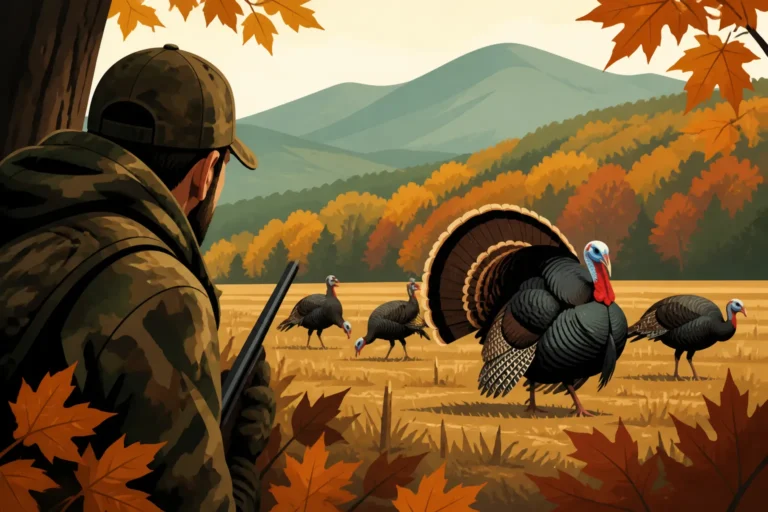
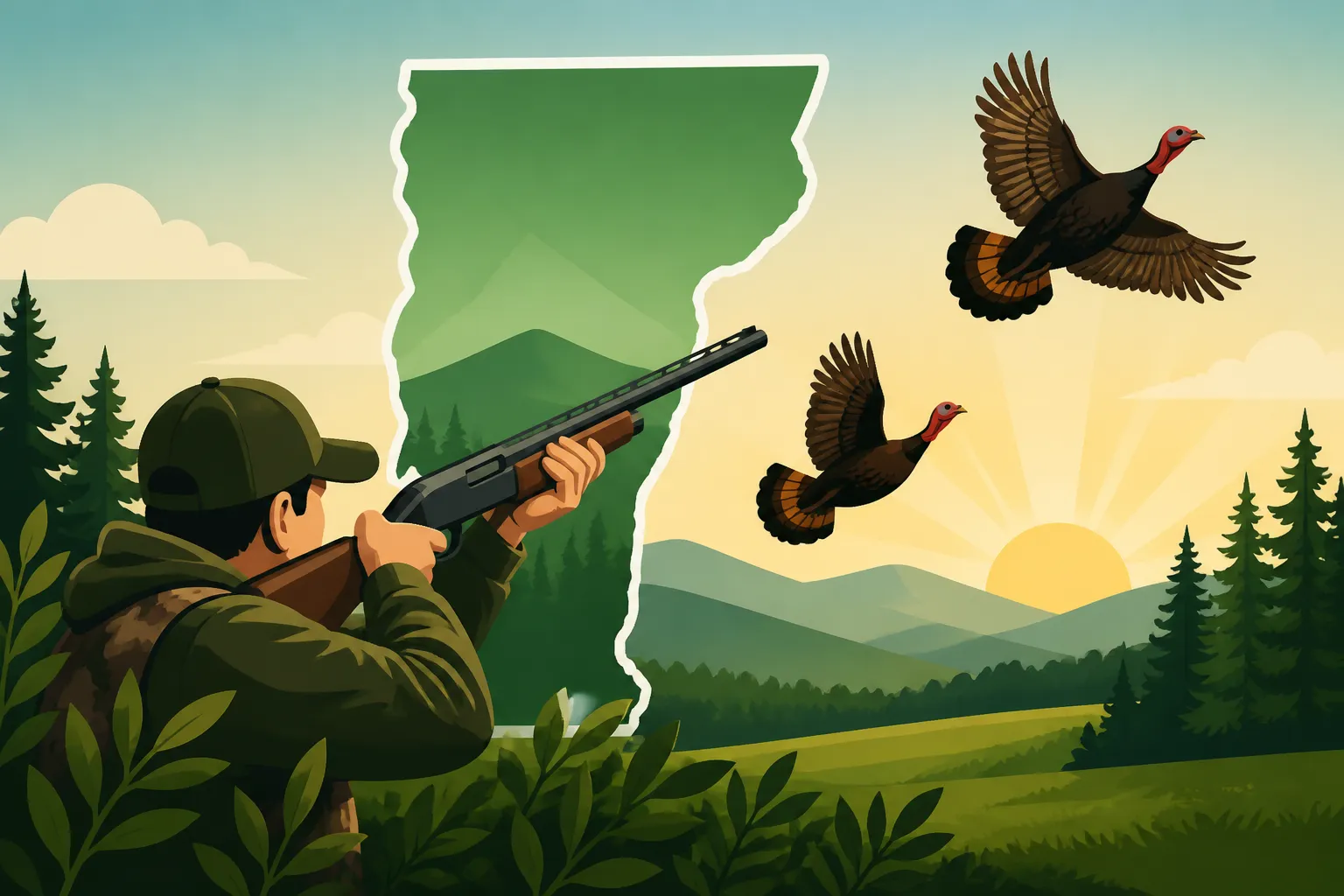
It’s a truly exhilarating feeling when that first spring gobbler comes strutting into view, his iridescent feathers gleaming in the Vermont sunshine. But for resident hunters, the satisfaction is often coupled with a strategic question: how do you successfully fill that second tag? The resident two-bird limit in Vermont's spring turkey season offers an incredible opportunity, but consistently achieving it requires more than just luck. This comprehensive guide will walk you through the nuances of Vermont's regulations, tactical approaches, and scouting methods to help you maximize your chances of tagging two magnificent spring gobblers.
Decoding Vermont's Resident Two-Bird Spring Limit
Understanding the rules and regulations is the bedrock of any successful hunting endeavor, and it's especially crucial when you're aiming for that second spring turkey tag in Vermont. The Green Mountain State is unique in offering residents the chance to harvest two birds, which isn't always the case in other states. This privilege comes with specific guidelines that every hunter must internalize before stepping foot in the woods.
The Specifics of the Regulation
Vermont's spring turkey season typically kicks off in early May and runs for most of the month, but it's critical to verify the precise Vermont Spring Turkey Season Dates each year with the Vermont Fish & Wildlife Department. For residents, the exciting part is the Vermont Spring Turkey Bag Limit for Residents: two bearded turkeys. What does this mean in practical terms? It means you can harvest two adult gobblers or jakes, as long as they possess a beard. The daily limit, however, remains one bearded bird per day. You can't shoot two birds on opening morning; you need to spread your success out over different days of the season. This structure encourages responsible hunting and allows for a more extended, strategic pursuit of your second bird. It's not a race, but rather an opportunity to learn, adapt, and enjoy more time in the turkey woods.
Licensing and Permitting
Before you can even dream of that second gobbler, you need to ensure your paperwork is in order. As a resident, you'll need a valid Vermont hunting license and a specific spring turkey permit. These can usually be purchased online through the Vermont Fish & Wildlife portal or at authorized agents throughout the state. It's paramount to understand that while you're allowed two birds, you're not automatically issued two tags upfront. You'll typically register your first bird, and upon successful registration, you become eligible to pursue your second. Keeping your license and permit handy, whether as a physical copy or stored securely on a mobile device, is a legal requirement. Don't let a minor administrative oversight derail your hunt for that second trophy.
The Ethics and Responsibility of a Two-Bird Harvest
With the privilege of a two-bird limit comes significant responsibility. Ethical hunting demands that you pursue both birds with the same level of respect and commitment to a clean, humane harvest. This isn't about simply filling a freezer; it's about making accurate shots and ensuring the animal is recovered swiftly. Before taking a shot, always be certain of your target and what's beyond it. After a successful shot, focus on immediate recovery and proper field care. Registering both birds promptly, whether online or at a designated check station, is not just a legal obligation but also a vital part of data collection for wildlife management. This data helps the Vermont Fish & Wildlife Department monitor Vermont Turkey Population Trends and make informed decisions to sustain healthy turkey numbers for future generations of hunters.
Strategic Timing and Seasonal Shifts for Success
Spring turkey hunting in Vermont is far from static. The behavior of gobblers changes dramatically from the first day of the season to the last, influenced by everything from breeding cycles to increasing hunting pressure. Understanding these shifts and adapting your strategy accordingly is key to filling both of your resident tags.
Early Season Gobbler Tactics
When the season first opens, gobblers are often still very much focused on establishing dominance and breeding. This is typically when they are most vocal and responsive to calling. You'll find them on the roost, gobbling fiercely, eager to attract hens. This is often an ideal time for Calling an Early May Gobbler Off the Roost. Your aggressive calling, particularly fly-down cackles and excited yelps, can be incredibly effective. Setting up close to known roost sites before dawn and positioning yourself strategically along travel corridors that lead to open fields or strutting zones can yield quick results. Focus on high-visibility areas where a gobbler wants to be seen by hens. However, be mindful that early season birds might be "henned up," meaning they are with actual hens and might be harder to pull away. Patience, and sometimes backing off to try again later, can be a virtue.
Mid-Season Adaptations
As the season progresses, usually into the second and third weeks of May, gobbler behavior tends to shift. Many hens are now bred and sitting on nests, which means gobblers may become less vocal, less aggressive, and often harder to locate. This period is sometimes referred to as the "mid-season lull," and it's a common point where hunters get frustrated. This is When Vermont Gobblers Go Quiet in Late May. During this time, standard, aggressive calling might not be as effective. Instead, consider subtler calls: soft tree yelps, clucks, and purrs can sometimes entice a lonely gobbler that's looking for a lost hen. Focus your scouting on food sources like lush green fields, bugging areas, and open hardwood ridges where gobblers might be roaming alone or in small bachelor groups, silently searching for any receptive hen. Still-hunting through timber or setting up ambush points near known travel routes can be more productive than purely relying on shock gobbling.
Late Season Opportunities
Don't dismiss the final days of the season; they can often offer excellent opportunities for your second bird. By late May, many adult hens are fully committed to nesting, and the remaining gobblers, particularly jakes and unbred adults, might become more desperate to find a mate. They could be less wary, more vocal, and more willing to investigate calls. This is a great time to focus on areas that may have seen less pressure earlier in the season, or to revisit spots that were unproductive. Young jakes are often easier to call in and can be a good target for that second tag. Late season also often brings warmer weather, meaning you might need to adjust your layering strategy. Pay attention to changes in foliage, as leaf-out can significantly reduce visibility and alter sound travel through the woods, affecting your calling and setup decisions.
Advanced Scouting for Doubling Your Odds
Simply wandering the woods hoping to stumble upon a gobbler isn't a reliable strategy for filling one tag, let alone two. For residents aiming to maximize their spring turkey harvest, advanced scouting, both pre-season and during the hunt, is absolutely non-negotiable.
Leveraging Technology for Pre-Season Intelligence
Long before the season opener, technology can give you a significant advantage. Mapping applications like GoHunt are invaluable tools for Scouting Vermont Public Land Before Season. Use satellite imagery to identify potential roosting areas—tall pines or hardwoods along ridgelines or near water. Look for open fields adjacent to dense cover, which are prime strutting zones. Identify potential travel corridors, pinch points, and natural funnels that turkeys might use when moving between feeding, roosting, and breeding areas. The GoHunt app, for instance, allows you to drop pins, mark potential hot spots, and even delineate property lines, which is crucial for staying legal and respectful on private land. This digital reconnaissance helps you narrow down large tracts of public land, allowing you to focus your boots-on-the-ground efforts more efficiently. You can analyze topography for favorable setups and even identify potential water sources that birds might frequent.
Boots-on-the-Ground Reconnaissance
While digital maps are powerful, there's no substitute for getting your boots dirty. A few weeks before the season, make multiple trips to your chosen hunting areas. Look for actual turkey sign: droppings, strut marks in fields, feather piles, and dusting bowls. Listen intently at dawn for gobblers sounding off from the roost. A gobbler's call can carry a long way on a still morning, giving you vital clues about their preferred roosting locations. Don't just listen; try to triangulate the sound to pinpoint specific trees or ridges. Observe their patterns: where do they fly down? Which direction do they head? Where do they typically feed? This direct observation is irreplaceable and provides a real-time understanding of bird movement and preferred habitats. Also, look for signs of other hunters, as pressure will heavily influence bird behavior once the season starts.
Adapting to Pressure and Finding Unmolested Birds
Vermont's public lands, while plentiful, can see significant pressure, especially during the early season. This pressure can quickly turn vocal gobblers silent and make them wary of human-like calls. Successfully taking a second bird often means seeking out areas that receive less attention. Use your GoHunt app or other mapping tools to identify remote pockets of public land, areas deep within the Green Mountain National Forest's Two Districts or less accessible parts of Vermont Wildlife Management Areas. These areas might require a longer hike or navigating challenging terrain, but the reward can be less pressured birds that are more responsive. Even on heavily hunted lands, look for subtle changes in topography, thick cover, or swampy areas that other hunters avoid. Turkeys will often retreat to these sanctuaries when disturbed. Being willing to put in the extra effort to find these "honey holes" is a hallmark of a successful two-bird resident hunter.
Field Tactics for Filling Both Tags
The pursuit of a spring gobbler is a chess match, and when you're aiming for two birds, you need a versatile set of strategies in your playbook. What works for your first bird might not be the ticket for your second. Adapting your calling, setup, and patience levels is crucial.
The First Bird: Go-To Strategies
For your first bird, many resident hunters opt for tried-and-true, often more aggressive, tactics. This is often the time when you're full of energy, and the birds are potentially more responsive due to less pressure. Early in the morning, focusing on a strong roost call strategy is often very effective. Once you hear a gobbler sound off, quickly and quietly get into position, ideally within 100-150 yards of his roost tree. Your setup is critical: Setting Up Against a Big Sugar Maple or any wide tree trunk provides excellent back cover, breaking up your silhouette. Ensure you have clear shooting lanes in the direction you expect the bird to approach. Start with soft tree yelps, then once he's on the ground, switch to more excited calling – a mix of yelps, clucks, and cackles can mimic a receptive hen. Decoys can be very effective for the first bird, drawing his attention away from your position and giving him something to focus on. A jake and a hen decoy often provoke an aggressive response from a dominant gobbler.
The Second Bird: Shifting Your Approach
Once you've tagged your first bird and the adrenaline has subsided, it's time to recalibrate for the second. This might be a few days or even a week later. Often, the second bird requires a more nuanced approach. If you hunted an aggressive setup for your first, consider a more subtle strategy for the second. Decoy Placement for Pressured Spring Birds might need to be less conspicuous. Maybe a single hen decoy, or no decoy at all if hunting in thick cover where birds are naturally more cautious. Calling should often be softer and less frequent. Instead of trying to pull a gobbler from a long distance, try to get closer using the terrain before making a few soft calls. Listen for faint gobbles or even soft clucks and purrs. Sometimes, a silent approach, setting up in a known travel corridor or feeding area and waiting patiently, can be more effective than continuous calling. Focus on different parcels of land or areas within your chosen property that you haven't disturbed yet. Your GoHunt app can help you identify these untouched pockets.
Dealing with Hung-Up Gobblers and Challenging Scenarios
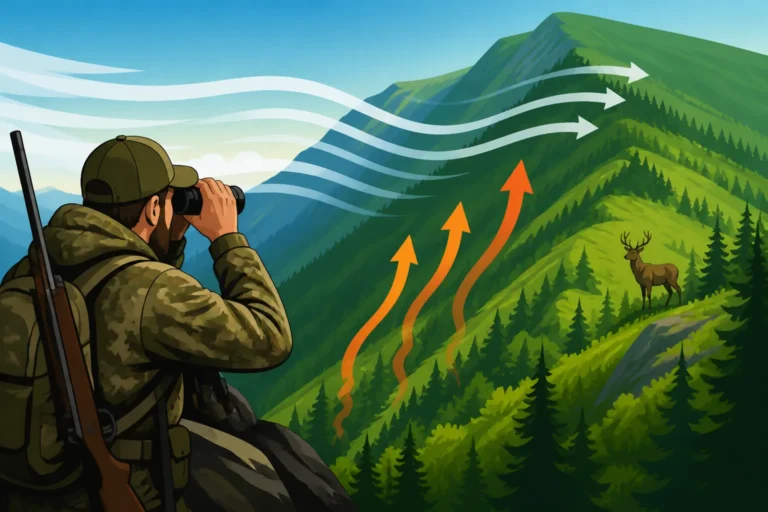
We’ve all been there: a gobbler hangs up at 70 yards, strutting and gobbling, but refusing to come closer. This can be infuriating, especially when you’re trying to seal the deal on a second bird. For hung-up birds, patience is key. Try easing up on the calling, or even going silent for 15-20 minutes. Sometimes, mimicking a hen walking away (faint yelps moving slightly) can trigger his curiosity. If he still won't budge, a strategic repositioning might be necessary, trying to get around a visible obstacle he's wary of, but this must be done with extreme caution to avoid spooking him. Another challenging scenario is encountering "run-and-gun" birds that gobble once and then move quickly. In these cases, a more aggressive approach of quickly closing the distance after a gobble can be effective, setting up quickly and making a few calls. Always consider the terrain; in the steep Green Mountain terrain, understanding Wind and Thermals in Steep Green Mountain Terrain is crucial, as they can carry your scent or alter how sound travels.
Essential Gear and Preparation for Extended Hunts
Successfully harvesting two spring gobblers means spending more time in the woods and being prepared for a wider range of conditions and scenarios. Your gear choices, from calls to clothing, play a significant role in your ability to stay comfortable, remain effective, and ultimately, be successful.
Calls, Decoys, and Clothing
For calls, a versatile arsenal is always best. Carry at least two types of friction calls (slate and box) and a few diaphragm calls. This allows you to produce a wide range of turkey vocalizations and adapt to what the birds respond to. Different calls also offer varying volumes and tones, crucial for different scenarios. For decoys, a simple hen and jake combo is often effective, but consider whether a single hen or even no decoy might be better for wary birds later in the season. Clothing should prioritize camouflage that blends with Vermont's varied spring foliage. Layering is paramount; early May mornings can be frosty, while afternoons can be surprisingly warm. A good base layer, insulating mid-layers, and a waterproof/windproof outer shell will keep you comfortable in fluctuating conditions. Don't forget a facemask and gloves to complete your concealment.
Navigational Tools and Safety Equipment
While you might know your local woods well, having reliable navigational tools is always a smart move, especially when venturing into new areas or deeper into public land for your second bird. A dedicated GPS unit or a robust mapping app on your phone (like GoHunt, which works offline) can prevent you from getting disoriented. Always carry a compass as a backup. Safety equipment should include a fully charged cell phone, a basic first-aid kit, a headlamp for pre-dawn walks or post-harvest recoveries, and a knife. Even though turkey hunting doesn't require blaze orange during the actual hunt, it's wise to carry a piece of blaze orange fabric or vest to wear when walking in or out, especially if other hunters are around. This is especially true if you are Hunting the Regular Archery Opener in October and other seasons are overlapping. Always let someone know where you're going and when you expect to return.
Post-Harvest Considerations
Successfully harvesting two turkeys also means you need a plan for proper field care and transport. Carry a sturdy game bag or two to protect the meat from dirt and insects, especially on warmer days. If you're hunting in remote areas, consider how you'll get two birds out of the woods. A small game cart can be invaluable for heavier loads or longer drags. After the harvest, immediate field dressing is recommended, particularly if temperatures are mild, to help cool the carcass quickly. Once the bird is home, prompt processing or transport to a butcher is essential for preserving the quality of the meat. Finally, remember your legal obligation to report your harvest. While this guide is about turkeys, the principles are similar to deer reporting: The Vermont Deer Reporting Deadline emphasizes timely reporting, and turkey reporting is no different—it's usually done online or at a designated check station within 48 hours.
Public and Private Land Considerations for Two Birds
Vermont offers a diverse landscape for turkey hunting, from expansive public forests to rolling private farmlands. Successfully tagging two birds often means strategically utilizing both types of land, understanding their unique challenges and opportunities.
Maximizing Public Land Opportunities
Vermont boasts a significant amount of public land, including sections of the Green Mountain National Forest, numerous Vermont Wildlife Management Areas, and state forests. These lands offer ample space to roam and often hold healthy turkey populations. To maximize your chances of a second bird on public land, focus on areas that are less accessible or further removed from main roads and parking areas. Most hunters tend to stick close to easy access points, so a willingness to hike deeper can pay dividends. Using your GoHunt app to scout aerial imagery for natural barriers, steep terrain, or dense cover that might deter other hunters can help you find overlooked spots. For example, Best Vermont WMUs for Turkeys will often be the larger, more rugged ones where birds have more room to escape pressure. Consider Using a Ground Blind on Public Land in high-traffic areas if you need to set up for a wary bird in a location that offers less natural cover.
Gaining Private Land Access
While public land is a fantastic resource, don't underestimate the potential of private parcels. Many Vermont landowners are receptive to hunters, especially for turkey hunting, which often has less impact than deer hunting. Building relationships with landowners can unlock prime hunting ground with significantly less pressure. Always ask for permission well in advance of the season, and be impeccably polite and respectful. Offer to help with chores, share some of your harvest, or simply stay in touch. Leave the property cleaner than you found it, and always adhere strictly to any rules the landowner sets. These connections can provide consistent, low-pressure hunting opportunities that are ideal for securing that challenging second bird. A simple knock on a door, a genuine conversation, and demonstrating respect for their land can open up opportunities you might not find otherwise.
Strategic Movement Between Locations
Successfully pursuing two birds across a season often involves moving between different hunting locations. Don't be afraid to change your plans if a spot isn't producing or if you're encountering too much pressure. Having a few backup spots, both public and private, scouted beforehand is invaluable. Your GoHunt data can quickly guide you to an alternative plan. Perhaps you start the season on a public WMA, but if pressure mounts, you shift to a less accessible section of the National Forest, or perhaps you move to a small private parcel you've gained permission for. Understand the travel time between these locations and factor it into your hunt planning. Minimizing disturbance is key; if you spook birds in one area, give it a few days or even a week to settle down before returning. This dynamic approach, adapting your location and tactics based on bird behavior and pressure, is a cornerstone of a successful two-bird spring turkey season in Vermont.
Disclaimer
Hunting is an inherently risky activity. Always prioritize safety, adhere to all local, state, and federal regulations, and practice ethical hunting principles. Consult the Vermont Fish & Wildlife Department for the most current regulations, season dates, and licensing requirements. The information provided in this guide is for informational purposes only and should not replace official sources or professional instruction.