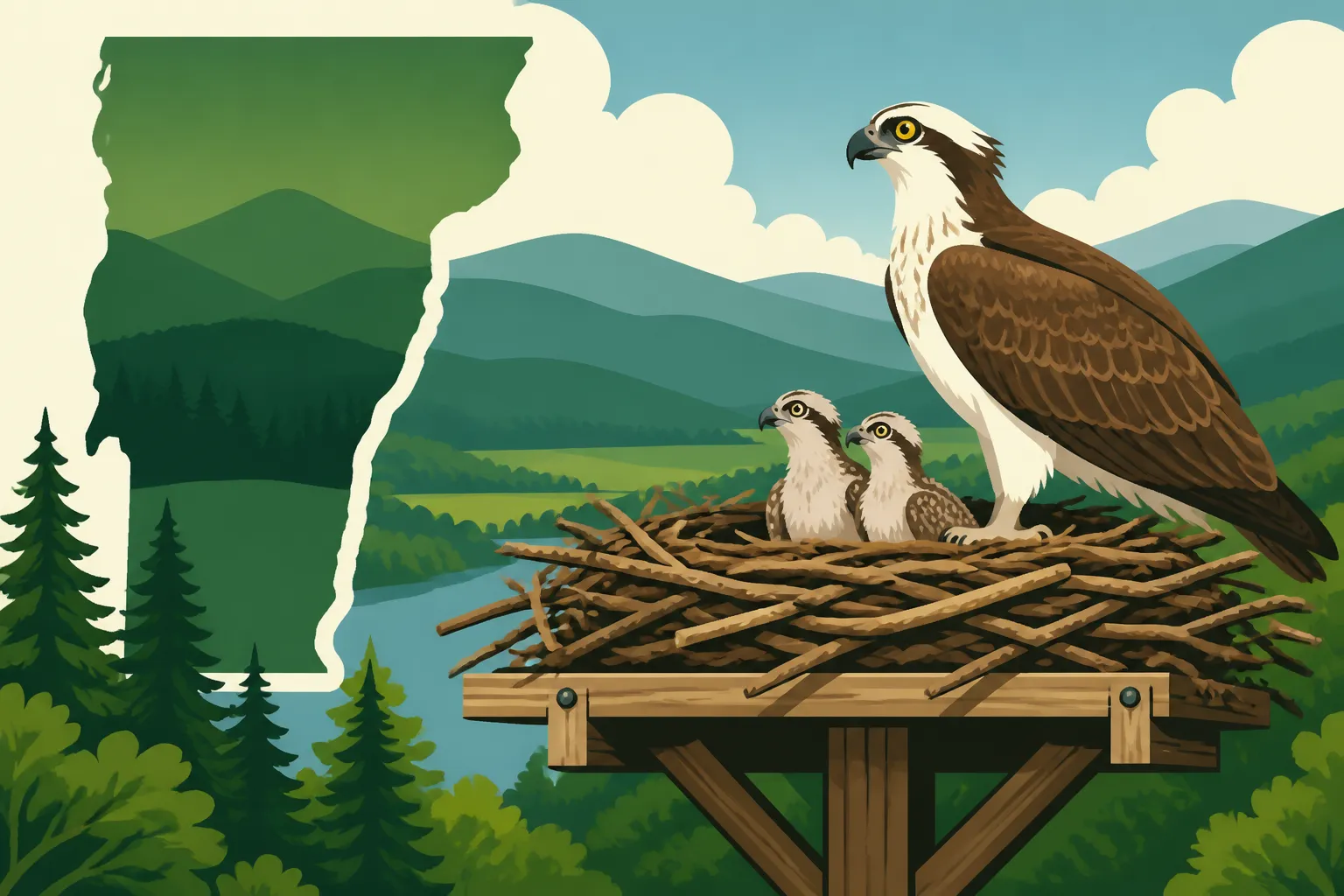
Vermont Osprey Nesting Platforms
It's truly something special to witness an osprey, that magnificent fish hawk, circling high above a Vermont waterway before plummeting like an arrow to snatch a fish from the surface. But for years, seeing these majestic birds was far less common, and their struggle to find safe, stable nesting sites was a real concern for anyone who cares about our state's wildlife. This guide will take a deep dive into the crucial role that osprey nesting platforms play in supporting these incredible raptors, detailing why they became so necessary, how they're built, and the immense impact they've had on bringing ospreys back to Vermont.
The Challenge for Ospreys in Vermont: Why Platforms Became Necessary
You know, sometimes we take for granted the incredible biodiversity right in our backyard, especially when it comes to the creatures that rely on healthy ecosystems. For ospreys, their very existence in Vermont faced some pretty daunting challenges not too long ago. It wasn't just a matter of "finding a spot;" it was a crisis that called for direct intervention.
Historical Decline and Environmental Pressures
Back in the mid-20th century, across North America and right here in Vermont, ospreys faced a perilous decline. It wasn't because of hunters, but due to a much more insidious threat: environmental contamination, primarily from persistent pesticides like DDT. This chemical didn't directly kill adult birds, but it accumulated in the food chain, leading to drastically thinned eggshells that would often break during incubation. Imagine the frustration for these birds, putting all that effort into nesting, only for their future generation to be crushed before it even hatched.
Beyond chemical threats, there was also a steady loss of their preferred natural nesting habitat. Ospreys are particular; they love tall, dead trees with broken tops, especially those standing alone near a water body. These snags offer a commanding view of their fishing grounds and deter ground predators. But as forests were managed differently, and as old-growth trees inevitably fell, these ideal natural high-rise apartments became scarcer. Human development along shorelines further reduced suitable undisturbed areas, making it a double whammy for these apex avian predators. Vermont, with its increasing development pressure and historical logging practices, certainly saw its share of these challenges affecting its osprey population.
The Natural Nesting Predicament
So, what exactly is an osprey looking for in a home? They are incredibly specialized fish hunters, and their nesting requirements reflect that. They need a stable, elevated structure, often 20 to 60 feet high, that provides an unobstructed view and is within easy flying distance of productive fishing waters. Historically, this meant the strongest limbs of dead or dying trees, often standing in or very near large lakes, rivers, or extensive wetlands. Think about a towering pine snag sticking out of a marshy area near Lake Champlain – that’s prime real estate for an osprey.
The problem is, these natural structures are temporary. Dead trees eventually rot and fall, often before a pair of ospreys can raise many broods on them. And while new snags might emerge, the rate of loss often outpaced the rate of suitable replacement. In a bind, ospreys, being adaptable, sometimes tried to nest on utility poles. While these offered height and stability, they also came with significant risks: electrocution for the birds or even power outages and fires caused by their bulky nests. It was a tough spot for these magnificent birds, highlighting the urgent need for a safe and sustainable alternative, and prompting conservationists to explore solutions like Vermont Osprey Nesting Platforms.
Building a Home: The Design and Impact of Osprey Platforms
When nature's options become limited, sometimes we need to step in and provide a little help. That's exactly what happened with osprey nesting platforms, and the results have been nothing short of spectacular, turning a story of decline into one of remarkable recovery.
Anatomy of an Effective Osprey Platform
So, what does a successful osprey platform look like? It's essentially a man-made answer to a natural need, designed to mimic the best aspects of a dead tree snag while eliminating the risks. The core of a platform is typically a very tall, sturdy pole – often 20 to 40 feet high – firmly anchored into the ground. On top of this pole, a square or rectangular wooden platform is securely attached. These platforms are usually a few feet across, providing ample space for a large stick nest. Many designs also include a shallow basket or a few crossbars on the platform to give the ospreys a starter "foundation" for their nest, encouraging them to build there.
The materials chosen are crucial for longevity and safety. Treated lumber is common for the platform itself, and the pole can be a repurposed utility pole or a strong metal post, all designed to withstand Vermont's harsh weather, from strong winds to heavy snow. Location is paramount: it must be near abundant fishing grounds, offering the birds clear sightlines to hunt. Furthermore, many platforms incorporate predator guards around the pole, usually a cone-shaped metal baffle, to prevent raccoons, snakes, or other climbing predators from reaching the nest and harming eggs or chicks. It's a testament to thoughtful engineering meeting ecological needs.
From Decline to Recovery: How Platforms Made a Difference
The impact of these strategically placed platforms has been profound, truly turning the tide for ospreys in Vermont. Once a rarity in many parts of the state, these birds have made an incredible comeback, largely thanks to dedicated efforts to install and maintain these artificial nesting sites. State agencies, like the Vermont Fish and Wildlife Department, along with numerous local conservation groups, landowners, and passionate volunteers, have worked tirelessly to erect these structures in suitable habitats.
The success stories are numerous and inspiring. From the major waterways of the Champlain Valley to the sprawling wetlands of the Northeast Kingdom, new nesting pairs have been documented year after year utilizing these platforms. Watching a pair of ospreys return to the same platform season after season, successfully raising clutch after clutch of fledglings, is a powerful reminder of how conservation efforts can work. These platforms offer a secure, stable, and predator-resistant home, allowing ospreys to focus on hunting and raising their young without the constant stress of a precarious natural nest. This resurgence means more opportunities for all outdoor enthusiasts to witness these magnificent raptors, whether you're out Hunting the Champlain Valley for waterfowl or simply enjoying a peaceful paddle on a Vermont lake.
Getting Involved: Supporting Osprey Conservation in Vermont
The recovery of the osprey population is a shining example of successful conservation, but it's an ongoing effort that benefits immensely from public involvement. As outdoor enthusiasts, we all have a role to play in observing and supporting these magnificent birds.
Locating and Monitoring Platforms
Identifying suitable locations for new platforms or keeping tabs on existing ones requires a keen eye and often, good mapping skills. Just like you might use advanced mapping features on GoHunt to pinpoint promising deer habitat or locate remote public land access points, similar observational techniques come into play for ospreys. You're looking for undisturbed wetlands, expansive lakes like Lake Champlain, or stretches of slow-moving river where fish are abundant. When you're scouting Public Hunting Land in Vermont or just exploring new areas, keep an eye out for these structures.
Once a platform is up, regular monitoring is crucial. Volunteers often help keep track of nesting activity, noting when birds arrive, when eggs are laid, and how many young fledge successfully. This data is invaluable for wildlife biologists to assess the health of the osprey population and understand the impact of various environmental factors. It’s a great way to engage with the natural world, even when you're not actively Scouting Vermont Public Land Before Season for game. Reporting your sightings to the Vermont Fish and Wildlife Department can contribute to their ongoing research and conservation efforts.
Community Efforts and Future Outlook
The success of osprey conservation in Vermont is truly a community story. It’s not just the state agencies, but birding clubs, environmental organizations, local landowners, and dedicated individuals who contribute time, resources, and even land for these platforms. Financial contributions often help cover the significant costs of materials and installation, which can involve heavy equipment to erect tall poles. This collective enthusiasm ensures that platforms are maintained, repaired, and even expanded to new territories as the osprey population grows.
Looking ahead, continued vigilance and community involvement will be key. While ospreys are doing much better, habitats are always changing. Ensuring a healthy, diverse ecosystem benefits all species, from the smallest fish to large game animals like those found in White-Tailed Deer Across Vermont. The resilience of the osprey, aided by human ingenuity and care, offers a hopeful outlook for other wildlife conservation challenges, reminding us that with collective effort, we can make a real difference in the health of our natural world. And really, that's what being an outdoors person in Vermont is all about, isn't it?
Choosing the Right Spot: Key Considerations for Platform Placement
Putting up an osprey nesting platform isn't just about finding any open space. It's a strategic endeavor, much like carefully planning your approach when you're hunting. The success of a platform hinges almost entirely on its location.
Proximity to Water and Food Sources
Ospreys are obligate piscivores – meaning fish make up almost their entire diet. So, it makes perfect sense that the absolute number one rule for placing a nesting platform is proximity to abundant, accessible fish. A platform might be perfectly built, but if it's too far from productive fishing grounds, it simply won't be used. We're talking about large bodies of water like Lake Champlain, the vast wetlands of Victory Basin Wildlife Management Area, or major rivers with good fish populations.
The ideal spot offers the osprey family easy access to food without expending too much energy on long commutes. They need clear sightlines to spot fish from above, and the water body itself should be relatively clear and shallow enough in places for them to successfully plunge and snatch their prey. Imagine trying to hunt deer if all the food sources were miles away; it just doesn't make sense. The same principle applies here. When evaluating potential sites, think like an osprey: "Can I see fish from here? Is it an easy flight to dinner?" This kind of ecological understanding also helps inform broader wildlife management, like understanding Vermont Waterfowl on the Atlantic Flyway and where they'll find the best resting and feeding grounds.
Minimizing Disturbance and Maximizing Safety
Beyond food, safety and peace are paramount for nesting ospreys. While they can tolerate some human activity, constant disturbance can stress the birds, potentially leading to nest abandonment. Therefore, platforms should generally be situated away from heavily trafficked areas, busy boat channels, or bustling hiking trails. It's a balance: you want the platform to be visible enough for monitoring efforts, but not so accessible that curious onlookers inadvertently disturb the birds.
Another critical safety consideration is avoiding power lines. While ospreys are attracted to tall structures, utility poles pose a real electrocution hazard. Platforms should be installed at a safe distance from active power infrastructure. Additionally, as mentioned earlier, incorporating predator deterrents on the pole is essential. A sturdy metal baffle prevents ground predators from climbing up and raiding the nest, giving the osprey chicks a much better chance at survival. Ensuring stability against Vermont's strong winds and heavy snow loads is also crucial; a collapsing nest could be devastating. It's all about creating a secure, tranquil environment where these magnificent birds can thrive, much like understanding Vermont Firearms Discharge Setback Rules ensures safety for both hunters and the public.
Here's a quick look at the pros and cons of natural versus artificial osprey nesting sites:
| Feature | Natural Nests (e.g., dead trees) | Artificial Platforms (e.g., man-made poles) |
|---|---|---|
| Stability | Variable; can be precarious, prone to decay | High; engineered for durability and strength |
| Longevity | Short-term; subject to weather and rot | Long-term; designed to last for many decades |
| Predator Risk | Higher; more accessible to climbing predators | Lower; can include predator guards |
| Location | Limited by presence of suitable trees | Flexible; can be placed in ideal fishing locations |
| Disturbance | Can be high if near human activity | Can be managed by strategic placement away from crowds |
| Cost | Free (provided by nature) | Involves material and installation costs |
| Human Role | Passive observation | Active intervention and maintenance |
Disclaimer
This article is for general informational purposes only and does not constitute professional advice. Laws, prices and regulations vary by location and change over time. Consult a qualified professional for guidance on your specific situation.