Vermont’s Steam Mill Brook Wildlife Management Area
For many of us who love hunting in Vermont, finding quality public land that isn't overrun by other sportsmen can feel like searching for a needle in a haystack. We all crave those quieter, more remote experiences where we can truly connect with nature and pursue game without constant interruption. That's why places like Vermont's Steam Mill Brook Wildlife Management Area (WMA) are so incredibly valuable, offering a fantastic opportunity for diverse hunting experiences away from the crowds, and this guide will walk you through everything you need to know to make the most of it.
Discovering Steam Mill Brook WMA
Steam Mill Brook WMA, nestled within the sprawling woodlands of Vermont, often flies a bit under the radar, and honestly, that's part of its charm. It's not one of those massive tracts that get all the headlines, but its more manageable size and diverse habitat make it a gem for those willing to put in a little effort. It's a testament to the fact that some of the best hunting experiences come from exploring the lesser-known spots.
Location and Landscape
This WMA is situated in the northeastern part of Vermont, tucked away in Essex County. When you think of Essex County, you should immediately picture the wild, rugged beauty of the Northeast Kingdom. This is big woods country, characterized by rolling hills, dense forest cover, and a general sense of remoteness that's becoming increasingly rare. Steam Mill Brook WMA itself encompasses a mix of elevations, from lower stream bottoms to higher ridges, creating a varied landscape that appeals to different game species. You'll find yourself walking through mature hardwoods, dense softwood stands, and areas that show signs of past logging activity, which are always magnets for wildlife. The geography here means you'll encounter everything from gradual slopes to steeper inclines, so be prepared for some honest walking and elevation changes, typical of much of the Green Mountain State.
Habitat Diversity
The beauty of Steam Mill Brook WMA lies in its incredible habitat diversity, which is a direct result of its natural features and past land management. You'll traverse areas dominated by towering hardwoods like maple, beech, and oak, which are crucial for mast-producing food sources that deer and bear absolutely depend on. Imagine finding yourself under a stand of ancient beechnuts in the fall, seeing the ground torn up by feeding bears or scattered with deer tracks. Then, you might push into dense stands of spruce and fir, which offer excellent thermal cover and bedding areas, especially during those colder late-season hunts. There are also riparian zones along Steam Mill Brook itself, providing vital water sources and damp, thick cover that can be excellent for woodcock and waterfowl. Old clear-cuts, now grown into thick regeneration, provide incredible browse and bedding for deer and snowshoe hare. This mosaic of habitat types is what makes the WMA so productive for a variety of game. It’s not just one type of woods; it’s a living, breathing ecosystem designed to support a vibrant wildlife population.
Game Species and Hunting Opportunities
Steam Mill Brook WMA offers a rich tapestry of hunting opportunities, primarily due to its diverse habitats and the strategic location within the Northeast Kingdom. This isn't a place that caters to just one type of hunter; whether you're after big game, small game, or upland birds, there's likely something here to pique your interest. The relative lack of pressure compared to some larger, more accessible WMAs also means animals here can sometimes exhibit more natural behaviors.
Deer and Bear Hunting Potential
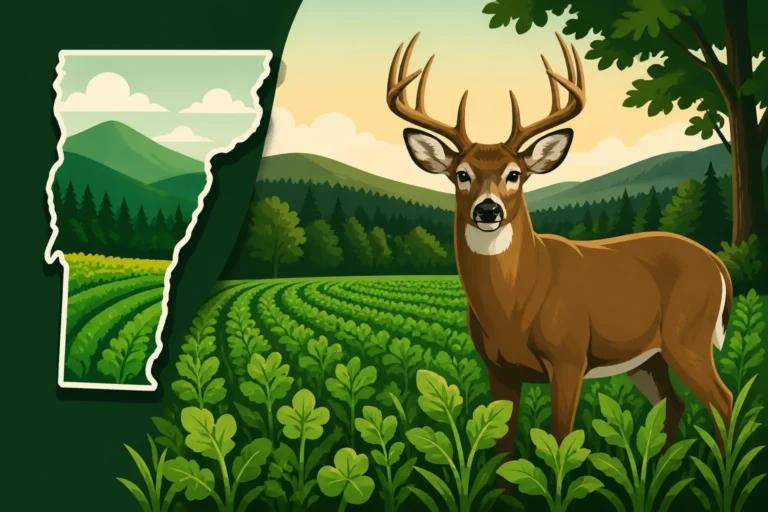
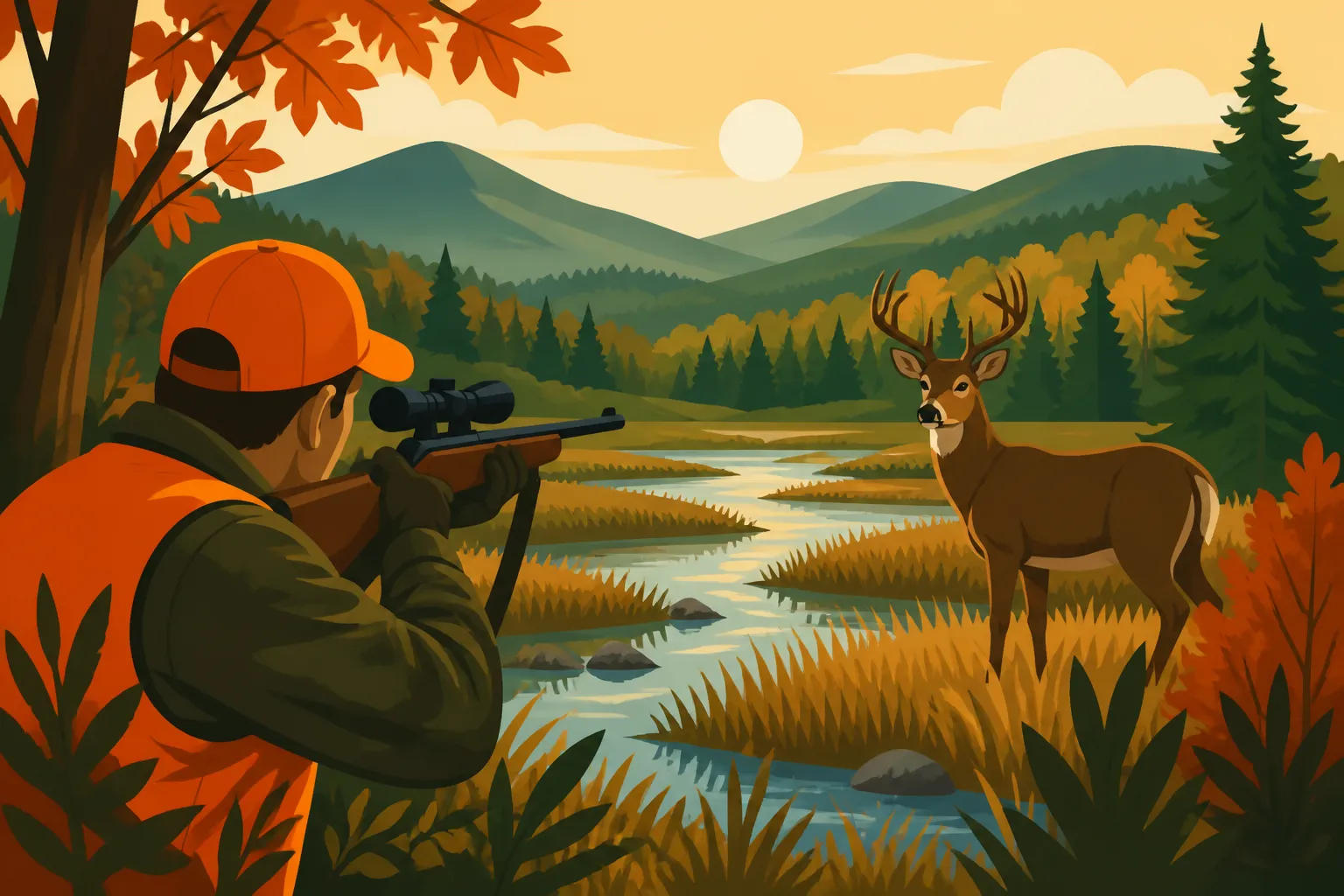
For many Vermont hunters, deer and bear are the primary targets, and Steam Mill Brook WMA holds significant potential for both. The mixed hardwood and softwood forests provide everything a healthy deer population needs: abundant browse in younger growth, crucial mast crops from oak and beech, and dense thermal cover for wintering and bedding. You'll find deer sign in the form of rubs and scrapes, especially along ridge lines and in transition zones between different cover types. While the deer here might not always reach the same colossal body weights as their Champlain Valley cousins, they are wild, smart, and challenging to pursue, making for a truly rewarding hunt. White-Tailed Deer Across Vermont gives a good overview of what to expect from deer in the state.
Black bears also thrive in this environment. The abundance of hard mast, like acorns and beechnuts, combined with the extensive tracts of undisturbed forest, creates ideal bear habitat. Early season bowhunters might focus on tracking fresh sign around these mast crops, while rifle hunters later in the season could find bears transitioning to other food sources or moving toward denning areas. Remember, patience and keen observation are your best friends when pursuing bears in big woods like these. Black Bears in Vermont provides more insight into the state's bear population dynamics.
Small Game and Upland Birds
Beyond the big game, Steam Mill Brook WMA is a fantastic spot for small game and upland bird enthusiasts. The dense pockets of regenerating forest and brushy edges are prime habitat for snowshoe hare. If you enjoy hunting with beagles, these areas can provide exciting action. For those who prefer squirrel hunting, the mature hardwood stands, particularly those with a strong mast crop, will be your focus.
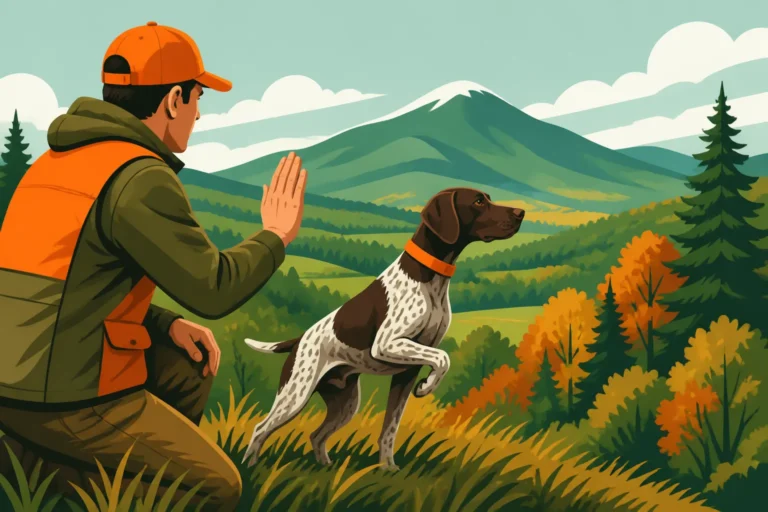
Upland bird hunting, especially for ruffed grouse and woodcock, can also be very productive here. Grouse will often be found along logging roads, clear-cut edges, and in areas with a good mix of thick cover and open understory. Look for them flushing from alder thickets or dense spruce stands. Woodcock, those elusive little migratory birds, will gravitate towards the damp, swampy areas and alder runs along Steam Mill Brook itself. Timing your hunt with their fall migration can lead to some memorable days in the field. Small Game and Predator Hunting in Vermont is a great resource if you're looking to broaden your scope beyond deer.
Waterfowl and Furbearers
While not primarily known as a waterfowl destination, smaller beaver flows and marshy pockets within Steam Mill Brook WMA can occasionally hold ducks, especially during migration. Don't expect large open water hunting, but for a stealthy jump-shoot or a small, simple decoy spread in a secluded spot, you might be pleasantly surprised. These opportunities are often fleeting and require good scouting.
For those interested in furbearers, the WMA offers habitat for species like coyotes, fox, bobcat, beaver, and muskrat. Coyote hunting can be particularly challenging and rewarding in this type of terrain, requiring careful calling and knowledge of their movement patterns through dense cover. Beaver and muskrat, typically targeted by trappers, will be found in and around the namesake Steam Mill Brook and any associated ponds or wetlands. Remember to always check current trapping regulations and licensing requirements.
Navigating and Accessing the WMA
Navigating a large, undeveloped area like Steam Mill Brook WMA can be both exhilarating and challenging. Unlike some WMAs with extensive trail networks, you're often relying on old logging roads, game trails, or simply busting brush. This requires preparation and the right tools, but it also means you're more likely to find solitude and undisturbed areas.
Entry Points and Parking
Access to Steam Mill Brook WMA typically involves driving on improved gravel roads that branch off larger state routes. Since it's in the Northeast Kingdom, these roads might not be plowed consistently in winter, so plan accordingly for late-season hunts. There are usually designated parking areas, often just pull-offs along the road or small gravel lots. These aren't always well-marked on every map, so pre-scouting with satellite imagery is key. Always ensure you park responsibly, not blocking gates or private driveways, and leaving enough space for other vehicles. It’s not uncommon to find these parking areas become bustling hubs during the peak of rifle season, but early mornings or mid-week hunts can still offer plenty of quiet. Make sure you know where the WMA boundaries begin and end, as adjacent land might be private.
Utilizing Mapping Tools
In today's hunting world, digital mapping tools are an absolute game-changer, especially when you're exploring unfamiliar public land like Steam Mill Brook WMA. Gone are the days of relying solely on paper maps, though carrying one as a backup is always a smart move. Applications like onX Hunt or platforms like GoHunt provide invaluable layers of information right on your phone or GPS device. You can easily see WMA boundaries, property ownership lines, topographical features, and even recent satellite imagery that can reveal timber cuts, beaver flows, or old logging roads that might not be on older maps.
Before you even leave home, spend time studying the WMA on onX Hunt. Look for drainages, ridge lines, benches, and any potential funnels or pinch points that could concentrate deer movement. Identify areas of dense cover adjacent to food sources. You can mark potential stand locations, bedding areas, or even historical game sightings. This pre-planning will save you countless hours of wandering aimlessly once you're on the ground. When you're actually in the woods, having your exact location pinpointed on your device, even without cell service, is crucial for staying oriented and safe. For more tips, check out Scouting With the Vermont Fish and Wildlife App and Best GPS App for Vermont Public Land. These tools really let you hit the ground running, even in a new area.
Terrain and Travel Challenges
The terrain within Steam Mill Brook WMA, typical of much of the Green Mountains, presents its own set of challenges. You'll encounter steep ups and downs, particularly as you move away from main access roads and into more remote sections. This means conditioning is important – those long climbs with a pack or, hopefully, a deer on your back, will test your endurance. The ground cover can be varied as well, from relatively open hardwoods to extremely dense softwood thickets that can be tough to push through.
Navigating without distinct trails means paying close attention to your surroundings, using natural landmarks, and constantly checking your map. Knowing how to use a compass in conjunction with your GPS is a valuable skill. Fallen timber and wet areas can also impede travel, especially after heavy rains or snowmelt. Always factor in extra time for travel to and from your hunting spots, and consider what it will take to extract an animal from the location you plan to hunt. A remote harvest is rewarding, but it also comes with significant logistical considerations.
Rules, Regulations, and Considerations
Hunting in any Wildlife Management Area in Vermont comes with a set of rules and regulations designed to ensure safety, promote ethical hunting practices, and conserve wildlife populations. Steam Mill Brook WMA is no exception, and being thoroughly familiar with these guidelines before you head into the woods is paramount. Ignorance of the law is never an excuse, and violating regulations can lead to fines, loss of privileges, and detract from the overall hunting experience for everyone.
General WMA Rules
Vermont's WMAs operate under a common set of regulations, but it’s always wise to check for any specific rules pertaining to Steam Mill Brook itself on the Vermont Fish and Wildlife Department website. Generally, hunting within WMAs is permitted during legal seasons with the appropriate licenses and permits. You'll need your Vermont Hunting Licenses and What They Cost squared away, of course.
Here are some common points to remember:
- Motorized Vehicles: Most WMAs restrict the use of motorized vehicles to designated roads and parking areas. Off-road vehicle use, including ATVs, is typically prohibited. Plan on doing a lot of walking.
- Camping: While primitive camping might be allowed in some areas, it's often restricted in WMAs or requires specific permits. Do not assume you can camp.
- Treestands and Blinds: Portable treestands and ground blinds are usually permitted, but permanent structures are almost universally forbidden. Any stand or blind left unattended often needs to be clearly marked with the owner's name and address and must be removed by a certain date after the season closes. Always check the specific rules regarding stand placement and removal dates.
- Baiting: Vermont has strict rules regarding baiting, especially for deer. Natural deer lures are also banned. Familiarize yourself with Vermont's Urine-Based Lure Ban and other regulations. Baiting for bear is allowed with an Early Bear Permit, but there are specific rules about how bait can be placed and what materials are allowed.
- Litter: Pack it in, pack it out. Leave no trace of your visit. This includes spent casings, food wrappers, and anything else you bring with you.
Specific Season Considerations
Each hunting season brings its own nuances to Steam Mill Brook WMA. During archery seasons, you might find more solitude, but you still need to be aware of the potential for other hunters. When Bowhunting During Vermont's Rifle Season, remember that blaze orange requirements apply even if you're using a bow. During the two-week November rifle season, the WMA will likely see its highest pressure. Hunters using legal firearms for deer, as outlined in Vermont Legal Firearms for Deer Hunting, will be out in force. The later muzzleloader seasons, particularly the December segment, can offer a unique challenge with colder temperatures and potentially snow, which can be fantastic for tracking but also makes for more strenuous travel. Always confirm the specific season dates and bag limits for your target species before heading out.
Safety and Ethical Hunting
Safety should always be your top priority. Given the mix of terrain and potential for other hunters, wearing blaze orange or blaze pink during applicable seasons isn't just a legal requirement; it's a critical safety measure. How Much Blaze Orange Vermont Requires outlines the specifics. Always identify your target positively and be aware of your backdrop. Never shoot at sound or movement alone.
Ethical hunting extends beyond just following the law. It means respecting the land, the wildlife, and other users. If you encounter other hunters, give them space. If you harvest an animal, make every effort to recover it quickly and efficiently, even if it means blood trailing after dark in Vermont. Field dressing your animal promptly and handling the meat properly are also crucial aspects of ethical hunting. Leave the WMA in better condition than you found it, fostering a positive image for all hunters.
| Game Species | Typical Habitat in Steam Mill Brook WMA | Primary Hunting Method | Season Peak |
|---|---|---|---|
| White-Tailed Deer | Mixed hardwoods, softwood thickets, regenerating clear-cuts, creek bottoms | Still-hunting, stand hunting, drives | November (rut) |
| Black Bear | Hardwood ridges (mast crops), dense softwood cover, remote areas | Spot-and-stalk, still-hunting, baiting* | Sept-Oct (early), Nov |
| Ruffed Grouse | Alder thickets, logging road edges, young forest, spruce stands | Flushing, dog hunting | Oct-Nov |
| American Woodcock | Wet, boggy areas, alder runs along Steam Mill Brook | Dog hunting, flushing | Sept-Oct (migration) |
| Snowshoe Hare | Dense softwood thickets, regenerating clear-cuts | Beagle hunting, still-hunting | Nov-March |
| Eastern Coyote | All habitat types, especially edges and open cuts | Calling, incidental | Year-round |
| Waterfowl (ducks) | Beaver flows, small marshy pockets along Steam Mill Brook | Jump-shooting, small decoy spreads | Oct-Nov (migration) |
Note: Bear baiting is permitted with an Early Bear Permit, but specific regulations apply regarding bait type and placement.
Best Practices for a Successful Hunt
Hunting Steam Mill Brook WMA can be incredibly rewarding, but it requires a thoughtful approach. Success often hinges on what you do before and during your hunt, combining careful planning with adaptable tactics in the field. This isn't a place where you can just show up and expect animals to fall into your lap; it demands effort and an understanding of the environment.
Pre-Season Scouting Strategies
The importance of pre-season scouting cannot be overstated, especially for a large, relatively wild WMA like Steam Mill Brook. This is where those mapping tools, like onX Hunt, truly shine. Before the season opens, dedicate some time to studying aerial photos and topo maps. Look for changes in elevation, different forest types, water sources, and potential bottlenecks or funnels where deer or bear might travel. Identify old logging roads or trails that could provide easier access to remote areas, but don't be afraid to go off-trail.
Once you have some potential spots identified, get out on the ground. Walk the property lines, paying close attention to any posted private land. Look for fresh sign: deer tracks in muddy spots, rubs, scrapes, and especially droppings. If you're bear hunting, look for overturned rocks, claw marks on beech trees, or scat. Identify key food sources, like stands of oak or beech that are dropping mast. Pinpoint bedding areas, which are often found in dense cover on sheltered slopes. Don't forget to scout for potential entry and exit routes that are quiet and consider the prevailing wind. Remember that Reading Aerial Photos for Green Mountain Deer can give you a major advantage before you ever step foot in the woods.
Adapting to Conditions
Vermont weather is famously unpredictable, and conditions can change rapidly, often impacting game movement and your hunting strategy. A warm spell can make deer less active during daylight hours, while a sudden cold front can get them up and moving, feeding heavily. Understanding Hunting Deer After a Cold Front can be a game-changer. Rain can reduce visibility and scent, making tracking more challenging but also masking your approach. Snow, on the other hand, can be a blessing for tracking deer and identifying fresh sign, but it also means colder temperatures and tougher travel.
Be prepared to adapt. If deer aren't moving in their usual spots, try different cover types or consider a still-hunt through a dense thicket. If the wind shifts unexpectedly, adjust your approach or move to a different stand location. Having a variety of tactics in your playbook and the willingness to change your plan on the fly will significantly increase your chances of success. This might mean switching from a morning stand sit to an afternoon still-hunt or moving from a hardwood ridge to a softwood swamp.
Respecting Other Users and the Land
While Steam Mill Brook WMA might offer a quieter experience than some other public lands, you're not going to be the only person out there. Other hunters, hikers, birdwatchers, and trappers may also be using the area. Practicing courtesy and respect for everyone who enjoys the outdoors is essential. If you see another hunter, acknowledge them, and give them a wide berth. Avoid setting up too close to someone else's stand, and always consider the potential impact of your presence on their hunt.
Beyond other people, respect for the land itself is paramount. Leave no trace of your presence. This means packing out all your trash, including anything dropped inadvertently. Adhere to all rules regarding vehicle use, treestand placement, and baiting. Remember that you are a steward of this incredible resource. The actions of individual hunters reflect on the entire hunting community, so let's all work to ensure that places like Steam Mill Brook WMA remain wild, productive, and accessible for future generations. Don't forget that Hunting Pressure on Vermont Public Land is a real factor, and being respectful helps maintain a positive image for all of us.
Disclaimer
This article is for general informational purposes only and does not constitute professional advice. Laws, prices and regulations vary by location and change over time. Consult a qualified professional for guidance on your specific situation.