Best Vermont Ground for Public Land Waterfowl
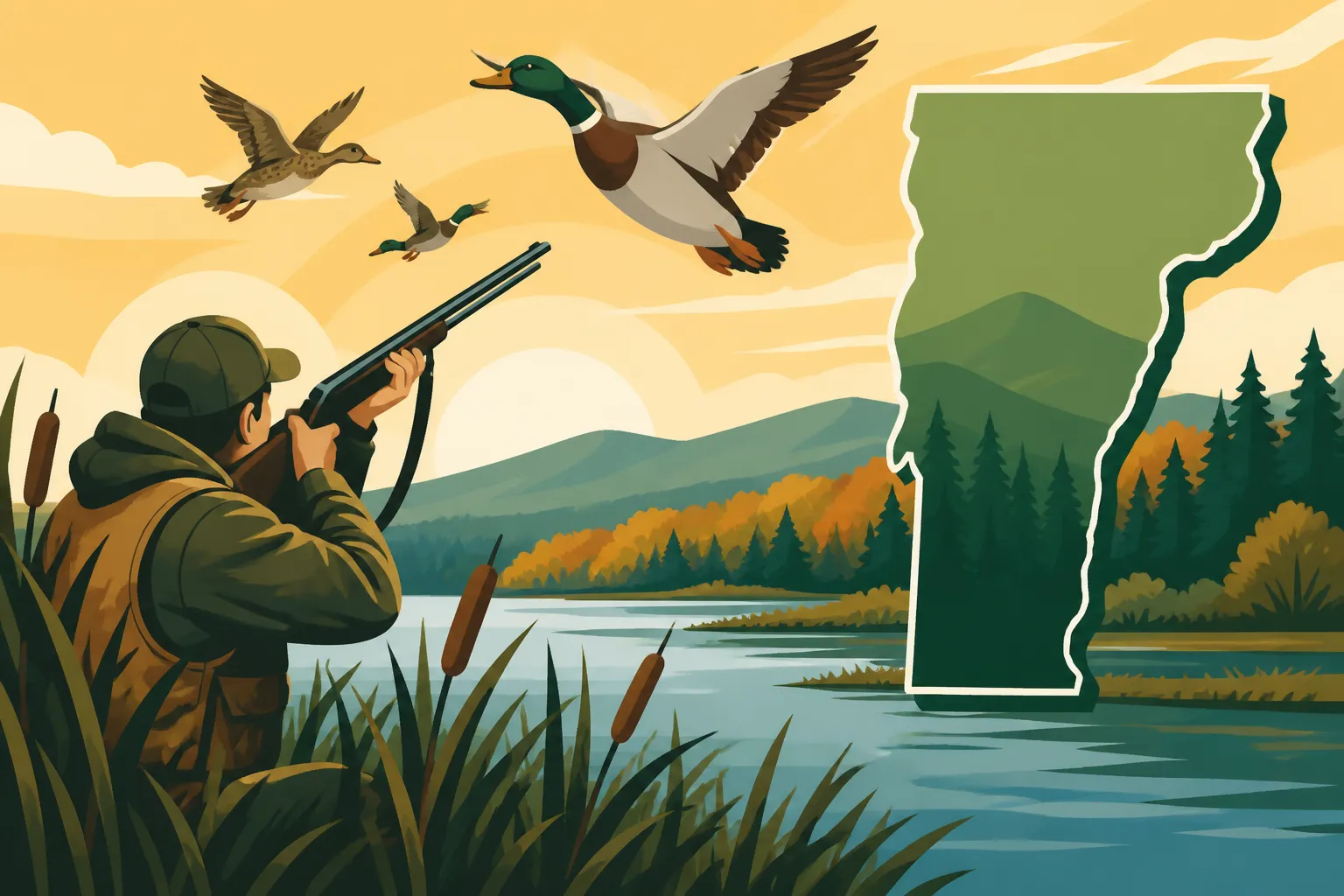
Finding the best public land for waterfowl in Vermont can feel like trying to find a needle in a haystack – it's often a challenge to identify accessible, productive spots amidst private holdings and dense cover. Many hunters struggle with pinpointing those crucial marshes, river bends, and flooded timber pockets where ducks and geese consistently gather without running into "No Trespassing" signs. This guide is here to walk you through how to locate and effectively hunt Vermont's public waterfowl grounds, transforming your scouting efforts into successful hunts.
Navigating Vermont's Waterfowl Landscape for Public Access
Vermont might not be the first state that comes to mind when you think of waterfowl hunting meccas, but don't let that fool you. We're situated right along the Atlantic Flyway, and with the right knowledge, you can absolutely find fantastic public opportunities. The key, however, lies in understanding the diverse types of habitat available and, crucially, how to confirm public access. This isn't like heading to a designated deer hunting plot; waterfowl often move between various water sources, and identifying legal hunting spots requires a keen eye and solid mapping tools.
The biggest hurdle for many hunters is simply knowing where public land exists that holds waterfowl. Vermont has a patchwork of state forests, wildlife management areas (WMAs), and even some federal lands that offer excellent duck and goose hunting. However, these aren't always clearly marked from the road, and the habitat might not immediately scream "duck pond." It takes a bit of research and legwork, but the reward of a quiet morning with birds decoying into your spread on public ground is truly something special.
Understanding the different waterfowl zones in Vermont is also paramount. The state is divided into three main zones – the Lake Champlain Zone, the Interior Zone, and the Connecticut River Zone – each with its own season dates and regulations. Knowing which zone you're in will directly impact when you can hunt and what species might be in abundance. It’s not just about finding water; it’s about finding huntable water during a legal season. Vermont Waterfowl Zones and Seasons provides a comprehensive look at these distinctions.
Identifying Key Public Waterfowl Habitats
When you're looking for public land waterfowl, you need to think beyond just open water. Ducks and geese utilize a variety of habitats throughout their migration and during the season. Understanding these preferences will help you narrow down your search for productive public spots. It's often about finding the confluence of food, water, and cover that these birds rely on.
- Marshes and Wetlands: These are classic waterfowl magnets, providing shallow water for dabbling ducks, emergent vegetation for cover, and a rich invertebrate food source. Vermont's Wildlife Management Areas often have extensive marsh complexes, many of which were specifically developed or enhanced for waterfowl. Look for areas with cattails, wild rice, and willow thickets. These spots are prime for species like mallards, wood ducks, and green-winged teal.
- River Systems: The Connecticut River and its tributaries, as well as the larger stretches of the Otter Creek and Winooski River, can be fantastic for both ducks and geese. River bends, oxbows, and flooded timber along riverbanks create ideal feeding and resting areas. Pass-shooting geese as they travel along the river corridors is a common tactic, as is setting up decoys in quiet backwaters. Pass-Shooting Geese on the Connecticut River can give you some insight into those opportunities.
- Lake Edges and Bays: Lake Champlain, especially its shallower bays and deltas, is a significant draw for a wide array of waterfowl. While much of the shoreline is private, there are public access points and specific areas managed for hunting. Diver ducks, such as bluebills and goldeneyes, will often be found in deeper, open water, while dabblers frequent the shallower, vegetated edges. Understanding the lake's unique dynamics, including its split season, is crucial. Decoying Mallards on Lake Champlain offers strategies for this environment.
- Flooded Agricultural Fields: In the Champlain Valley, particularly near major rivers and the lake, you'll sometimes find flooded corn or grain fields that become irresistible to geese and some duck species. Identifying these often requires local knowledge or extensive scouting, but when you find a public (or permission-based) field like this, the hunting can be phenomenal. Laying out a spread of decoys and using layout blinds can be incredibly effective here. Layout Blind Hunting a Champlain Valley Field delves into this tactic.
Key Public Land Waterfowl Hotspots in Vermont
While Vermont boasts numerous smaller, less-known public spots, some areas consistently stand out for waterfowl hunting opportunities due to their habitat, management, and strategic location on the flyway. Focusing your initial scouting efforts on these larger, established areas can significantly increase your chances of finding success. However, even within these popular spots, understanding how to read the landscape and find less-pressured pockets is key.
Remember, "public" doesn't always mean "easy access" or "no competition." These hotspots are known for a reason, so be prepared to share the resource and always practice good hunting etiquette. A good map, like those found on onX Hunt, becomes your best friend in these situations, allowing you to clearly see public boundaries, access roads, and potential pinch points or feeding areas that other hunters might overlook.
Champlain Valley Wetlands and Lake Access
The Champlain Valley is undoubtedly the epicenter for waterfowl hunting in Vermont. Its vast agricultural lands, proximity to Lake Champlain, and numerous river systems create an ideal stopover and wintering habitat for a wide variety of ducks and geese. The key here is identifying those public wetlands and lake access points that are legally huntable.
- Missisquoi National Wildlife Refuge: Located at the northern end of Lake Champlain, the Missisquoi NWR is a prime destination. While there are specific regulations and designated hunting areas within the refuge, it consistently holds a tremendous number of birds. Hunters often target the delta and marsh areas, focusing on mallards, black ducks, and geese. It's a complex area, so studying the refuge map and regulations is essential before you even think about heading out. Access might involve boats, canoes, or extensive wading, and understanding the ebb and flow of water levels is crucial for successful hunts.
- Addison County WMAs (e.g., Dead Creek WMA): Several WMAs in Addison County offer excellent opportunities, with Dead Creek WMA being a standout. This area is specifically managed for waterfowl and provides large expanses of marsh and open water, drawing thousands of ducks and geese during migration. Hunting here often involves waders or small boats to access prime locations. It's an active management area, so habitat work like controlled water levels and specific plantings benefits the birds, and by extension, the hunters. However, due to its popularity, scouting for specific, less-pressured spots is highly recommended.
- Lake Champlain State Parks and Public Access Points: While many state parks are primarily recreational, some offer specific hunting opportunities, often outside of peak usage times or in designated areas. Always check individual park rules, as they can vary. Beyond parks, there are public boat launches and fishing access areas along Lake Champlain that can provide access to shallow bays, marshy fringes, or points suitable for jump-shooting or decoy spreads. Remember, identifying property lines with tools like
onX Huntis critical here, as private shoreline abuts many desirable areas.
Connecticut River Valley Flooded Timber and River Segments
The Connecticut River forms Vermont's eastern border and presents a completely different, yet equally rewarding, waterfowl hunting experience. This is less about vast open marshes and more about hunting river corridors, flooded timber, and agricultural fields nestled in the river bottomlands. Geese are often a primary target here, but dabbling ducks can be found in the quieter backwaters and sloughs.
- Connecticut River Wildlife Management Areas: Vermont has several WMAs along the Connecticut River that are managed for wildlife, including waterfowl. These areas often comprise a mix of forested uplands, river frontage, and sometimes old oxbows or impoundments. Finding these can involve scouting from the river itself, or by using aerial maps to identify potential areas where water pools after rain or where smaller tributaries create feeding opportunities. Focus on areas with mature bottomland timber that might hold wood ducks, or open fields adjacent to the river that draw geese.
- Public Access Along the River: Beyond designated WMAs, there are numerous public boat launches and fishing access points that can be used to float-hunt or access river islands and sandbars. These spots are excellent for jump-shooting ducks and geese found loafing on the water or feeding along the banks. It's a dynamic environment, constantly changing with water levels, so adaptability is key. Be mindful of property boundaries along the riverbanks; while the river itself is navigable, shore access can be tricky. Vermont Waterfowl Zones and Seasons clarifies the specific regulations for this zone.
| Waterfowl Hotspot | Primary Species | Typical Habitat Type | Access Considerations | Key Tactics |
|---|---|---|---|---|
| Missisquoi NWR (Champlain) | Mallards, Black Ducks, Geese | Large Marshes, Delta, Open Water | Boat/Canoe, Wading, Specific Zones | Decoying, Jump-shooting |
| Dead Creek WMA (Champlain) | Mallards, Geese, Wood Ducks | Managed Marshes, Impoundments | Wading, Small Boats, Check Regulations | Decoying, Blinds |
| Lake Champlain Bays/Edges | Mallards, Divers, Mergansers | Shallow Bays, Vegetated Shoreline | Public Launches, Boat Access, Wading, onX Hunt mapping |
Decoying, Jump-shooting, Layout Blinds |
| Connecticut River WMAs | Geese, Mallards, Wood Ducks | River Frontage, Flooded Timber | Boat/Canoe, Wading, River Bank Access | Pass-shooting, Decoying, Jump-shooting |
| Inland Impoundments/Bogs | Wood Ducks, Teal, Mallards | Smaller Ponds, Beaver Flowages | Foot access, Kayak/Canoe, Often more remote | Jump-shooting, Small Spreads of Decoys |
Smaller Inland Waters and Beaver Flowages
Don't overlook the myriad of smaller public ponds, lakes, and, crucially, beaver flowages scattered across Vermont, even far from the major flyways. While they might not host thousands of birds, these spots can offer incredible, unpressured hunting, especially for wood ducks and resident mallards. Finding them often involves more in-depth scouting and less competition.
- State Forests and Wildlife Management Areas: Many state forests and WMAs throughout Vermont contain small ponds, streams, and extensive beaver activity. These areas are goldmines for wood ducks and often hold resident mallards throughout the season. Scouting is paramount here. Look for fresh beaver sign, flooded timber, and areas with oak trees dropping acorns into the water. A quiet approach with a canoe or kayak, or even jump-shooting on foot, can be incredibly effective.
- Green Mountain National Forest: While known more for its deer and bear hunting, the GMNF contains numerous streams and small, remote ponds that can attract wood ducks and other dabblers, particularly in the early season. Access might involve a significant hike, making the hunting experience more akin to backcountry solitude. Use topo maps and satellite imagery to identify water sources and potential beaver activity within the forest boundaries. Just make sure to check specific regulations for the GMNF, as they can sometimes differ from statewide rules. Hunting Vermont's Green Mountain National Forest can offer more general insights into navigating this expansive public land.
Strategies for Scouting and Hunting Public Waterfowl Ground
Finding the ground is only half the battle; knowing how to scout it effectively and then execute a successful hunt makes all the difference. Public land often means navigating tricky access, dealing with varying water levels, and sometimes even encountering other hunters. Having a solid strategy in place will maximize your chances of success and ensure a safe, enjoyable hunt.
Patience and persistence are your best allies when hunting public waterfowl. The birds are constantly moving, responding to weather, food availability, and hunting pressure. A spot that was hot last week might be barren today, or vice versa. Being able to adapt and having several potential spots in mind will serve you well. Reading a Marsh for a Morning Flight will give you some foundational knowledge on how to interpret bird movement and habitat.
Pre-Season Scouting and Mapping Tools
Effective scouting begins long before opening day. Understanding the lay of the land, identifying potential roosting and feeding areas, and confirming public access are all critical steps. This is where modern mapping technology truly shines.
- Leverage Digital Mapping Apps: Tools like
onX Huntare invaluable. They overlay public and private land boundaries directly onto satellite imagery and topographic maps. This allows you to identify huntable public land, see potential access points, and scout for key habitat features like beaver ponds, marsh edges, flooded timber, and even nearby agricultural fields that might attract birds. You can mark waypoints for potential blind locations, identify natural funnels, and plan your entry and exit routes—all from the comfort of your home. onX Layers for Vermont Land Status explains how these tools can be used to your advantage. - Boots on the Ground (or Waders in the Water): While digital maps are a great starting point, nothing beats physically exploring an area. Visit potential spots during the off-season or before legal hunting hours. Look for duck and goose sign—feathers, droppings, tracks, and disturbed vegetation from feeding. Observe bird movement patterns: where do they roost? Where do they feed? What routes do they take between these areas? Pay attention to water depth and bottom composition, which will influence decoy placement and blind setup.
- Observe Local Conditions: Water levels, recent rainfall, and crop harvests in nearby fields can dramatically influence where waterfowl will be. Keep an eye on weather forecasts and local conditions. A sudden cold snap might push birds south, or heavy rain could flood new feeding areas, opening up fresh opportunities. These dynamic conditions mean your scouting is never truly "done."
Accessing and Setting Up on Public Waterfowl Ground
Once you've identified a promising public spot, the next challenge is getting there and setting up effectively without disturbing the birds or infringing on private land. This often requires careful planning and a strategic approach.
- Stealthy Entry and Exit: Waterfowl are incredibly wary. Plan your approach to a hunting spot well before legal shooting hours, ideally in the dark. Use natural cover, minimize noise, and avoid silhouetting yourself against the skyline. If using a boat or canoe, paddle quietly and avoid bumping against submerged obstacles. For marsh hunting, wading in quietly is crucial; splashing alerts birds from a long distance.
- Blind Placement and Concealment: Whether you're using a layout blind in a field, a portable blind in a marsh, or simply brushing up against natural cover, concealment is key. Blend into your surroundings. Use local vegetation to break up your outline. Consider the sun's position and wind direction when placing your blind and decoys. You want the sun at your back, if possible, and birds to be working into the wind.
- Decoy Spreads: The size and type of your decoy spread will depend on the species you're targeting, the size of the water body, and the amount of hunting pressure. For smaller, more intimate spots like beaver flowages, a small spread of a dozen mallards and wood ducks might be all you need. On larger waters like Lake Champlain or the Connecticut River, a more extensive spread of divers or Canada geese might be appropriate. Experiment with different patterns—J-hooks, U-shapes, or a loose blob—to see what brings birds in best. Remember, less is often more on pressured public land.
Responsible Hunting and Respecting the Resource
Hunting public land comes with a responsibility to both the resource and your fellow hunters. Practicing ethical hunting, following all regulations, and respecting the environment ensures that these opportunities remain available for everyone. This isn't just about legality; it's about being a good steward of Vermont's wildlife.
One of the biggest issues on public land can be hunting pressure. Be prepared to adapt if your chosen spot is already occupied. Having a backup plan or two is always a good idea. Sometimes, simply moving a few hundred yards can make a huge difference in the number of birds you see.
Legalities and Regulations
Vermont has specific rules for waterfowl hunting that differ from other game species. Ignorance of the law is never an excuse, so familiarize yourself thoroughly before heading afield.
- Licenses and Stamps: Beyond your base hunting license, you'll need a Vermont Migratory Bird Hunting License (often called a "HIP" certification) and a Federal Duck Stamp. These are mandatory for anyone 16 years or older hunting migratory waterfowl. Make sure they are current and you have proof of purchase on your person. Vermont Migratory Bird Certification and Vermont Federal Duck Stamp Requirement detail these requirements.
- Bag Limits and Shooting Hours: Know the daily bag and possession limits for each species you might encounter. These can vary by species and sometimes by zone. Likewise, shooting hours for waterfowl are strictly regulated, starting one-half hour before sunrise and ending at sunset. Always check the official Vermont Fish and Wildlife Department regulations for the most up-to-date information, as these can change annually. Vermont Duck and Goose Bag Limits will be a good starting point.
- Non-Toxic Shot: It is illegal to use lead shot for hunting waterfowl in Vermont. You must use non-toxic shot, such as steel, bismuth, or tungsten-alloy. This rule is in place to protect birds from lead poisoning, and it's strictly enforced. Make sure your shotgun is patterned with your chosen non-toxic load before the season.
- Ethical Retrievals: Waterfowl hunting often involves retrieving birds from water, which can be challenging. A good retriever dog is invaluable, but if you don't have one, consider using a canoe, kayak, or even a long retrieve pole. Always make every effort to recover any bird you shoot. Wounded birds that swim away represent a wasted resource and a poor reflection on hunters.
Respecting Other Hunters and the Environment
Public land is a shared resource. How you conduct yourself impacts everyone's experience. A little common courtesy goes a long way.
- Give Space: If another hunting party is already set up in a spot you intended to hunt, give them plenty of space. "Sky-busting" (shooting at birds from too far away, often scaring them off for other hunters) is a surefire way to earn animosity. The general rule of thumb is to set up at least a few hundred yards from other hunters, or in a completely different flight path. Communication, if possible and appropriate, can help prevent conflicts.
- Leave No Trace: Pack out everything you pack in, including spent shell casings, food wrappers, and any other trash. Leave the area cleaner than you found it. This preserves the natural beauty of the land and helps ensure continued public access. Disturbing vegetation only as much as necessary for blind building also falls under this ethic.
- Know Your Equipment: Ensure your shotgun is clean and properly maintained. Practice your shooting at a range before the season to ensure you're making clean, ethical kills. Having reliable waders, a sturdy pair of boots, and appropriate cold-weather layering can make a huge difference in comfort and safety, especially when sitting still for long periods in potentially wet, chilly conditions. Waders for Vermont Waterfowl Hunting and Boots for Northeast Kingdom Bog Hunting offer detailed advice on essential gear.
By understanding the diverse public land opportunities in Vermont, utilizing modern scouting tools like onX Hunt, and committing to responsible hunting practices, you can enjoy some truly memorable waterfowl hunts in the Green Mountain State. It takes effort, but the rewards are well worth it.
Disclaimer
This article is for general informational purposes only and does not constitute professional advice. Laws, prices and regulations vary by location and change over time. Consult a qualified professional for guidance on your specific situation.