Hunting a Connecticut River Oxbow
For many of us who hunt Vermont, the mighty Connecticut River often feels like the far edge of our world, a boundary with New Hampshire. But within its embrace, especially in the wider valleys, lie some truly unique hunting opportunities: the oxbows. These are those beautiful, crescent-shaped lakes and ponds that form when a meandering river cuts off a loop, leaving a disconnected remnant. They can be incredibly frustrating to figure out, a mix of dense cover, water, and sometimes confusing access, but if you know how to read them, they can be absolute goldmines for a variety of game. This guide is all about helping you understand and successfully hunt these distinctive river features.
Understanding the Connecticut River Oxbow Habitat
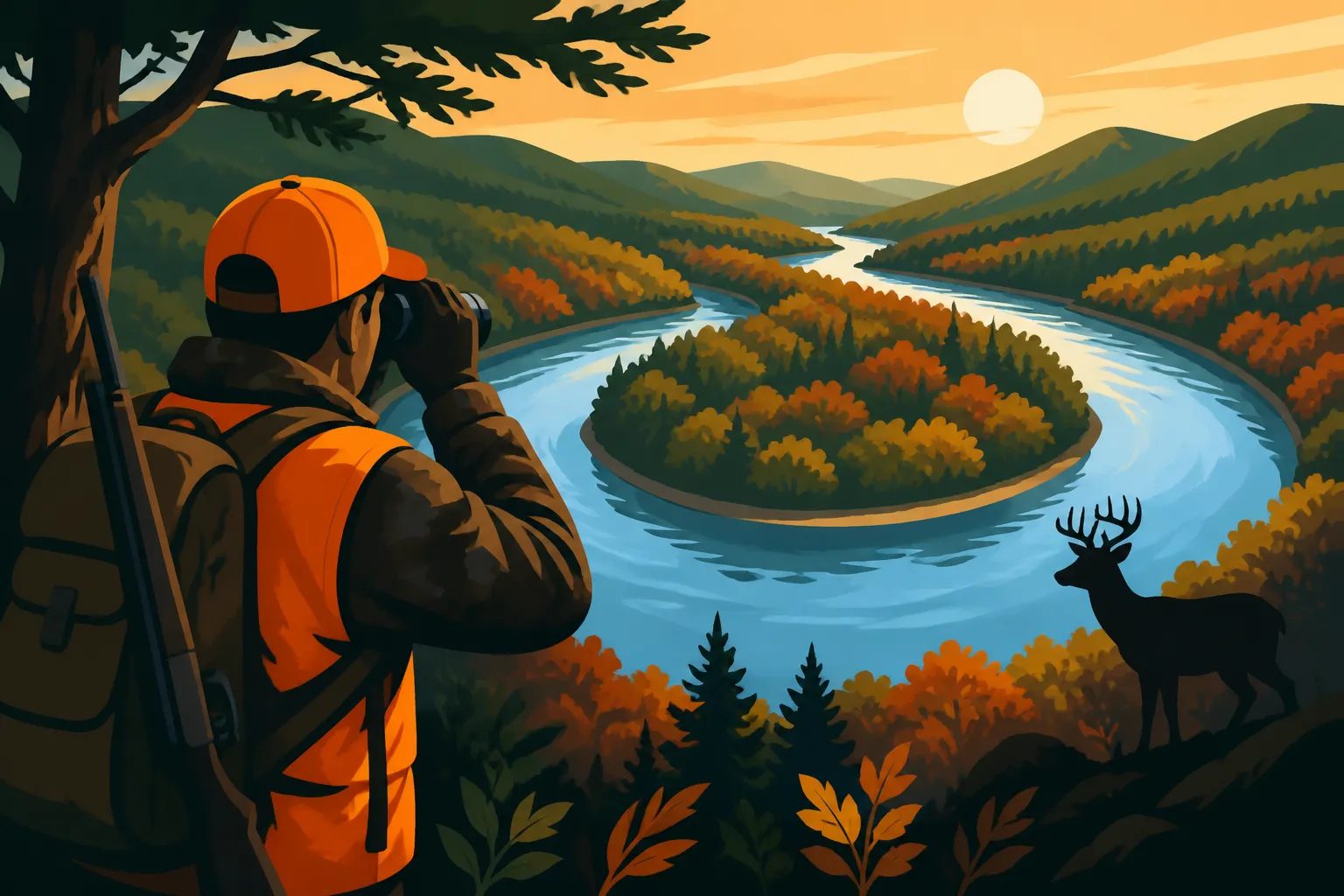
The Connecticut River, flowing along Vermont's eastern border, is a powerhouse of a waterway, constantly shaping the landscape around it. Over countless years, as the river has snaked and curved, it sometimes cuts off a wide loop, creating what we call an oxbow. These aren't just puddles; they're often substantial bodies of water, usually shallower than the main river, and they come with a whole ecosystem of their own. Think about how a river changes course; it erodes one bank and deposits sediment on the other. Eventually, a sharp bend might get "pinched off" during a flood, leaving that old bend as a still, crescent-shaped lake or swamp.
The Dynamics of Oxbow Formation and Ecology
These oxbows are ecological hotspots because they represent a transition zone between aquatic and terrestrial environments. The water itself, though still, is often rich in nutrients from past river flows, supporting a massive amount of aquatic vegetation like lily pads, cattails, and submerged grasses. Around the edges, you'll often find incredibly dense stands of alders, willows, and other water-tolerant trees and shrubs, creating thick, almost impenetrable cover. Further back, as the elevation rises slightly, you might encounter mixed hardwoods and softwoods. This layering of habitat from open water to dense brush to forest edge makes them incredibly attractive to wildlife. The rich vegetation provides abundant food, cover from predators, and sheltered bedding areas. They can feel like miniature wilderness pockets even when surrounded by farmland or human development.
What Makes Oxbows Unique Hunting Grounds
What truly sets oxbows apart for hunters is this concentrated diversity. Unlike vast tracts of timber or open agricultural fields, an oxbow funnels wildlife into a relatively smaller, more defined area. Ducks and geese are naturally drawn to the quiet waters and abundant feed. Deer use the thick edges for bedding and travel corridors, often feeling safe due to the dense cover and proximity to water. Small game, like rabbits and grouse, thrive in the brushy fringes. The challenge, of course, is that the very things that attract game also make them tough to hunt. Navigating mud, thick tangles, and often private land enclaves requires serious planning. But for those willing to put in the effort, an oxbow can offer some of the most consistent action in the state, especially once you've learned its secrets.
What Game You'll Find and How to Approach Them
The beauty of hunting a Connecticut River oxbow is the sheer variety of game you might encounter. It's not just a duck pond or a deer thicket; it's often both, and more. Understanding what species frequent these unique areas and tailoring your approach accordingly is key to success.
Waterfowl: The Primary Attraction
Without a doubt, waterfowl are often the first thing that comes to mind when you picture an oxbow. The still, shallow waters, combined with abundant aquatic vegetation, create a perfect buffet and resting spot for migrating ducks and resident geese. You'll likely find wood ducks, mallards, and sometimes teal or even a few ring-necks taking advantage of the sheltered conditions. Geese will often use them as loafing areas during the day, especially if there are nearby corn or hayfields to feed in.
Hunting waterfowl in an oxbow often requires a good blend of calling, decoying, and concealment. You'll want to scout to see where birds are naturally landing and loafing. Setting up a small spread of decoys, either on the water or tucked into the bank, can be highly effective. Concealment is paramount; these birds are often wary, especially if they've been pressured. A well-brushed-in ground blind or even just hunkering down in the dense cattails can make all the difference. Remember, getting your decoys and gear in might involve some wading or even a small canoe or kayak, so plan your entry and exit carefully. Decoying Ducks on Lake Champlain offers some excellent insights into decoy strategies that can be adapted to smaller water bodies like oxbows.
Deer: Hidden Gems in the Thickets
While waterfowl might be the obvious draw, don't underestimate the potential for deer in an oxbow. The thick, almost impenetrable cover around the water's edge provides incredible bedding and security. Deer will often bed right in these dense tangles, feeling invisible, and then move out to feed in adjacent fields or woods at dawn and dusk. The moisture and lush vegetation also offer food sources throughout the year.
Hunting deer in an oxbow is often a close-quarters affair. Still-hunting slowly along the edges, paying meticulous attention to wind direction, can be productive. Look for subtle deer trails winding through the brush, especially those connecting the oxbow to higher ground or nearby feeding areas. A treestand or ground blind carefully placed overlooking a natural funnel point or a well-used trail could also pay off, particularly if the oxbow is adjacent to a food source like a standing apple orchard or a cut cornfield. Be prepared for short shooting opportunities and the need for quick, decisive action. Hunting a Funnel Between Two Woodlots is a great resource for understanding how deer use transition zones like oxbow edges.
Small Game and Predators: Opportunity Abounds
The dense brush and varied habitat of an oxbow also make it prime territory for small game like snowshoe hare and rabbits, as well as ruffed grouse. These species thrive in thick cover, finding both food and protection. Running a beagle through the tangles on a frosty morning can be an exhilarating way to hunt snowshoe hare, or you might flush a grouse as you still-hunt the edges for deer.
Beyond small game, the abundance of prey species naturally draws predators. Coyotes will often patrol the edges of oxbows, looking for an easy meal. If you're into predator calling, setting up on an elevated point overlooking an oxbow can be highly effective, especially in late season when other food sources are scarce. Coyote Calling Vermont Farm Country could provide some useful tips, as the techniques are similar even if the specific terrain differs.
Here’s a quick overview of potential game and general strategies in a Connecticut River oxbow:
| Game Species | Primary Location in Oxbow | Optimal Hunting Method(s) | Key Considerations |
|---|---|---|---|
| Ducks & Geese | Open water, cattail edges | Decoys, calls, well-camouflaged blinds | Wading, boat access, early morning/late afternoon flights |
| White-tailed Deer | Thick brush, dense timber edges | Still-hunting, treestands/ground blinds over trails | Wind direction, dense cover for close shots, tracking |
| Snowshoe Hare | Dense underbrush, thickets | Still-hunting, running dogs (beagles) | Thick cover for quick flushes, tracking in snow |
| Ruffed Grouse | Brushy edges, mixed timber | Still-hunting, walking slowly, flushing dogs | Fast shots, dense cover, often unexpected flushes |
| Coyote | Edges, adjacent fields | Calling, stand hunting | Wind, good visibility, scent control |
Access, Safety, and Ethical Considerations
Hunting an oxbow along the Connecticut River isn't just about knowing what game lives there; it's also about understanding the unique challenges of access, ensuring your safety, and upholding ethical hunting practices in what can sometimes be a tricky environment.
Navigating Public and Private Land
One of the biggest hurdles when hunting Connecticut River oxbows is land ownership. While the river itself and its immediate banks might be public in some areas, many oxbows are surrounded by private land, often agricultural fields or private woodlots. This means doing your homework is absolutely crucial. You can't just assume that because it's a natural feature, it's public. Using a mapping app like onX Hunt is almost indispensable here. It allows you to clearly see property lines, identify landowners, and often determine if a specific oxbow or its surrounding land is public (like a WMA or state forest) or private. Don't be afraid to knock on doors if a promising oxbow is on private land. Many landowners are open to granting permission, especially for responsible hunters, if you approach them respectfully. Getting Private Land Permission in Vermont offers excellent advice on how to do this right.
Remember, even if an oxbow itself is considered "navigable water" and thus public, accessing it might require crossing private land, which still needs permission. Always carry proof of any permissions you've received, and be extra mindful of posted signs.
Water, Mud, and Treacherous Terrain
Oxbows, by their very nature, mean water and often, a lot of mud. This isn't your average walk in the woods. You'll likely encounter standing water, boggy ground, and thick, sticky mud, especially in the transition zones around the water's edge. This means proper footwear – waterproof boots, waders, or even hip boots – is non-negotiable. Not only does it keep you dry, but it also provides better traction in slippery conditions. Be wary of hidden drop-offs or deep pockets of mud that could lead to a fall or even getting stuck.
Visibility can also be severely limited by the dense vegetation, making it easy to get disoriented, especially as dusk approaches. Always carry a reliable compass or, better yet, a GPS device or a mapping app like onX Hunt on your phone, with downloaded offline maps. Tell someone where you're going and when you expect to return. It sounds basic, but in such challenging terrain, it's vital. Reading Aerial Photos for Green Mountain Deer can help you understand how to use mapping tools to scout and plan your routes in advance, even for a riverine environment.
Ethical Hunting and Respect for the Environment
When hunting oxbows, showing respect for the environment and other users is paramount. These areas can sometimes be used by kayakers, birdwatchers, or local residents. Be mindful of your presence and keep noise to a minimum, particularly when setting up before dawn. Pack out everything you pack in – and then some. Leave no trace of your presence beyond footsteps. If you're harvesting waterfowl, retrieve all downed birds promptly. If you're hunting deer, blood trailing through dense, wet cover can be difficult, so focus on making a clean shot and be prepared for a challenging recovery. Blood Trailing After Dark in Vermont offers crucial tips for tracking in difficult conditions, which are often the norm in an oxbow. The dense cover also means being extra sure of your target and what's beyond it, as visibility is limited.
Gear and Tactics for Success in the Oxbow
Successfully hunting a Connecticut River oxbow requires not just understanding the habitat, but also bringing the right gear and employing smart tactics. This isn't always a "walk in the park" type of hunt; sometimes it's more like a "paddle through the muck" or a "crawl through the thickets."
Essential Gear for the Oxbow Environment
Your gear choices can truly make or break a hunt in this unique environment. First and foremost, as we discussed, waterproof footwear is critical. Chest waders are often the best choice for waterfowl hunters, allowing you to set decoys, retrieve birds, and move through shallow water without getting soaked. For deer or small game hunting along the edges, sturdy, insulated, waterproof boots with good ankle support will be your best friend, especially if you're navigating uneven, muddy terrain.
Beyond footwear, consider a durable, waterproof backpack to keep your extra layers, lunch, and any calls or ammo dry. A small boat – a canoe, kayak, or even a specialized sneak boat – can be invaluable for accessing areas unreachable by foot, especially for waterfowl. If you're going to use a boat, always wear a PFD (personal flotation device), even in seemingly calm oxbows; conditions can change, and you're often alone.
For navigation, a reliable GPS or a mapping app like onX Hunt or GoHunt (with downloaded offline maps) is essential. Cell service can be spotty along river bottoms, so don't rely solely on streaming data. A headlamp with fresh batteries is also a must for pre-dawn setups and post-dusk exits, navigating dense cover in the dark. Lastly, given the thick cover, a good pair of binoculars (8x or 10x) can help you pick apart distant shadows and identify game without moving. Boots for Northeast Kingdom Bog Hunting provides some great insights into choosing appropriate footwear for wet, challenging terrain, which directly applies to oxbows.
Strategic Approaches for Different Game
The tactics you employ will heavily depend on what you're hunting.
For waterfowl, early morning hunts are usually best. Scout beforehand to identify preferred roosting or feeding areas. A small, portable blind made of natural materials (or well-camouflaged commercial blind) can be tucked into the cattails or willow thickets along the water's edge. Don't overdo the decoys; a spread of a half-dozen mallards and a couple of wood ducks might be all you need. Focus on subtle calling to draw birds in close. If you're using a boat, make sure it's concealed after you set up. Consider the sun's position – you want it at your back, if possible, to illuminate approaching birds and keep you hidden in shadow.
When pursuing deer, the dense cover demands a slow, methodical approach. Still-hunting along the higher, drier edges, working into the wind, can be effective. Look for rubs, scrapes, and fresh tracks where deer are entering or exiting the thickest cover. Identify natural funnels where deer movement is concentrated. A well-placed treestand overlooking such a funnel or a pinch point between the oxbow and an adjacent food source can be a deadly setup during the rut, especially if you're patient. Hunting a Ridge-Top Saddle for Rutting Bucks might not be about an oxbow, but the principles of identifying and hunting natural funnels are universal. Remember that deer in these areas often feel secure and might hold tight, so be prepared to jump-shoot or make quick decisions.
For small game, especially rabbits or hare, a walk-and-flush approach is common. Moving slowly through the dense brush, keeping your shotgun ready, can put birds or bunnies up. If you have a dog, a beagle or a flushing dog can be incredibly effective at pushing game out of the thickets. If you're trying to locate ruffed grouse, focus on areas with mixed deciduous and conifer cover, particularly where there are older, thicker stands of alders or aspens.
Adapting to Changing Conditions
Oxbows are dynamic environments. Water levels can change with rainfall or river fluctuations, altering access and game movement. A severe cold snap might freeze smaller oxbows, pushing waterfowl to larger, open water. Heavy snow can make the dense cover even more challenging to navigate but might concentrate deer in smaller areas with better forage. Being flexible and ready to adapt your plan is key. Always check the weather forecast before heading out, and be prepared for Vermont's notoriously unpredictable conditions.
Disclaimer
This article is for general informational purposes only and does not constitute professional advice. Laws, prices and regulations vary by location and change over time. Consult a qualified professional for guidance on your specific situation.