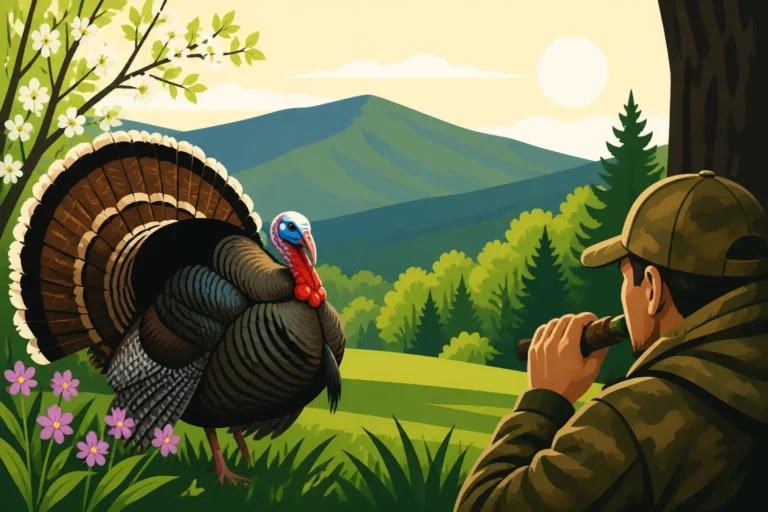
Calls for Vermont Turkeys
Many Vermont turkey hunters struggle to consistently bring birds into range, often finding their calls either ignored or, worse, spooking turkeys away. The secret isn't just owning a call, it's understanding the nuanced language of wild turkeys and knowing which call to use, when, and how. This comprehensive guide will walk you through the various types of turkey calls, how to master their use, and tactical strategies specific to hunting Vermont's intelligent gobblers and elusive fall flocks.
Understanding Vermont Turkeys and Their Vocalizations
Before you even think about putting a call to your lips, it's absolutely crucial to understand the language of the birds you're trying to fool. Vermont's wild turkeys, whether you're chasing them in the Champlain Valley or up in the Northeast Kingdom, are incredibly vocal creatures, but their sounds aren't random. Every purr, yelp, cluck, and gobble carries a specific meaning, and learning to interpret these can give you a massive advantage in the woods. Thinking of a call as just a noisemaker is like trying to have a conversation in a foreign country without knowing a single word of the local language; you might make some sounds, but you won't be communicating effectively.
Why Understanding Turkey Language Matters
Imagine you're sitting in a blind, perhaps near a field edge in Addison County, and you hear a series of soft tree yelps as the first light breaks. If you don't understand that those are morning greetings between hens still on the roost, you might blast out a loud cutting sequence, potentially scaring them off before they even hit the ground. Conversely, if you hear a lost yelp from a lone bird, knowing that sound means "where are you?" will prompt a different, more empathetic response from your call. It's about empathy, really. You're trying to speak their language, not just at them. Understanding the context of each sound a turkey makes allows you to respond appropriately, building trust or stimulating curiosity rather than alarm. This deep understanding also helps you assess the mood of the birds. Are they excited? Content? Nervous? Your calling strategy should shift with their demeanor.
Knowing the language also aids in locating birds. A shock gobble might tell you exactly where a tom is hanging out before you've even seen him, saving you precious time and legwork. Or, hearing hens making contented clucks might clue you into a feeding area you hadn't considered. It’s not just about what you call, but how you interpret their answers, or lack thereof. Sometimes the absence of a sound is as telling as its presence. For serious hunters, studying turkey vocalizations goes beyond just knowing what a yelp sounds like; it's about discerning subtle differences in tone, rhythm, and intensity that can mean the difference between an empty vest and a successful hunt.
Common Turkey Sounds and Their Meanings
Wild turkeys have a surprisingly rich vocabulary, and as a Vermont hunter, familiarizing yourself with the core sounds is your first step. The yelp is perhaps the most fundamental, a series of two to ten notes that can range from a greeting to a call for company. A longer, more excited yelp, often called a fly-down cackle, signals a hen coming off the roost. The cluck is a short, soft, single note, indicating contentment or drawing attention. Often, you'll hear a series of clucks and purrs together, signifying a bird feeding or feeling at ease.
Then there's the purr, a soft, rolling sound often made by contented birds. An aggressive purr, sometimes called a fighting purr, can be much louder and accompanied by a "spit" sound, used when birds are establishing dominance. Cuts are sharp, abrupt, rapid clucks, conveying excitement or demanding attention. If a gobbler is "hot," cutting can often get a quick response. And of course, there's the gobble itself—the loud, resonant sound of the tom, typically used to attract hens or announce his presence. Listen carefully for these during Spring Turkey Hunting in Vermont. Less common, but still important, are the keet-keet run, a distress call from a lost poult, and the alarm putt, a sharp, single note that signals danger and usually means the jig is up. Knowing these distinct calls and their contexts will dramatically improve your ability to communicate effectively in the turkey woods.
Regional Differences in Vermont Turkey Vocalizations
It might sound a bit far-fetched, but believe it or not, turkeys can exhibit subtle regional "accents" or behavioral patterns in their vocalizations. A gobbler in the heavily timbered hills of the Green Mountain National Forest might respond differently to a call than one strutting across a wide-open Champlain Valley dairy farm. While the core sounds remain the same, the frequency, intensity, and responsiveness can vary. For instance, birds in areas with higher hunting pressure, like some public lands close to population centers, might be more cautious and respond better to softer, more subtle calling, or less frequent calling. They've heard it all before, and they're wary.
Conversely, turkeys in more remote areas of the Northeast Kingdom might be more vocal and less hesitant to respond to a bolder approach, simply because they haven't encountered as many hunters. The terrain itself can also play a role; calls carry differently through dense softwood stands compared to open hardwoods. Wind and elevation can further complicate things, making it harder for birds to hear or pinpoint the source of a call. Pay attention to how the birds in your specific hunting area are behaving. If you're consistently getting shut down with aggressive calling, try toning it down. If they're barely responding to soft clucks, maybe it's time to add a bit more excitement. Learning these local nuances is part of becoming a truly skilled Vermont turkey hunter.
The Essential Turkey Calls for Vermont Hunters
Now that we've covered the "why," let's dive into the "what." The market is flooded with turkey calls, and it can be overwhelming to decide which ones to carry. However, for Vermont hunting, there are a few foundational types that every serious turkey hunter should consider mastering. Each call has its strengths and weaknesses, and understanding these will help you pick the right tool for the job, whether you're trying to Call an Early May Gobbler Off the Roost or just locate a bird at midday. You'll often find seasoned hunters carrying a variety, ready to switch tactics based on the bird's mood or the situation at hand.
Diaphragm Calls: The Versatile Hands-Free Option
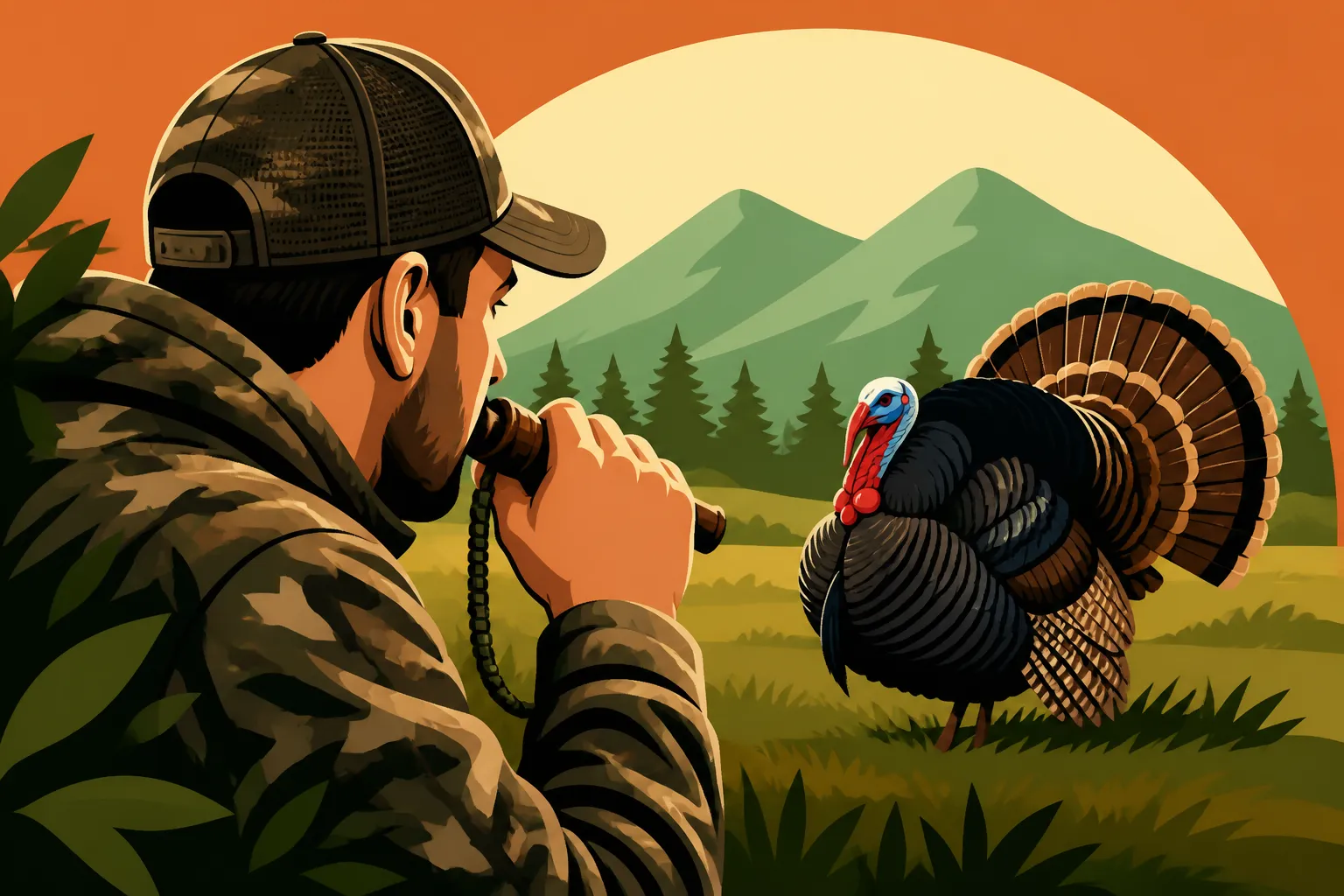
Diaphragm calls, often called mouth calls, are arguably the most versatile tools in a turkey hunter's arsenal. They consist of a frame with one or more stretched latex reeds, which you place in the roof of your mouth. By forcing air across the reeds with your tongue and varying the pressure, you can produce a wide range of turkey vocalizations—from soft clucks and purrs to excited yelps and cuts, and even a gobble. Their biggest advantage? They're completely hands-free. This means you can keep your gun mounted and ready, adjust your camouflage, or even glass a distant bird, all while calling. This hands-free capability is a game-changer when a wary tom is just about to commit and you need to remain absolutely still.
Mastering a diaphragm call takes practice, often requiring patience to get the right tongue pressure and air control. It can be frustrating at first, creating squeaks or squawks instead of sweet yelps, but persistence pays off. Many hunters start with a single-reed call, moving on to double or triple reeds for different tones and volumes once they've got the basics down. The sound quality can be incredibly realistic, mimicking the subtle nuances of a hen perfectly. You can often find a wide selection of these calls, along with instructional videos, by doing a quick search on platforms like GoHunt. Carrying a few different diaphragm calls with varying reed cuts and tensions can give you a diverse palette of hen sounds to adapt to any situation in the Vermont woods.
Box Calls: The Classic and Easy-to-Learn Starter
For many, the box call is where their turkey calling journey began, and for good reason. It’s incredibly user-friendly, making it an excellent choice for beginners and a reliable standby for veterans. A box call consists of a wooden box with a lid that pivots on a screw or nail. You create sound by drawing the lid across the lip of the box. Different pressures and speeds produce various yelps, clucks, and even cuts. The beauty of the box call is its simplicity and consistency; it's relatively easy to get realistic turkey sounds with minimal practice.
Box calls are fantastic for loud, long-range calling, making them ideal for trying to locate distant gobblers across a wide-open field or down a valley. They project sound incredibly well, which can be a huge asset when the wind is up or you're trying to reach birds across steep Green Mountain terrain. While not hands-free, they are quick to operate and can be set down quietly. Different wood types (like mahogany, cedar, or walnut) and designs offer variations in tone, from high-pitched and raspy to deep and resonant. The key to consistency is keeping the friction surfaces clean and occasionally applying a bit of chalk to the lid, which many manufacturers provide. Don't underestimate the power of a well-used box call; its simple, effective voice has fooled countless gobblers over the decades.
Slate and Pot Calls: For Realistic Soft and Loud Tones
Slate and pot calls, sometimes generically called "friction calls," offer an unparalleled range of realistic vocalizations, from the softest purrs to loud, excited cuts. These calls consist of a soundboard (the "pot," usually made of slate, glass, aluminum, or copper) and a "striker" (a peg made of various woods like hickory, purple heart, or carbon). You create sound by dragging or tapping the striker across the surface of the pot, generating friction. The material of the pot and the striker, as well as the shape of the pot, all influence the sound produced.
The advantage of slate and pot calls lies in their ability to produce incredibly realistic and nuanced sounds. You can make subtle clucks, contented purrs, and various yelps with great control over tone and volume. For soft calling when a bird is close and wary, a slate call with a soft striker is often unmatched. Conversely, a glass or aluminum call with a carbon striker can produce louder, sharper sounds for reaching out to a bird. Like box calls, they require the use of your hands, so you need to be mindful of putting them down quietly as a bird approaches. Keeping the surfaces clean and roughing them up with a piece of sandpaper (often provided) is essential for consistent performance. Many hunters rely on these for their versatility, carrying different pot materials and strikers to cover all their bases in the Vermont woods.
Mastering Different Call Types for Vermont Situations
Owning a call is one thing; mastering it is another entirely. A call is only as good as the hunter wielding it, and truly effective turkey calling isn't just about making the right sound, but delivering it with conviction, appropriate volume, and a natural cadence. This is especially true when hunting intelligent Vermont gobblers, which have often heard every trick in the book. It's about developing an ear for what sounds right and adapting your delivery to the moment.
From Yelp to Purr: Basic to Advanced Sounds
Every turkey hunter starts somewhere, usually with the basic yelp. A good, consistent yelp from a diaphragm, box, or pot call is the foundation of your turkey vocabulary. Practice getting a clear, distinct two- to five-note yelp. Once you're comfortable, move on to the cluck—a simple, sharp note that signals contentment or curiosity. Combine clucks and yelps into a "cluck-and-yelp" sequence, which is a common and effective call. Then, challenge yourself with the purr, that soft, rolling sound of a contented hen. This is often best achieved on a diaphragm or slate call, requiring delicate control.
As you gain proficiency, you can try more advanced vocalizations. Cutting, those sharp, excited clucks, can really grab a gobbler's attention and signal an eager hen. Mastering the fly-down cackle is another great skill for early morning hunts, mimicking a hen jumping off her roost. Don't forget the gobble call, either! While primarily for toms, a locator gobble can be incredibly effective at making a dominant tom reveal his position without having to commit to your setup. Each of these sounds has its place, and the more you master, the more versatile you'll be in the field. Practice these varied sounds at home, perhaps even recording yourself to critique your own performance. Remember, consistency and realism are far more important than speed or volume.
Volume and Cadence: Adjusting to the Situation
It's not just what you say, but how you say it. The volume and cadence of your calling are critical variables that need constant adjustment based on the situation. If you're trying to locate a bird across a large open field, like those you might encounter while Hunting a Champlain Valley Dairy Farm Edge, a loud, drawn-out yelp on a box call might be just what you need to cut through the distance. But if that same bird responds and is now approaching, switching to softer, more subtle clucks and purrs on a diaphragm or slate call can coax him the last few yards without alarming him.
Cadence refers to the rhythm and timing of your calls. Turkeys don't call like robots; their vocalizations are natural and varied. A hen might yelp quickly when excited, or slowly and deliberately when just meandering through the woods. Your calling should reflect this natural variability. Avoid calling too frequently, especially when a bird is coming in. Often, less is more. Let the bird respond, listen to his pace, and mirror his enthusiasm (or lack thereof). If a tom is gobbling every minute, you can be a bit more aggressive. If he's silent but still heading your way, a few soft clucks might be all it takes. Observing actual turkeys in the wild, or watching high-quality hunting videos, can give you a better sense of natural volume and cadence. Pay attention to how the local birds respond to your initial setups; they will often tell you exactly what they want to hear, or don't want to hear.
Practice Makes Perfect: Honing Your Calling Skills
There’s simply no substitute for practice when it comes to turkey calling. You wouldn't expect to play a musical instrument perfectly without hours of dedicated effort, and turkey calls are no different. Start by practicing in a low-pressure environment, like your car or even in front of a mirror. Focus on producing clear, consistent sounds with each of your calls. Pay attention to pitch and tone; listen to real turkeys (there are many great recordings available online or through apps like GoHunt) and try to mimic their exact vocalizations. The nuances of a real hen's yelp can be subtle, but they make all the difference.
Once you’re comfortable with the individual calls, practice calling sequences. Try a fly-down cackle, followed by some soft tree yelps, then a few clucks and purrs as if a hen just hit the ground and is feeding. This tells a story. Practice varying your volume and cadence. Get a hunting buddy to critique your calling from a distance, as sounds often carry differently outdoors. Don't get discouraged by initial struggles; every experienced caller started out sounding a bit like a dying cat. The more you practice, the more muscle memory you'll build, and the more natural and confident your calling will become in the heat of the moment, whether you’re facing a stubborn tom or trying to Break Up a Fall Turkey Flock. Consistent practice transforms a simple call into a powerful communication tool.
Advanced Calling Strategies for Pressured Vermont Birds
Vermont's wild turkeys are sharp. They aren't always going to fall for the first yelp you throw their way, especially if they've been hunted before. This is where advanced calling strategies come into play. It's about moving beyond the basic "yelp and wait" and becoming a more adaptable and observant hunter. Dealing with pressured birds, particularly on public lands like many of Vermont’s Wildlife Management Areas, requires a nuanced approach and a willingness to try different tactics.
Reading the Bird: Adapting to Gobblers and Hens
Every turkey hunt is a dynamic conversation, and the most successful callers are excellent listeners. When a gobbler responds, don't just keep yelping. Listen to his gobble. Is it weak and distant, or strong and close? Is he gobbling frequently, indicating excitement, or only once every few minutes, suggesting caution? Is he moving towards you, or staying put? If you hear hens with him, that changes everything. Often, a gobbler with real hens is far harder to pull away, as he already has what he wants. In such cases, trying to mimic an "aggressive hen" might work, attempting to draw the real hens (and thus the gobbler) into your setup.
Sometimes, a tom might "hang up" just out of range, gobbling his head off but refusing to commit. This is a classic frustration. In these scenarios, reducing your calling volume, or even going silent, can sometimes pique his curiosity enough to make him take those last few steps. Or, you might try a soft purr and scratch the leaves, mimicking a contented hen that’s not interested in chasing him down. The key is to constantly assess the bird's response and adjust your strategy. If what you're doing isn't working after a few minutes, try something different. This adaptability, this ability to "read the bird," is a hallmark of truly advanced turkey calling.
Aggressive Versus Submissive Calling
Deciding whether to call aggressively or submissively is a critical strategic choice, and it often depends on the mood of the birds and the time of the season. Aggressive calling—loud, fast yelps, sharp cuts, and even gobbling on a locator call—can be fantastic for early morning "cold calling" to locate birds, or for challenging a dominant gobbler. If you encounter a silent, stubborn tom, sometimes an aggressive series of cuts and yelps can provoke him into gobbling or even storming in, looking for the "intruding hen." It says, "Hey, I'm here and I'm hot!"
Conversely, submissive calling involves softer, quieter sounds: soft clucks, contented purrs, and subtle tree yelps. This approach is often more effective for pressured birds, or when a tom is hanging up at 60 yards. It implies a hen that isn't desperate, isn't going anywhere, and if he wants to breed, he'll have to come to her. Think of it as playing hard to get. Sometimes, mimicking a shy or contented hen can be the perfect lure. For example, if you're trying to Decoy Placement for Pressured Spring Birds, pairing subtle calling with realistic decoys can create a convincing scenario. Knowing when to be loud and proud versus quiet and alluring is a skill refined over many seasons in the Vermont turkey woods.
Locating Calls: Finding Those Elusive Toms
Before you can call a turkey in, you often have to find him. That’s where locator calls come into play. These calls aren't meant to sound like turkeys, but rather to elicit a "shock gobble" from a tom, revealing his position. Popular locator calls include owl hoots, crow calls, and even coyote howls. The theory is that a gobbler, especially in the early morning, will instinctively gobble back at a loud, unfamiliar sound, even if it's not a hen. This helps you pinpoint his exact location without him knowing you're a potential predator.
Picture yourself on a cool May morning, working your way along a ridge in the Green Mountains. You let out a series of realistic owl hoots. Suddenly, a thunderous gobble erupts from a draw below you, telling you exactly where that tom is roosted. Now you know where to set up. These calls are invaluable for covering ground, especially when scouting new areas or trying to find a bird that hasn't made a peep. Just be mindful of calling too much with locators, as repetitive sounds can sometimes make birds wary, or worse, attract non-target species. Used sparingly and effectively, locator calls are a crucial part of the Vermont turkey hunter's toolkit, helping you put the pieces together before the real calling game even begins. You might find information on using locator calls effectively on resources like GoHunt.
Seasonal Calling Considerations for Vermont Turkeys
The way you call a turkey in April is very different from how you might approach a bird in November. Turkey behavior changes dramatically throughout the year, driven by breeding cycles, flocking dynamics, and food sources. Understanding these seasonal shifts is paramount to successful calling, ensuring your vocalizations are relevant and appealing to the birds you're targeting. Vermont offers both spring and fall turkey seasons, each demanding a unique calling strategy.
Spring Fling: Calling Gobblers in Breeding Season
Spring in Vermont is all about the gobbler. With the breeding season in full swing, toms are actively seeking hens. Your primary goal is to sound like an eager, available hen, drawing the gobbler into range for a shot. Early in the spring, when hens might still be henned-up, a gobbler might be reluctant to leave his flock. In these situations, softer, less frequent calling, mimicking a lone hen, can sometimes entice him. As the season progresses and hens start to nest, gobblers become more solitary and often more responsive to calling. This is when more aggressive hen yelps and cuts can work wonders, sounding like a new hen entering his territory.
When you're Calling an Early May Gobbler Off the Roost, you might start with some soft tree yelps before fly-down, then switch to excited fly-down cackles as the first light hits. Once he's on the ground, a few yelps and clucks, followed by silence, can often make him search for you. Remember that gobblers are often looking for the easiest path to a hen. Setting up in an open area where he can see your decoys (if using them) and hear your calls without obstruction can be highly effective. Patience is key; sometimes a tom will take his sweet time approaching, especially if you're hunting during When Vermont Gobblers Go Quiet in Late May.
Fall Flocks: Breaking Up and Calling Back
Fall turkey hunting in Vermont is a completely different ballgame. The breeding season is over, and turkeys are primarily focused on feeding and regrouping into larger flocks. Your strategy here isn't to attract a love-struck gobbler, but rather to scatter a flock and then call the individual birds back together. This "bust and call" method is incredibly effective. The idea is to find a flock, rush in to scatter them in every direction, and then set up and start making distress calls, mimicking a lost bird trying to regroup.
Once the flock is busted, give it 15-30 minutes for the birds to settle down. Then, start with soft kee-kee runs, the lost whistle of a young turkey, followed by lost yelps. The more frantic and lost you sound, the better. This appeals to their strong flocking instinct. Hens will often respond first, as they are the primary "regroupers" of the flock. You're essentially playing the role of a lost member of their family. If you're working a fall flock apart statewide with a bow, as described in Working a Fall Flock Apart Statewide With a Bow, this strategy is paramount. The dynamics can be complex, and you might have multiple birds responding from different directions. Focus on the closest, most confident caller, as that's often your best shot.
Wet Weather and Wind: Adjusting Your Approach
Vermont weather can be unpredictable, especially during the spring and fall hunting seasons. Rain, wind, and even fog can significantly impact how turkeys behave and how far your calls carry. When it's raining or misty, sound doesn't travel as far, and turkeys tend to be less vocal. In these conditions, you'll need to call more frequently and often louder to be heard. However, too much volume can also be counterproductive. It's a delicate balance. Focus on getting closer to known roosting or feeding areas, as birds will be less inclined to move long distances.
Wind is perhaps the biggest challenge. A strong breeze can carry your calls away, making it difficult for birds to pinpoint your location, or it can even mask your calling entirely. When hunting in windy conditions, try to set up on the downwind side of a ridge or in a sheltered area where your calls can carry more effectively. Increase your call volume, but again, be mindful of over-calling. Locator calls, like crow or owl hoots, can be useful in windy conditions to cut through the noise. Turkeys will often use terrain to their advantage in the wind, seeking sheltered areas, so focusing your efforts there can also be productive. Always adjust your strategy based on what Mother Nature throws at you; being stubborn with your calling in adverse weather will often lead to a quiet hunt.
| Call Type | Best For | Pros | Cons | Practice Level | Typical Sounds |
|---|---|---|---|---|---|
| Diaphragm Call | Versatility, Hands-free, Soft calling | Hands-free operation, wide range of realistic sounds, compact | Steep learning curve, can get wet from saliva, difficult for beginners | High | Yelps, Clucks, Purrs, Cuts, Gobbles |
| Box Call | Loud locating, Consistent yelps, Easy to learn | Loud projection, easy to use, consistent sound, durable | Requires two hands, less subtle for close birds, can be bulky | Low-Medium | Yelps, Clucks, Cuts |
| Slate/Pot Call | Realistic soft calls, Versatile, Medium range | Highly realistic, great for soft purrs and clucks, versatile for volume | Requires two hands, can be affected by moisture, needs surface conditioning | Medium | Yelps, Clucks, Purrs, Cuts, Kee-kees |
| Locator Calls | Shock gobbling, Locating distant birds | Effective for locating, works across long distances, non-turkey sounds | Not for calling birds in, can attract non-target species | Low | Owl Hoots, Crow Calls, Coyote Howls, Gobbles (for locator) |
Maintenance and Care for Your Vermont Turkey Calls
You've invested time and money into acquiring and learning your turkey calls, so it only makes sense to take good care of them. Proper maintenance not only extends the life of your calls but also ensures they perform optimally when that trophy gobbler is finally stepping into range. A call that squeaks or produces inconsistent sounds because it's poorly maintained can ruin a hunt faster than anything. Just like a well-oiled rifle, a well-maintained call is a hunter's best friend.
Keeping Your Calls Ready for Action
Regular cleaning and maintenance are key. For diaphragm calls, rinsing them with clean water after each use and letting them air dry can prevent bacteria buildup and prolong the life of the reeds. Store them in a ventilated call case to keep them protected and allow them to dry completely. Avoid leaving them in direct sunlight or extreme heat, which can damage the latex. If a reed loses its tension, it might be time for a replacement, or sometimes a slight adjustment to the frame can help.
Box calls require very little maintenance but benefit from occasional chalking. Most box calls come with a small piece of chalk. Lightly chalk the lid's friction surface and the edges of the box where the lid rubs. This provides the necessary friction for clear sounds. If the sound becomes dull or inconsistent, clean the surfaces with a light abrasive (like fine sandpaper) and re-chalk. Keep them dry and protected in a case; moisture can warp the wood and ruin the sound. Similarly, slate and pot calls need their friction surfaces roughened periodically. Use the abrasive pad or sandpaper provided by the manufacturer to lightly scuff the surface and the tip of your striker. This creates the optimal friction for sound. Keep them dry and free of oils from your hands, which can deaden the sound.
Troubleshooting Common Call Issues
Even with the best care, calls can sometimes act up. If your diaphragm call is squeaking instead of yelping, it could be a few things: too much air pressure, incorrect tongue placement, or a reed that's lost its tension. Try adjusting your tongue position, reducing your air flow, or testing a different call. If it's still squeaky, the call might be worn out. For box calls, a dull or "sticky" sound often means the friction surfaces need to be cleaned and re-chalked. If the lid is too tight or loose, you might be able to adjust the screw slightly, but be careful not to over-tighten and crack the wood.
With slate and pot calls, the most common issue is a "dead" sound, usually caused by a slick or oily surface. A quick rough-up with sandpaper should fix this. If your striker isn't producing good sound, check its tip for wear or contamination. Different strikers produce different sounds, so experimenting with a few can often solve the problem. Sometimes, the problem isn't the call itself, but how you're using it. If you're consistently having trouble, go back to basics and practice your technique. Watching online tutorials or even getting advice from an experienced turkey hunter can help diagnose and fix issues. Remember, a call is a tool, and like any tool, it needs to be understood and properly handled to perform at its best.
Storing Your Calls for Longevity
Proper storage is often overlooked but critical for the longevity and performance of your calls. Leaving calls rattling around in a hunting pack or exposed to the elements is a sure way to shorten their lifespan and compromise their sound. Invest in dedicated call cases or pouches for each type of call. These protect them from dirt, moisture, and impact damage. Many call manufacturers offer custom-fit cases, or you can find universal options.
For diaphragm calls, small plastic cases with ventilation holes are ideal, keeping them sanitary and dry. Box calls often come with felt-lined cases or can be stored in a soft cloth pouch to prevent dings and scratches. Keeping them upright can also help prevent the lid from warping. For slate and pot calls, look for cases that separate the pot from the strikers, preventing scratches on the friction surface. Some cases even have built-in compartments for sandpaper or conditioning pads. Always store calls in a cool, dry place, away from extreme temperatures and humidity. Before putting them away for the off-season, give them a thorough cleaning and inspection. This ensures they're ready to go when Hunting the Regular Archery Opener in October for a fall turkey or when the spring season rolls around again. A little care goes a long way in ensuring your calls are always sharp and ready to bring a Vermont gobbler into range.
Disclaimer
This article is for general informational purposes only and does not constitute professional advice. Laws, prices and regulations vary by location and change over time. Consult a qualified professional for guidance on your specific situation.