Bowhunting During Vermont’s Rifle Season
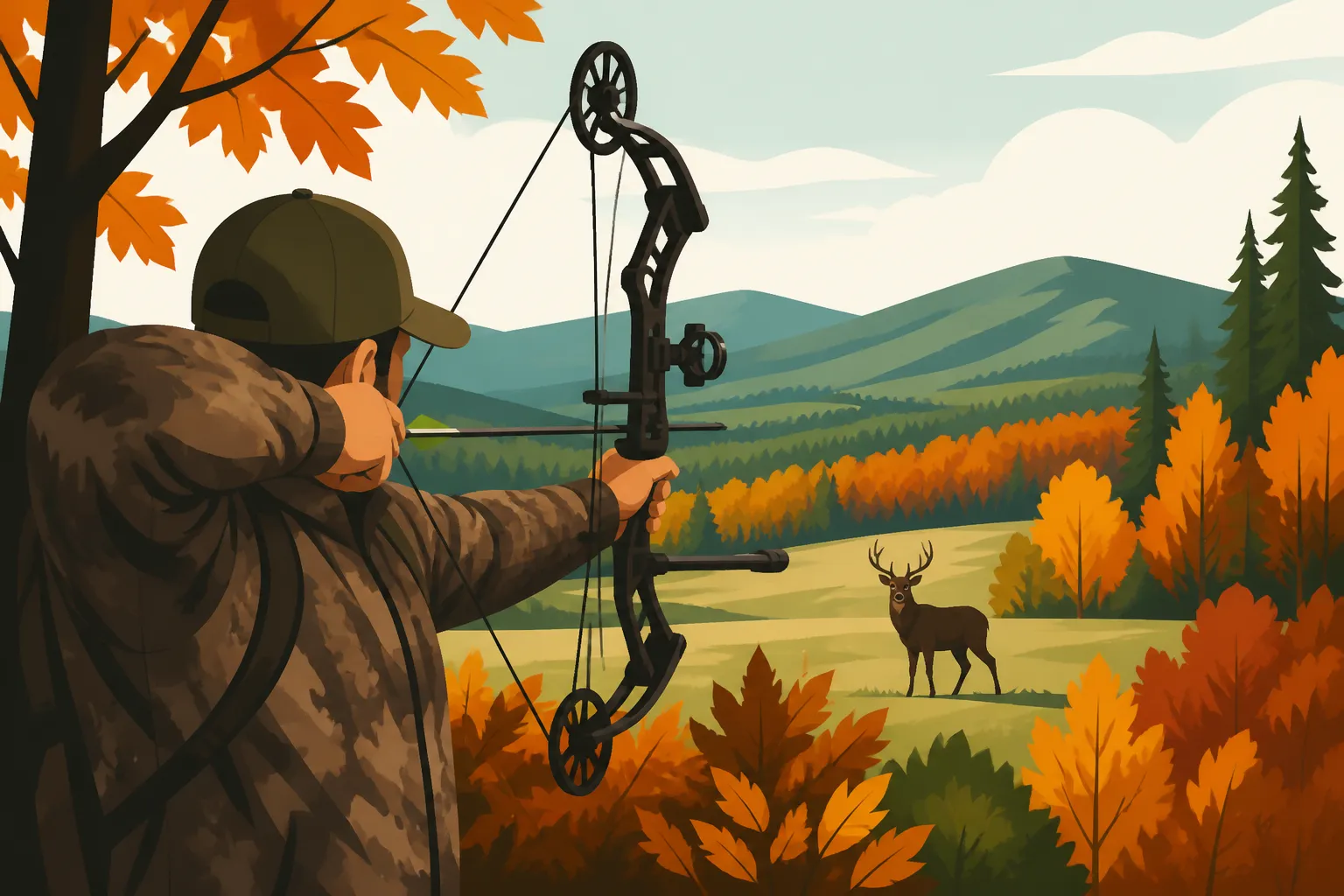
There’s a unique challenge, and some might say a special kind of crazy, that comes with bowhunting in Vermont once the rifle season kicks in. Suddenly, the quiet woods you’ve had mostly to yourself are teeming with more hunters, the whitetails become jumpier, and you're now wearing blaze orange over your camo. It can feel like your whole world shifted overnight, making you question if staying in the tree stand with your bow is even worth it. But I’m here to tell you it absolutely is, and this guide will walk you through how to successfully navigate the archery-rifle overlap, turning those perceived disadvantages into opportunities.
Understanding Vermont's Archery-Rifle Overlap Rules
When November rolls around in Vermont, the woods transform. For many bowhunters, it's a bittersweet change. You've had the peace and quiet of the early season, enjoying the crisp air and subtle deer movement. Then, bam! The rifle season opens, and suddenly, the landscape, both literally and metaphorically, changes. This isn't just about more hunters; it's about a fundamental shift in how you need to approach your bowhunting strategy.
The Specifics of the Concurrent Seasons
Vermont has a distinct period where the regular archery season runs concurrently with the rifle season. This means that while rifle hunters are out with their firearms, you, as a bowhunter, are also legally permitted to be in the woods with your archery equipment. It's a fantastic opportunity to extend your season and potentially tag a deer that's been pushed by rifle pressure, but it comes with a critical caveat: safety first. You're now sharing the woods with hunters whose effective range is significantly greater than your own, and whose focus might be different. This overlap period, typically in mid-November, is a testament to Vermont's desire to offer varied hunting opportunities, but it places a higher burden on individual hunters to be acutely aware of their surroundings and the regulations. For a deeper dive into the specific rules that make this possible, you might want to check out information on Vermont's New Archery-During-Rifle Overlap Rule. Understanding the exact dates and legal parameters is your first step to a safe and successful hunt.
One of the biggest frustrations I hear from fellow bowhunters during this time is the sheer volume of hunters. It can feel like every prime piece of public land is suddenly overrun, with trucks parked along every logging road. This increased human activity fundamentally changes deer behavior. What was a productive stand in October might now be a ghost town, or worse, a highway for panicked deer. You also have to contend with different weapons and hunting styles. Rifle hunters might be still-hunting or driving deer, tactics that directly impact the movements of the deer you’re trying to intercept with a bow. It’s not just about the rules; it's about the psychological shift in the woods that you, as a bowhunter, must mentally prepare for.
Mandatory Blaze Orange Requirements
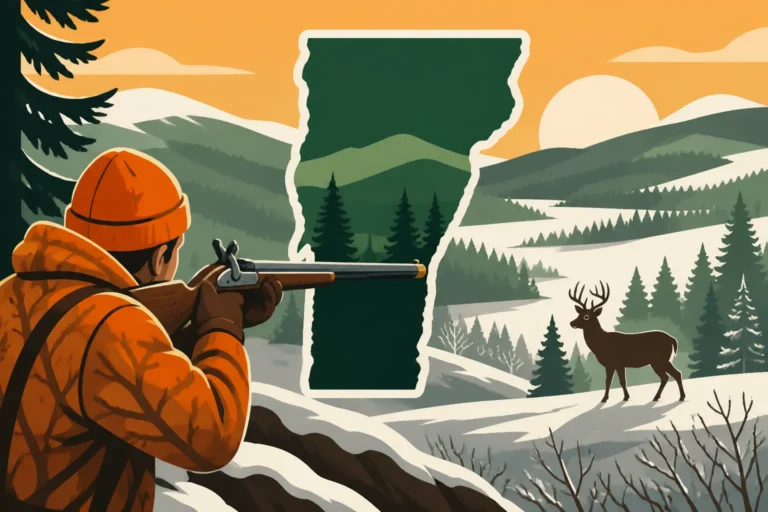
Here's the non-negotiable part: if you're bowhunting during Vermont's rifle season, you absolutely must wear blaze orange. No excuses, no exceptions. This isn't just a suggestion; it's a legal requirement designed for your safety and the safety of everyone else in the woods. The regulations specify a minimum amount of blaze orange, typically a certain number of square inches visible from all sides, worn above the waist. This usually translates to a blaze orange hat and a vest or jacket. While it might feel counterintuitive to wear such a bright color when you're trying to be invisible to deer, trust me, being highly visible to other hunters is far more important.
Think of blaze orange as your shield. It drastically reduces the chance of another hunter mistaking you for game, particularly in low light conditions or thick cover where visibility is limited. While deer don't see colors the way humans do – they're largely colorblind to the red end of the spectrum and see in shades of blue and yellow – they do detect movement and different shades of gray. So, while your blaze orange isn't necessarily a giant red flag to a deer, it also doesn't provide the ultimate camouflage you might be used to. The key is to minimize movement and understand that your scent and sound control become even more critical when your visual concealment is compromised. For detailed guidance on the precise requirements, looking into How Much Blaze Orange Vermont Requires is highly recommended to ensure you're fully compliant and safe.
Adapting Your Bowhunting Strategy to Rifle Pressure
The moment rifle season opens, deer become ghosts. The routine patterns you've observed through trail cameras and pre-season scouting often get thrown out the window. Bucks that were swaggering across fields at dawn in October are now moving like phantoms, sticking to the densest cover imaginable. This isn't a time to give up; it's a time to adapt, to think like a deer under immense pressure, and to use that knowledge to your advantage.
Finding Sanctuary and Overlooked Areas
When the rifle hunters flood the traditional hotspots, deer don't just vanish; they seek refuge. These "sanctuary areas" are often the nastiest, thickest, most inaccessible places you can imagine. Think dense cedar swamps, overgrown clear-cuts with thorny regrowth, steep ravines, or impenetrable softwood thickets. These are the places rifle hunters are often less willing to penetrate due to the difficulty of navigating them, or the perceived lack of visibility for a shot. For a bowhunter, however, these areas can be golden. You're already set up for close-range encounters, and the limited visibility actually works in your favor for concealment.
Scouting for these areas often means looking at topographical maps or using mapping apps like GoHunt to identify pockets of dense cover adjacent to known travel corridors or feeding areas. Look for bottlenecks where deer might funnel as they move between bedding and feeding, but always keeping to the thickest cover. Sometimes, these sanctuaries are surprisingly close to human activity – a small, brushy island in the middle of a large field, or a steep, rocky hillside ignored by others. Don't be afraid to put in the work to get into these spots. It might mean crawling on your hands and knees through tangled brush, but that's precisely why the deer are there. Understanding Hunting Pressure on Vermont Public Land can give you an edge in identifying where the deer are likely to relocate when the orange army marches in. Often, the best spots are those others walk right past, which is a great tip if you're looking for Finding Ground Others Walk Past.
Adjusting Deer Movement Patterns
Deer are creatures of habit, but they are also incredibly adaptive. During rifle season, their habits shift dramatically. Daytime movement in open areas largely ceases, especially after the first few days of sustained pressure. They become far more nocturnal, moving under the cover of darkness, only venturing out for quick, cautious feeding forays in low-light conditions. When they do move during the day, it's typically through the absolute thickest cover, often sticking to ridge lines or deep hollows that offer maximum concealment.
Your strategy must account for this. Instead of setting up on open field edges during midday, focus on ambush points along known escape routes, pinch points between dense bedding areas, or secluded pockets of late-season food sources hidden deep within cover. Consider hunting tighter to bedding areas than you normally would, particularly in the late morning or early afternoon when deer might be moving to or from bedding after avoiding morning pressure. Look for fresh sign – rubs, scrapes, and tracks – in these out-of-the-way places. A great way to predict these shifts is by learning to interpret the subtle clues the deer leave, such as by Reading a Green Mountain Deer Yard, which helps you understand their survival instincts.
Gear and Safety Considerations for the Overlap
Hunting during the overlap period means your gear choices, particularly regarding safety, are more critical than ever. It's not just about what helps you hunt; it's about what keeps you safe and legal while doing so. Balancing concealment with visibility is a unique challenge that requires careful thought and planning.
Essential Blaze Orange Gear for Bowhunters
Beyond the mandatory blaze orange vest and hat, consider how you can integrate additional blaze orange into your setup without hindering your hunt. Many hunters opt for a blaze orange pack cover, especially if they are packing in and out on public land. This provides added visibility from behind and helps break up your outline as you move. Some archers even use blaze orange limb wraps on their bows, though this is less common and often a personal preference. The key is to ensure you meet the minimum legal requirements while maximizing your overall visibility to other humans.
When choosing your blaze orange, prioritize quality and fit. A cheap, flimsy vest that snags on every branch won't last and could even be a safety hazard if it tears off. Look for durable materials that can withstand the rigors of the Vermont woods. Brands like Sitka, Kuiu, or even budget-friendly options from Bass Pro Shops or Cabela's offer well-designed blaze orange vests and hats that are comfortable and functional. Remember that even your harness system needs to accommodate your blaze orange. You don't want it cinching up your vest and reducing its visible surface area. Think about layering; you'll need solutions for mild November days and biting cold ones. You can find more practical advice on Blaze Orange Layering Options to stay warm and safe.
| Aspect | Archery-Only Season | Archery During Rifle Overlap |
|---|---|---|
| Blaze Orange Req. | Generally not required (check local WMU rules) | Absolutely mandatory |
| Deer Pressure | Low to moderate | High |
| Deer Movement | More predictable, some daytime movement | Primarily nocturnal, tight to cover |
| Hunter Density | Low | High |
| Calling Tactics | Can be aggressive (rattling) | Subtle, low-volume (grunts, bleats) |
| Stand Placement | Open areas, travel corridors | Dense cover, escape routes, bedding edges |
| Safety Focus | Tree stand safety, self-awareness | Visibility to others, stand safety |
Carrying a Bow Safely Amidst Rifle Hunters
Carrying your bow through the woods during rifle season requires an extra layer of caution. Unlike a rifle, which is typically carried with the action open and unloaded, a bow is always "loaded" in a sense, ready to shoot. This means avoiding drawing your bow or nocking an arrow unless you are absolutely certain of your target and what lies beyond it. When walking to your stand, especially through dense areas or along trails, consider carrying your bow strung but with no arrow nocked, and your release safely tucked away.
Communication is also paramount. If you encounter other hunters, make eye contact, offer a friendly greeting, and make sure they clearly see your blaze orange. If you plan on still-hunting with your bow, move slowly, deliberately, and with constant awareness of your surroundings. Some bowhunters even carry a small, easily accessible whistle to alert others to their presence if needed, though a clear "Hello!" usually suffices. The goal is to minimize any potential for misunderstanding and to ensure everyone goes home safely. Always remember, you are a bowhunter sharing the woods with rifle hunters; your vigilance must be at its peak. For more on navigating these challenging conditions, consider reviewing best practices for Staying Safe Bowhunting Alongside Rifle Hunters.
Scouting and Stand Placement During Peak Rifle Season
Scouting is an ongoing process, not just a pre-season activity. During the rifle season overlap, it becomes even more critical to identify new patterns and adapt your stand locations. The deer have been pressured, and their habits will have changed, making fresh sign and intelligent stand placement the keys to success.
Identifying New Rubs and Scrapes in Cover
Even with increased pressure, the rut is still happening in Vermont during rifle season, albeit often subdued. Bucks are still cruising for does, but they’re doing it in different places. Forget about those wide-open rub lines you saw in early October; now, you’re looking for discreet rubs and scrapes deep within the thickest cover. Bucks will stick to dense conifer stands, overgrown brush, or heavy marsh edges, places where they feel secure from distant rifle shots. These hidden signposts indicate a buck is still active and moving through that specific pocket of cover.
Focus your scouting efforts on these overlooked areas. Instead of walking the easiest path, bushwhack through the nasty stuff. Look for fresh rubs on small saplings, particularly on the edges of bedding areas or along subtle transition lines within dense woods. Scrapes might be smaller and less obvious, but they will be there. Don't be afraid to put boots on the ground during the season, but do so quietly and consciously to avoid pushing deer out of these sanctuaries. The more you understand how deer utilize these refuges, the better your chances of finding a buck that's still actively seeking does. For specific insights into this period, you might find valuable information on Hunting the Rut in Early-to-Mid November or even how to identify Scrape Lines Along a Logging Road that are less obvious.
Treestand vs. Ground Blind Tactics
The decision between a treestand and a ground blind during the overlap often comes down to the specific terrain, cover, and hunting pressure you anticipate. Treestands offer a height advantage, getting your scent above a deer's nose and providing a better vantage point, which can be crucial when trying to see through thick cover. However, getting into and out of a treestand quietly while wearing blaze orange can be more challenging without spooking deer or alerting other hunters to your exact location. Portable climbing stands or lightweight hang-ons are good options for quick setups in new areas. Just ensure your harness is compatible with your bulky blaze orange layers.
Ground blinds, on the other hand, offer excellent concealment at ground level, which can be a huge advantage in extremely thick cover where a treestand isn't practical, or where horizontal visibility is paramount. They also fully conceal your blaze orange, which is a major benefit for spookier, pressured deer. A well-brushed-in ground blind can allow you to move more freely, draw your bow without being detected, and stay warmer in colder weather. However, you lose the height advantage for scent and visibility. When using a ground blind, especially on public land, make sure it's clearly marked with blaze orange when occupied, or better yet, brush it in thoroughly to break up its outline. Many hunters successfully deploy a well-hidden ground blind when the woods are full of activity, especially if you're looking into Using a Ground Blind on Public Land. Conversely, a classic treestand can still be effective, perhaps Hanging a Stand on a Champlain Valley Field Edge if you find a secluded, pressured-deer-friendly spot.
Effective Calling and Decoy Strategies
During the archery-rifle overlap, calling and decoy strategies need to be approached with a delicate touch and a strong dose of realism. The woods are louder, deer are warier, and the risk of attracting unwanted attention – both from deer and other hunters – is higher.
Low-Volume Calling in High-Pressure Areas
Forget about aggressive rattling sequences or loud bugles during this time. The deer have heard it all, and more importantly, they've heard a lot of other noise: gunshots, human voices, trucks. Their natural instinct is to be extremely cautious. Instead, focus on subtle, low-volume calling. Soft grunts, doe bleats, and fawn bleats are your best bet. These calls mimic the natural, everyday sounds of deer communicating, which can be incredibly effective at drawing in a curious buck or calming a nervous doe, without alarming the entire woodlot.
A few soft grunts every 15-20 minutes, or a quiet doe bleat, can often be enough to pique a buck's interest and draw him closer, especially if he's actively seeking does. It’s about being a whisper in a noisy world, not a shout. Overcalling will likely scare off any deer that might be investigating. Pay close attention to the wind and thermals, as deer will often circle downwind before committing. If you're going to try to communicate with deer in these high-pressure zones, mastering Grunt Calls in Mature Vermont Hardwoods is a crucial skill. Similarly, understanding Rattling Volume in Thick Softwood Cover will remind you that less is often more when it comes to attracting a skittish buck.
Decoys: A Calculated Risk?
Decoys during the archery-rifle overlap can be a highly effective tactic, but they come with significant risks that demand careful consideration. The primary benefit of a decoy is its visual appeal; it can draw a territorial buck in close, offering a shot opportunity. A well-placed doe decoy, perhaps with a smaller buck decoy nearby, can be incredibly tempting to a rutting buck. However, in an environment with multiple hunters, the visual aspect of a decoy becomes a major safety concern. A deer decoy, especially at a distance or in poor light, could be mistaken for a live deer by a rifle hunter.
For this reason, I generally advise extreme caution with decoys during rifle season, especially on public land. If you choose to use one, it's absolutely paramount to place it in an area with a clear, safe shooting lane and a solid backdrop that would stop any projectile. Ensure your decoy is visible only from your position and that you have full control over the area. Never place it between yourself and other potential hunters. On small, private parcels with limited hunter access and excellent visibility, the risk might be manageable. Otherwise, it’s often best to stick to calling and scent strategies during this time to avoid any potential mishaps. Your safety, and the safety of others, must always be your top priority.
Navigating Public Lands and Hunter Ethics
Hunting Vermont's public lands during the archery-rifle overlap season can feel like a game of chess, balancing your hunting strategy with the presence of other hunters. Ethical behavior and a clear understanding of your surroundings are paramount to a positive experience for everyone.
Respecting Other Hunters and Their Space
When the woods fill up with hunters, courtesy and respect become incredibly important. While there's no official "distance" you must maintain from another hunter's setup, common sense and the golden rule should prevail. If you arrive at a parking area and see several trucks, assume popular spots are occupied. If you know someone is hunting a particular ridge or field edge, it’s generally good etiquette to find another area to hunt. The last thing anyone wants is to have their hunt disturbed, or worse, to inadvertently interfere with another hunter’s shot opportunity.
Should you encounter another hunter in the woods, a simple wave, a quiet "Good morning," or a nod of acknowledgment goes a long way. Avoid loud conversations or aggressive posturing. We’re all out there for the same reason, to enjoy the outdoors and hopefully harvest some game. A little patience and understanding can prevent a lot of frustration. Sometimes, the best strategy is to hike a little further, get a little deeper, and find those pockets of public land that see less pressure. Learning about Vermont Hunter Education Requirements often instills these values early on, emphasizing safety and respect for fellow outdoorsmen. Remember, a polite and respectful approach helps maintain a positive hunting community for everyone.
Using Mapping Tools to Your Advantage
In today's hunting world, mapping apps are indispensable, especially when navigating public land during high-pressure seasons. Tools like GoHunt (or onX Hunt, BaseMap, etc.) become your best friend, offering a wealth of information at your fingertips. They allow you to meticulously scout potential hunting areas from home, identifying property boundaries, topographic features, dense cover, and potential sanctuary zones where deer might retreat. With GoHunt, you can overlay different layers that show public versus private land, identify access points, and even mark potential stand locations or game sign.
When you're actually in the field, these apps help you navigate silently and confidently, ensuring you stay on public land and avoid trespassing. You can pinpoint your exact location, track your movement, and even mark where you've seen fresh sign or heard distant shots. This real-time information is invaluable for adapting your strategy on the fly, especially if you find your intended spot already occupied. Before heading out, make sure to download offline maps, as cell service can be spotty in the Green Mountains. Leveraging mapping technologies, such as familiarizing yourself with onX Layers for Vermont Land Status or even just getting comfortable with Scouting With the Vermont Fish and Wildlife App, can drastically improve your efficiency and success rate, allowing you to find those secluded spots others overlook. Knowing where you are and where others might be is the ultimate safety and strategic advantage during this overlap season.
Disclaimer
Please note that hunting regulations, season dates, and specific requirements can change. Always consult the latest Vermont Fish and Wildlife Department official regulations guide before heading into the field. This content is for informational purposes and should not be considered legal advice.