Best Trail Camera for a Bait Site
One of the biggest frustrations when you’re managing a bait site for bears, or even just keeping tabs on a consistent deer feeding area in Vermont, is realizing your trail camera isn’t up to the task. Whether it's missing crucial nighttime activity, dying after a week in a remote spot, or simply not capturing clear enough images, a sub-par camera can make all your hard work feel wasted. This guide is all about helping you pick the perfect trail camera for your bait site, ensuring you get the intel you need without constant headaches.
Why a Specialized Trail Camera is Crucial for Bait Sites
When you're dealing with a bait site, whether it's for black bears in the rugged Northeast Kingdom or deer along a Champlain Valley field edge, you're not just looking for a casual snapshot of wildlife. You're trying to understand patterns, identify specific animals, and gauge activity levels. A standard trail camera might suffice for a general travel corridor, but a bait site demands more. You need reliability, long-term performance, and features that stand up to the unique challenges of attracting and monitoring game.
The Demands of Constant Activity
Bait sites, by their very nature, are designed to concentrate animal activity. Unlike a subtle scrape line or a rub post, a pile of apples or a barrel of oats is a major draw. This means your camera will likely be triggered far more often, leading to a higher volume of images and videos. A camera that drains batteries quickly or has slow recovery times between triggers will miss a lot of that vital information. Imagine setting up a site with Baiting a Bear Site in Late Summer in mind, only to find your camera died just as the big boars started showing up regularly. It's heartbreaking. You need a camera that can keep up with the constant parade of critters, day and night, without skipping a beat.
Harsh Vermont Weather and Remote Locations
Vermont weather is no joke. From torrential downpours in September to freezing rain and heavy snow in late fall, your trail camera will face it all. A bait site, especially one tucked deep in the Green Mountain National Forest, is often left unattended for days or even weeks. This means your camera needs to be incredibly robust and weatherproof. Cheaper models might claim to be water-resistant, but they often fail when exposed to prolonged moisture, leaving you with a dead camera and lost data. Beyond just durability, the cold can severely impact battery life, so choosing a camera designed to perform in colder temperatures is paramount if you want consistent monitoring throughout the longer seasons, like during Vermont's Long Bear Season Explained.
Security Concerns and Theft Prevention
Let's be real, bait sites can sometimes be located in spots that are accessible, or worse, discovered by others. There's always a lingering concern about theft, especially if you're investing in a higher-end cellular camera. You're essentially leaving a piece of electronics, often hundreds of dollars worth, out in the woods. A specialized trail camera for a bait site should incorporate features that deter theft, or at least make it harder for someone to just walk off with it. This might include robust casing, security cable compatibility, or even inconspicuous design. After all, the best camera in the world does you no good if it's not there when you come back.
Essential Features to Look for in a Bait Site Trail Camera
When you're sifting through the myriad of trail camera options, it's easy to get overwhelmed by the specifications. For a bait site, however, certain features rise to the top as non-negotiables. These are the elements that ensure your camera not only captures images but captures the right images, reliably, and without constant intervention.
Long Battery Life and External Power Options
Given the increased activity at a bait site, battery life is king. Look for cameras that boast impressive battery longevity, often requiring 8 or even 12 AA batteries. Lithium batteries generally outperform alkaline in colder Vermont temperatures, offering more consistent power when the mercury drops. Many top-tier cameras also offer external power ports, allowing you to connect a 6V or 12V auxiliary battery box. This can extend your camera's operational time by months, drastically reducing the number of trips you need to make to a remote bait site. Imagine setting up your Best Bear Bait Site Setup and not having to worry about battery swaps for weeks on end. That's invaluable, especially if you're dealing with challenging terrain or long hikes.
Fast Trigger Speed and Recovery Time
When a bear or a buck steps into your bait site, you want the camera to snap a picture immediately, not a second later when it's already walking away. A trigger speed of 0.5 seconds or faster is ideal. Equally important is the recovery time – how quickly the camera is ready to take another picture after the first. At a busy bait site, animals might mill around for minutes, and you want multiple images or video clips of their behavior. A camera with a recovery time under 2 seconds will capture far more of that crucial activity, giving you a better understanding of individual animal habits and the overall health of your local White-Tailed Deer Across Vermont or Black Bears in Vermont populations.
High-Quality Nighttime Illumination
Most of the truly exciting bait site action, especially for nocturnal animals like bears, happens under the cover of darkness. Your camera needs to perform flawlessly at night. There are two main types of nighttime flash:
- No-Glow (Black Flash) Infrared: This is generally preferred for bait sites, especially if you're worried about spooking animals or attracting unwanted human attention. The infrared LEDs emit light that is invisible to both humans and animals, making the camera completely stealthy. While images might be black and white, the clarity is often excellent, allowing you to identify individual animals, particularly a specific bear or deer. This is also excellent for security as the camera itself is harder to detect in the dark.
- Low-Glow (Red Glow) Infrared: These cameras emit a faint red glow when triggered at night. While still discreet, some animals might notice it, and it's certainly more visible to human eyes. They often produce brighter night images than no-glow cameras but at the cost of being slightly less covert.
For a bait site, where animals are likely to spend extended periods, no-glow technology is usually the superior choice. You want them comfortable and oblivious to the camera's presence.
Detection Zone and Field of View
The detection zone refers to the area where the camera's passive infrared (PIR) sensor can detect motion and heat. For a bait site, you want a sensor that covers the entire area where animals are expected to feed or move. A wide detection angle, matched with the camera's field of view (what the lens actually sees), ensures you're not getting pictures of just half an animal. Some cameras feature adjustable detection sensitivity, which is incredibly useful for bait sites. You can dial it down to prevent constant triggers from small birds or blowing leaves, but keep it high enough to catch every deer or bear that comes in. When considering Trail Camera Placement on Public Land, getting this angle right is crucial for capturing the whole picture.
| Feature | Why it's Important for Bait Sites | Ideal Specification |
|---|---|---|
| Battery Life | Minimizes trips to remote sites; handles high trigger counts. | 8-12 AA Lithium batteries; external power port. |
| Trigger Speed | Captures animals as soon as they enter the frame, preventing missed shots. | 0.5 seconds or faster. |
| Recovery Time | Captures multiple images/videos of animals lingering at the site. | 2 seconds or less. |
| Night Flash | Stealthy monitoring, crucial for nocturnal species and security. | No-Glow (Black Flash) Infrared. |
| Detection Zone/FOV | Ensures full coverage of the bait area; prevents partial animal shots. | Wide detection angle, matched with lens FOV. |
| Video Capabilities | Provides richer behavioral insights; helps identify specific animals. | 1080p with audio, adjustable clip length. |
| Durability/Weather | Withstands harsh Vermont elements (rain, snow, cold). | IP66 or IP67 rating, robust casing. |
| Security Features | Deters theft and ensures your camera stays put. | Python lock compatibility, steel case options. |
| Cellular (Optional) | Instant intel from remote locations; reduces disturbance to site. | Strong cellular signal, reliable app, cost-effective plan. |
Video Recording with Audio
While still photos are great for identifying animals, video clips with audio can provide an incredible amount of information. You can watch an animal's behavior, see how long it stays, and even hear sounds that might indicate other animals nearby or movement in the surrounding cover. Many cameras allow you to adjust video length, from short 5-second clips to longer 30-second or even 1-minute segments. For a bait site, longer video clips (within reason to manage battery and SD card space) are often more valuable than a rapid-fire burst of still images, giving you a full picture of what's happening.
Robust and Secure Casing
A bait site camera needs to withstand not just the weather, but also the occasional curious animal. Bears, in particular, can be incredibly destructive. Look for cameras with tough, well-sealed housings that can take a bump. Beyond animal interaction, security is huge. Many cameras have a reinforced security slot that allows you to thread a Python lock cable through it, securing the camera to a tree. Some companies even offer steel security boxes that completely encase the camera, making it nearly impossible to remove without specialized tools. This is a small investment that can save you a lot of grief, especially if your bait site is in an accessible area.
Optimizing Placement and Usage for Bait Sites
Having the best trail camera is only half the battle; knowing how to deploy it effectively at your bait site is just as important. Thoughtful placement and smart settings will maximize your camera's potential, ensuring you capture the most valuable intelligence.
Strategic Camera Angle and Height
The angle and height of your camera can make or break your success. For a bait site, you typically want the camera to be positioned to capture the entire area where animals will be feeding.
- Height: Aim for a height of about 3 to 4 feet off the ground. This generally aligns well with the chest height of a deer or the shoulder height of a bear, providing a good full-body shot. If you mount it too high, you might get a lot of top-down pictures, making identification harder. Too low, and taller animals might just be a head and shoulders.
- Angle: Angle the camera slightly downward towards the center of your bait. This helps cover the ground where animals will spend most of their time. Be mindful of direct sunlight, which can cause lens flare and overexposed images. North-facing setups are often ideal as they avoid direct sun throughout the day. Consider the natural travel paths into and out of the bait area as well. A camera positioned to catch animals as they approach and leave can offer insight into their routes, which can be critical for understanding Hunting a Funnel Between Two Woodlots or Entry Routes Through a Cut Cornfield.
Always clear any brush, tall grass, or small branches directly in front of the camera's detection zone. A swaying branch can constantly trigger the camera, filling your SD card with useless images and draining your batteries.
Managing Battery and SD Card Life
As mentioned, bait sites generate a lot of activity. To avoid constant trips:
- High-Capacity SD Cards: Don't skimp here. A 32GB or 64GB SD card (Class 10 or higher) is usually sufficient for weeks, or even a month, of high activity. Make sure the card is compatible with your camera's specifications. A quality card is just as important as the camera itself. Best SD Card Setup for a Trail Camera will delve deeper into specifics.
- Optimal Settings: Review your camera's settings. Do you need a 3-shot burst every time, or will a single photo suffice? How long should your video clips be? Adjust the delay between triggers to a reasonable amount – sometimes 30 seconds to a minute is plenty if you're not trying to get every single second of an animal's visit. For remote sites, a longer delay can save significant battery life.
- Lithium Batteries: While more expensive upfront, lithium AA batteries significantly outperform alkaline in cold weather and generally offer longer overall life. They are a worthy investment for bait site monitoring, especially if you're checking cameras less frequently.
Cellular Versus Non-Cellular Cameras
This is often the biggest decision for bait site monitoring, especially in Vermont's diverse terrain.
- Non-Cellular Cameras: These are your traditional trail cameras that store images and videos on an SD card. You have to physically visit the camera to retrieve the card and view the footage. They are generally more affordable, have fewer technical complexities, and don't require a monthly data plan. For bait sites that are relatively accessible, or if you prefer less technology, these are a solid choice. You can still get incredible intel, you just have to wait for it.
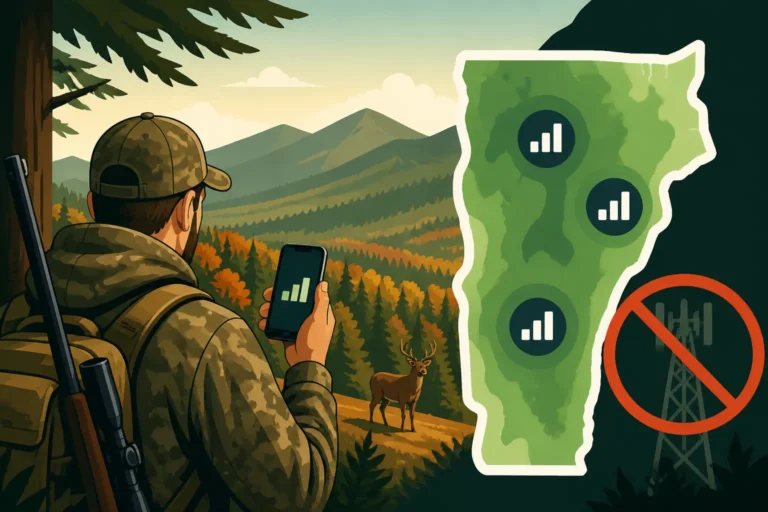
- Cellular Cameras: These cameras transmit images and videos directly to your phone or computer via a cellular network, often through a dedicated app. The major advantage is real-time intelligence. You know immediately what's hitting your bait, when, and if a particular animal has shown up. This can save you countless scouting trips and help you decide when to hunt. The downside is the upfront cost, the need for reliable cellular service at your bait site (which isn't always a given in Vermont's remote areas like the Northeast Kingdom), and a recurring monthly data plan.
When deciding, consider your budget, the remoteness of your bait site, and whether instant gratification is worth the ongoing expense. If you're managing a busy bear bait and need to know precisely when to slip in, a cellular camera can be a game-changer. Companies like GoHunt offer detailed mapping tools that can help you assess cellular coverage in your specific area, which is invaluable when considering a cellular camera.
Top Considerations for Specific Vermont Game at Bait Sites
Vermont hunters target different species, and while the core camera features remain similar, there are nuances to consider depending on whether you're after a bruin or a big buck at your bait site.
Bear Bait Sites
Vermont's bear season offers unique opportunities, and baiting is a popular and legal method. For Bear Hunting Vermont's Long September-to-November Season, a trail camera is absolutely indispensable.
- Robustness: Bears are powerful and curious. They will sniff, paw, and even chew on your camera. A heavy-duty, reinforced casing or a steel security box is highly recommended. You're trying to keep the camera safe from a few hundred pounds of muscle and teeth.
- Video: Bears spend a lot of time at bait sites. Long video clips are excellent for identifying individual bears, determining their sex (though judging a legal bear can be tricky and requires careful observation, especially distinguishing Judging a Legal Bear From a Sow With Cubs), and assessing their activity patterns. You'll want to see how they approach, how long they stay, and if they're coming in alone or with cubs.
- Security: Theft is a concern. Use a heavy-duty Python cable lock, and consider a steel security box. Placing the camera a bit off to the side, slightly concealed but still facing the bait, can also help. GoHunt's community forums often share insights on securing gear in public hunting areas.
- Battery Management: As bears can frequent a site multiple times a day and night, an external battery pack is almost a necessity for extended periods without checking.
Deer Feeding Areas and Mineral Sites
While not "baiting" in the traditional sense, many hunters use mineral sites or supplemental feeding (where legal) to attract deer and monitor their presence. This is particularly true outside of rifle season, perhaps during Bowhunting Vermont's Expanded Archery Season or when scouting for next year.
- Stealth: For deer, especially in more pressured areas, a no-glow flash is crucial. Deer can be sensitive to perceived threats, and a flashing red light might make them wary.
- Detection Angle: Deer often approach from various angles. A wide detection zone ensures you catch them as they come and go, not just when they are directly at the mineral lick.
- Durability: While not as destructive as bears, a good weatherproof rating is still important. A curious yearling buck might bump the camera, but it’s unlikely to destroy it.
- Strategic Placement: Consider where deer will pause before committing to the site. Often, placing the camera slightly back from the main feeding spot, covering the approach, will give you pictures of them "staging" before they step in. This helps you understand their full travel route. GoHunt's topographic maps are excellent for identifying natural funnels and approach routes to your feeding areas.
Ultimately, the "best" trail camera for a bait site isn't necessarily the most expensive one, but the one that reliably delivers the information you need, stands up to Vermont's challenges, and fits your hunting style and budget. Investing in quality upfront will save you frustration and potentially lead to more successful seasons.
Disclaimer
This article is for general informational purposes only and does not constitute professional advice. Laws, prices and regulations vary by location and change over time. Consult a qualified professional for guidance on your specific situation.